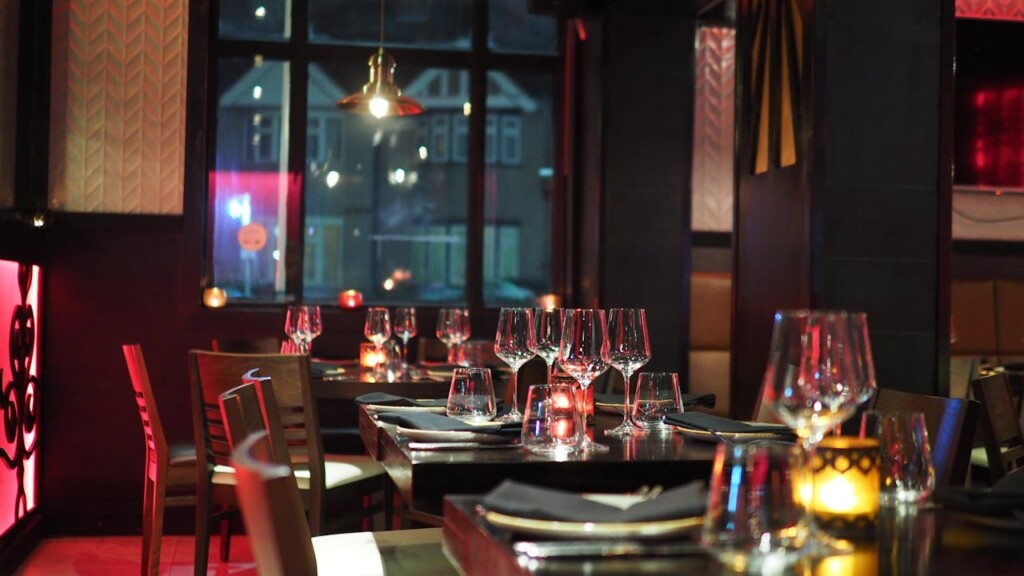
When restaurant projects in Austin need both design vision and construction expertise, restaurant design-build services eliminate the complexity of managing separate teams. This approach streamlines delivery by uniting design and construction under a single coordinated team.
Restaurant design-build services in Austin combine architectural planning with hands-on construction execution under a single point of accountability. We support tenant improvements, interior build-outs, renovations, and ground-up restaurant construction across Central Texas, delivering cohesive spaces that reflect brand identity while maintaining operational functionality.
How Does The Restaurant Design-Build Process Work From Start To Finish?
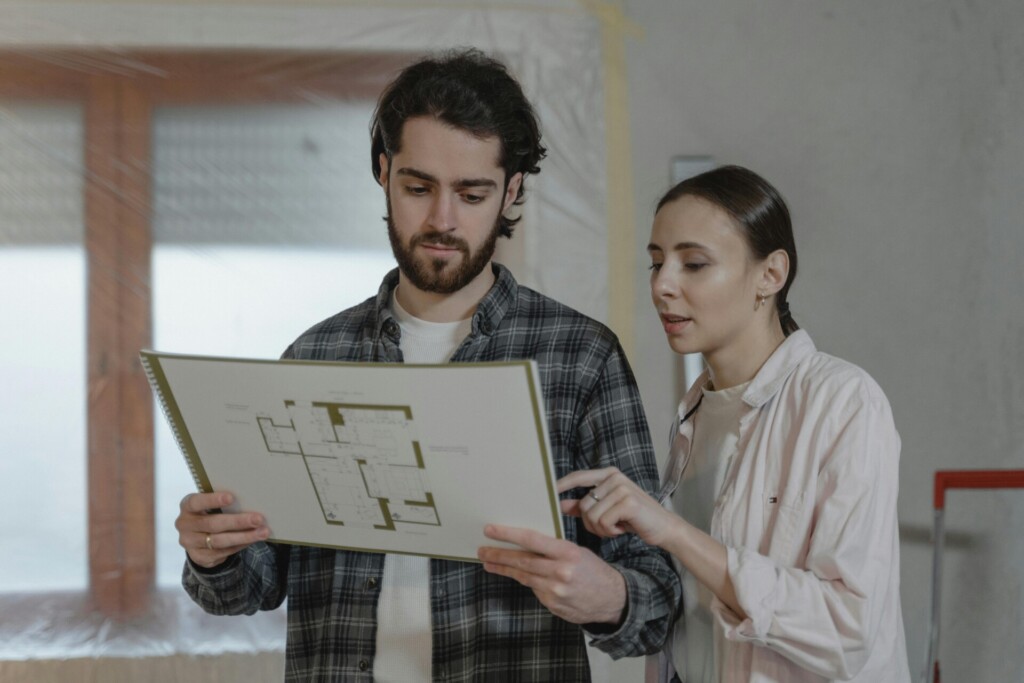
Restaurant design-build projects follow a structured sequence that takes spaces from initial planning through final occupancy. We manage each phase to maintain continuity and avoid the miscommunication that often occurs when design and construction teams work separately.
Pre-Construction and Design Planning
Pre-construction planning establishes the foundation for successful restaurant delivery. We begin with space planning and flow analysis to ensure kitchen operations connect seamlessly with service areas and guest circulation. This phase determines how efficiently staff can move during peak service hours.
Material and finish selection happens early in the design process. We coordinate finishes that reflect brand identity while meeting commercial kitchen durability requirements. Custom seating and millwork designs are developed to match concept goals and space constraints.
Lighting plans receive particular attention because restaurants need different atmospheres from day to night service. We design systems that create bright, functional environments for lunch and warm, intimate settings for dinner. Brand elements are integrated through custom finishes and graphics that reinforce the restaurant’s identity throughout the space.
FF&E Specification and Procurement
Furniture, fixtures, and equipment specification begins during design development. We work with kitchen consultants and equipment suppliers to ensure all items meet operational needs and installation requirements. FF&E procurement involves coordinating delivery schedules with construction milestones to prevent storage issues or installation conflicts.
Equipment specifications must align with utility capacity, ventilation requirements, and local health department approvals. We verify that electrical loads, gas connections, and water pressure support all specified equipment before procurement begins.
Site Preparation for Ground-Up Projects
Ground-up restaurant construction requires comprehensive site preparation. Our team manages site prep activities including clearing, grading, and utility connections. Foundation work must accommodate equipment loads, grease management systems, and future expansion needs.
We coordinate with utility companies early to ensure adequate electrical service, gas capacity, and water pressure for restaurant operations. Site preparation also includes temporary facilities for construction crews and material storage areas.
Construction Oversight and Project Management
Active construction involves daily coordination between multiple trades and specialty contractors. We provide construction oversight through experienced project managers who understand restaurant-specific requirements like hood installation sequences and health department inspection timing.
One point of contact streamlines decision-making and prevents delays. Our on-site project manager coordinates daily activities, manages subcontractor schedules, and maintains communication with ownership throughout the build process.
Installation oversight ensures all kitchen equipment, dining room fixtures, and mechanical systems are installed according to specifications. We sequence installations to support inspection schedules and avoid conflicts between different trades working in tight spaces.
Final Inspections and Project Closeout
Final inspections involve multiple authorities, including building departments, health officials, and fire marshals. We coordinate these inspections to secure the certificate of occupancy needed for restaurant opening. Our team addresses any inspection items quickly to prevent delays.
Project closeout includes system testing, staff training on new equipment, and warranty documentation. We ensure all kitchen equipment operates properly and that ownership understands maintenance requirements for long-term performance.
What Scopes And Capabilities Should Owners Expect In Austin Restaurant Projects?
Restaurant owners in Austin have access to comprehensive construction capabilities across multiple project types. We handle ground-up construction from foundation to finish, interior build-outs that transform existing shells into dining destinations, and renovations that update established restaurants. Each project type requires distinct approaches to engineering, permitting, and execution.
Construction Delivery Methods
We offer design-build services that integrate design and construction under unified project management. This approach streamlines decision-making and maintains consistent communication throughout the build process. Construction management provides coordinated oversight when owners work with separate design teams or have existing architect relationships.
Tenant improvements focus on modifying leased commercial spaces to meet restaurant operational requirements. These projects often involve complex mechanical upgrades, kitchen infrastructure installation, and compliance with health-department specifications. Typical scope includes electrical capacity upgrades, specialized plumbing systems, and ventilation modifications.
Specialized Construction Capabilities
Our teams execute custom millwork fabrication and installation for bars, host stations, booth seating, and decorative elements. Built-ins and framing work cover kitchen prep areas, server stations, storage solutions, and architectural features that define dining spaces. These elements require precise measurements and coordination with mechanical systems.
High-end equipment installation covers commercial kitchen appliances, refrigeration systems, beverage equipment, and point-of-sale infrastructure. We coordinate utility connections, ensure proper clearances, and verify compliance with manufacturer specifications. Brand updates involve refreshing finishes, signage, lighting, and interior elements to reflect evolving concepts or ownership changes.
Project Planning and Coordination
Pre-construction planning establishes project scope, schedules, and budget frameworks before construction begins. We analyze existing conditions, identify potential challenges, and develop construction sequencing that minimizes disruptions to operations. Space planning optimizes traffic flow, service efficiency, and guest experience within available square footage.
Our teams collaborate directly with developers on multi-tenant projects, ensuring restaurant construction aligns with overall development schedules and shared infrastructure requirements. Collaboration with architects includes design development, specification review, and coordination of construction documents to maintain design intent throughout the build. Partnerships with kitchen designers focus on workflow optimization, equipment placement, and health-code compliance for foodservice operations.
Why Does Local Austin Expertise Matter For Permitting And Delivery?
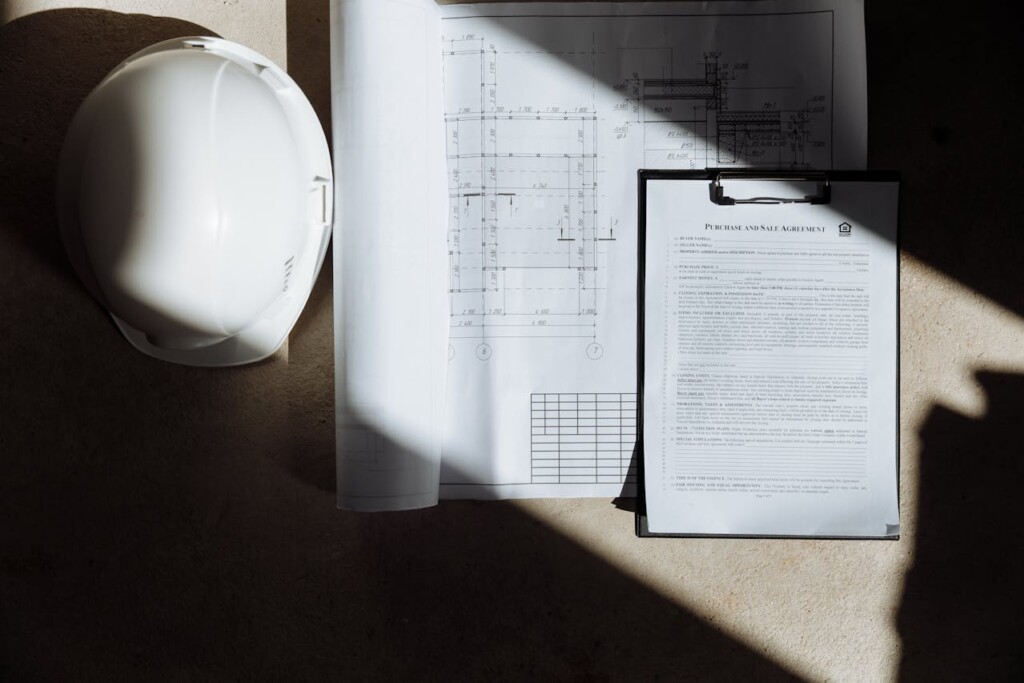
Austin’s construction environment includes unique permitting requirements and code interpretations that can challenge out-of-town contractors. Each jurisdiction in Central Texas follows distinct processes for plan review, inspection scheduling, and approval timelines. We understand these local nuances because we work exclusively in Austin and nearby cities such as Round Rock, Cedar Park, Georgetown, Pflugerville, Lakeway, and Dripping Springs.
Permit timelines vary significantly across Central Texas municipalities. While Austin often takes several weeks to issue restaurant tenant improvement permits, smaller jurisdictions such as Lakeway or Dripping Springs often move faster but require different documentation. We track these differences and adjust our submittal approach accordingly. Our relationships with local plan reviewers and inspectors help us move through revision cycles efficiently and anticipate potential issues before they cause delays.
Code compliance extends beyond basic building requirements in Austin. Restaurant projects must address specific fire-suppression systems, commercial kitchen ventilation, and accessibility standards that differ from residential work. Local fire marshals have particular preferences for equipment placement and egress paths. We coordinate with Austin’s Development Services Department and surrounding jurisdictions to ensure our designs meet code requirements and align with local interpretations.
Inspection scheduling becomes critical when working across multiple jurisdictions. A restaurant project in Cedar Park follows different inspection sequences than one in downtown Austin. We maintain working relationships with inspectors in each area we serve, allowing us to coordinate rough-in, mechanical, and final inspections without extended delays. This coordination across jurisdictions keeps projects moving smoothly from permit approval through certificate of occupancy.
Local knowledge also extends to understanding seasonal patterns and municipal priorities. Austin’s permitting department sees higher volumes during certain months, while smaller cities such as Georgetown may have more predictable turnaround times. We factor these patterns into project schedules and help owners plan accordingly. Our Central Texas focus means we stay current on changing requirements and maintain the relationships that support efficient project delivery.
How Should Owners Plan For Timelines, Phasing, And Daily Operations?
Restaurant and bar construction timelines vary based on project size and complexity. Most interior projects take several months to complete, though precise timing depends on scope, material selections, and existing conditions. We provide detailed timeline estimates during initial planning to help owners set realistic expectations and plan accordingly.
Our approach begins with comprehensive schedule coordination that accounts for operational constraints. For existing restaurants and bars, we arrange construction activities to minimize conflicts with peak service hours and revenue-generating periods. This phased approach helps maintain business continuity while completing necessary improvements, though it typically extends the overall project duration compared with full closures.
Managing Construction Around Operating Hours
Active restaurant sites require careful scheduling to balance construction progress with daily operations. We coordinate intensive work, such as demolition, heavy equipment installation, and other noisy activities, during off-peak hours or planned closures. This scheduling protects both construction quality and business operations, though it demands precise planning and flexible crew assignments.
Schedule coordination becomes especially important for establishments with licensing restrictions or lease requirements that limit construction hours. Our on-site project manager works directly with owners to establish realistic timelines that accommodate construction needs and operational demands. This single point of contact reduces miscommunication and keeps projects moving efficiently.
Planning for Operational Success
Early planning for guest flow shapes both construction sequencing and final operations. We analyze how guests will move through spaces across service periods, ensuring layouts support efficient service while maintaining comfortable dining experiences. This planning phase addresses potential bottlenecks before they become operational problems.
Acoustic planning requires attention to construction materials and ongoing operational needs. Sound management affects guest comfort, staff communication, and overall ambiance. We select materials and design elements that control noise levels without compromising aesthetic goals, creating spaces that function well from quiet lunch to busy dinner service.
Material durability planning balances upfront investment with long-term maintenance. Restaurant environments demand materials that withstand heavy use, frequent cleaning, and temperature variations while maintaining their appearance. Our selection process considers immediate budget constraints as well as operating costs over time.
Day-to-Night Lighting Transitions
Day-to-night lighting systems create flexible atmospheres that support different service periods and guest expectations. We design lighting plans that transition from bright, energetic daytime settings to an intimate evening ambiance without requiring frequent manual adjustments during service. Plans include ambient and accent lighting that adapt to changing natural light conditions.
Lighting control systems allow staff to adjust settings for special events, seasonal changes, or evolving brand requirements. These systems integrate with the overall design while providing operational flexibility that supports long-term business goals. Proper planning during construction helps prevent costly retrofits and ensures seamless daily operations.
Conclusion And Next Steps
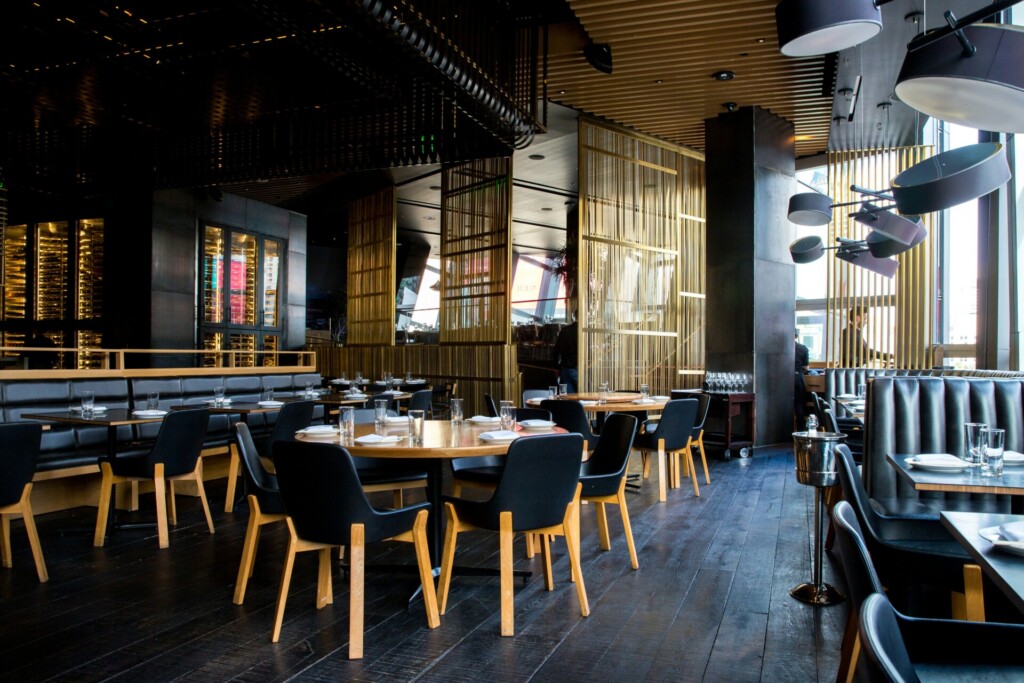
Restaurant design-build services in Austin provide coordinated solutions that align the design vision with construction execution. We bring brand integration, construction oversight, and final inspection together within a single team to create functional spaces that support your operational goals. This approach reduces coordination challenges and maintains quality standards throughout the build process.
Start by defining your project scope, timeline requirements, and operational constraints. Document brand elements, finishes, and FF&E specifications that reflect your concept. Consider how phased construction can minimize disruption to existing operations. With these elements prepared, we can develop a pre-construction plan that addresses your specific needs and schedule.
Ready to move forward with your restaurant project? Contact EB3 Construction to discuss your vision and begin the pre-construction planning process.