Warehouse construction costs in Houston range from $55 to $100 per square foot for standard facilities. This pricing reflects basic warehouse shell construction with typical build-out elements.
Larger, more efficient buildings generally fall toward the lower end of this range, while complex projects or premium specifications push costs higher. A 100,000-square-foot distribution hub in Greater Houston typically costs about $55 to $70 per square foot before adding high-density automation, extensive office areas, or specialized cold storage components.
What Drives Warehouse Costs In Houston’s Market?
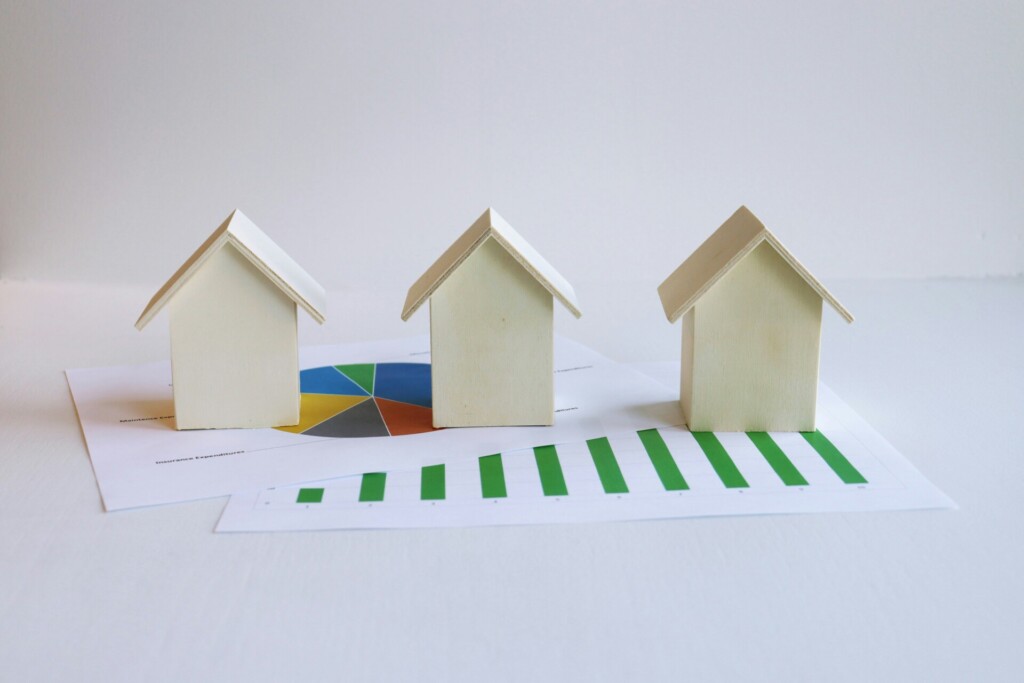
Houston’s geographic position and regulatory environment drive cost factors that set it apart from other Texas markets. Several local variables directly affect project cost per square foot, from required resilience measures to structural material choices.
Resilience requirements: Houston’s exposure to windstorm and floodplain conditions requires enhanced structural design and specialized stormwater infrastructure. These mandates add structural and civil costs that should be accounted for from the planning phase.
Site and land conditions: Houston’s varied soil conditions, drainage requirements, and utility access significantly impact foundations and sitework costs. Poor soil may require deeper foundations or soil stabilization, and proper grading and drainage are essential given the region’s flood risk.
Structure selection: The choice between pre-engineered metal buildings (PEMB) and tilt-wall concrete construction affects cost, schedule, and long-term performance. PEMB systems typically offer faster construction timelines and lower initial costs, while tilt-wall provides greater durability and thermal performance at a premium.
Interior scope and MEP systems: Office area size, HVAC capacity, electrical infrastructure, dock equipment, and specialty systems create significant cost variations. Houston’s climate demands robust HVAC design, and port-driven demand often requires increased electrical capacity for automation-ready facilities.
Delivery method and schedule: Design-build delivery and well-sequenced construction timelines help secure more competitive trade pricing. Coordinated schedules reduce weather delays and improve subcontractor participation, which matters in Houston’s active construction market.
| Cost Category | Typical Share of Budget | What It Includes |
| Hard Costs | 65–75% | Land & sitework, foundations, structure, roof, interior build-out, MEP systems, loading docks, fire protection. |
| Soft Costs | 10–20% | Architecture & engineering, permits, legal, insurance, financing, inspections. |
| Contingency | 7–10% | Material escalation, unforeseen geotechnical issues, scope tweaks, schedule impacts. |
Understanding Houston’s typical budget structure supports early planning and cost control. Hard costs generally account for 65–75% of total project investment, covering structural, architectural, and MEP systems. Soft costs represent 10–20% and include design, permits, and professional services. We recommend carrying a 7–10% contingency to address site conditions and market fluctuations common in Houston’s construction market.
How Do Size And Warehouse Type Change The Price Per Square Foot?
Building size strongly affects construction cost efficiency in Houston warehouse projects. Economies of scale offer clear advantages as project footprints expand, with fixed costs for design, permitting, and site work spreading across more square footage.
Size-related costs follow predictable patterns across Texas markets that apply directly to Houston planning. Small warehouses between 10,000 and 25,000 square feet typically run $80 to $150 per square foot, reflecting higher per-unit costs for engineering, foundation work, and site preparation. Medium-sized facilities from 25,000 to 50,000 square feet achieve better efficiency at $60 to $110 per square foot.
Large warehouses over 50,000 square feet offer the strongest cost performance at $45 to $80 per square foot. We see this efficiency gain consistently in Greater Houston projects where bulk material purchases, optimized structural systems, and streamlined construction processes reduce unit costs.
Warehouse type introduces cost variations tied to operational requirements and building complexity. Dry storage facilities are the most economical at approximately $50 to $80 per square foot, focusing on basic shell construction with minimal mechanical systems and standard clear height requirements.
Distribution centers command higher investment at $75 to $150 per square foot due to enhanced operational features. These facilities require multiple dock positions, higher clear heights for racking systems, automation readiness in electrical and structural design, and more sophisticated dock equipment for efficient material handling.
Cold storage represents the premium warehouse category at $150 to $200 per square foot or higher. These specialized facilities demand insulated panels, vapor barriers, complex refrigeration systems, and enhanced electrical capacity for temperature control equipment. The construction complexity extends to foundation design, structural reinforcement, and specialized mechanical, electrical, and plumbing (MEP) systems.
| Warehouse Size (sq ft) | Cost Range ($/sq ft) | Notes |
|---|---|---|
| 10,000–25,000 | $80–$150 | Higher per-unit cost; fixed site and soft costs spread over limited area; suitable for infill and last-mile distribution. |
| 25,000–50,000 | $60–$110 | Balanced cost profile; common for regional distribution or owner-occupied industrial facilities. |
| 50,000+ | $45–$80 | Strong economies of scale; ideal for large logistics, manufacturing, or 3PL operations. |
A 100,000-square-foot distribution hub in Greater Houston provides a practical benchmark for cost planning. This scale typically runs $55 to $70 per square foot for the shell and standard build-out before adding heavy automation, extensive office areas, or cold storage components. The efficiency at this scale shows how proper sizing and type selection optimize construction investment while meeting operational requirements.
Disclaimer: Pricing figures are based on publicly available market data and are intended for general estimation purposes as of January 2026. They do not represent a formal quote from EB3 Construction. Actual costs will vary by project scope, location, labor rates, and material prices.
What Timelines And Permitting Steps Should You Expect In Houston?
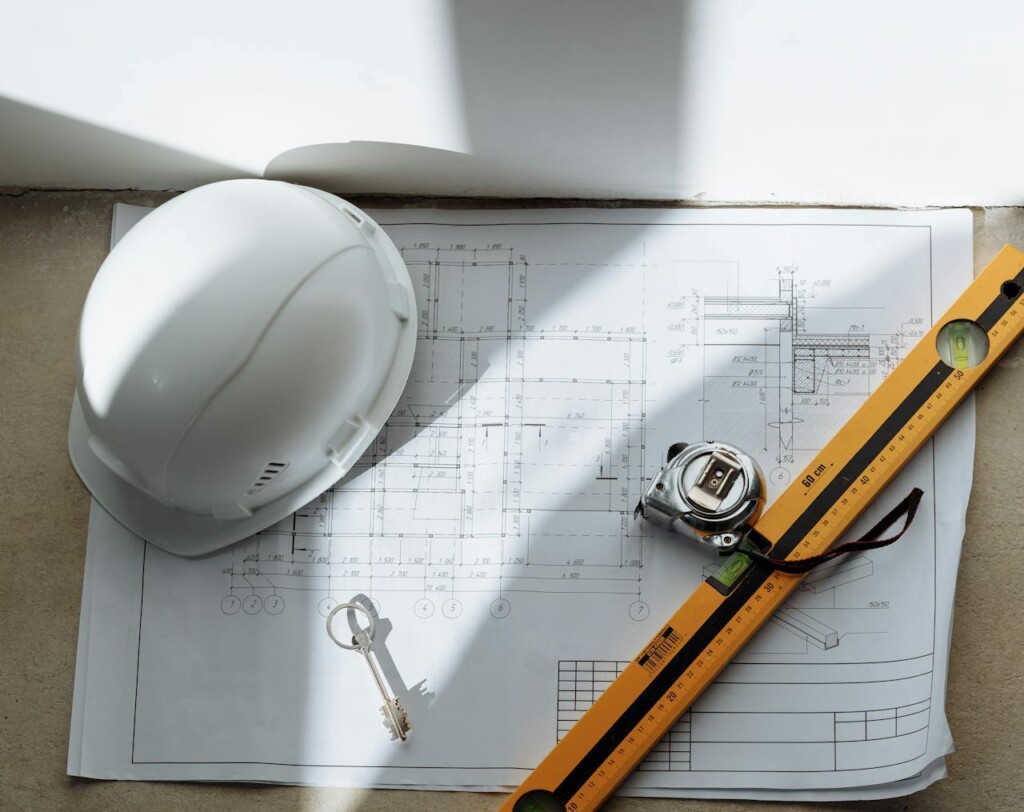
Standard warehouse construction timelines in Houston range from 6 to 12 months for typical distribution facilities. Specialized or large facilities with complex automation, cold storage, or extensive office components can extend to 14 to 18 months, depending on equipment requirements and customization scope.
Pre-Development Phase
We begin with site evaluation and initial planning, which typically span 1 to 3 months. This phase includes comprehensive site checks to assess soil conditions, utility access, and potential environmental constraints. Early geotechnical analysis reveals foundation requirements and helps identify any soil remediation needs that could affect the schedule or budget.
Initial concept development during this phase allows us to establish the preliminary scope and conduct early budgeting exercises. We coordinate with local officials for pre-development consultations to understand specific municipal requirements and identify potential permitting challenges before they cause delays.
Design and Permitting Phase
The design and permitting phase typically requires 2 to 4 months for most warehouse projects. This includes full architectural and engineering development, detailed civil engineering for site improvements, and comprehensive geotechnical reporting. We prepare all permit submittals while coordinating municipal review processes.
Houston’s permitting requirements focus heavily on floodplain compliance and windstorm resistance. Projects must demonstrate adequate stormwater management through detention systems and proper drainage design. We integrate these requirements into the design from the outset to prevent costly redesigns during municipal review.
The permitting process involves multiple city departments reviewing structural, electrical, plumbing, and fire safety systems. Plan review cycles can extend timelines, particularly if initial submittals lack complete documentation or fail to address Houston’s specific resilience standards.
Construction Phase
Construction spans 4 to 8 months depending on building size and complexity. We sequence sitework and foundations first, allowing concurrent progress on structural systems while site preparation continues. Steel erection or tilt-wall construction follows, with roofing systems installed to protect the building envelope from weather.
MEP rough-ins occur after structural completion but before interior finishes. This phase includes electrical distribution, plumbing systems, and HVAC installation. We coordinate these trades carefully to maintain schedule efficiency while ensuring code compliance and inspection readiness.
Final construction activities include interior build-out, paving, and landscaping. Houston’s climate requires attention to drainage and stormwater controls throughout construction, with regular inspections to ensure compliance with approved stormwater management plans.
Close-Out Phase
Project close-out typically requires one month for final inspections, system commissioning, and regulatory approvals. We schedule building, fire, and specialty inspections systematically to prevent delays. HVAC commissioning ensures all mechanical systems operate according to design specifications and energy code requirements.
Certificate of occupancy issuance marks project completion and allows tenant occupancy. We maintain detailed documentation throughout construction to streamline final approvals and ensure all systems meet Houston’s building codes and resilience standards.
How Can Developers Control Warehouse Construction Cost In Houston?
Managing warehouse construction costs in Houston requires strategic decisions at every project phase. We focus on six areas that directly impact your bottom line while maintaining quality and functionality.
Select your delivery method early to maximize control over budget, scope, and schedule. Design-build integration eliminates the traditional handoff between architect and contractor, reducing change orders and miscommunication that often drive cost overruns. On average, Houston design-build saves about 10% on construction costs compared to the design-bid-build process through better coordination and early value engineering.
Choose your structural system based on program requirements rather than assumptions. Pre-engineered metal buildings (PEMB) excel for straightforward storage needs and rapid schedules, typically costing $20-35 per square foot for the structure. Tilt-wall concrete ranges from $40-55 per square foot but delivers superior thermal performance and durability for high-traffic operations. Consider clear height requirements, bay spacing, and future expansion when making this decision.
Right-size your interior build-out to match actual operational needs. Office areas and break rooms add $15-30 per square foot beyond basic warehouse shell costs. HVAC systems sized for actual occupancy rather than maximum theoretical loads help avoid unnecessary capacity costs. Electrical infrastructure should accommodate current needs while allowing for reasonable expansion without over-engineering the initial installation.
Maintain a realistic contingency throughout your project. Houston’s unique environmental challenges create site-condition risks that warrant a 7-10% contingency on total project cost. This buffer covers material price escalation, unforeseen foundation requirements due to soil conditions, and scope adjustments during construction. Disciplined contingency management helps prevent budget shortfalls that could delay project completion.
Leverage economies of scale through strategic facility sizing. Fixed costs for sitework, foundations, and MEP infrastructure spread more efficiently across larger footprints. A 50,000-square-foot facility typically costs 30-40% less per square foot than a 10,000-square-foot building when comparing similar programs and specifications.
Prepare comprehensive bid packages that attract strong trade participation. Well-documented plans, clear specifications, and realistic schedules encourage competitive pricing from qualified subcontractors. Projects that provide thorough geotechnical data, utility coordination, and phasing details receive more competitive pricing than those requiring contractors to carry additional risk premiums for unknowns.
Conclusion and Next Steps
Planning your Houston warehouse starts with realistic cost targets. Standard builds typically range from $55 to $100 per square foot, with larger facilities tending to fall toward the lower end of that range. Adjust these figures for facility size, Houston’s resiliency requirements, and the complexity of your MEP scope.
Timeline expectations should match the project’s complexity. Standard warehouses take 6 to 12 months to complete, while specialized facilities with automation or temperature control systems can take 14 to 18 months. Account for Houston’s permitting requirements for windstorm and floodplain compliance from the start to avoid costly redesigns.
A sound budget follows proven ratios. Hard costs typically represent 65 to 75% of the total investment, soft costs account for 10 to 20%, and a 7 to 10% contingency protects against material escalation and unforeseen site conditions. This framework helps maintain project feasibility throughout the construction phases.
Contact EB3 Construction today for a site-specific estimate and early scope refinement.