
Rising construction costs and tight project schedules require smarter decisions. Value engineering helps address this challenge by analyzing the original design to optimize performance while reducing unnecessary costs.
We evaluate alternative design options that improve safety and performance without compromising core project requirements. This work sits at the intersection of project management and business management, informing decisions that affect both immediate construction costs and long-term asset value.
How Does Value Engineering Go Beyond Estimates And Schedules?

Value engineering is a strategic discipline that goes beyond simple cost calculations. We analyze function, performance requirements, and owner objectives to create comprehensive solutions. This approach turns what many view as a basic pricing exercise into a systematic approach to resource management.
Resource management through value engineering means optimizing labor allocation, material procurement, and equipment deployment across project phases. We evaluate how design decisions affect construction sequencing and crew efficiency. The process identifies opportunities to reduce waste while maintaining project quality standards.
Assessment and decision-making form the core of effective value engineering. We compare alternatives using quantitative metrics and qualitative factors. This includes evaluating constructability, maintenance requirements, and long-term operational costs. Teams can weigh trade-offs between initial investment and life-cycle value.
Project and business alignment ensures that technical decisions support broader organizational goals. We consider how construction choices impact occupancy schedules, revenue generation, and operational efficiency. Construction planning integrates with business planning to deliver solutions that meet both immediate construction needs and long-term property objectives.
The decision-making framework we apply helps stakeholders understand the full impact of design choices. Rather than focusing solely on upfront costs, we examine how alternatives affect project timelines, risk exposure, and future flexibility. This comprehensive view supports informed decisions that balance competing priorities.
When Should Value Engineering Start, And What Does The Review Include?
Value engineering works best when it starts during pre-construction planning. Starting early lets us examine the project’s foundational elements before they are locked in. The design team and EB3 Construction collaborate to identify opportunities to save time and money while preserving the project’s essential character.
Our materials and systems review covers structural components, mechanical systems, and building envelope specifications. We examine each specification against current market conditions and available alternatives. This review often reveals substitutions that deliver equivalent or superior performance at a lower cost.
The review extends beyond materials to include construction methods and sequencing. We evaluate how different approaches affect the project timeline and identify potential bottlenecks. For example, switching from cast-in-place concrete to precast elements can shorten the schedule while maintaining structural integrity.
Long-Lead Items and Scheduling
Long-lead items receive particular attention during our review. These components often determine the project’s critical path and can cause costly delays if not addressed early. We identify items with extended delivery times and explore alternatives that align with the construction schedule.
Equipment delivery schedules drive many of our recommendations. Custom HVAC units might require 16 weeks, while standard units deliver in 8 weeks. We evaluate whether performance differences justify the extended timeline and associated carrying costs. Similar analysis applies to specialty fixtures, engineered systems, and architectural elements.
Conceptual budgeting during this phase helps quantify the impact of different choices. We compare initial costs with schedule savings and operational benefits. This approach ensures cost reductions don’t create larger expenses later in the project.
Which Project Areas In San Antonio Benefit Most From Value Engineering?
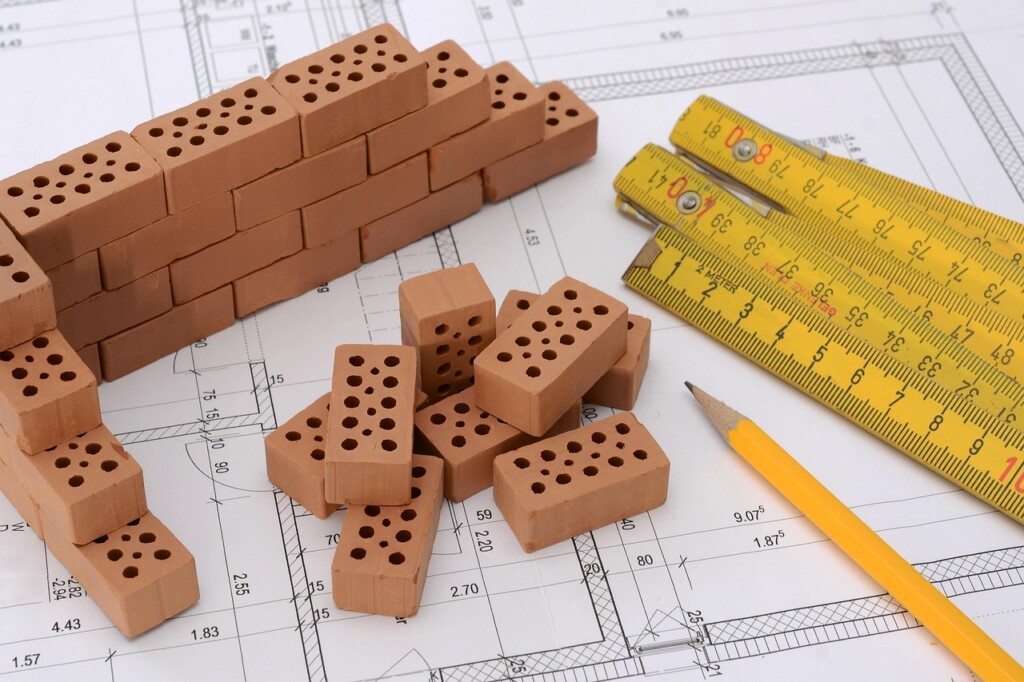
San Antonio construction projects present unique challenges that benefit from targeted value engineering. We focus where alternative design strategies deliver the greatest impact on project outcomes and long-term performance.
Deep foundations and retaining walls are prime candidates for value engineering analysis. We examine soil conditions, load requirements, and site constraints to identify alternatives that improve safety and performance while reducing unnecessary costs. Alternative foundation systems or modified retaining wall designs often deliver substantial savings without compromising structural integrity.
Piping and MEP systems offer significant optimization opportunities through careful spec sheet review and material list analysis. We systematically remove unnecessary components, flag questionable configurations, and correct calculation errors that inflate project costs. This process optimizes system performance and strengthens bid competitiveness.
Civil infrastructure projects, including drainage, water, sewer, roadway, and land development, benefit from integrated value engineering throughout the design process. We produce precise, cost-effective plans that meet agency requirements while identifying opportunities for material substitution and process optimization.
The San Antonio market presents specific conditions that amplify value engineering benefits. Expansive clay soils require careful consideration in foundation design, while local drainage requirements and utility coordination challenges open opportunities for alternative approaches. We leverage our understanding of these regional factors to identify solutions that other contractors might overlook.
What Practical Steps Do Value Engineering Reviews Include?
The value engineering review process follows a systematic approach designed to optimize project outcomes while maintaining safety and performance standards. We examine each component to identify opportunities that align with project goals and schedule constraints.
We begin with a comprehensive analysis of the original design. Our team reviews architectural drawings, structural plans, and system specifications to understand the project’s core requirements. This analysis covers materials, construction methods, and system configurations to establish a baseline for potential improvements. The goal is to identify areas where alternative approaches might deliver equal or better performance at reduced cost.
Material and system evaluation is the next critical step. We assess specified products against available alternatives, examining performance characteristics, installation requirements, and long-term maintenance needs. Our team reviews spec sheets and technical data to identify substitutions that maintain project standards while reducing costs. This process often reveals opportunities to eliminate unnecessary components or upgrade to more durable options that provide better value over time.
Safety and performance impact assessments guide every proposed change. We evaluate how alternatives affect structural integrity, system reliability, and code compliance before moving forward. This review ensures that cost savings do not compromise safety standards or operational performance. Our team works with design professionals to verify that proposed changes meet all regulatory requirements and maintain the project’s intended function.
Schedule alignment is a crucial part of our review process. We identify long-lead items and assess how material changes might affect procurement and procurement timelines. This analysis helps prevent delays caused by extended delivery schedules or limited availability. By addressing these considerations early, we can recommend alternatives that support the construction schedule while achieving cost objectives.
Post-project analytics complete the value engineering cycle. We document the results of implemented changes, tracking actual cost savings and performance outcomes. This data informs future projects, helping us refine our approach and identify patterns that consistently deliver value. The information strengthens our ability to provide accurate recommendations and supports more competitive bidding on similar projects.
Conclusion And Next Steps
Value engineering delivers meaningful benefits for San Antonio construction projects through smart design choices, schedule reliability, and cost control. We coordinate design-team collaboration with early contractor involvement to achieve better project outcomes. The intersection of project management and business management creates opportunities to optimize without compromising safety, performance, or aesthetics.
Start by engaging a contractor early in the pre-construction phase to maximize the value-engineering opportunity. Share current specifications, budgets, and project objectives to establish clear goals from the beginning. Request alternatives that maintain quality standards while addressing cost and schedule constraints. Document lessons learned and apply post-project analytics to strengthen future bids and specifications.
Ready to optimize your San Antonio construction project through value engineering? Contact EB3 to explore how we can enhance your project’s value and performance.