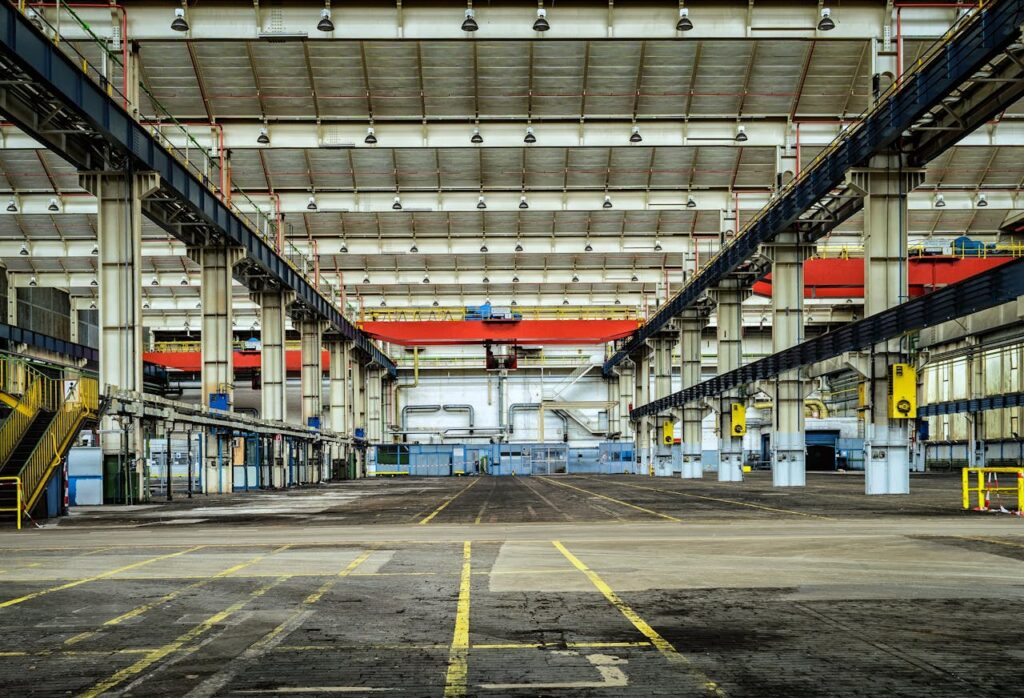
Warehouse conversions in Dallas represent a strategic shift toward building reuse across the Dallas-Fort Worth metropolitan region. Existing industrial structures, obsolete office buildings, and underutilized warehouses are being systematically transformed into functional spaces that address current market demands through adaptive reuse construction strategies.
Active conversion projects span office-to-industrial redevelopments in suburban Plano and Irving corridors to boutique office transformations in the Dallas Design District and residential loft conversions concentrated throughout Downtown Dallas and Deep Ellum. These construction initiatives preserve and showcase exposed brick walls, large-grid industrial windows, soaring ceiling heights, heavy timber structural systems, mezzanine levels, and contemporary finish packages that define the region’s industrial-heritage aesthetic.
Construction Typologies: Dallas-Area Warehouse Conversion Project Profiles

Warehouse conversion construction activity across the Dallas region demonstrates distinct patterns differentiated by location, scale, and end-use programming. Current projects range from large-scale speculative industrial redevelopments to targeted mixed-use adaptive reuse initiatives, each shaped by local zoning frameworks and submarket demand characteristics.
Plano’s industrial replacement strategy demonstrates large-scale redevelopment methodology. A major obsolete office campus is being completely demolished and reconstructed as two speculative industrial buildings delivering 323,000 square feet of modern logistics space. Each structure features 32-foot clear heights engineered specifically for contemporary warehouse operations and automated material handling systems.
The municipality approved a $750,000 performance-based incentive grant structured around specific construction and occupancy milestones. Developers must deliver a minimum of 300,000 square feet of manufacturing, industrial, office, or research and development space, combined with $21 million in total site and building improvements by late December 2026. This incentive framework demonstrates how cities link financial support to measurable construction outcomes.
Irving’s warehouse transformation showcases office-to-industrial conversion construction. An acquired office property is being comprehensively converted into three rear-load warehouse facilities totaling approximately 337,000 square feet. Site improvements include infrastructure for up to 70 trailer parking positions and outdoor storage capabilities across an expanded 2.4-acre site footprint.
The construction schedule initially targeted completion within the property acquisition year. The rear-load configuration supports modern distribution operational requirements while maximizing trailer circulation efficiency across the expanded site layout.
The Dallas Design District adaptive reuse project demonstrates boutique-scale construction. A 1940s-era warehouse on a prominent Design District street was renovated into contemporary office space featuring nine individual offices, a dedicated conference room, lobby reception area, and outdoor patio space. The construction approach preserved the building’s original industrial architectural character while integrating modern workspace systems and finishes.
Oak Lawn’s warehouse retrofit illustrates mixed-use conversion flexibility. The construction program produced ground-floor commercial space alongside nine residential apartment units and a single-family residence. This multi-program construction strategy maximizes development potential while addressing diverse market segments within a single adaptive reuse building.
These projects collectively illustrate the range of warehouse conversion construction strategies being deployed across Dallas-area submarkets. Industrial logistics conversions dominate suburban locations including Plano and Irving, while urban sites in the Design District and Oak Lawn neighborhoods favor office and residential end uses.
Construction Strategies: Design Interventions And Building Features For Successful Conversions
Daylighting Enhancement Through Envelope Modifications
When constructing warehouse and office building conversions, daylighting interventions fundamentally transform occupant experience and space functionality. Installing floor-to-ceiling glazing systems to replace solid wall sections brings natural light penetration deep into previously dark industrial volumes. Construction teams frequently integrate 360-degree clerestory window bands around the perimeter of high-ceilinged spaces, capturing light from multiple orientations throughout daily sun paths.
These envelope modifications require comprehensive structural coordination during construction. New opening installations demand engineered lintel placement, load path verification, and detailed weatherproofing integration. Glazing system selection must balance the visual scale appropriate to industrial spaces while satisfying energy performance requirements for commercial occupancy classifications.
Adding skylights or roof monitor systems provides supplementary daylighting strategies. This construction approach proves particularly effective in conversions where existing mechanical infrastructure occupies perimeter zones, creating constraints for conventional window placement.
Structural Expression And Material Preservation
Construction teams approach existing structural elements as design assets rather than concealment challenges. Exposed concrete masonry unit (CMU) walls showcase the building’s industrial origins while eliminating the material cost and construction waste associated with covering them with new finish systems. Steel truss structures remain exposed overhead, emphasizing the dramatic ceiling heights that create market value in these conversions.
Polished concrete floor systems represent both practical construction efficiency and authentic aesthetic outcomes. Grinding and sealing existing concrete slab surfaces creates durable floor finishes suitable for office or light industrial occupancies. This construction approach avoids the expense of new flooring system installation while maintaining the industrial character that tenants actively seek.
Retained masonry walls contribute visual texture and thermal mass benefits to interior environments. Construction teams clean and seal existing brick masonry rather than concealing it behind new wall assemblies, preserving embodied carbon and honoring the building’s construction history. These preserved elements anchor the space’s identity throughout the conversion process.
Spatial Planning And Programmatic Flexibility
Glass-fronted office enclosures maintain visual connectivity across large open floor plates while providing necessary acoustic separation for concentrated work. Construction teams design these transparent partitions to integrate with existing structural grids and ceiling patterns rather than appearing as imposed additions. Conference rooms with glass wall systems extend sight lines and prevent the compartmentalization that diminishes the spatial quality of warehouse-scale volumes.
Converting former loading dock areas or alley connections into outdoor patio spaces expands functional square footage and creates valuable amenity areas. These indoor-outdoor spaces serve multiple tenant functions, from employee break areas to client meeting zones. Construction detailing must carefully address weather exposure, drainage requirements, and security provisions while maintaining seamless transitions.
Flexible program insertions adapt to evolving tenant needs over building lifecycles. Shipping containers repurposed as modular office components demonstrate relocatable construction solutions that can reposition within larger open spaces. This construction strategy appeals to tenants seeking adaptable workspace configurations without permanent buildout commitments and associated costs.
Industrial Performance Standards For Logistics Conversions
For logistics-focused warehouse conversions, clear height specifications drive functional performance outcomes. Construction teams must maintain or enhance 32-foot ceiling clearances to accommodate modern material handling equipment, automated storage systems, and high-density racking configurations. This specification influences which existing buildings qualify for industrial conversion and affects structural modification strategies throughout construction.
Rear-load building configurations optimize truck circulation patterns and minimize conflicts with employee parking areas. Construction teams design loading dock zones with adequate vehicle maneuvering dimensions and evaluate traffic flow patterns during site planning phases. These operational requirements often determine optimal building orientation and access point locations.
Trailer storage areas and outdoor storage zones require coordination with local zoning allowances and parking ratio requirements. Construction teams verify permitted uses early in design development to ensure parking ratios and outdoor storage activities align with municipal code requirements. This planning discipline prevents costly redesigns during permitting review cycles.
Regulatory Framework: Zoning, Incentives, And Community Factors Affecting Conversion Construction
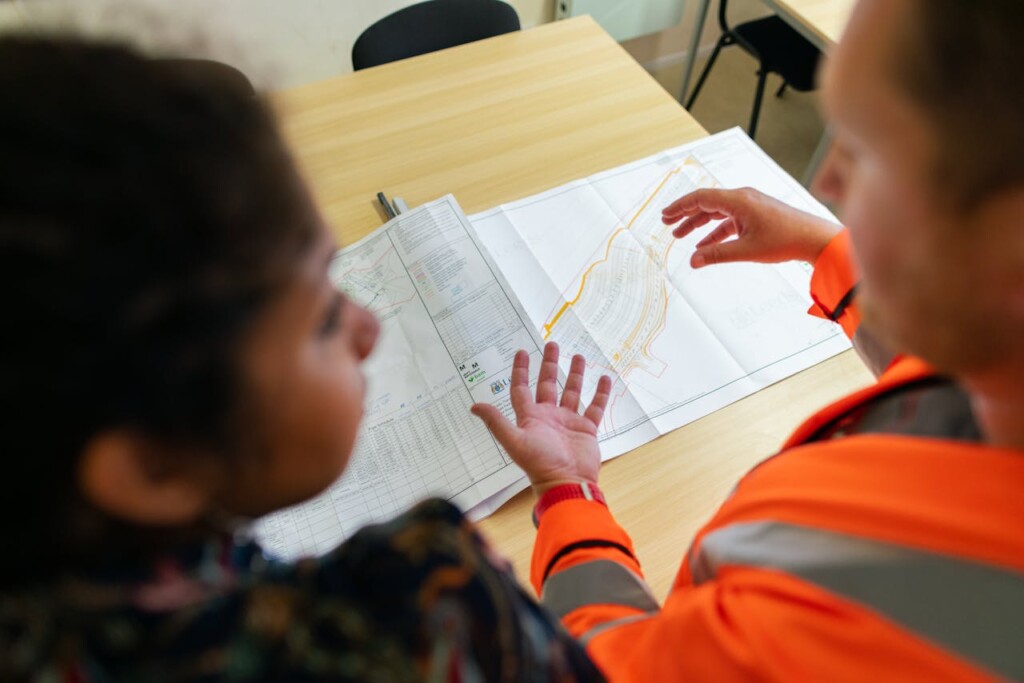
Zoning constraints significantly affect where warehouse conversion construction can occur across the Dallas-Fort Worth region. Light industrial zoning designations remain limited in jurisdictions like Plano, restricting the inventory of sites available for logistics and warehouse conversion programs. This scarcity requires construction teams to evaluate existing office and retail properties more rigorously, determining whether underlying zoning supports intended industrial uses or necessitates rezoning through municipal approval processes.
Performance-based incentive structures demonstrate how cities frame public support for conversion construction projects. Plano’s $750,000 grant program establishes specific completion milestones tied to delivering minimum square footage thresholds of 300,000 square feet across manufacturing, industrial, office, or research and development classifications, combined with $21 million in total improvements completed by December 2026. These frameworks show how municipalities link financial support to measurable construction outcomes, creating accountability mechanisms that align public investment with development goals.
Site Operations And Storage Compliance
Rear-load warehouse configurations and trailer parking infrastructure must comply with local zoning allowances governing outdoor storage activities and traffic impact assessment requirements. Construction projects planning dedicated trailer stall areas need to verify that municipal codes permit outdoor storage operations and associated heavy truck traffic patterns. Construction teams coordinate these operational elements during early design phases to avoid conflicts with adjacent land uses or circulation capacity constraints.
Local ordinances frequently restrict outdoor storage activities near residential zoning districts or mandate additional buffering and screening construction measures. The Irving warehouse conversion demonstrates how sites can accommodate up to 70 trailer parking positions and outdoor storage across an additional 2.4-acre area when zoning classifications permit these industrial activities.
Infrastructure Capacity And Neighborhood Context
Water and sewer infrastructure capacity constraints can limit conversion construction feasibility, particularly in areas experiencing rapid growth or served by aging utility systems. Community discussions around potential warehouse conversions in areas like Hutchins highlight how infrastructure limitations intersect with neighborhood concerns about proposed industrial uses near major highway corridors. These capacity issues require early coordination with utility providers to determine whether existing systems can support increased demand from converted facilities without requiring costly infrastructure upgrades.
Public sentiment around conversion construction projects varies based on proposed use intensity, traffic generation levels, and compatibility with surrounding residential neighborhoods. Construction teams assess these factors during initial site evaluation to understand potential community opposition and identify design strategies that address neighborhood concerns while meeting project performance requirements.
Historic Preservation Programs And Tax Credit Mechanisms
Historic tax credit programs provide financial advantages for older warehouse conversion construction when buildings qualify under state and federal preservation frameworks. Dallas residential loft projects demonstrate how historic designations can offset renovation construction costs through tax benefit structures. These programs typically require maintaining specific architectural features and following approved rehabilitation construction standards.
Historic preservation programs become particularly valuable for warehouse conversions that retain original industrial architectural character while adapting interior spaces for modern use programs. Construction teams evaluate potential historic designations early in project planning to determine whether tax benefits justify additional compliance requirements and design constraints associated with preservation construction standards.
Residential Loft Market Analysis: Demand Signals Informing Conversion Construction Feasibility
The Dallas residential loft market provides clear demand signals for construction teams considering warehouse-to-residential conversion projects. Understanding current pricing trends, buyer preferences, and geographic concentration patterns helps assess the construction viability of residential adaptive reuse initiatives.
Loft Construction Categories And Market Positioning
Three distinct loft construction typologies dominate the Dallas market, each requiring different construction approaches and targeting specific buyer segments. Historic warehouse conversions retain original brick masonry, exposed structural timber beams, and industrial building systems that define authentic loft living experiences.
Soft lofts represent newer construction with loft-inspired interior aesthetics, more finished wall surfaces, and contemporary building amenities. High-rise lofts occupy modern tower structures with comprehensive building amenity packages and concierge services.
Each typology demands differentiated construction strategies. Historic conversions prioritize preserving character-defining architectural elements while upgrading building systems to modern performance standards. Soft loft construction allows greater flexibility in spatial layout and finish selection. High-rise loft construction emphasizes amenity integration and view optimization over industrial material authenticity.
Geographic Demand Concentration Patterns
Five core Dallas neighborhoods drive residential loft demand, forming geographic clusters that inform conversion construction site selection strategies. Downtown Dallas anchors the market with established warehouse conversion inventory and pedestrian-oriented urban amenities.
Deep Ellum attracts buyers seeking authentic industrial architectural character and proximity to entertainment district uses. Uptown and Victory Park appeal to professional demographics prioritizing luxury amenities and corporate campus proximity.
The Cedars District offers more accessible price points while maintaining urban neighborhood character. The Farmers Market District provides mixed-use environments integrating retail and dining programming. Construction teams evaluate conversion sites based on their positioning relative to these established loft market corridors.
Pricing Benchmarks And Construction Feasibility Metrics
Dallas loft pricing provides construction feasibility benchmarks for conversion project analysis. Entry-level loft units typically start around $250,000, establishing minimum market pricing expectations for converted residential units.
Historic warehouse conversions in Deep Ellum and Downtown commonly range from $300,000 to $600,000, representing the core market segment for adaptive reuse construction. Premium high-rise loft units exceed $750,000 and can reach over $1,000,000 for luxury configurations with skyline views and comprehensive amenity packages.
These pricing ranges inform construction budget development and target demographic identification. Mid-range historic conversion construction often provides optimal balance between construction costs and market absorption for warehouse adaptive reuse projects.
Operating Cost Structures And Financial Considerations
Homeowners association (HOA) fees significantly impact loft affordability and buyer qualification capacity, ranging from approximately $250 to over $1,000 monthly depending on building amenity levels and service provisions. Construction teams factor these ongoing operating costs into market analysis and unit pricing strategies during project planning.
Conventional financing mechanisms remain standard for most loft purchases. Jumbo loan thresholds apply at higher price points, shaping qualified buyer pools for luxury conversion construction projects.
Historic building designations may qualify for tax benefit programs that improve both developer construction economics and buyer purchase appeal. Construction teams investigate these program opportunities early in conversion planning processes to maximize project financial viability and market competitive positioning.
Strategic Construction Recommendations For Dallas Warehouse Conversions
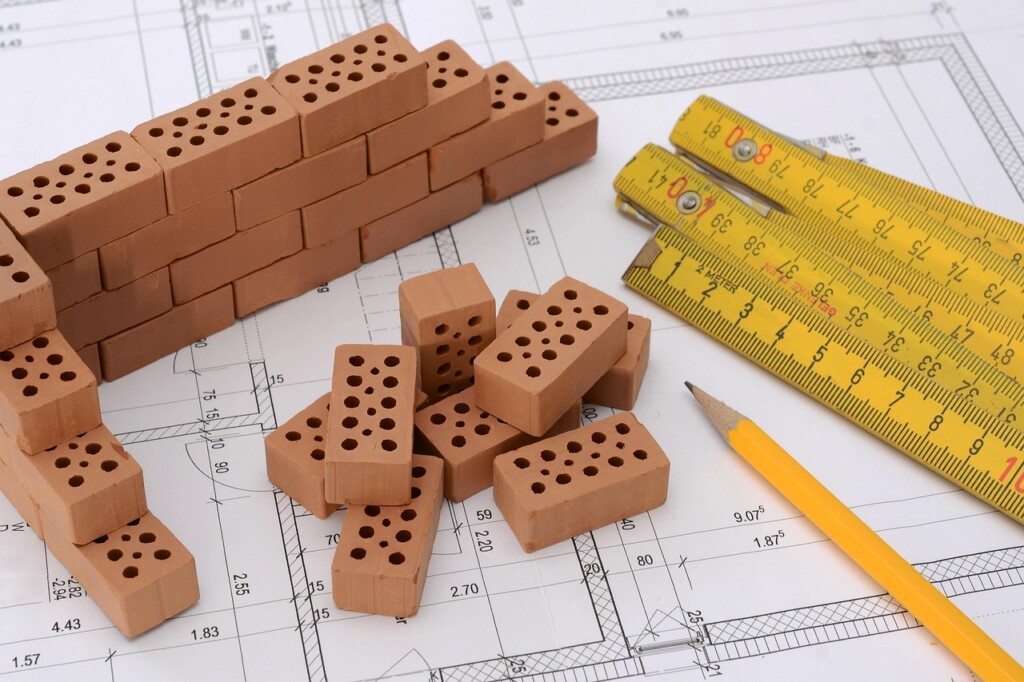
Dallas-area warehouse conversion construction demonstrates that adaptive reuse strategies can serve multiple market sectors simultaneously. Whether developing industrial logistics facilities in Irving corridors, boutique office spaces in the Design District, or residential lofts in Deep Ellum, successful construction projects share common strategic frameworks that guide project delivery approaches across the metropolitan region.
Contact EB3 Construction to discuss how our team can evaluate and execute warehouse conversion construction opportunities throughout the Dallas market.