
Americans spend more than $96 billion annually on coffee, and 79% of that spending occurs outside the home. This sizable market creates compelling opportunities for café owners who manage the construction process well.
A coffee shop build-out in Houston covers design, floor plan, and construction from concept to completion. We balance aesthetics with accessibility while planning traffic flow in the dining area and behind the counter. Project managers typically oversee contractors and coordinate trades to keep owners informed at each stage of development.
How Should Planning And Pre-Construction Start For A Houston Coffee Shop Build Out?
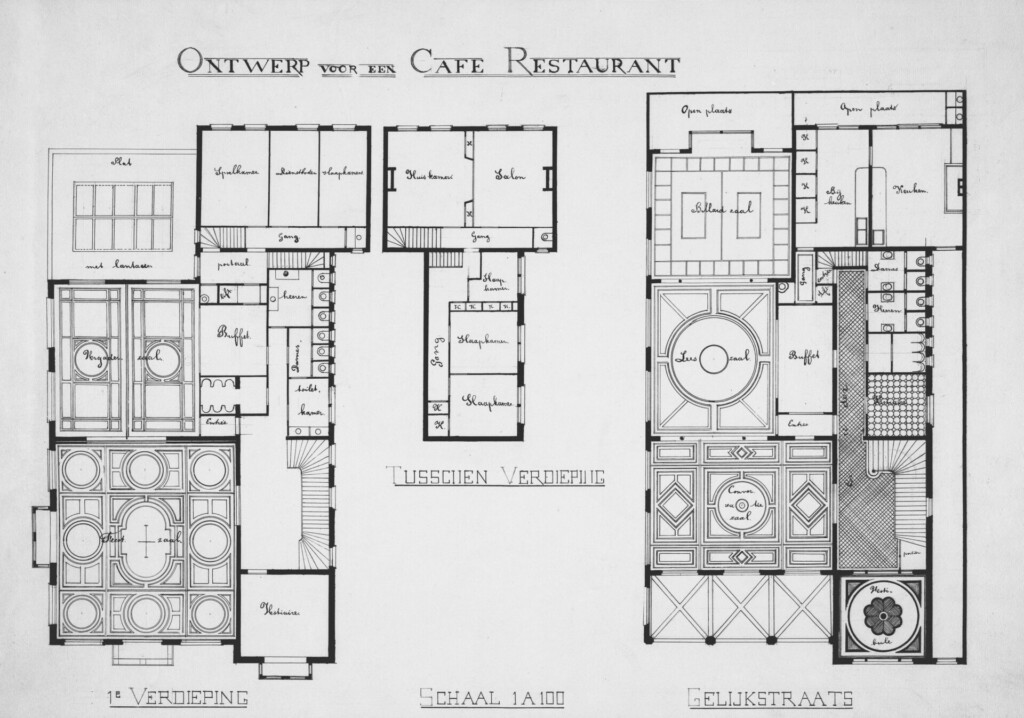
Commercial construction consulting lays the foundation for your coffee shop build-out. This first step clarifies your project scope, connects you with qualified professionals, and addresses funding before construction begins. We coordinate these early decisions to prevent delays and unexpected costs later in the process.
Engage an architect and contractor early to establish accurate estimates for mechanical, electrical, and plumbing (MEP) systems. These MEP requirements often represent significant portions of your build-out budget and influence space design choices. Early engagement enables value engineering and helps negotiate whether your landlord will contribute to tenant improvement costs or finance specific remodeling elements.
Location validation through zoning and land-use checks and traffic counts provides concrete data for financial projections. During peak morning hours, approximately 1.5% of vehicles passing drive-through locations convert to customers, while high foot-traffic areas see roughly 5% of pedestrians enter coffee shops. These metrics help validate location viability and support lease negotiations with landlords.
Budget planning requires careful attention to both upfront and ongoing costs. Keep monthly rent near 15% of projected sales to maintain healthy margins. Plan cash reserves to cover your complete build-out plus at least six months of operating expenses. This buffer accounts for construction delays, permit processing time, and a gradual customer ramp-up after opening.
We coordinate trades and manage schedules from project start to finish. Our role includes permit applications, subcontractor scheduling, material procurement, and regular owner updates throughout construction. This coordinated approach keeps your project on schedule while ensuring compliance with Houston building codes and health department requirements.
What Space, Floor Plan, And Workflow Factors Matter Most?
Your coffee shop’s square footage should align with your service model and customer flow patterns. A standalone drive-thru can operate efficiently in roughly 100–300 square feet, focusing purely on order processing and beverage preparation. Drive-thru coffeehouses that include limited indoor seating typically require up to 1,500 square feet to accommodate both service modes effectively.
Walk-in cafés present the widest range of spatial requirements, spanning roughly 300–1,800 square feet, depending on seating density, menu complexity, and foot traffic expectations. Compact urban locations might maximize efficiency at 600–800 square feet, while suburban cafés with extensive seating and community-focused programming can justify larger footprints.
Designing for Customer Flow and Staff Efficiency
An effective coffee shop floor plan creates intuitive pathways that guide customers from the entrance to ordering and pickup without creating bottlenecks. The ordering counter should be visible immediately upon entry, with clear sightlines to menu boards and display cases. Queue areas need enough space to prevent congestion during peak hours while maintaining smooth traffic flow to seating areas.
Behind-the-counter workflow design directly impacts service speed and staff safety. We position espresso machines, grinders, and refrigeration units within a barista’s natural reach to minimize unnecessary movement. The bar layout should allow multiple staff to work simultaneously without crossing paths and include dedicated stations for drink preparation, food handling, and order fulfillment.
Accessibility considerations must be integrated from the planning phase, ensuring minimum aisle widths of 36 inches and appropriate counter heights. These choices enhance the experience for all customers while meeting ADA requirements that protect your investment.
Balancing Form and Function
Natural light transforms coffee shop environments, creating inviting spaces that encourage longer visits and repeat customers. Large windows reduce daytime lighting costs and provide visual connections to the surrounding neighborhood, building community engagement.
Flexible room configurations allow spaces to adapt throughout the day and for special events. Movable furniture, modular seating arrangements, and adaptable lighting systems enable cafés to shift from morning efficiency mode to an evening social atmosphere without major renovations.
A recent Houston Heights project demonstrates these principles in practice. The 3,000-square-foot warehouse conversion features three-wall glazing that floods the interior with natural light throughout the day. A dedicated lab space allows for coffee roasting and cupping demonstrations, while an outdoor deck with pergola extends seating capacity and creates an inviting neighborhood gathering spot, drawing foot traffic from the surrounding residential area.
How Do Costs, Rent, And Equipment Choices Impact A Houston Coffee Shop Build Out?
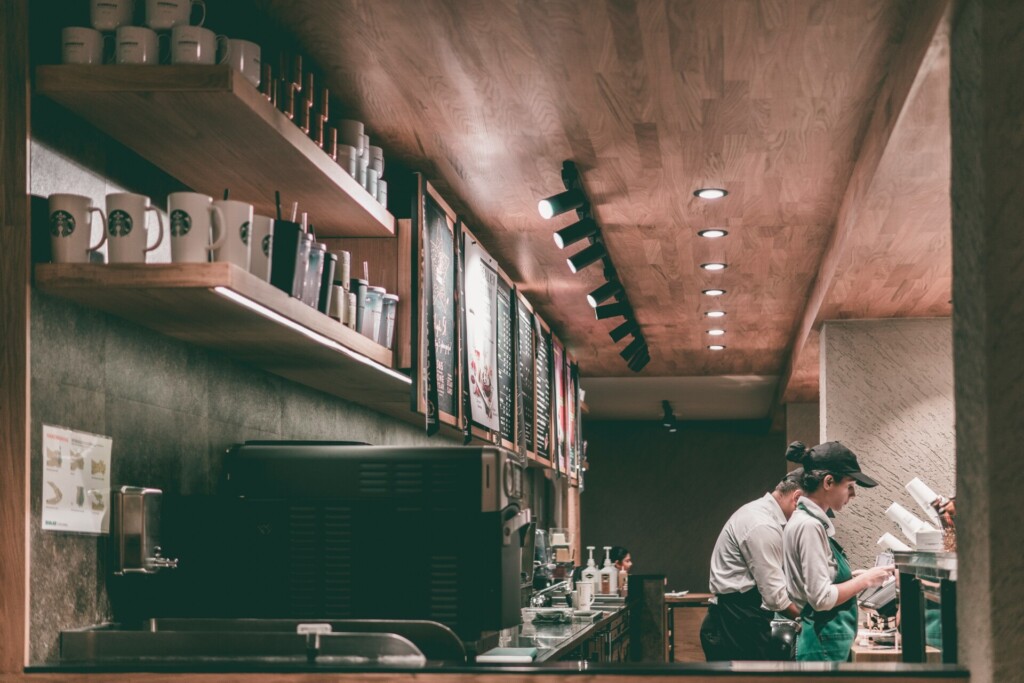
Square footage directly drives your build-out costs and equipment investments. A 500-square-foot café requires less electrical work and fewer refrigeration units than a 1,500-square-foot space. Build-out costs scale with size because larger spaces require more plumbing runs, additional HVAC capacity, and expanded electrical systems to support commercial coffee equipment.
You can structure budgets around the 15% rent rule to maintain healthy cash flow. If your projected monthly sales reach $21,000, your rent should not exceed $3,150. This ratio helps prevent overextending on real estate when other expenses such as equipment and labor also compete for capital.
Operating Costs and Budget Planning
Ingredients represent your largest ongoing expense at up to 40% of monthly sales. Quality coffee beans, dairy products, and syrups drive this cost category. A café generating $21,000 monthly might allocate $8,400 for ingredients while maintaining product standards that attract specialty coffee customers.
Payroll should stay at 30% of sales or less to preserve profitability. This includes wages, benefits, payroll taxes, and workers’ compensation coverage. Effective scheduling and cross-training help control labor costs while maintaining service quality during peak periods.
Equipment Selection and Reliability
Prioritize equipment reliability over initial cost savings because downtime directly impacts revenue. Commercial espresso machines, grinders, and batch brewers form the operational backbone of your café. Equipment failure during the morning rush can result in significant lost sales and customer dissatisfaction.
Water filtration systems protect equipment investments and maintain consistent coffee quality. Houston’s municipal water should be tested to determine filtration needs. Poor water quality shortens espresso machine lifespan and affects taste, making filtration a critical operational investment.
Refrigeration units, ice machines, and blenders support menu diversity and food safety compliance. We recommend commercial-grade equipment with service contracts to minimize unexpected repair costs and ensure consistent performance.
Professional Services and Operating Reserves
Budget for professional fees, including architects, attorneys, and accountants, who can navigate permit requirements and business setup. Utility connections, business licenses and permits, insurance premiums, and ongoing repairs require dedicated funding beyond construction costs.
Maintaining cash reserves covering build-out expenses plus six months of operating costs provides essential financial cushioning. This reserve handles unexpected construction overruns, equipment repairs, and the typical ramp-up period before achieving target sales volumes. Most independent coffee shops require this financial buffer to weather initial operational challenges and establish customer loyalty.
Which Delivery Path Fits Your Project: Interior Build-Out, Remodeling, Or New Construction?
Selecting the right construction approach depends on your site conditions, budget, and timeline. Each delivery method fits distinct project scenarios and offers specific advantages for café development. Understanding these differences helps developers and property owners make informed decisions that align with their business goals.
Interior Build-Out for Shell Spaces
Interior build-out transforms raw shell space or vacant suites into fully functional cafés. This approach works best when the existing structure has strong bones but requires complete interior development. We install new flooring, lighting, plumbing fixtures, and electrical systems, and we create a layout that supports your operational flow.
Shell spaces often come with basic utilities stubbed to the premises, which reduces infrastructure costs compared to ground-up construction. The existing envelope provides weather protection during construction, allowing interior work to proceed regardless of seasonal conditions. This method typically delivers earlier occupancy since we’re not waiting on structural work or exterior finishing.
Many successful community hub cafés start with interior build-outs in mixed-use developments or converted retail spaces. Existing foot traffic patterns and an established neighborhood presence can help build your customer base faster. We coordinate with landlords to ensure tenant improvements meet lease requirements and building standards.
Remodeling Existing Operations
Remodeling upgrades operating coffee shops to improve functionality, refresh aesthetics, or expand capacity. This approach requires careful phasing to minimize operational disruption while delivering meaningful improvements. We often work during off-hours or create temporary service areas to maintain revenue during construction.
Finish upgrades can transform customer perception without major structural changes. New countertops, updated lighting, fresh paint, and improved seating layouts create significant visual impact. Behind-the-counter improvements can include better equipment placement, added storage, and workflow adjustments that increase service speed.
Capacity expansion through remodeling often means reconfiguring existing square footage rather than adding new space. We might relocate the service counter to create more seating, add a second espresso station for peak periods, or convert underutilized areas into productive café space. These changes require careful analysis of traffic patterns and operational efficiency.
Ground-Up New Construction
New construction suits projects that require purpose-built layouts not achievable within existing structures. This approach provides complete design flexibility and allows optimal placement of utilities, equipment, and customer areas. We build exactly what your concept requires without compromising due to existing structural limitations.
Ground-up projects take longer and require higher initial investment, but they often deliver better long-term operational efficiency. Custom-designed spaces eliminate the compromises inherent in adapting existing buildings. Drive-thru configurations, specific ceiling heights for espresso equipment ventilation, and optimal natural light placement become achievable.
Site selection becomes critical with new construction since you’re not limited by existing building locations. We help evaluate sites for accessibility, visibility, parking adequacy, and utility availability. Proper site preparation and foundation planning ensure your café operates efficiently for decades.
Project Management Across All Delivery Paths
Coordinated oversight ensures quality execution regardless of the path you choose. We manage trade scheduling, material deliveries, and inspection coordination to keep projects moving efficiently. Regular owner updates provide transparency on progress, budget status, and any issues requiring decisions.
Tenant improvements and commercial interiors require specialized knowledge of building codes, accessibility requirements, and operational needs specific to food service. Our experience with café construction helps anticipate potential challenges and develop solutions before they impact schedules. We align construction activities with your business goals, whether that means a rapid opening, minimal disruption, or long-term operational efficiency.
Conclusion And Next Steps For A Coffee Shop Build Out In Houston
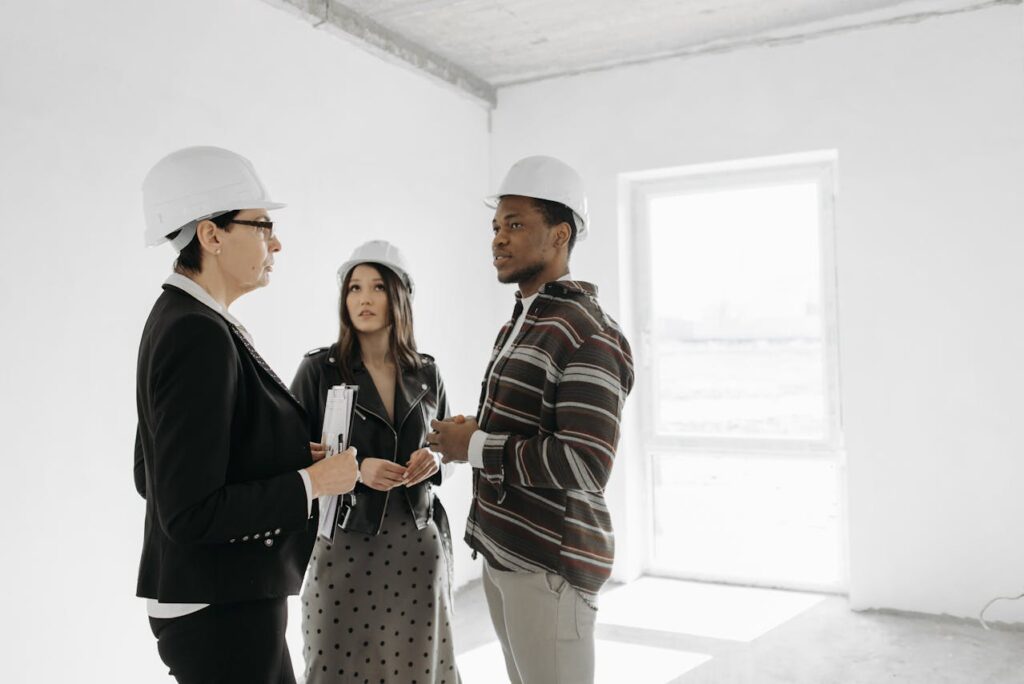
A successful coffee shop build-out in Houston starts with a clear concept and realistic financial projections. Run traffic counts during peak hours to validate your site selection, targeting areas where about 1.5% of passing vehicles and 5% of pedestrians are likely to visit your café.
Right-size your space based on your service model, and design the floor plan for intuitive customer flow and efficient staff workflow. Plan MEP systems early to avoid costly delays and ensure your electrical, plumbing, and HVAC can handle your equipment loads. Choose durable, reliable equipment from reputable manufacturers, and maintain adequate cash reserves to cover your initial build-out costs plus six months of operating expenses. Select your project approach based on your timeline, budget, and operational needs, whether that means an interior build-out of existing space, remodeling an established café, or new construction from the ground up. Throughout the process, coordinated project management keeps trades on schedule and owners informed, ensuring your Houston coffee shop build-out delivers on time and within budget.
Ready to move forward with your Houston coffee shop build-out? Contact EB3 Construction to discuss how we can coordinate your project from concept to completion.