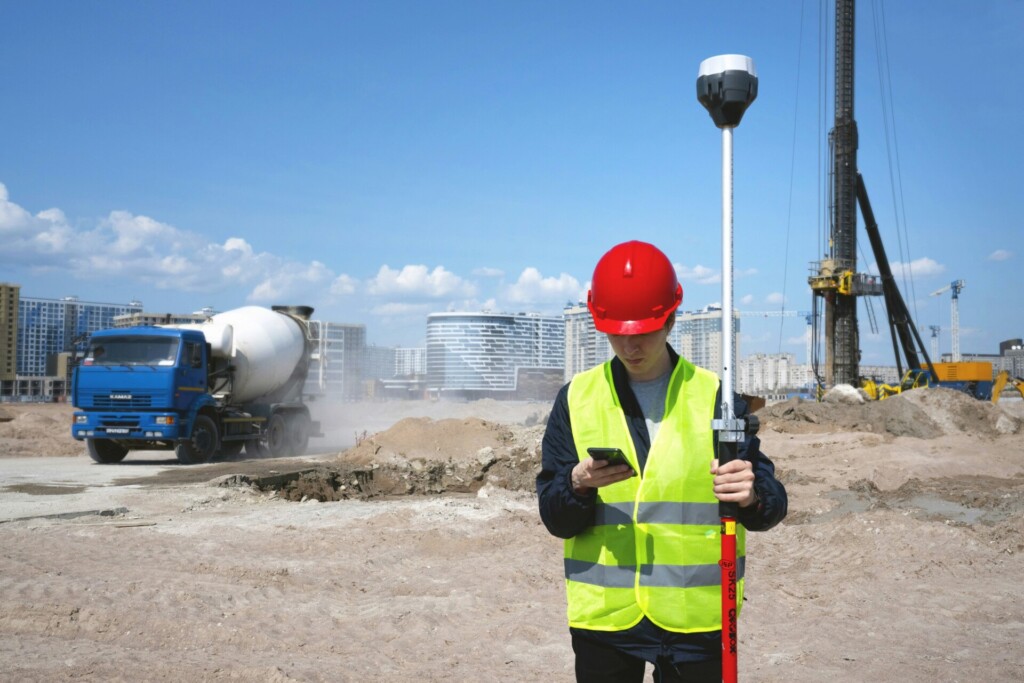
When severe weather strikes Dallas, property damage demands immediate action. Water from burst pipes can flood entire floors within minutes. Fire damage requires rapid site stabilization to prevent further structural compromise.
We manage urgent construction needs with 24/7 emergency support and designated crews trained for rapid response. Our teams handle temporary repairs, water extraction, structural drying, and roof tarping to prevent further damage. Strategic scheduling ensures we mobilize quickly, coordinating with insurance adjusters to reduce downtime and minimize losses across the Dallas–Fort Worth metroplex.
Which Project Types And Markets Need Rapid Mobilization?
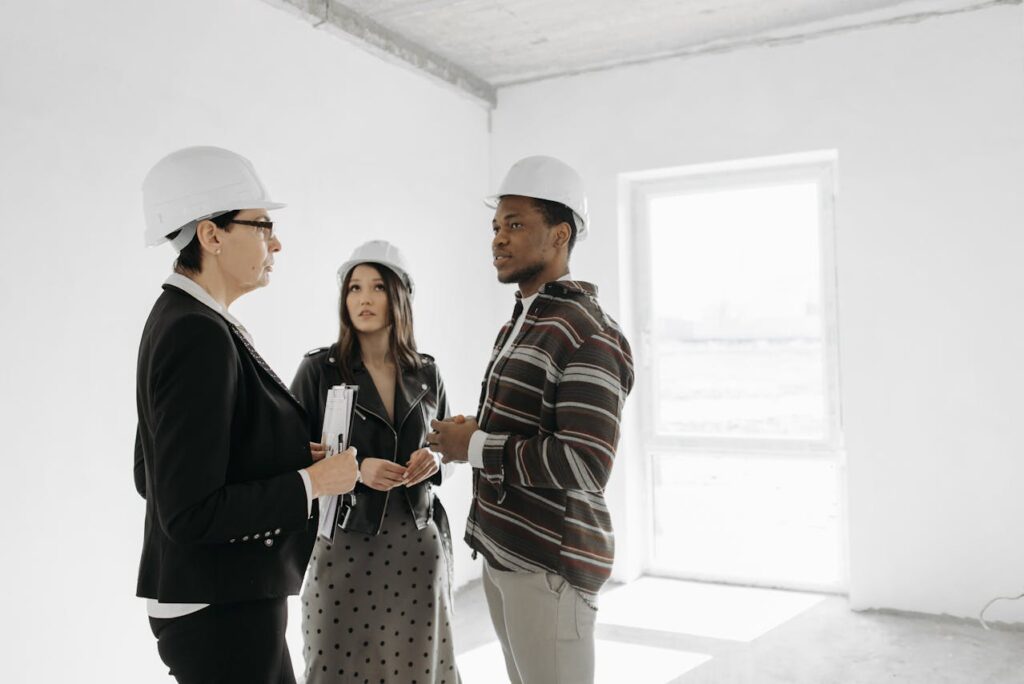
New construction projects often require rapid mobilization when developers secure unexpected financing or need to meet lease commitments. Expansion projects often require quick action to address capacity constraints or seize market opportunities. Tenant interiors frequently operate on compressed schedules tied to lease commencements or business relocations.
Commercial sectors drive the highest demand for rapid mobilization services. Offices require fast turnarounds for lease transitions and corporate relocations. Banks need an immediate response for regulatory compliance upgrades or security system installations. Retail spaces demand swift action during seasonal buildouts and store renovations that cannot afford extended closures.
Industrial and Warehouse Markets
Warehouse facilities often require rapid mobilization for distribution center expansions during peak seasons. Self-storage developments often face compressed construction windows between land acquisition and occupancy deadlines. Industrial sites require an immediate response for equipment installations and manufacturing line modifications that affect production schedules.
Healthcare facilities present unique scheduling demands driven by patient care continuity. Multi-family properties face strict lease-up timelines that require coordinated construction phases. We coordinate these complex schedules through integrated project teams that maintain constant communication between trades and stakeholders.
DFW Market Sectors
Hotels across the Dallas-Fort Worth metroplex require a rapid response for renovation projects that minimize guest disruption. Municipal facilities often face budget-driven deadlines that compress traditional construction timelines. Mixed-use developments demand coordinated mobilization across multiple building types within a single project site.
Restaurant construction operates on particularly tight schedules due to lease obligations and seasonal opening targets. K-12 education buildings operate within summer construction windows that allow minimal schedule flexibility. Higher education projects often coordinate with academic calendars that create non-negotiable completion dates.
We approach these time-sensitive projects through customized partnerships that align our resources with each sector’s specific requirements. Our integrated leadership structure enables rapid decision-making from initial mobilization through project completion, supporting developments of any scale across the DFW market.
How Does Emergency Response and Restoration Proceed?
Emergency response begins with immediate site security and temporary repairs to prevent further damage. Our teams mobilize within hours to establish safety perimeters and implement containment measures to protect property and personnel. This initial phase prioritizes stopping ongoing damage over permanent fixes.
We coordinate interior and exterior cleanup operations to remove debris and hazardous materials from affected areas. Water extraction takes priority when moisture threatens structural integrity or increases mold risk. Industrial-grade pumps and vacuums remove standing water, while moisture detection equipment identifies hidden water pockets behind walls and under flooring.
Structural Drying and Environmental Control
After water removal, we begin structural drying with commercial dehumidifiers and high-velocity air movers positioned strategically throughout the space. We monitor moisture levels daily with precision instruments to track drying progress and prevent secondary damage. This process typically requires 3 to 7 days, depending on the extent of saturation and the building materials involved.
Environmental controls maintain optimal conditions for rapid moisture removal while preventing mold growth. Our teams adjust equipment placement and settings based on real-time humidity readings and structural moisture content. Temperature and airflow management accelerate the drying process without compromising building materials.
Roof Protection and Structural Stabilization
Roof tarping provides immediate weather protection for compromised building envelopes. We install commercial-grade tarping systems engineered to withstand additional storms while we plan and execute permanent repairs. These temporary measures prevent further water intrusion that could spread damage to previously unaffected areas.
Structural stabilization addresses compromised load-bearing elements and safety hazards. Our teams assess structural integrity and implement temporary shoring as needed to maintain building safety during restoration. This work often requires coordination with structural engineers and building officials to ensure code compliance.
Mechanical Systems and Utility Coordination
We keep mechanical contractors on standby for plumbing, electrical, and HVAC emergencies that require immediate attention. These specialists respond within hours to restore critical building systems or implement safe shutdowns where repairs are needed. Electrical systems receive priority attention due to safety risks in water-damaged environments.
HVAC systems require careful evaluation after water damage to prevent contaminated air circulation. We coordinate with mechanical contractors to inspect ductwork, replace filters, and sanitize systems before restarting. This work often reveals hidden moisture problems that could compromise indoor air quality if overlooked.
Insurance Coordination and Documentation
Close collaboration with insurance adjusters helps us reach fair settlements while maintaining project momentum. We provide detailed photo documentation and moisture mapping data that substantiate damage claims and restoration scope. Our reports follow industry standards that adjusters recognize and accept without extensive review delays.
The claims process benefits from our experience with insurance requirements and documentation protocols. We prepare comprehensive estimates using industry-standard software and coordinate adjuster site visits to expedite claim approval. This approach typically results in faster settlements and fewer coverage disputes.
Storm tracking software and proactive maintenance programs improve our readiness for severe weather events. These tools help us pre-position equipment and coordinate crew scheduling based on weather forecasts. A checklist-driven process ensures consistent quality and completeness across all emergency response projects.
What Delivery Methods Support Urgent Timelines?
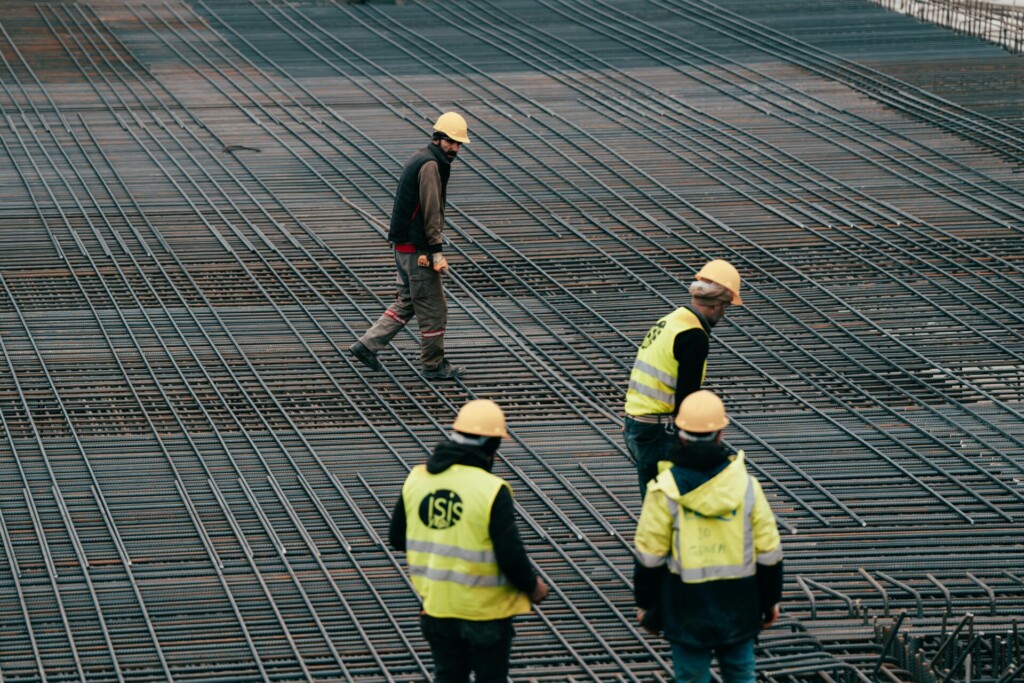
When urgent construction needs arise in Dallas, selecting the right project delivery method can make the difference between meeting critical deadlines and costly delays. We rely on proven delivery approaches that align the schedule, budget, and execution from the start. The most effective methods for time-sensitive projects combine early contractor involvement with streamlined decision-making.
Fast-Track Delivery Methods
Design-Build is one of the most effective delivery methods for urgent timelines. This approach allows us to begin construction while design work continues on later phases, eliminating the traditional sequential delays of design-bid-build projects. The single point of responsibility accelerates communication and reduces layers of approval that can slow emergency response work.
Construction Management delivery methods offer similar time advantages through early contractor engagement. We work alongside design teams during preconstruction, providing immediate feedback on constructability, scheduling, and cost implications. This collaboration prevents design changes during construction that could derail tight timelines.
Hard Bid approaches work well for straightforward emergency repairs where the scope is clearly defined. The competitive bidding process moves quickly when project requirements are specific and well-documented. Cost Plus arrangements provide flexibility for evolving emergency situations where the full scope becomes clear only as work progresses.
Preconstruction Planning for Speed
Conceptual estimating during preconstruction phases helps lock in budgets early, preventing delays from cost approvals later in the project. We establish realistic project costs before the detailed design is complete, allowing owners to make informed decisions about scope and schedule trade-offs.
Early material procurement and subcontractor selection occur simultaneously with design development. This parallel approach can cut weeks from traditional project schedules. We identify long-lead items immediately and place orders while design work continues on other project elements.
Value engineering during preconstruction identifies cost-effective alternatives that maintain schedule performance. Rather than redesigning completed work, we optimize systems and material selections upfront when changes have minimal schedule impact.
Construction Execution Strategies
Fabrication and installation sequencing becomes critical under urgent timelines. We prefabricate building components off-site while site preparation proceeds, then coordinate delivery and installation to minimize field assembly time. This approach works particularly well for steel structures, mechanical systems, and modular building elements.
Concrete construction requires careful scheduling in emergency work. We coordinate concrete pours around weather conditions and curing requirements to maintain project momentum. Ready-mix suppliers and finishing crews stay on standby for optimal placement windows.
Risk management protocols help prevent delays that compound under tight schedules. We implement safety measures, quality controls, and contingency plans that keep work moving even when unexpected conditions arise. Daily progress meetings and real-time problem-solving prevent small issues from becoming major impacts on the schedule.
Integrated Leadership Approach
Capital improvements and maintenance plans integrate with emergency delivery methods to maximize efficiency. We coordinate immediate repairs with planned upgrades, reducing overall project duration and minimizing business disruption.
Integrated leadership from directors to trades ensures rapid decision-making throughout project execution. Clear authority levels and communication protocols prevent delays from approval bottlenecks. Field supervisors have authority to make immediate decisions within established parameters, keeping work moving without waiting for management approvals.
Engineering support remains available throughout construction to resolve technical issues quickly. Rather than sending questions through multiple approval layers, our project engineers work directly with field crews to solve problems in real time. This direct communication model proves essential when every day matters.
What Funding And Compliance Options Exist For Dallas Emergencies?
Dallas property owners facing construction emergencies can access specific municipal funding programs, though availability changes over time. The City’s Home Improvement & Preservation Program historically offered two options relevant to urgent repair needs.
Emergency Home Rehabilitation Program
The Emergency Home Rehabilitation program offered grants of up to $10,000 for qualifying emergency situations. Applications required proof that the emergency occurred within four days of applying and that it posed an immediate risk to life, health, or safety. The program targeted low- and moderate-income homeowners needing urgent repairs to address code deficiencies or structural issues.
Eligible work included interior and exterior repairs to water heaters, electrical systems, and other life-safety issues. The grants did not require repayment, making the program accessible to property owners without available credit or cash reserves during a crisis.
Major-Systems Repair Program
The Major-Systems Repair Program provided forgivable loans of up to $24,000. Coverage included mechanical systems such as HVAC replacement, electrical repairs and upgrades, plumbing rehabilitation, roof repairs, and structural modifications. Qualified homeowners did not have to repay if program conditions were met.
Program guidelines required clear property ownership for at least six months, primary-residence status, and household income at or below 80% of the Area Median Income (AMI). The scope included major system failures common in emergencies, from storm-damaged roofs to failed heating systems during extreme weather.
Current Program Status
According to the official Dallas City Hall program page, the Home Improvement & Preservation Program is currently closed and not accepting new applications. Property owners should verify current availability directly with Dallas City Hall before pursuing municipal funding for emergency repairs.
We coordinate with insurance adjusters throughout restoration projects to support accurate damage assessment and timely claim processing. This collaboration helps property owners navigate municipal programs and private insurance coverage while maintaining project momentum during urgent repair situations.
Conclusion And Next Steps
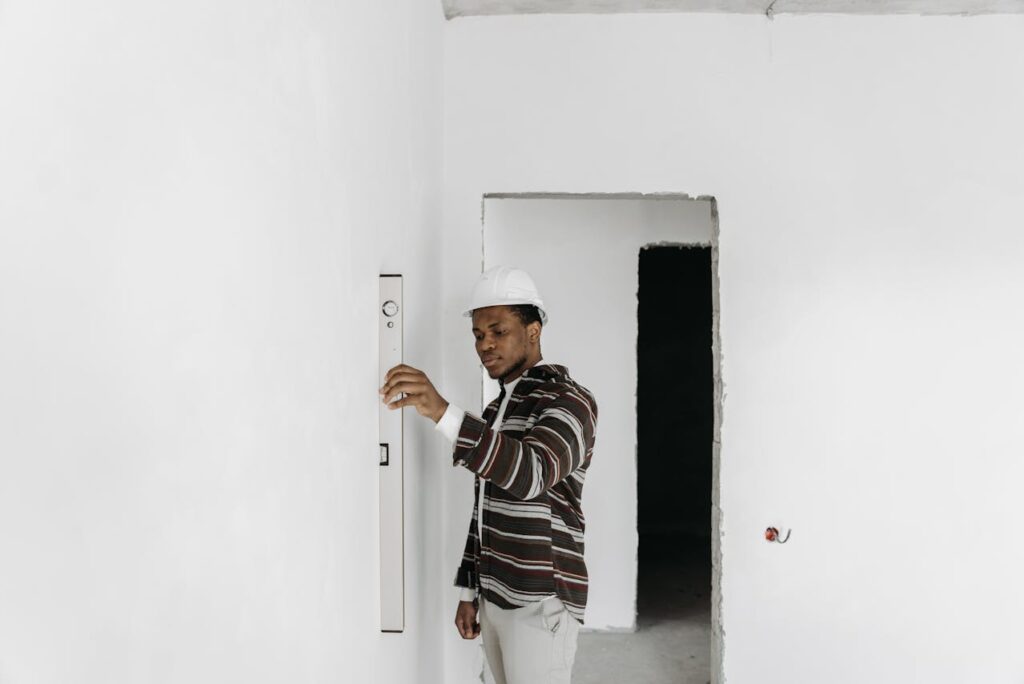
The urgent construction needs facing Dallas property owners require immediate action and a coordinated response. We secure sites first, document all damage thoroughly, and prioritize water extraction and structural drying to prevent secondary issues. Our integrated leadership structure ensures decisions move quickly from project directors to field trades, keeping projects on schedule even under emergency conditions.
Next steps include verifying current City program availability and assembling documentation for required repairs. Early insurance coordination accelerates claim processing and reduces property downtime. We deploy dedicated crews trained in emergency protocols across healthcare, industrial, and commercial sectors throughout the DFW region. Our emergency processes integrate temporary repairs with strategic planning to restore operations while minimizing business interruption and protecting long-term property value.
Contact EB3 Construction for immediate emergency response and construction services.