
Fort Worth project owners need construction teams that deliver reliable results within firm budgets. When evaluating top construction management in Fort Worth, priorities often include Construction Manager at Risk (CMAR) capabilities, proven preconstruction support, and experience across local project types.
We provide full-service construction management, including design-build, preconstruction services, and general contracting support throughout the Dallas–Fort Worth market. Our approach combines hundreds of completed projects with established trade partner relationships, supporting reliable project delivery across diverse building sectors and structural systems.
How Does Construction Manager At Risk (CMAR) Benefit Fort Worth Owners?

Construction Manager at Risk (CMAR) delivers collaborative project management from design through completion. We serve as consultants throughout the design phase, bringing construction expertise directly into planning decisions. This early involvement builds a partnership that traditional delivery methods rarely match.
The CMAR approach gives owners clearer insight into project timelines and the trade partner selection process. Instead of waiting until design is complete to engage construction expertise, owners access our scheduling knowledge and contractor relationships during design. This visibility helps identify potential conflicts and coordination challenges before they affect the project schedule.
Guaranteed Maximum Price (GMP) Provides Cost Certainty
A guaranteed maximum price can be established during design development, giving owners firm cost control even as design details continue to evolve. The GMP acts as a cost ceiling that protects against market fluctuations and provides budget certainty for financing and planning. We work with design teams to establish realistic pricing based on current market conditions and our trade partner relationships.
The GMP structure shifts cost risk from the owner to the construction manager. If actual costs exceed the guaranteed maximum, we absorb the difference. This arrangement gives owners financial protection while preserving flexibility to refine design elements within the established budget framework.
Preconstruction Services Add Project Value
Strong preconstruction support delivers measurable value through design input, value engineering, sustainable construction practices, and life-cycle cost analysis. Our team reviews plans for constructability issues, suggests cost-effective alternatives, and identifies opportunities to enhance building performance. These services help optimize both initial construction costs and long-term operational expenses.
Cost estimating during design allows for real-time budget adjustments and informed decision-making. We provide detailed estimates as design progresses, enabling owners to make value-based choices about materials, systems, and finishes. This ongoing cost feedback prevents budget surprises and supports strategic planning throughout the design process.
Design-phase collaboration creates opportunities for faster project delivery through parallel design and procurement activities. We can begin trade partner selection and long-lead procurement while design work continues. This coordinated approach can compress overall project schedules and accelerate occupancy timelines for Fort Worth developments.
Which Delivery Methods Should Fort Worth Teams Compare?
Fort Worth owners evaluating construction approaches typically compare four primary delivery methods. CMAR sits alongside Design-Build, Integrated Project Delivery, and EPC services as options for different project types and owner preferences.
Design-Build combines architectural and engineering design with construction performance under one contract. This approach offers faster project completion by allowing construction to begin while later design phases continue. The design-build team handles both design development and construction execution, providing owners with a single point of contact throughout the process.
Integrated Project Delivery requires collaboration among the primary parties through multi-party contracts. IPD aligns owner, designer, and builder interests by sharing risk, responsibility, and liability. This method emphasizes early team formation and shared financial incentives to achieve project goals.
EPC services integrate engineering, procurement, and construction functions under one contractor. This delivery method is particularly effective for manufacturing and industrial projects where specialized equipment procurement and commissioning are critical components. The EPC contractor manages technical design, equipment sourcing, and construction coordination.
Delivery method comparison guides provide structured frameworks for evaluating these options. These resources outline key factors, including project control levels, risk allocation approaches, and timeline implications. CMAR checklists help owners assess specific requirements for construction management services, guaranteed maximum price structures, and preconstruction involvement.
We recommend using systematic evaluation tools to align delivery methods with project goals. Compare cost transparency requirements across methods, since CMAR typically offers more owner control over individual trade contracts than Design-Build. Consider collaboration needs, as IPD demands higher owner engagement than traditional approaches. Evaluate budget alignment preferences, recognizing that guaranteed maximum prices work differently in CMAR versus lump-sum Design-Build contracts.
What Fort Worth Project Types Drive Construction Management Needs?
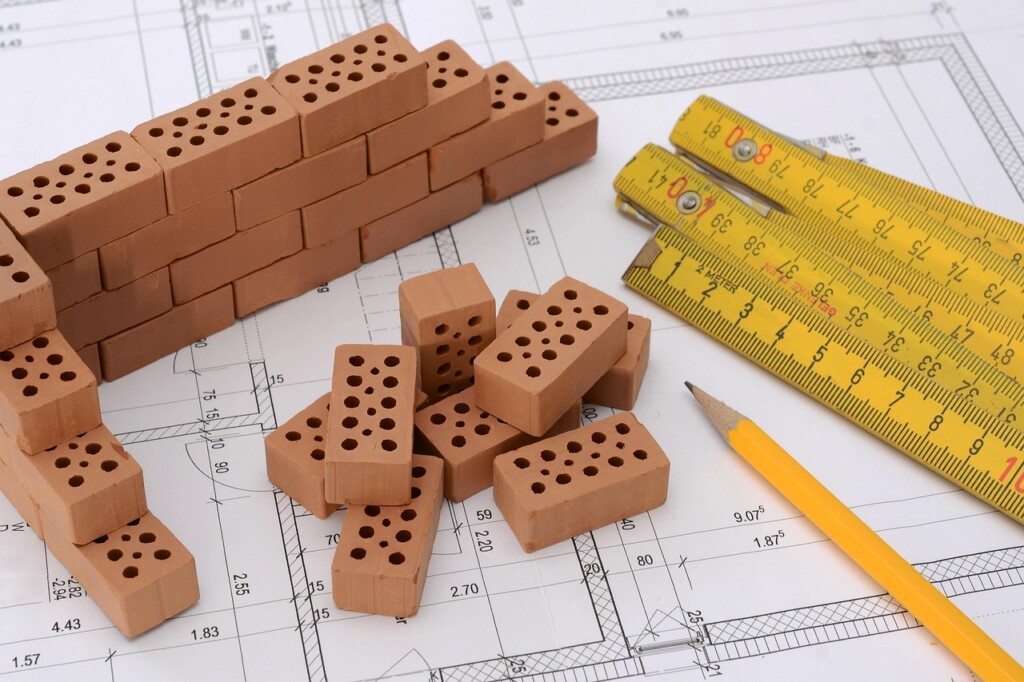
Fort Worth’s construction landscape covers numerous sectors, each presenting distinct project management challenges. The local market remains particularly active in multifamily and higher education development. These sectors range from wood-frame apartment complexes to concrete-tower dormitories.
Multifamily construction dominates much of the DFW market activity. Wood-frame structures handle most mid-rise residential projects, while concrete-tower construction supports high-density developments in urban corridors. Higher education facilities require specialized coordination for research labs, lecture halls, and student housing complexes.
Core Market Sectors
K–12 educational facilities generate steady construction demand across Fort Worth’s growing suburbs. These projects typically involve multiple phases to accommodate ongoing school operations. Municipal projects include fire stations, libraries, and administrative buildings that require careful public coordination.
Commercial construction encompasses office buildings, retail centers, and mixed-use developments. Industrial projects range from manufacturing facilities to distribution warehouses serving the region’s logistics networks. Healthcare construction includes medical office buildings, specialty clinics, and hospital expansions.
Specialized Project Categories
Nonprofit construction covers community centers, food banks, and social service facilities. These projects often involve value engineering to maximize community benefit within tight budgets. Retail and entertainment venues require specialized systems for customer experience and operational efficiency.
Faith-based construction includes churches, community centers, and educational wings. These projects frequently involve volunteer coordination alongside professional trades. We coordinate phased construction to maintain worship services during building expansions.
Our construction portfolio reflects this sector diversity across the DFW market. We manage office buildings for corporate tenants, automotive service facilities, restaurant buildouts, warehouse expansions, and community facilities. Each project type brings specific code requirements, structural considerations, and coordination challenges that shape our construction management approach.
How Can Rankings And Local Signals Inform Your Short List?
Industry publications track construction management-for-fee performance with annual rankings that give Fort Worth owners baseline screening criteria. ENR rankings categorize firms by revenue and project types, offering data points on scale and market presence. These lists include companies with documented Fort Worth operations and regional project experience.
Local business publications often highlight workplace recognition and community involvement that signal company culture and stability. Awards for safety performance, employee satisfaction, or industry leadership add context beyond revenue figures. Fort Worth-based recognition can indicate familiarity with local building codes, permitting processes, and municipal requirements.
Rankings are useful starting filters but still require deeper analysis for project-specific needs. Construction management-for-fee revenue reflects experience representing owner interests without construction risk exposure. However, these figures don’t reveal Construction Manager at Risk (CMAR) capabilities, which involve Guaranteed Maximum Price (GMP) commitments and delivery responsibility.
Effective screening combines ranking data with targeted evaluation criteria. CMAR expertise matters most when selecting a delivery method, while a firm’s GMP approach reveals its cost management philosophy. Preconstruction depth demonstrates early-phase value through constructability reviews and design input. Schedule planning capabilities show coordination skills across design and construction phases.
Trade partner strategy is critical in the Dallas-Fort Worth market, where subcontractor relationships influence project outcomes. Firms with established local networks often secure better pricing and faster mobilization. This local knowledge complements ranking performance but still requires direct verification through reference checks and portfolio reviews.
Conclusion And Next Steps
Successful project delivery starts with clear goals and methodical decision-making. Begin by defining your project scope, budget parameters, and timeline requirements. These fundamentals guide subsequent choices regarding delivery method, team selection, and contract structure.
Use delivery method checklists to compare CMAR with Design-Build, IPD, and other approaches. Focus on how each method aligns with your risk tolerance and collaboration preferences. Ask specific questions about GMP timing during design, value engineering opportunities, and life-cycle cost analysis. Review each candidate’s local experience with your building type and structural system—whether wood frame, concrete, or steel.
Ready to build your Fort Worth project with experienced construction management? Contact EB3 Construction to discuss your preconstruction needs and project goals.