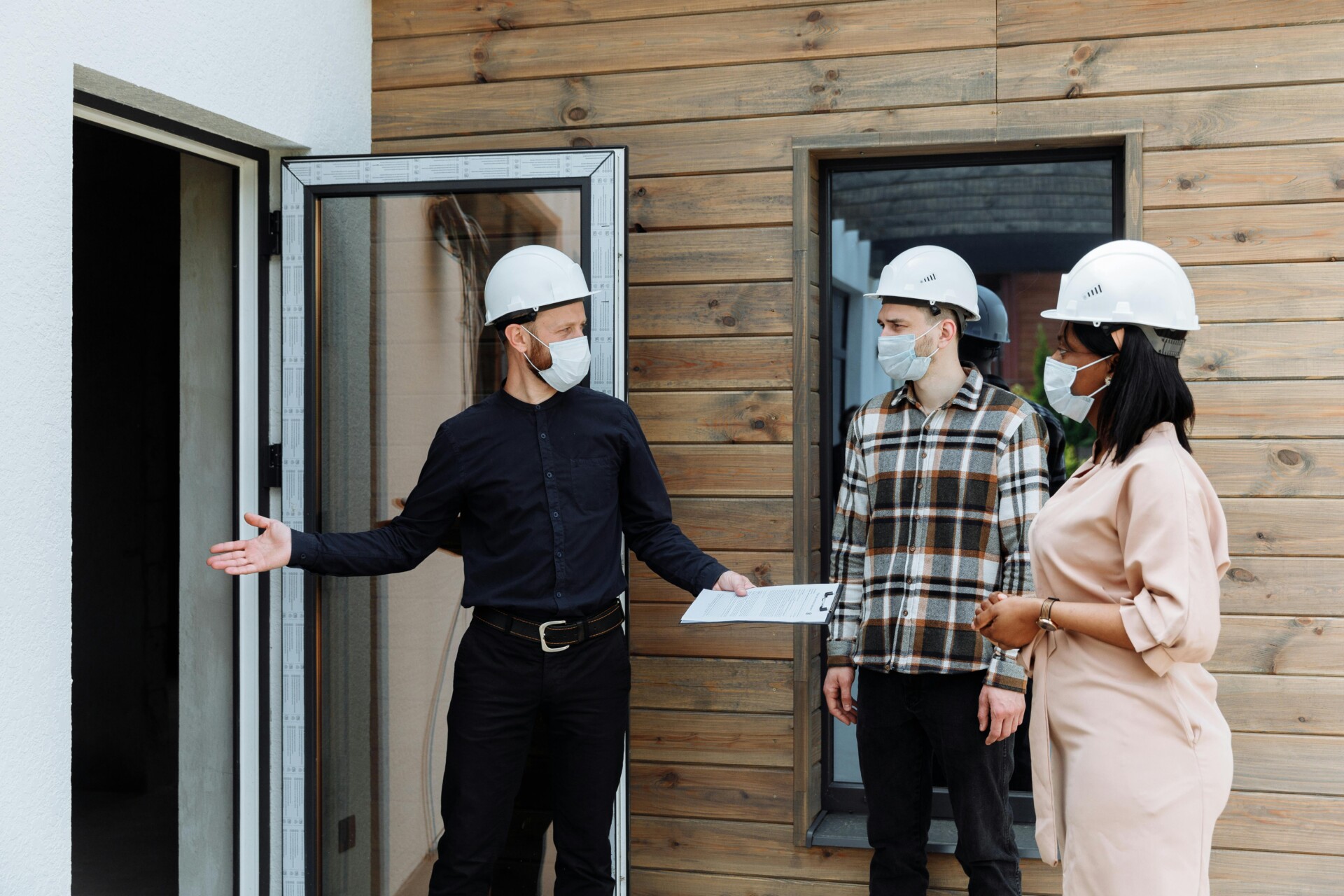
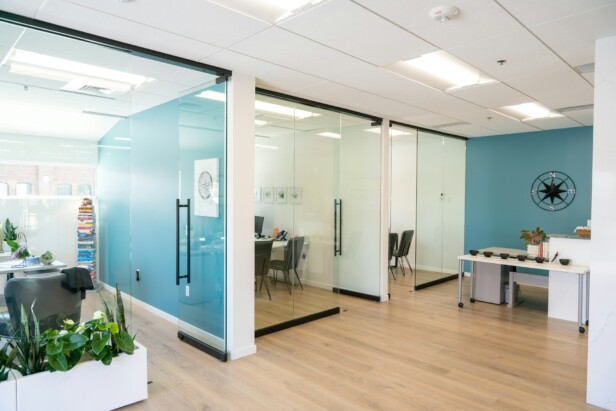
Large office renovations don’t have to shut down operations. We divide the work into clear zones and use construction sequencing that allows key areas to remain functional while improvements move forward around them. This phased renovation approach maintains operational continuity without sacrificing quality or safety.
Occupied renovations require strategic planning from day one. We coordinate access paths, protect active work areas, and communicate changes before they affect daily operations. The right phasing plan transforms what could be months of disruption into manageable phases that keep your business running.
How Do You Map The Phasing Plan And Safe Access From Day One?

Effective phasing starts with mapping operational requirements against construction needs. We begin by identifying which spaces must remain functional throughout the project and which areas can be temporarily closed or relocated. This assessment drives every subsequent decision about work zones, access routes, and material handling.
Each phase must connect logically to the next, creating a smooth handoff that maintains operational continuity. We define clear boundaries between active work areas and occupied spaces, then establish how these boundaries shift as construction progresses through different zones.
Create Safe Work Zones with Physical Protection
Physical barriers are the foundation of safety in occupied renovations. We install temporary partitions to separate construction dust and noise from active work areas while maintaining structural integrity. These barriers must meet fire safety requirements and provide adequate sound attenuation for the specific work being performed.
Clear signage guides occupants around construction zones and highlights any changes to normal access routes. We use consistent visual cues and messaging to reduce confusion as people navigate the modified space. Marked walkways with proper lighting ensure safe passage when familiar routes are blocked.
Temporary entrances or exits maintain required egress capacity when construction blocks normal paths. We coordinate these modifications with local authorities to ensure compliance with fire codes and accessibility requirements throughout each phase.
Early Contractor Involvement and Staging Coordination
We bring contractors into the planning process early to test construction sequencing against operational realities. Their field experience helps identify potential conflicts between work activities and building operations that might not be apparent on drawings.
Staging areas require careful coordination to avoid disrupting building functions while providing adequate space for materials and equipment. We designate specific zones for deliveries, tool storage, and temporary facilities that keep construction activities contained and organized.
Material routes through occupied buildings need special attention to minimize disruption. We plan delivery paths that avoid high-traffic areas during peak hours and establish protocols for moving large items through the building safely.
Long-Lead Material Procurement and Sequencing
We identify long-lead items and pre-purchase them to prevent delays in phase transitions. This includes custom millwork, specialized mechanical equipment, and materials requiring extended manufacturing times. Early procurement prevents construction delays that could extend the impact on occupied areas.
Construction sequencing integrates with procurement schedules to ensure materials arrive when needed for each phase. We coordinate delivery timing with available workspace and storage capacity to maintain a smooth workflow without creating safety hazards or access problems.
How Should You Sequence Work To Minimize Disruption And Protect Core Functions?
Construction sequencing is the backbone of any successful occupied renovation. We design each phase around operations that must continue without interruption. Critical business functions receive top priority in our planning process.
Starting with lower-impact areas establishes a natural progression that protects daily operations. Storage rooms, back offices, and administrative spaces typically cause minimal disruption when renovated first. These zones help us set our construction rhythm and refine processes before moving into more sensitive areas.
High-impact zones demand careful timing and preparation. Customer-facing areas, main conference rooms, and executive offices are scheduled last in our sequence. This approach ensures that visible business operations continue smoothly while we complete the foundational work behind the scenes.
Segmented construction zones create clear boundaries that protect ongoing work. We renovate entire floors or complete wings when possible, rather than renovating scattered rooms throughout the building. This strategy reduces the construction footprint and limits the number of active work areas at any given time.
Swing space planning allows teams to maintain productivity during transitions. We coordinate temporary workspaces that match the functions being temporarily displaced. When projects involve expansion, we build new areas first to create additional capacity before renovating existing spaces. This sequence ensures continuous operations without cramped conditions.
HVAC impacts require detailed coordination throughout each phase. We map how mechanical systems serve different zones and plan shutdowns during periods that least affect occupant comfort. Temporary heating, cooling, or ventilation may be necessary to maintain acceptable conditions in active work areas.
Electrical distribution planning prevents power disruptions that could halt business operations. We identify critical circuits and plan alternative power routes before any electrical work begins. Emergency power systems and temporary connections keep essential functions running during electrical upgrades.
Off-hours work scheduling protects peak business hours from construction noise and disruption. Demolition, heavy equipment operation, and noisy installations are scheduled for evenings, weekends, or seasonal slow periods. This timing requires coordination with building management and construction teams to ensure adequate supervision and security.
What Controls Manage Safety, Dust, And Noise In An Occupied Office?
Physical separation forms the foundation of safety controls during occupied renovations. We establish clear boundaries between construction zones and active work areas using temporary walls and barriers. These physical controls prevent unauthorized access and contain hazards within designated work areas.
Safe egress routes require constant attention throughout each phase. We maintain multiple exit paths and keep them clear and properly marked. Emergency egress cannot be compromised, so we coordinate with local fire officials to verify compliance with OSHA safety standards before work begins in each zone.
Dust Containment and Air Quality Management
Dust control requires both containment and air quality monitoring. We seal construction areas with plastic sheeting and use negative air pressure systems to prevent dust migration into occupied spaces. HVAC systems receive special attention to avoid distributing contaminants throughout the building.
Air quality management follows guidelines from agencies like NIOSH and the CDC for indoor environmental health. We monitor particulate levels and adjust containment measures when readings exceed acceptable thresholds. Proper filtration and ventilation keep occupied areas safe during active construction.
Renovation activities generate specific types of dust that require targeted control methods. Drywall work, demolition, and floor preparation each demand different containment approaches. We coordinate these activities with building occupancy to minimize exposure during peak business hours.
Noise Control and Off-Hours Scheduling
Noise mitigation starts with identifying the loudest construction activities and scheduling them strategically. Heavy demolition, core drilling, and mechanical work happen during evenings, weekends, or predetermined quiet periods when fewer people occupy the building.
Sound barriers and acoustic panels provide additional noise reduction for activities that cannot be moved to off-hours. We measure decibel levels regularly and adjust our approach when noise exceeds workplace comfort standards. Communication with building occupants helps us identify problem areas quickly.
Equipment selection plays a key role in noise management. We choose quieter tools when possible and coordinate with trades to minimize overlapping loud activities. Proper scheduling reduces the cumulative impact of construction noise on daily operations.
Inspections and Compliance Monitoring
Regular inspections verify that safety controls remain effective throughout each phase. We conduct daily checks of barriers, egress routes, and containment systems. Any compromised controls receive immediate attention before work continues in that area.
Post-phase inspections occur before reopening spaces to occupants. These comprehensive reviews cover air quality testing, safety system verification, and final cleanup confirmation. We document each inspection to maintain compliance records and identify improvement opportunities for future phases.
Third-party inspections provide additional verification of our safety protocols. Independent assessments help ensure our controls meet all regulatory requirements and industry best practices. This extra layer of oversight protects both workers and building occupants throughout the renovation process.
How Do You Keep People Productive With Communication, Temporary Workspaces, And Oversight?
Share the project timeline early with all affected teams and update it regularly as phases progress. Weekly updates through multiple channels build trust and prevent unexpected disruptions that could derail operations. Clear communication helps everyone plan around construction activities and adjust their workflows accordingly.
Establish a dedicated project liaison to handle questions and coordinate between construction crews and office staff. This single point of contact resolves issues quickly and prevents miscommunication that can slow both construction and business operations. The liaison should understand both construction schedules and business priorities to make informed decisions.
Temporary Work Arrangements
Set up modular office spaces or relocate workstations to unaffected areas during active construction phases. Modular office walls create quiet, professional temporary workspaces that maintain productivity while protecting teams from dust and noise. These systems install quickly and can be reconfigured as work advances.
Arrange remote work options or coworking spaces for roles that can function off-site during high-impact construction periods. This reduces the number of people in the building during demolition or other disruptive work. Some teams benefit from temporary relocation to nearby office space while their primary work areas undergo renovation.
Navigation and Site Management
Create clear wayfinding with updated signage as access routes change between phases. Mark alternate pathways with temporary signs and barriers to guide people safely around construction zones. Post maps showing current access points, temporary entrances, and alternate routes to key areas like restrooms and conference rooms.
Deploy on-site field supervision for multi-floor or complex phased work to address issues quickly. Having construction management present during business hours allows for rapid problem-solving when conflicts arise between ongoing operations and construction needs. This oversight helps prevent small issues from becoming major disruptions.
Schedule Flexibility and Contingencies
Build contingencies for overtime scheduling to move particularly disruptive tasks to evenings, weekends, or holidays when fewer people occupy the space. This approach maintains construction momentum while minimizing impact on daily operations. Plan these schedule adjustments early so both construction crews and business operations can prepare.
Review each completed phase and gather feedback to improve the approach for subsequent phases. Document what worked well and what caused unexpected disruptions. Use these insights to refine communication methods, adjust temporary workspace arrangements, and optimize the sequence for remaining work.
Conclusion: A Clear, Safe Phasing Strategy Keeps Your Office Running

A solid phasing plan, careful sequencing, and strict safety controls allow you to renovate while staying open. Define access, zone the work, manage dust and noise, and communicate often. Use swing space, after-hours work, and regular inspections to reduce risk.
The key to a successful occupied renovation is early engagement with an experienced team that can align design, logistics, and operations for each phase. When we coordinate these elements from day one, we build a framework that protects operational continuity while delivering the improvements your space needs.
Contact EB3 Construction to align your renovation team and phasing strategy early.