
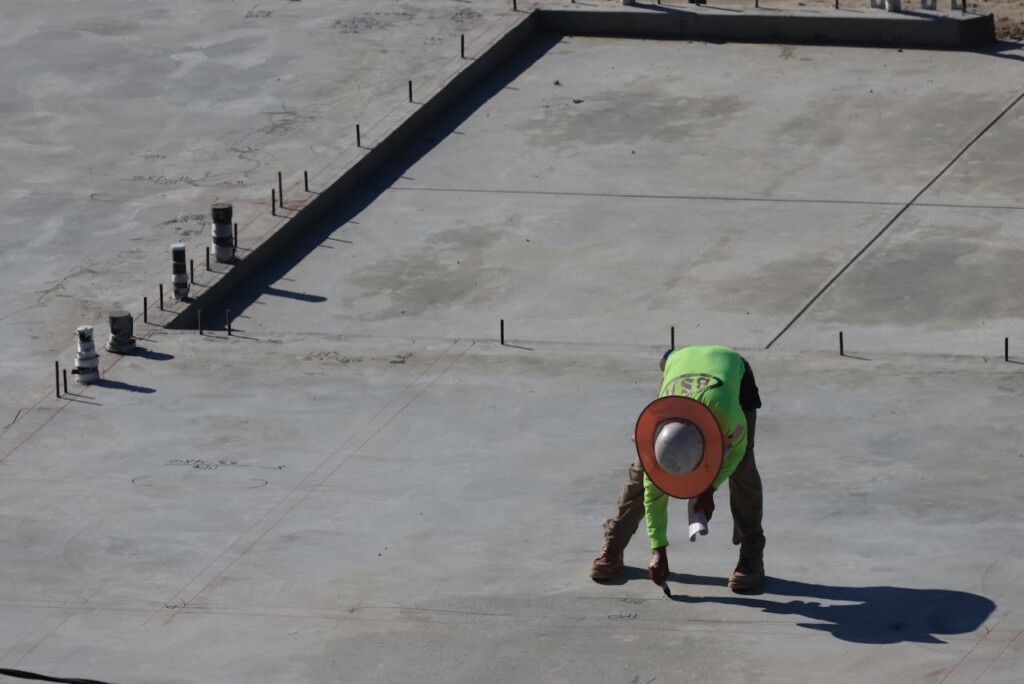
Concrete slab and flatwork estimates are only as good as the process behind them. Underbid a project and you erode your margins; overbid it and you lose the work entirely. Yet many contractors still rely on rough rules of thumb — and pay for it with budget overruns, unexpected change orders, and frustrated clients.
Producing a reliable concrete estimate requires more than a quick square footage calculation. It demands a disciplined, step-by-step approach that accounts for everything from soil conditions and permit fees to crew productivity and weather delays. In this guide, we walk through the key stages of that process — pre-estimating groundwork, labor and equipment costing, site preparation, and the safeguards that protect your budget when the unexpected happens.
What Pre-Estimating Steps Improve Accuracy?

Plan review is the foundation of reliable concrete estimates. We examine architectural drawings to understand slab dimensions, thickness requirements, and structural elements that drive material quantities and labor hours. Structural drawings reveal reinforcement patterns, load requirements, and connection details that affect both material selection and installation complexity. Civil drawings show site grading, drainage systems, and utility conflicts that influence excavation scope and concrete placement logistics.
Clarifying the design up front helps prevent costly mid-project changes. We confirm concrete finish requirements, joint spacing, and reinforcement specifications with the design team before finalizing estimates. Load requirements determine concrete strength, which directly affects material costs and placement methods. Understanding these details up front helps prevent change orders that can derail project budgets and schedules.
Site assessment reveals conditions that drawings cannot capture. We evaluate site access for concrete trucks, equipment staging areas, and soil conditions that affect foundation design. Poor drainage can require additional excavation or soil stabilization, while restricted access may require concrete pumping rather than direct placement. Terrain challenges often increase labor hours and equipment needs beyond standard assumptions.
Compliance requirements must be identified during the pre-estimating phase. We research local building codes, permit requirements, and inspection schedules that affect project timelines and costs. Some jurisdictions require special testing, reinforcement inspections, or curing procedures that add time and expense. Identifying these requirements early allows us to include accurate fees and schedule impacts in our estimates, rather than discovering them during construction.
How Should You Estimate Labor And Equipment For Slab And Flatwork?
Accurate labor and equipment estimates require understanding the full scope of work involved in concrete slab construction. We break down these costs into distinct categories that account for the skilled trades, equipment needs, and productivity factors that drive field costs.
Labor Scope And Task Breakdown
Labor costs encompass forming, reinforcement installation, concrete placement, finishing, and form removal. Each task requires specific skills and time allocations that vary with project complexity. Residential foundation work typically demands less precision than commercial applications, where tolerances and finish requirements increase labor hours.
Project complexity significantly affects crew time. Basic broom finishes require minimal skilled finishing labor, while polished or decorative surfaces can double finishing hours. Complex edge details, multiple elevation changes, or intricate joint patterns also extend crew time beyond standard flat-pour applications.
Per Square Foot Labor Benchmarks
Residential foundation labor typically runs $3 to $6 per square foot, covering work from standard forming through final cleanup. This range reflects regional wage differences and basic complexity levels common in residential construction. Simple rectangular slabs with a standard 4-inch thickness tend to fall toward the lower end of this range.
Commercial foundation labor runs $6 to $12 per square foot, depending on complexity and regional factors. Higher-end commercial work involves tighter tolerances, specialized finishes, and coordination with other trades that increase labor intensity. Industrial applications requiring heavy reinforcement or specialized equipment access push costs toward the upper end of this range.
Equipment Costs And Considerations
Equipment costs include mixers, trowels, vibrators, screeds, pumps, and laser-leveling systems. We account for rental rates, fuel consumption, maintenance requirements, and inevitable downtime between pours. Concrete pumps alone can cost $800 to $1,500 per day, making equipment selection critical for project economics.
Laser screeds and automated finishing equipment increase initial equipment costs but can reduce labor requirements on larger pours. The rental-versus-purchase decision depends on project size and equipment utilization rates. Smaller jobs often rely on rental equipment, while larger contractors maintain specialized tools that justify ownership costs.
Productivity Factors That Impact Estimates
Access limitations significantly affect crew productivity and equipment selection. Tight jobsites may require hand finishing rather than ride-on equipment, increasing labor hours substantially. Pour size also influences efficiency, as larger continuous pours allow crews to establish productive rhythms that smaller, segmented pours cannot achieve.
Weather windows create scheduling constraints that affect labor costs through overtime requirements or extended mobilization periods. Joint-cutting schedules, curing-time requirements, and coordination with follow-on trades all influence crew productivity and total labor hours. We factor these variables into our estimates to help avoid cost surprises during construction.
What Project Factors, Fees, And Safeguards Must Be Included?

Site preparation demands careful attention to excavation requirements, grading specifications, and drainage improvements that directly affect slab performance and overall project cost. We assess soil conditions during our site visits to determine cut-and-fill requirements, identify rock excavation needs, and plan appropriate drainage systems to prevent future foundation issues.
Site conditions can significantly impact your budget when poor soils, rock formations, or high water tables require additional work. We plan for dewatering systems when groundwater threatens construction activities, coordinate soil stabilization when bearing capacity falls short, and factor in access limitations that affect equipment delivery and staging areas.
Permits and compliance are essential line items we capture early in the estimating process. Building inspections, environmental reviews, and code-compliance requirements each carry specific fees and time allocations that affect direct costs and scheduling.
Overhead and profit margins ensure project viability through careful allocation of business expenses and defined profit targets. We include field supervision, project management, insurance coverage, and office overhead as percentage additions to direct costs, then apply profit margins that reflect project complexity and market conditions.
Contingency planning protects against unforeseen conditions with a standard 10–15% allocation for weather delays, scope changes, and field conditions that differ from initial assessments. This financial buffer prevents mid-project funding gaps when site realities don’t match original assumptions.
Pricing checks and reviews are part of our quality control process through detailed supplier quotes, second opinions from experienced estimators, and systematic review before submission. We track client feedback on submitted estimates, update pricing as market conditions shift, and consider long-term maintenance requirements when selecting materials and finishes that affect both initial cost and lifecycle value.
Conclusion And Next Steps
Accurate slab-on-grade and flatwork estimates follow a systematic approach we’ve refined over years of construction experience. The process starts with a thorough plan review and site visits, continues with precise takeoffs and material pricing, and ends with detailed labor and equipment estimates. Each step builds on the previous one, creating a foundation for reliable budget tracking and cost accuracy throughout the project.
Our approach includes site preparation costs, drainage requirements, permits, overhead, profit margins, and a 10-15% contingency to protect against unforeseen conditions. We gather detailed supplier quotes and crew pricing from trusted partners, then update estimates as the scope evolves. This methodical process helps us deliver competitive bids while maintaining healthy margins for sustainable operations.
Ready to develop more accurate concrete estimates for your next project? Contact EB3 Construction to discuss your slab-on-grade and flatwork requirements.