Most restaurants lose up to 30% of annual revenue during full renovation closures. We know property owners and developers face significant pressure to maintain cash flow while upgrading their foodservice facilities. Renovating a commercial kitchen while staying partially open requires strategic planning and precise execution.
This approach covers off-peak scheduling, phased construction, permit coordination, temporary kitchen solutions, and clear team communication protocols that protect revenue and maintain code compliance throughout the renovation.
How Do You Choose The Right Time And Phase The Work To Limit Disruptions?

Timing drives the success of any commercial kitchen renovation. We analyze sales data to identify slow periods when reduced capacity has minimal impact on revenue. Midweek operations typically generate lower volumes than weekend service, while post-holiday seasons often present natural renovation windows.
Avoiding peak periods protects cash flow and maintains customer relationships. Weekend service, major holidays, and local event schedules are critical revenue drivers and should remain untouched during construction. We review historical sales trends spanning at least 12 months to identify patterns and select optimal renovation periods.
Strategic Phase Sequencing for Service Continuity
Breaking the renovation into logical phases allows parts of the operation to continue serving guests. We sequence work to maintain core functions while upgrading adjacent areas. This approach preserves revenue streams and keeps staff employed throughout the project.
Back-of-house prep areas are often the first phase because alternative prep spaces can be established temporarily. Hot line stations follow once prep workflows are stabilized, with dishwashing and storage areas completed in the final phases. This sequencing ensures food production continues while each area is upgraded.
Each phase operates independently, allowing dining service to proceed with modified workflows. We coordinate equipment shutdowns and utility connections to minimize overlap between construction activity and service hours. This careful sequencing protects both operational capacity and the guest experience.
Early Communication Builds Trust
Staff notification begins weeks before construction starts. We outline schedule changes, temporary workflow adjustments, and safety protocols that affect daily operations. Early communication allows team members to prepare mentally and operationally for the upcoming changes.
Guest communication follows on a similar timeline across multiple channels. Website updates, social media posts, and in-restaurant signage inform customers about renovation schedules and any service modifications. Transparent communication builds anticipation rather than frustration, often generating excitement about upcoming improvements.
Regular updates throughout each phase maintain momentum and demonstrate progress. We schedule brief team meetings to address concerns and adjust workflows as needed. This ongoing dialogue ensures that both staff and guests remain informed partners in the renovation process, not passive observers of disruption.
What Codes, Permits, And Inspections Should Be Planned Up Front?
We start every commercial kitchen renovation by confirming the health, safety, and building code requirements that apply to your specific project. Different jurisdictions enforce varying standards, and restaurant operations face additional regulatory layers beyond typical construction projects. The FDA Food Code provides federal guidance, while local health departments and building officials interpret these standards for your area.
Building permits cover structural modifications, new walls, and changes to load-bearing elements. Electrical permits address power upgrades for commercial equipment and proper grounding systems. Plumbing permits ensure adequate water supply and drainage capacity for high-volume operations.
Required Permits For Kitchen Renovations
Fire safety permits are essential when modifying ventilation systems or installing new cooking equipment. These permits verify that fire suppression systems meet NFPA 96 standards and integrate properly with your kitchen’s exhaust system. Fire marshals review hood placement, duct routing, and automatic suppression activation to prevent grease fires from spreading.
Temporary food service permits are required if you plan to stay partially open during construction. These permits allow alternative food preparation methods and mobile kitchen operations while your main kitchen undergoes renovation. Health departments require proof that temporary setups maintain sanitation standards and proper temperature control.
ADA compliance reviews ensure renovated spaces meet accessibility requirements. These inspections cover doorway widths, counter heights, and restroom modifications. Even partial renovations can trigger ADA upgrade requirements if the project scope exceeds specific thresholds.
Strategic Permit Submission Timeline
Permit approvals typically require four to eight weeks, though complex projects involving structural changes or zoning variances can take longer. We submit applications immediately after design completion to prevent construction delays. Authority Having Jurisdiction (AHJ) workloads vary seasonally, with summer months often creating longer review periods.
Digital permit copies stored on-site ensure inspector access during construction visits. Printed permits posted in visible locations demonstrate compliance and facilitate smooth inspections. Missing permits can halt work immediately and create costly delays while approvals are pursued retroactively.
Early submission allows time to address plan review comments before construction starts. Permit reviewers frequently identify code conflicts or require design modifications that would be expensive to correct mid-construction. This advance planning protects project schedules and budgets from unexpected regulatory requirements.
Inspection Scheduling And Coordination
We integrate inspection schedules directly into construction timelines to prevent work stoppages. Plumbing inspections occur after rough-in installation but before wall closure. Electrical inspections follow similar timing to verify proper wiring and grounding before concealment.
Fire suppression inspections require complete system installation and testing before final approval. These complex systems need coordination between fire protection contractors, ventilation installers, and kitchen equipment suppliers. Scheduling conflicts between these trades can delay inspections and extend project timelines.
Health department final inspections verify that completed kitchens meet all sanitation and operational requirements. These inspections cover everything from grease management systems to proper airflow. Inspectors also confirm that temporary food service permits align with permanent kitchen completion.
Quick response to inspector feedback prevents costly delays and rework. We maintain direct communication with all inspection agencies and address deficiencies immediately upon notification. Preparation for re-inspections includes documentation of corrections and scheduling coordination to minimize downtime.
How Can You Keep Foodservice Running During Construction?
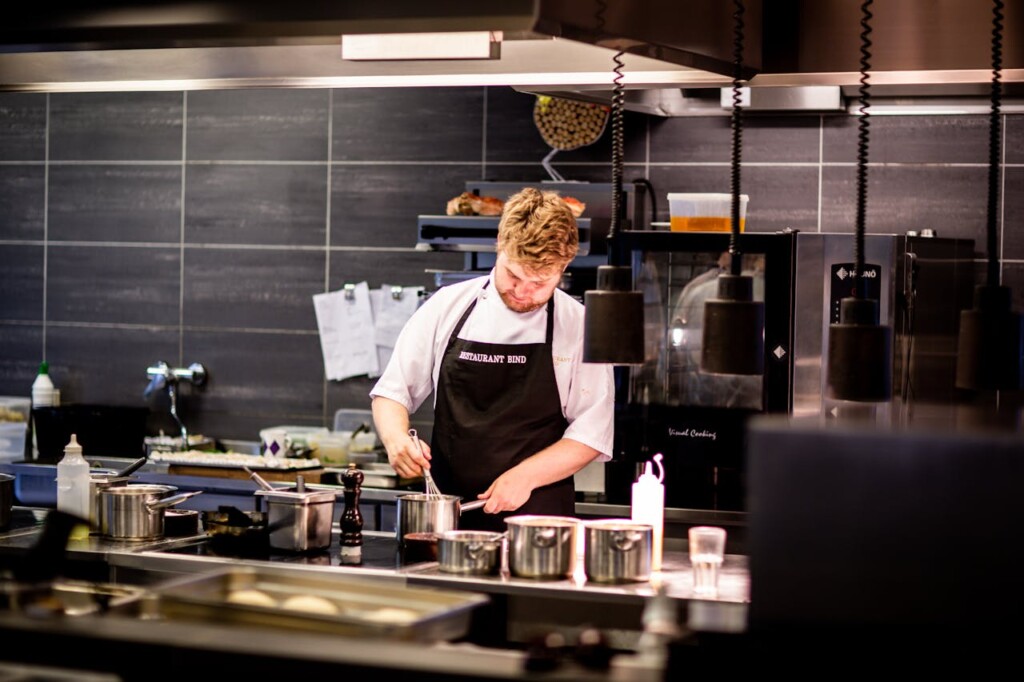
Mobile kitchens provide the backbone for maintaining service during renovations. These fully equipped units arrive ready to support your regular menu while the permanent kitchen is under construction. We coordinate setup so it integrates seamlessly with your existing workflow and keeps revenue flowing.
Code compliance guides every temporary setup decision. NSF-rated prep surfaces ensure food safety standards remain intact during the transition. Commercial ventilation systems manage smoke and heat from cooking equipment, preventing air quality issues that could affect both staff and guests.
Essential Features for Temporary Kitchen Operations
Sanitation stations are critical around construction zones. Handwashing facilities and sanitizing equipment must remain easily accessible to all kitchen staff. ADA access requirements apply to temporary setups, as they do to permanent installations, ensuring all team members can work safely and efficiently.
Walk-in refrigeration and freezer units maintain proper food storage temperatures throughout the construction period. Three-compartment sinks handle dishwashing when the main dish area is offline. We position these elements to create a logical prep-to-serve flow that minimizes cross-contamination risks.
Strategic Installation Sequencing
Delivery timing prevents equipment from blocking active service areas during peak hours. We schedule mobile unit placement during off-peak periods and coordinate with construction teams to maintain clear pathways. Storage logistics require advance planning to ensure dry goods, refrigerated items, and cleaning supplies remain accessible.
Dust barriers and temporary walls protect food preparation areas from construction debris. These physical separations also help contain noise during service hours. We install these barriers before demolition begins and maintain them throughout the project timeline.
Loud construction work is scheduled during off-hours whenever possible. Jackhammering, major electrical work, and heavy equipment operations happen when the dining room is closed. This approach protects the guest experience while allowing necessary progress on renovations.
How Do You Manage Budget, Schedule, And Team Communication?
Construction sequencing is manageable when we coordinate every detail with your architect, EB3 Construction, and trade partners from the start. Early collaboration prevents conflicts between design intent and field conditions. We map each phase with specific deliverables and handoff points.
Our detailed project timeline includes phase dates, critical milestones, and buffer periods for unexpected delays. Material delays and change management scenarios are built into the schedule. We typically add 10-15% time buffers to high-risk activities such as structural work or equipment installation.
Financial Tracking and Contingency Planning
We track costs against budget weekly through detailed expense reporting. Every invoice, change order, and material purchase is documented and categorized. This prevents budget surprises and helps identify spending trends early.
Our budget contingency follows industry standards of 10-20% of the total project cost. Kitchen renovations often reveal hidden issues such as outdated electrical panels, plumbing problems, or structural modifications needed for new equipment. The contingency fund covers these discoveries without derailing the project.
Change management processes handle scope adjustments quickly. When you decide to upgrade equipment or modify layouts mid-project, we provide immediate cost and schedule impact assessments. Clear documentation prevents disputes and keeps everyone aligned with new expectations.
Staff Communication and Workflow Training
We maintain regular communication with your staff about construction schedules, safety protocols, and temporary workflows. Daily briefings during active construction keep everyone informed about work zones, equipment deliveries, and temporary service adjustments.
Safety communication covers dust barriers, restricted access areas, and emergency procedures. Your team needs clear guidance on navigating the construction zone while maintaining food safety standards.
Workflow training begins weeks before reopening. We walk your staff through new equipment, updated layouts, and revised service patterns. This helps prevent operational hiccups when you resume full service. Training sessions cover equipment operation, maintenance procedures, and new safety features.
Inspector Coordination and Compliance
We coordinate with inspectors throughout the project to maintain compliance and avoid delays. Early engagement helps clarify expectations and prevents failed inspections. We schedule inspections at appropriate construction milestones rather than waiting until completion.
Our inspection schedule includes plumbing rough-in, electrical work, fire suppression systems, and final health department approvals. We prepare documentation in advance and address any concerns immediately. This proactive approach keeps the project moving toward successful completion.
Conclusion And Next Steps
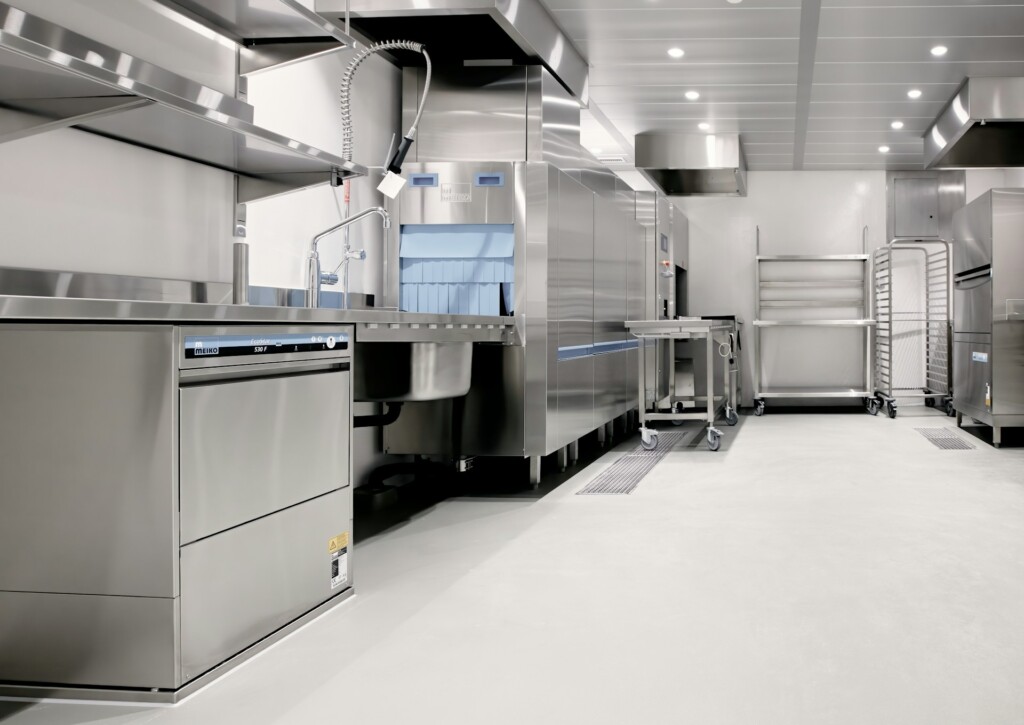
A successful plan for renovating a commercial kitchen while staying open requires four key elements: strategic timing, phased execution, rigorous code compliance, and consistent communication. Each component supports the others to minimize disruption, protect revenue, and maintain operational standards.
Start by mapping your renovation phases and selecting an off-peak window that aligns with your slowest business periods. Secure all necessary permits early and schedule inspections at critical milestones. Line up temporary food service solutions, plan equipment deliveries carefully, and coordinate storage logistics to prevent workflow interruptions. Track your budget with a 10–20% contingency buffer, and maintain clear communication with staff, customers, and all project stakeholders. Early coordination with EB3 Construction and local inspectors helps ensure compliance with fire safety, ADA, and sanitation standards throughout the project.
Ready to start your commercial kitchen renovation while keeping operations running? Contact EB3 Construction to develop a phased plan that meets your timeline and budget requirements.