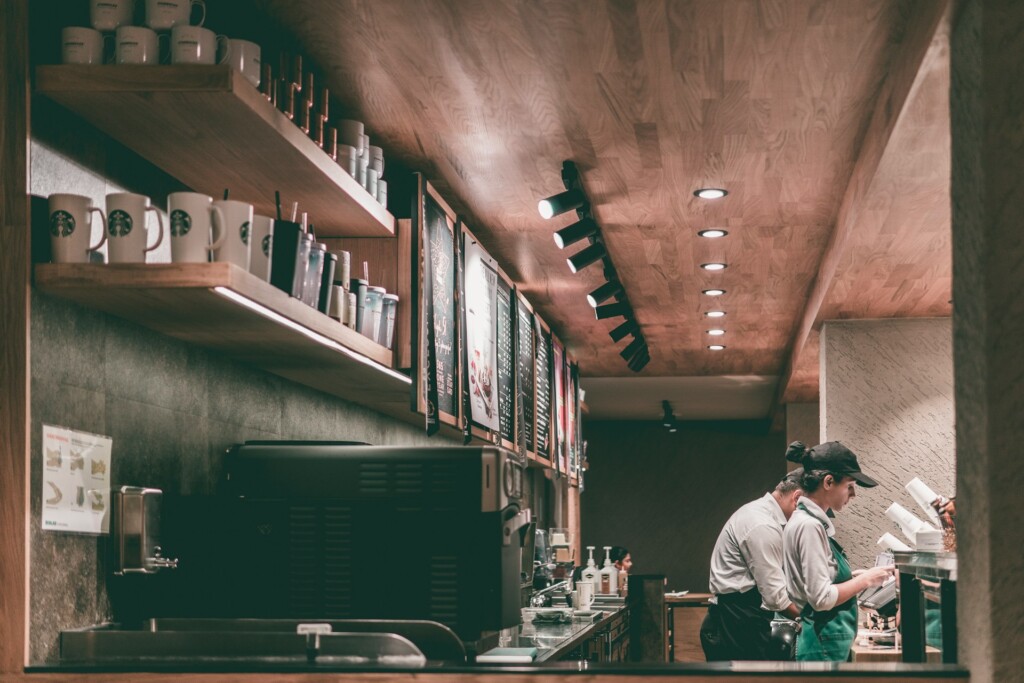
Converting an older retail bay into a modern coffee shop with a drive-thru window combines two distinct scopes of work: a full interior build-out and targeted exterior modifications. Budgets for these projects commonly range from $100,000 to $2,000,000 or more, and timelines typically run 2 to 6 months, depending on size and complexity.
At EB3 Construction, we manage this type of retail renovation from complete strip-out to shell through turnkey fit-out, including exterior work tied to the new use. The sections ahead cover preconstruction approvals, construction scope, and how we phase and manage delivery.
What Preconstruction Steps And Approvals Are Required Before Demolition And Rebuild?
Site Survey And Initial Assessment
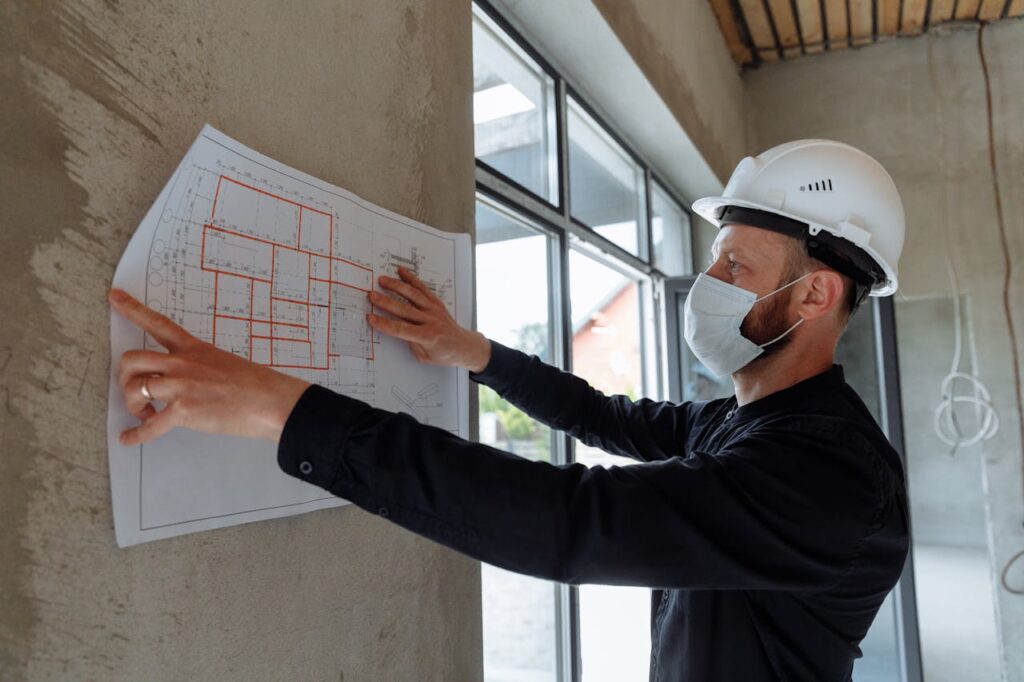
Every preconstruction process begins with a thorough site survey of the existing retail bay. We examine current structural conditions, utility connections, floor levels, and spatial constraints before any design work begins. This physical assessment shapes everything that follows, from layout decisions to structural calculations.
Alongside the site survey, we conduct an on-site consultation to align project goals, identify feasibility concerns, and flag any conditions that could affect scope or cost. Catching issues at this stage, such as outdated wiring or inadequate drainage, prevents expensive corrections once demolition is underway. Thorough preconstruction planning can reduce project costs by 15 to 20 percent, as outlined in this 12-step preconstruction checklist and our Texas preconstruction checklists.
Concept Design, MEP, And Technical Documentation
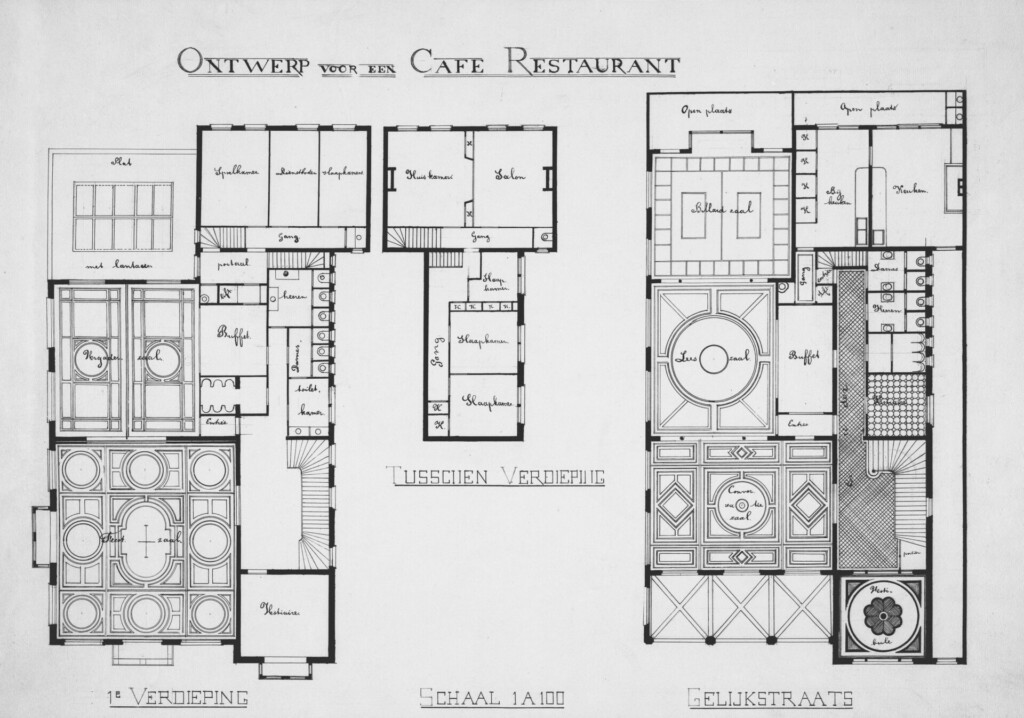
With site conditions confirmed, we develop the initial concept design to translate the client’s vision into a buildable plan. This includes CAD plans, 3D models, and walk-throughs that give developers and property owners a clear picture of the finished space before construction begins. 3D modeling is particularly useful for visualizing drive-thru window placement, shop front changes, and interior layout configurations.
MEP design, covering mechanical, electrical, and plumbing systems, runs parallel to the architectural drawings. We perform technical verifications to confirm that proposed MEP layouts are compatible with the existing building infrastructure and local code requirements. Structural designs and calculations are also prepared at this stage to support any new wall openings, load-bearing changes, or modifications required for the drive-thru conversion.
Landlord Approvals And Planning Consents
For tenant improvement projects in leased retail bays, landlord approvals are a required step before any work proceeds. We review the lease agreement and submit the necessary documentation to the landlord, covering proposed structural changes, exterior modifications, and any alterations to the building envelope. Failing to secure these approvals in advance can result in costly reversals or lease disputes mid-project.
Planning consents and building regulation applications are filed with the relevant local authority once design documentation is complete. These submissions confirm that the proposed work complies with zoning requirements, fire safety standards, energy codes, and structural regulations. We manage this process directly, coordinating with design professionals and the permitting office to keep applications moving without delays.
Permits For Restaurant And Food Service Conversions
Converting a retail bay into a coffee shop introduces a specific set of permit requirements beyond standard commercial construction. Zoning permits confirm the site is approved for food service use, while health department approvals address ventilation, sanitation, and food preparation standards. Plumbing permits cover new restroom installations and commercial kitchen connections, and electrical permits apply to the upgraded service capacity required for espresso equipment, lighting, and point-of-sale systems.
We submit permit applications early in the preconstruction phase to prevent bottlenecks once construction is ready to begin. Municipal requirements vary, and some jurisdictions require additional reviews for drive-thru configurations or exterior accessibility modifications such as wheelchair ramps. Addressing these requirements during preconstruction, rather than after demolition has started, keeps the project on schedule.
Budget Planning And Schedule Alignment
Preconstruction closes with a detailed budget and schedule framework built around the confirmed scope. We establish cost estimates based on structural requirements, MEP design complexity, permit fees, material specifications, and subcontractor input. A contingency allowance, typically in the range of 5 to 10 percent of the project budget, is factored in to absorb unforeseen conditions identified during demolition.
The schedule is structured around permit approval timelines, long-lead material orders, and the sequencing demands of the construction scope. Clear budget and schedule documentation at this stage sets shared expectations with the developer or property owner before a single wall comes down.
What Construction Scope Is Typical For A Coffee Shop Gut-And-Rebuild With A Drive-Thru?
Demolition And Structural Work
Once permits are secured and plans are finalized, we strip the space back to the shell. Every existing partition, ceiling system, floor finish, and fixture comes out. What remains is the raw structure.
Concrete flooring is leveled and patched where needed to create a clean substrate for new finishes. Where the new layout calls for wider openings or load-bearing changes, we install structural steel to support those modifications safely.
New interior and exterior walls are then built to match the approved architectural drawings. This framing stage defines the entire layout before any MEP rough-in begins.
Drive-Thru And Exterior Modifications
Adding a drive-thru window to an existing retail bay requires targeted exterior work. We cut and frame the window opening in the exterior wall, modify the storefront as needed, and complete the surrounding concrete work for a clean finish.
Where required for accessibility, exterior wheelchair ramps are formed and poured as part of this phase. These elements tie directly into the building envelope and must be coordinated with the structural and architectural drawings before any concrete is placed.
MEP And Life Safety Systems
Mechanical, electrical, and plumbing work runs throughout the build and affects every trade. We rough in new electrical service, branch wiring, and panel connections sized for commercial foodservice loads. Recessed LED lighting is installed in the suspended ceiling grid once framing is complete.
HVAC ductwork, flex connections, and diffusers are run to serve the dining area, service counter, and back-of-house. A rooftop exhaust fan with ductwork, paired with a commercial kitchen hood, handles ventilation over cooking equipment—a requirement enforced by local health and fire authorities. New plumbing lines, both underground drainage and above-ground domestic water supply lines, serve all fixtures and equipment throughout the space. A sprinkler system is installed to meet fire code requirements for the occupancy classification.
Interior Build-Out
With rough-in complete, the interior fit-out begins. Suspended T-bar drop-tile ceilings are installed in the main areas, with drywall ceiling bulkheads built around the exhaust system where required. Drywall is taped and finished, ready for paint or other applied finishes.
Commercial flooring is selected based on the zone. Ceramic tile is standard in service, kitchen, and washroom areas because health codes require tight, smooth, non-absorbent surfaces in food preparation zones. Carpet may be used in dining areas only. Wood or vinyl options are also available depending on the design intent.
Joinery and custom architectural millwork form the front service counter, back counter cabinets, and any built-in display or storage elements. Doors and frames are hung, finishes are applied, and fixtures and fittings are installed to complete each space.
Operational Elements And Equipment
Bathroom additions require new plumbing rough-in, fixtures, a vanity, grab bars, and a code-compliant mop sink for sanitary waste disposal. These are built to meet both building code and health department requirements for foodservice establishments.
Foodservice equipment installation covers drip coffee brewers, espresso machines, under-counter refrigeration, ice machines, beverage coolers, three-bay sinks, equipment rinse sinks, and hot water dispensers. Each piece is connected to the appropriate electrical circuit and plumbing line per the equipment schedule. Point-of-sale registers and audiovisual systems are also installed and connected during this phase. Internal and external signage, including illuminated menu boards, is mounted and wired as a final operational step.
Exterior Tune-Up
The last phase addresses the building envelope. Exterior painting, window installations, and roof repair are completed to bring the facade in line with the new use and any applicable signage or historic district guidelines. These items are scoped alongside the drive-thru work but are typically executed at the end of the build to avoid damage from ongoing interior activity.
How Do Contractors Phase Work And Manage Operations, Timeline, And Budget?
Sequencing Work In A Live Retail Environment
A coffee shop gut-and-rebuild inside an active shopping center or mixed-use property demands more than a construction schedule. It requires a sequencing strategy. We plan work phases around the realities of the site, whether that means restricting demolition to off-hours, staging materials away from shared corridors, or coordinating access with property management to maintain safe foot traffic throughout the build.
Phasing decisions are driven by the scope itself. Structural work and rough-in trades must be completed before finishes begin. MEP rough-ins require inspection sign-off before walls close. Each dependency shapes the sequence, and a delay at any stage cascades forward. We map these dependencies before mobilization so the schedule reflects construction reality, not an optimistic estimate.
Coordinating Skilled Staff And Trusted Subcontractors
A project of this complexity draws on multiple trades working in close coordination. Structural crews, MEP contractors, finish carpenters, flooring installers, and equipment specialists all operate within the same footprint, often within overlapping windows. We coordinate these teams directly, managing daily site activity and holding each subcontractor accountable to the master schedule.
Detailed and intricate tasks, such as custom architectural millwork, suspended ceiling systems, and foodservice equipment installation, require skilled personnel who understand the precision these scopes require. We select subcontractors with demonstrated experience in commercial food and beverage environments, where tolerances are tight and operational requirements are specific.
Budget Tracking And Schedule Management Through Construction
Pre-start planning establishes the financial baseline. From that point, budget tracking runs parallel to construction progress. Change orders are documented and reviewed against the scope before approval, keeping cost exposure visible and controlled. Site logistics, including material staging, equipment delivery sequencing, and waste removal, are managed to avoid downtime that drives up labor costs without advancing the schedule.
Restaurant build-outs of this type typically run between two and six months from mobilization to handover, with the timeline driven by scope complexity, permit sequencing, and equipment lead times. A straightforward interior fit-out with limited structural work sits toward the shorter end. A full gut-and-rebuild with drive-thru modifications, new MEP systems, and custom interior finishes sits toward the longer end. Realistic scheduling accounts for inspection windows, material deliveries, and the coordination demands of a multi-trade project.
Final Inspection And Handover
Quality checks are built into each phase rather than reserved for the end. We conduct ongoing reviews as trades complete their scopes, addressing deficiencies before they compound. The final inspection brings together building, fire, and health authority sign-offs alongside our own internal walkthrough against the agreed scope and finish standards.
Handover occurs when all inspections have passed, punch list items are resolved, and the space meets the operational requirements of the owner. At that point, the turnkey delivery is complete and the space is ready for equipment fit-out, staff onboarding, and opening preparation.
Conclusion And Next Steps
Converting an older retail bay into a modern coffee shop with a drive-thru brings together two scopes of work: a full interior gut-and-rebuild and targeted exterior modifications. Getting both right depends on how well the project is set up before a single wall comes down. A thorough site survey, coordinated mechanical, electrical, and plumbing (MEP) design, and secured landlord approvals create the conditions for a build that stays on schedule and within budget.
Scope definition across structure, life safety, interiors, foodservice equipment, and exterior elements such as the drive-thru window and paving determines how realistic the timeline and budget will be. Projects of this type commonly run 2 to 6 months with budgets ranging from $100,000 to $2,000,000 or more, depending on the condition of the existing space and the complexity of the new layout.
At EB3 Construction, we manage commercial and industrial build-outs from preconstruction through final handover. If you are ready to move forward with your retail fit-out, contact our team to discuss next steps.