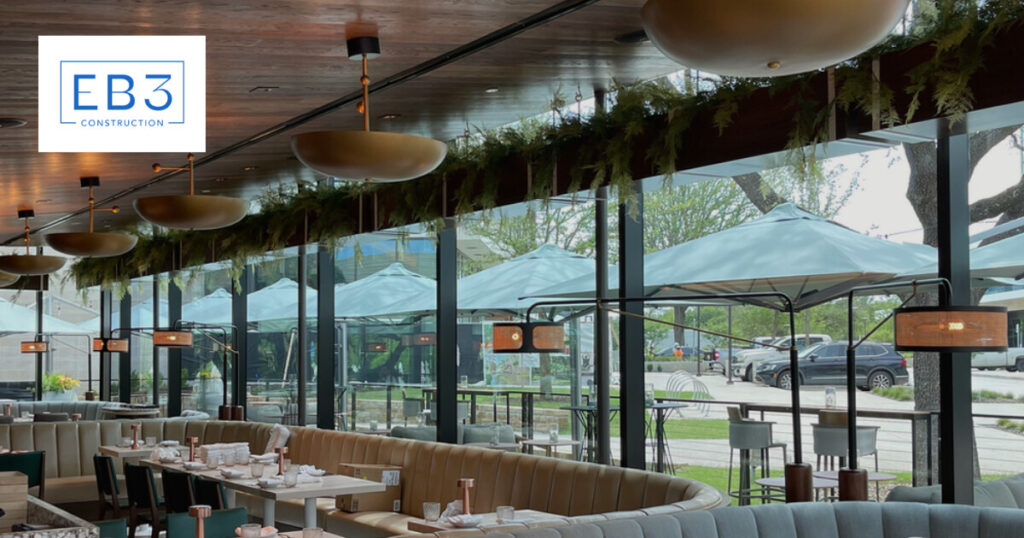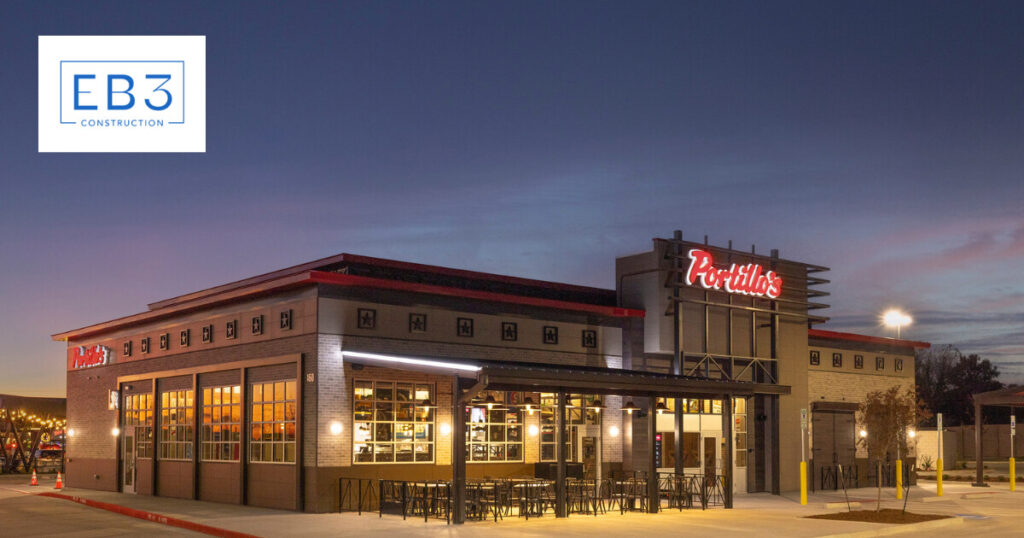
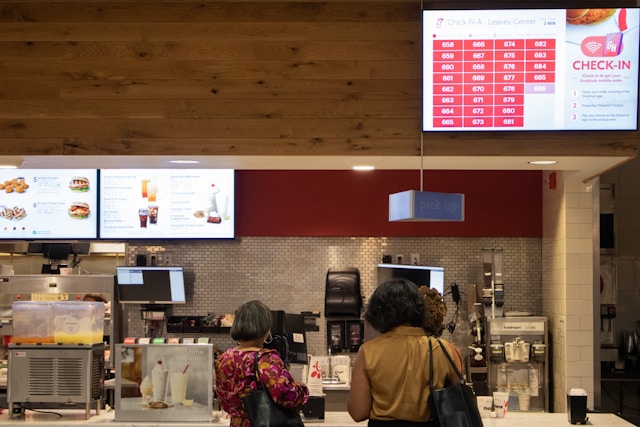
Converting a retail space into a quick-service restaurant in unincorporated Harris County triggers two regulatory frameworks. Both the Harris County Fire Code and the Harris County Public Health Rules for Regulation of Food Establishments apply before any walls go up or a fryer is installed.
This article covers the specific rules, permit requirements, and inspection steps that govern a retail-to-restaurant conversion in unincorporated Harris County.
When Does The Harris County Fire Code Apply To A Retail-To-Restaurant Change Of Use?
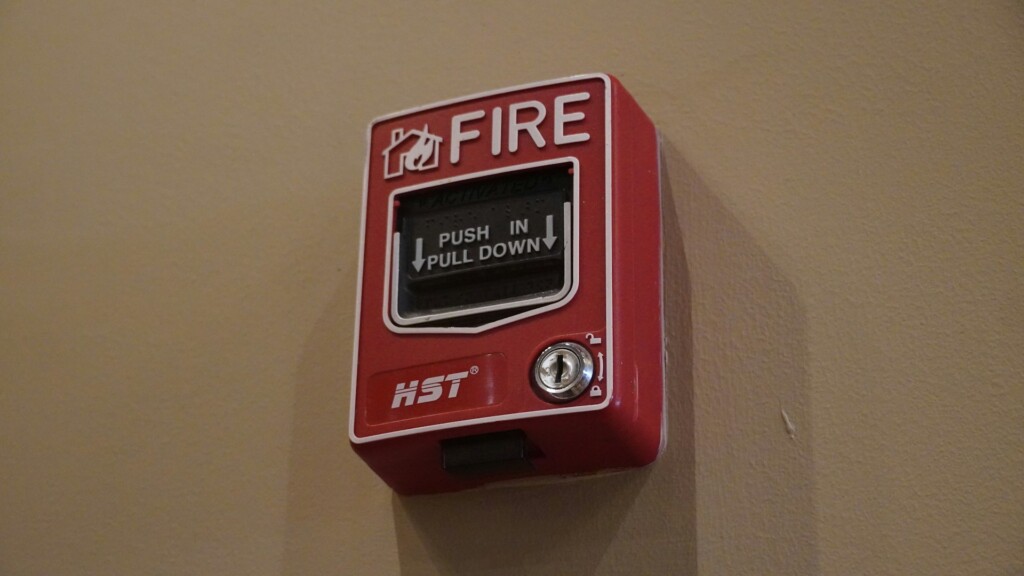
The Harris County Fire Code applies throughout unincorporated Harris County to public buildings and commercial establishments. Restaurants fall within that definition, alongside retail stores, shopping centers, and general offices. Converting a retail space into a quick-service restaurant brings the building under Fire Code jurisdiction.
The threshold that triggers formal review is Substantial Improvement. Under the Fire Code, it includes a change in occupancy classification that alters the purpose or level of activity within a building. A retail space converting to a restaurant fits that shift. The County does not require major renovations to meet this threshold; the change in use alone is sufficient.
When Substantial Improvement Begins
The Fire Code is precise about when Substantial Improvement begins. It starts on the date the repair, reconstruction, or change in occupancy classification begins, or on the date materials are first delivered for that purpose. Receiving a lumber delivery or beginning demolition both mark the official start. There is no grace period between delivery and permit application.
This timing matters because a construction permit must be secured before any of that activity occurs. No person may perform or authorize construction or substantial improvement in unincorporated Harris County without first obtaining a permit from the County Engineer. Starting work before permit issuance puts the project in violation from day one.
No Occupancy Before Final Approval
Completing construction does not automatically authorize opening the restaurant. Under Section 101.1.1 of the Harris County Fire Code, no building subject to the code may be occupied until the County Fire Code Official receives a formal request for final inspection and the County Engineer issues a Certificate of Compliance confirming that applicable code provisions have been met.
Further, Section 102.3.1 states that no change in the existing occupancy classification or use of a building shall be made until a fire code inspection has been completed and the Certificate of Compliance has been issued. The building must reach full compliance before any employee or customer enters for business purposes. Operating before that certificate is in hand constitutes a code violation regardless of how complete the physical build-out appears.
What Fire Code Permits And Submittals Are Required For The Build-Out?
How to Apply Through E-Permits
The Commercial Building (Fire Code) application is submitted online through Harris County’s E-Permits system. All required documents must be uploaded in the required format, and incomplete submittals will not be accepted. Starting construction or delivering materials to the site before the permit is issued is a violation, because substantial improvement begins as soon as work starts or materials are delivered.
The application must include the Fire Code Design and Compliance Review Sheet, signed and sealed as required by Harris County Engineering. This form confirms the project’s scope and demonstrates that the design meets Fire Code requirements. Without it, the submittal will not move forward in plan review.
Required Submittal Documents
In addition to the Review Sheet, the submittal package must include professionally prepared architectural and engineering plans, a site plan, and any Mechanical, Electrical, and Plumbing (MEP) drawings needed to show code compliance. Each drawing set should clearly reflect the proposed change in use from retail to quick‑service restaurant.
For food‑establishment projects, an Approved Floor Plan from the Public Health Department may be required before the Fire Code permit can be fully processed. Coordinating that approval early prevents delays at the plan review stage. The Fire Marshal and Harris County Engineering both review the submitted package, so accuracy across all documents is critical.
Plan Review Timeline and Fees
Harris County’s plan review process typically takes 15 business days from the date of application acceptance. After the first review cycle, an application fee is added to the account. If the submittal is disapproved, that application fee must be paid before plan review comments can be downloaded.
If the plans are approved, the permit fee and any applicable administrative fee must be paid to download the approved plans. Payment controls access to the documents needed to proceed, so delays in payment directly delay the start of construction.
Permit Validity, Inspections, and On-Site Posting
Once issued, the permit is valid for 6 months. Inspections are required at designated stages of construction, and the project cannot proceed past those stages without passing each one. The County Fire Code Official oversees this process.
The permit must be posted on-site, and a paper copy of the approved plans must remain accessible during construction. These are not optional. A missing permit or lack of approved plans during an inspection can halt work until compliance is restored.
What Public Health Food Establishment Rules And Plan Reviews Apply To A Quick Service Restaurant?
The Permit Requirement And What It Covers
Every food establishment operating in unincorporated Harris County must hold a current, valid permit issued by Harris County Public Health (HCPH), as required under Tex. Health & Safety Code § 437 and enforced through 25 TEX. ADM. CODE §§ 228-229. A quick service restaurant falls within the definition of a retail food establishment, meaning no food service can begin without this permit in place.
Permits must be displayed in a location accessible to the public, and photocopied or replicated versions do not serve as valid proof. Permits are also nontransferable, so a change in ownership or use triggers a new application, not a reassignment of an existing one.
Plan Review Requirements For A Conversion
When an existing structure is converted for use as a food service establishment, HCPH requires a complete plan set before any construction or conversion work begins. Plans must be professionally drawn to scale or produced using computer-aided design (CAD) software.
The plan set for a quick service restaurant conversion must include a site or plot plan, a food service equipment layout, mechanical drawings, electrical plans, plumbing plans, and sections with elevations. Manufacturer specification sheets are required for all equipment and for construction materials covering floors, walls, and ceilings. Incomplete submissions delay the review process and can push back the pre-opening inspection timeline.
A plan review fee must be paid before HCPH begins its review. The review and approval process is coordinated with Harris County Engineering, which handles related infrastructure and utility matters. If an approved plan is later amended, a new plan review and fee are required before HCPH will accept the revised submission.
The Pre-Opening Inspection And Permit Issuance
After construction or conversion is complete and all applicable jurisdictional requirements have been satisfied, HCPH conducts a pre-opening inspection. This inspection confirms that the build-out matches the approved plans and specifications.
No food establishment permit is issued until HCPH verifies through that inspection that all work complies with the approved documents. A request for the pre-opening inspection must be submitted at least ten business days before the desired inspection date, though an expedited option is available for an additional fee. If the establishment does not pass the initial inspection, a reinspection fee applies before a follow-up can be scheduled.
Grease Interceptors, Food Manager Certification, And Permit Conditions
Upon completion of the plan review process, grease traps, interceptors, and sample wells must be located outside the food establishment. This requirement applies regardless of the size or format of the quick service operation and must be reflected in the submitted plans before approval.
A certified food manager must be on duty during all operating hours. The only exception applies to establishments that handle solely prepackaged food and perform no preparation or packaging on site. Food handler certifications are valid for two years from the date of issuance, and all certifications must be reported to HCPH, with a current employee list kept on site at all times.
HCPH retains the authority to place conditions on any permit it issues. One basis for such conditions is the receipt of a Conditional Certificate of Compliance from the Harris County Fire Marshal, which ties the public health permit directly to the status of the Fire Code review. An establishment that receives a conditional certificate rather than a full one may face additional requirements before HCPH issues a standard, unrestricted permit.
Conclusion And Next Steps

Once construction is finished and all jurisdictional requirements are satisfied, request the pre-opening inspection from Harris County Public Health. The permit will not be issued until Harris County Public Health confirms the build matches the approved plans. The County Fire Code Official must also complete a final inspection before occupancy is permitted.
Operating without a required permit under Tex. Health & Safety Code §437 is a Class C misdemeanor. Each day of unpermitted operation is a separate offense. The County Attorney may also seek an injunction in district court to halt operations entirely. The exposure compounds quickly, and no revenue generated during that period will offset the legal and operational risk.
At EB3 Construction, we coordinate the approval tracks so the build-out sequence aligns with permit timelines from day one. Contact us to discuss your restaurant conversion project.