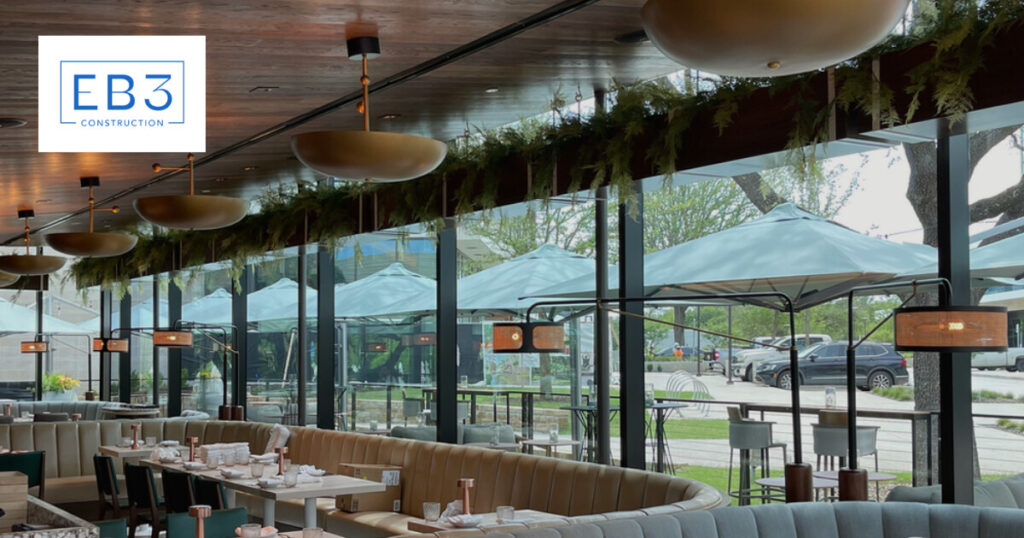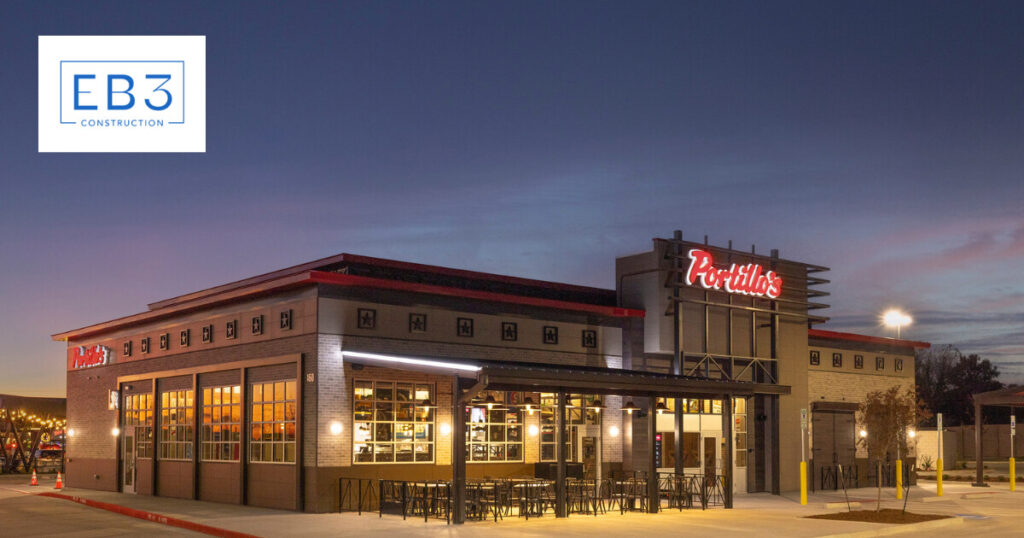
A restaurant or bar build-out within an occupied retail center carries consequences that a standard commercial project does not. Shared walls, common utilities, and active neighboring tenants mean a contractor’s missteps on your project can ripple outward quickly, trigger landlord violations, and push your opening date back by weeks.
Knowing the right questions to ask references about a contractor’s past restaurant or bar projects helps you separate documented performance from a polished sales pitch. The sections ahead cover what to ask and why each answer matters—from project-match verification to code-specific coordination.
Which Experience And Project-Match Questions Should You Ask References?

The first thing to establish with any reference is the project type. Ask directly: was the build a full-service dining room, a fast-casual counter-service layout, or a bar-forward concept with a shared kitchen zone? Each format carries different spatial demands, finish requirements, and coordination complexity. A contractor whose work skews toward one format may not translate cleanly to another.
Once you confirm the concept type, verify the site conditions. Ask whether the project took place inside an occupied, multi-tenant retail center, and whether the shell conditions matched yours. A build in a freestanding pad site or an empty strip center carries far less coordination complexity than one with shared walls, common utilities, and active neighboring tenants. The reference’s answer tells you whether the contractor’s experience is genuinely comparable to your situation.
Probing for Restaurant-Specific Problem-Solving
Generic commercial experience does not prepare a contractor for the technical demands of food service construction. Ask each reference whether the contractor encountered restaurant-specific challenges and how those were resolved. Did they manage a grease management system installation when the existing drain configuration was inadequate? How did they handle ventilation routing in a space with limited ceiling clearance or structural constraints above the hood line?
According to EB3 Construction’s own field guidance, contractors with genuine restaurant experience will have navigated these conditions before and can describe their resolution clearly. Vague answers about general problem-solving are a sign that the contractor adapted on the fly rather than drawing from a practiced approach.
ADA compliance is another concrete data point. Ask the reference whether the project passed its ADA inspection on first review. First-pass compliance reflects careful pre-construction coordination between the GC, the architect, and the authority having jurisdiction. Repeated corrections during inspection add weeks and cost to a project that likely had a firm opening date.
Confirming Stakeholder Coordination
Restaurant projects in retail centers involve a wide range of parties: the property owner, the tenant, the architect, equipment vendors, and multiple trade subcontractors. Ask the reference directly whether the contractor managed those relationships or whether the owner had to step in to keep communication moving. A contractor who pushes stakeholder coordination back onto the client creates friction at every phase.
We pay close attention to this when vetting our own approach for food service projects. Coordination across trades and with landlord representatives is a core function of the GC role, not an add-on. If a reference describes having to personally chase down approvals, resolve vendor conflicts, or mediate between trades, that is a meaningful gap in the contractor’s performance record.
The Final Question Every Reference Should Answer
Close each reference call with one direct question: would you hire this contractor again? The answer goes beyond polished responses and reveals the client’s actual confidence in the team. A hesitation, a qualified yes, or a pivot to what they would do differently next time all carry information that a straightforward endorsement does not. Press for a clear answer and note how quickly and confidently it comes.
What Should You Confirm With References About Schedule, Budget, And Change Management?
Written Estimates And Phase Schedules
Ask each reference whether the contractor delivered a detailed written estimate before work started. The estimate should break down labor, materials, allowances, and exclusions by line item, not just a lump sum. A reference who received a clear scope sheet, with quantities and assumptions attached, is describing a contractor who maintains budget discipline from day one.
Beyond cost, ask whether the contractor provided a phase schedule or daily work plan before mobilizing. Restaurant and bar build-outs run on tight sequencing, and a contractor who cannot map out rough-in milestones, equipment delivery windows, and inspection hold points before breaking ground will struggle to protect your opening date. The reference’s answer tells you whether the planning happened on paper or only in someone’s head.
Construction Schedule Adherence And Delay Accountability
Ask the reference directly: did the project finish on time? If it did not, press for specifics. How many days or weeks did it run over? What caused the delay? A well-managed contractor will have communicated the reason, the schedule impact, and a recovery plan in writing before delays compounded.
Context matters here. Material shortages, inspection backlogs, and unforeseen structural conditions can push any project off its original timeline. What separates a reliable contractor from an unreliable one is whether the reference heard about the problem proactively or discovered it after the fact.
How Can References Verify On-Site Leadership, Communication, Safety, And Cleanliness?

Confirm a Dedicated Superintendent Was On-Site Daily
Start with a direct question: Was a dedicated superintendent or project manager on-site every working day? In a restaurant or bar build-out, the answer matters more than in a simpler commercial tenant improvement. A superintendent who shows up intermittently creates gaps in trade coordination, and those gaps compound quickly when mechanical, electrical, and plumbing work overlap in tight kitchen and bar spaces.
Follow up by asking whether that person had actual foreman authority to make field decisions without waiting for a phone call. References should be able to name the superintendent and describe specific decisions that person made on the spot. Vague answers like “they handled it,” “I’m not sure,” or “we didn’t see much of them” are red flags.
Which Restaurant- And Code-Specific Items Should References Confirm?
Permits, Inspections, and Occupancy Sign-Offs
References should be able to tell you exactly who managed the permit process across all three agencies: the local building department, the health department plan check, and the fire authority. A contractor who managed this coordination well will have secured approvals in the right sequence so that each sign-off feeds into the next, avoiding delays in occupancy certification.
Ask whether the health department plan check flagged any issues after construction began, and if so, how the contractor responded. Under California Health and Safety Code Section 114380, plan approval from the local health agency must be obtained before a building permit is issued for a food facility. A contractor who understands that sequence avoids the costly mistake of pulling permits out of order.
Ask whether the final health inspection and building sign-off happened close together, or whether one lagged and delayed the opening date. Misaligned inspection scheduling is one of the most common causes of last-minute delays on restaurant projects.
Hood, Grease Duct, and Grease Management Coordination
Commercial hood and grease ductwork is one of the most technically demanding parts of a restaurant build-out. References should confirm whether the contractor routed the grease duct without creating structural conflicts, roof penetration problems, or clearance violations. Per the California Mechanical Code, grease ducts must extend a minimum of 18 inches above the roof surface and maintain specific clearances from adjacent buildings, property lines, and air intakes.
Ask whether the hood system was installed according to the manufacturer’s specifications and whether the contractor provided the required exhaust hood data sheets during the health department plan check. A Type I hood, which handles grease and smoke, requires approved grease filters and sealed, welded, or soldered joints. References who watched this work can tell you whether the contractor treated these details as standard practice or scrambled to address them during inspection.
Grease management does not stop at the hood. Ask whether the grease interceptor or grease trap was properly sized and coordinated with the sewer district’s requirements before construction began. That coordination has to happen early, and a reference who went through it can confirm whether the contractor owned that process or left it to the owner to figure out.
ADA Compliance and Health Code Finish Requirements
ADA compliance and health code finish requirements both carry inspection consequences if they are handled as afterthoughts. Ask references whether the contractor built ADA-compliant restrooms, service paths, and entrance conditions into the construction scope from the start, or whether corrections were needed before the certificate of occupancy was issued.
Finish schedule coordination is equally important. Health agencies require smooth, durable, and washable surfaces in food preparation areas. Exposed brick, textured gypsum board, wood paneling, and fissured ceiling tiles are all rejected materials under the California Retail Food Code. References should be able to confirm that the contractor specified and installed compliant finishes the first time, without requiring substitutions during the pre-final or final inspection.
Front-of-House Coordination: Lighting Zones and Acoustic Treatments
Front-of-house elements like lighting control zones and acoustic treatments are often treated as design details, but they have real construction sequencing implications. Lighting zones need to be roughed in correctly before drywall is closed up, and acoustic treatments require coordination with ceiling framing and mechanical runs. Ask references whether the contractor built these elements into the construction schedule or addressed them as late additions that created rework.
The health department’s plan check requirements include a lighting plan showing exact foot-candle levels for each area. A contractor who understands this submits a complete lighting layout with the initial plans, not as a revision after the first round of corrections. References who saw the plan check process firsthand can confirm whether that level of preparation was present.
Phased Construction, After-Hours Work, and Pedestrian Separation
When a restaurant build-out happens inside an active retail center, the construction approach has to account for neighboring tenants and public access. Ask references whether the contractor developed a phased construction plan that minimized disruption to adjacent businesses and whether after-hours work was scheduled for the noisiest or most invasive phases.
Pedestrian separation is a code and liability concern, more than a courtesy. Ask whether temporary barriers, signage, and protected pathways were maintained throughout the project. A contractor who managed this well will have coordinated directly with the landlord and property management, not just reacted to complaints after they came in.
Value Engineering and Code Compliance
Value engineering proposals that reduce cost by cutting corners on code-required systems create problems that show up at inspection. Ask references whether the contractor ever proposed substitutions or scope reductions, and if so, whether those proposals clearly identified any impact on code compliance or design intent.
A contractor who handles value engineering responsibly presents options in writing, explains the trade-offs, and flags anything that could affect health, fire, or building approvals. References can tell you whether that discipline was present, or whether cost-saving suggestions came without that context.
Conclusion And Next Steps

Reference calls are where contractor vetting moves from paperwork to proof. Start with at least three recent references from restaurant or bar projects that match your scope and site conditions, especially builds inside occupied, multi-tenant retail centers. Ask each reference for specifics on schedule adherence, budget accuracy, change-order discipline, and whether the contractor managed inspection sequencing among building, health, and fire authorities without pushing that coordination back onto the owner.
The details covered in this article form a connected framework. Written estimates, documented change orders, milestone payments with retainage, daily cleanup protocols, and clear safety practices all signal whether a contractor manages a project or simply reacts to it. On the code side, confirmed first-pass approvals on ADA items, hood and grease duct coordination, and front-of-house finish alignment indicate whether the team has genuine restaurant construction experience or is learning on your timeline. When those answers are specific and consistent across multiple references, the risk profile of your project drops considerably before a single permit is submitted.
At EB3 Construction, we bring the same structured approach to every restaurant and bar build-out, so your opening date stays intact and your neighbors remain undisturbed.