Commercial building repurposing contractors transform existing structures into functional spaces for new uses. These specialists bring aging or underutilized properties back to productive life through adaptive reuse, renovations, expansions, and tenant build-outs.
This work encompasses comprehensive project development from initial planning through final occupancy. We coordinate permitting, design-build services, and construction management while addressing both interior remodeling and exterior renovations. Our approach includes system upgrades for HVAC, roofing, and electrical infrastructure to meet current codes and operational requirements. When feasible, we schedule off-hours work to minimize business disruption during active operations.
What Is Adaptive Reuse In Commercial Construction, And When Is It The Right Approach?
Adaptive reuse repurposes an existing building for a new commercial use while updating it to meet current codes and operational needs. This approach transforms structures like former warehouses into office spaces, old retail stores into restaurants, or manufacturing facilities into mixed-use developments. The process preserves the existing structural framing while adapting interior layouts, mechanical systems, and building envelope components.
Project timelines often move faster than new construction because the foundational elements already exist. We can begin interior work while structural assessments and permitting proceed, reducing overall schedule duration. Many adaptive reuse projects also qualify for tax incentives, historic preservation credits, or municipal redevelopment programs that support conversion efforts.
When Adaptive Reuse Makes Sense
Building layout compatibility drives successful conversions. Open floor plans with high ceilings translate well to office or retail uses, while compartmentalized structures may suit medical or educational facilities. The existing structural framing must support new load requirements without extensive reinforcement costs.
Location advantages matter significantly for commercial reuse projects. Buildings in established business districts, near transit hubs, or within walkable neighborhoods offer inherent value that justifies conversion investments. Access to utilities, parking availability, and zoning compatibility streamline the development process.
Natural light access affects conversion potential, particularly for office and retail uses. Buildings with adequate window coverage and proper orientation support productive work environments. Mechanical systems capacity must align with new occupancy requirements, though we can often upgrade HVAC and electrical infrastructure more cost-effectively than starting from scratch.
Projects That Face Conversion Challenges
Not every structure suits adaptive reuse despite good intentions. Research indicates that only about 11% of office buildings are physically suitable for residential conversion, primarily due to deep floor plates that limit natural light penetration and complicate unit layouts.
Buildings with specialized infrastructure present conversion obstacles. Former manufacturing facilities may have contamination issues, unusual floor heights, or structural configurations that constrain new uses. Similarly, properties in declining market areas may lack the economic foundation needed to support conversion investments, regardless of physical suitability.
We evaluate each project’s conversion potential through structural analysis, code compliance review, and market feasibility studies. This assessment process helps property owners understand realistic options and investment requirements before committing to adaptive reuse approaches.
What Benefits Can Owners Expect From Repurposing A Commercial Building?
Repurposing delivers measurable advantages that impact both project economics and long-term property value. We see owners achieve faster project completion while reducing upfront investment compared to ground-up construction.
Cost Savings And Accelerated Timelines
Existing structures eliminate substantial site preparation and foundation work. The building envelope, structural framing, and basic utilities provide a starting point that can reduce construction schedules by months. We avoid the time and expense of new excavation, concrete pours, and structural steel installation.
Material costs drop when we can retain usable elements like flooring, architectural features, or mechanical systems. According to construction industry data, renovating an existing structure often costs less than building new, particularly when foundation and structural work represent significant line items.
Environmental Impact Reduction
Repurposing dramatically cuts construction debris that would otherwise reach landfills. We preserve the embodied carbon already invested in existing materials like concrete, steel, and masonry. Research from the UN Environment Programme indicates that renovating instead of demolishing can reduce carbon emissions by 50 to 75 percent compared to new construction.
This approach aligns with sustainability goals while reducing disposal costs. We keep existing materials in productive use rather than generating waste streams that require hauling and landfill fees.
Historic Character Preservation
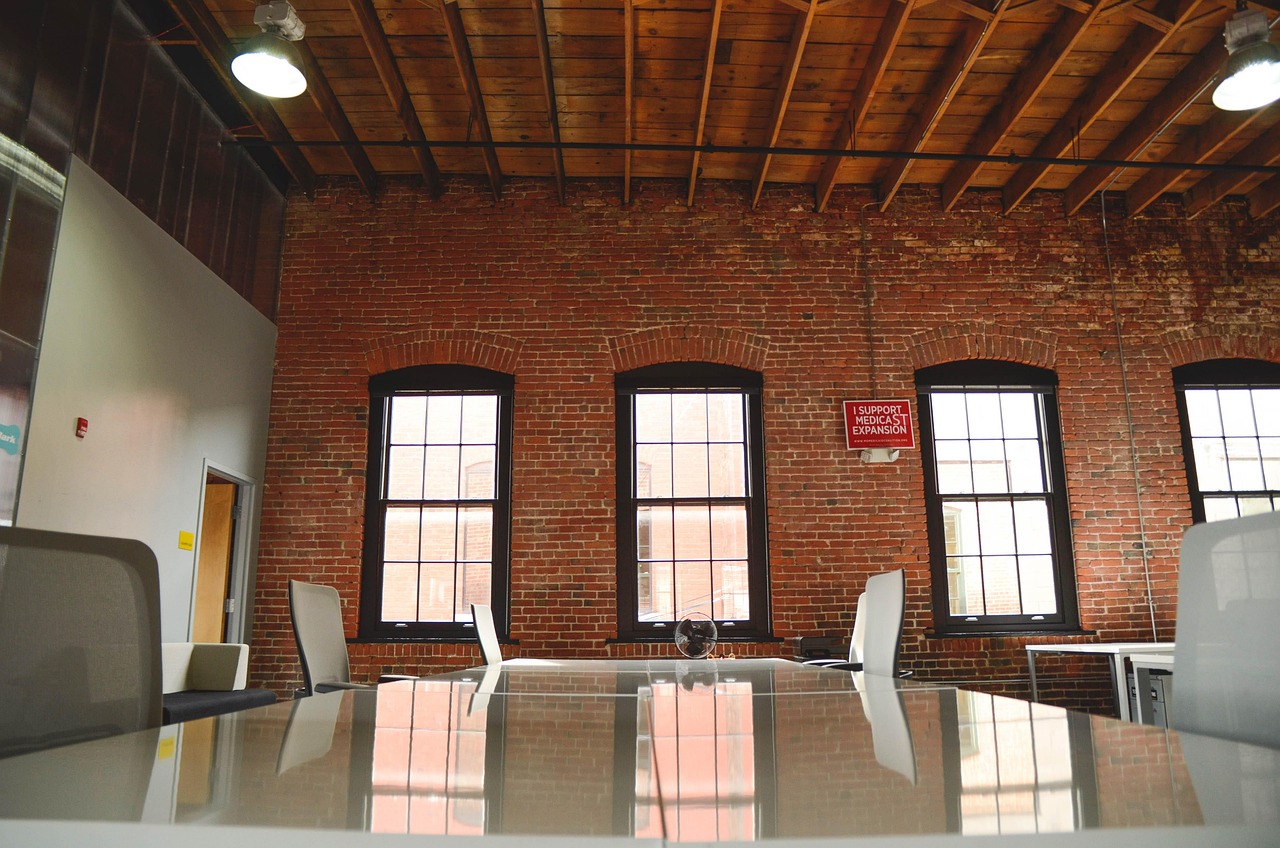
Older buildings often feature architectural details, ceiling heights, and craftsmanship that cannot be replicated cost-effectively today. Exposed brick, original hardwood, ornate facades, and generous room proportions add character that tenants value. We can integrate these features into updated layouts that meet modern functional requirements.
Historic preservation may also qualify projects for tax credits and incentives. Many municipalities offer programs that reduce project costs when buildings maintain their architectural significance.
Community And Market Benefits
Revitalized buildings contribute to neighborhood revitalization by replacing vacant or underused structures with active commercial spaces. This activity supports local walkability and can attract complementary businesses and amenities to the area.
Properties in established locations often benefit from existing infrastructure, transportation access, and community familiarity. We leverage these advantages while creating spaces that serve current market needs and support long-term property values.
What Challenges, Codes, And Due Diligence Steps Should Be Planned?
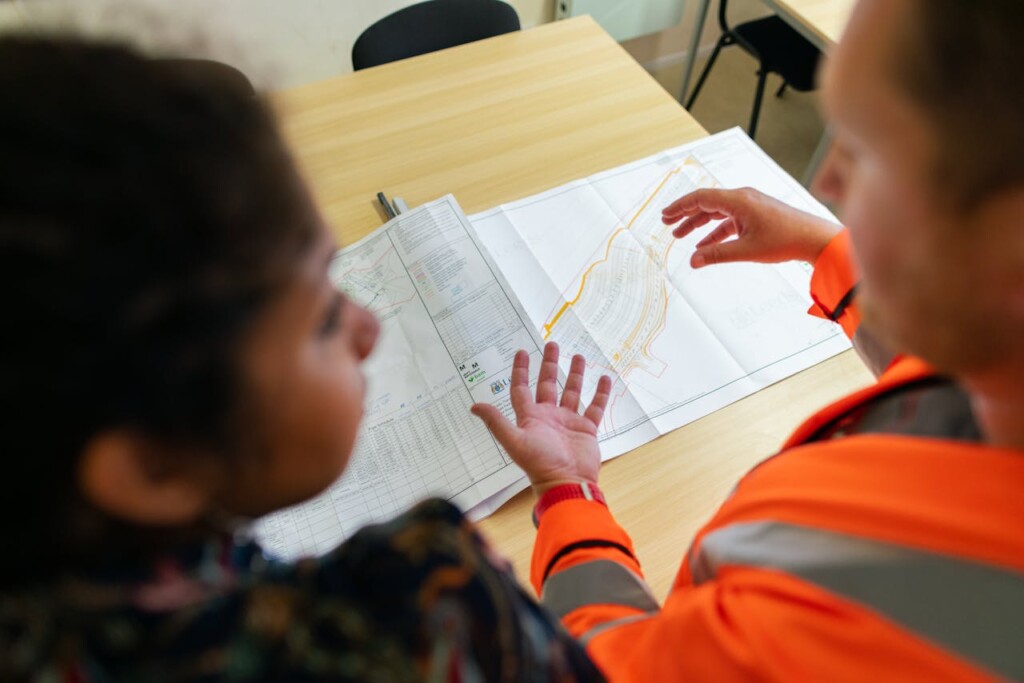
Repurposing existing commercial buildings presents distinct risks that require careful evaluation before construction begins. We address these challenges through systematic planning and thorough investigations that protect both investment and timeline.
Structural Limitations And Code Compliance
Existing buildings carry inherent structural constraints that can impact design flexibility. Floor plates, ceiling heights, and structural spans may not align with modern commercial needs. Many older buildings require structural reinforcement to meet current seismic and load requirements.
Building codes have evolved significantly over decades. Properties built under previous codes may need extensive upgrades to achieve compliance with current accessibility, fire safety, and energy standards. These updates can affect everything from egress routes to mechanical system capacity.
Hidden Conditions And Environmental Hazards
Concealed problems often emerge during renovation work on older buildings. Asbestos in insulation, ceiling tiles, and flooring materials presents both health risks and removal costs. Lead paint, common in buildings constructed before 1978, requires specialized abatement procedures.
Mechanical and electrical systems may have deteriorated beyond what initial inspections reveal. Hidden structural damage, outdated wiring, and failing HVAC components can surface once work begins. These discoveries can significantly impact both budget and schedule if not anticipated.
Regulatory And Zoning Hurdles
Changing a building’s use often triggers complex regulatory reviews. Zoning compliance becomes critical when converting between commercial, residential, or mixed-use applications. Many jurisdictions require conditional use permits or variances for significant use changes.
Historic preservation standards add another layer of complexity. Buildings within historic districts face restrictions on exterior modifications, window replacements, and facade alterations. These requirements can limit design options and increase project costs.
Market Feasibility And Site Constraints
Not every location supports every type of commercial use. Local market conditions, rent levels, and demographic patterns determine whether a repurposing project will achieve financial success. Some markets simply cannot support the target use at viable rental rates.
Site limitations can constrain project scope. Insufficient parking, limited access for deliveries, or inadequate space for required amenities may make certain uses impractical. The building’s footprint and surrounding area must align with the intended commercial function.
Essential Due Diligence Steps
We approach these challenges through comprehensive upfront assessments. A feasibility study examines structural capacity, mechanical systems, and renovation costs against market conditions and projected returns.
Code and zoning reviews identify regulatory requirements early in the planning process. This analysis covers building codes, accessibility compliance, and any use-change approvals needed from local authorities. Hazardous materials testing for asbestos, lead paint, and other contaminants provides clear remediation costs and timeline impacts.
Budget planning includes contingencies for hidden conditions and regulatory delays. We typically recommend reserves of 15-25% above base construction costs to address unforeseen issues that commonly arise in existing building work.
Which Services And Process Steps Can EB3 Construction Provide For Repurposing?
We structure commercial building repurposing around five integrated phases that transform underused properties into productive assets. Our approach coordinates design, construction, and compliance activities to minimize risk while maximizing value for developers and property owners.
Preconstruction Planning And Analysis
We start every repurposing project with comprehensive cost analysis studies that evaluate structural conditions, systems requirements, and code compliance needs. Our feasibility assessments examine building envelope performance, mechanical system capacity, and spatial constraints that could impact the proposed use. These early evaluations prevent costly surprises during construction.
Our team provides detailed estimates that account for demolition requirements, structural reinforcement, and systems upgrades specific to repurposing work. We coordinate permit acquisition processes early in the timeline, working with local authorities to secure necessary approvals before construction begins. This proactive approach keeps projects on schedule and within budget.
Design Support And Coordination
We provide in-house design coordination that brings together architects, engineers, and specialty consultants for seamless project delivery. Our team produces detailed renderings that help property owners visualize the completed space and make informed decisions about layout and finishes. This integrated approach streamlines communication and reduces design conflicts.
Our design support includes space planning that maximizes usable square footage while meeting code requirements for the new use. We coordinate MEP engineering to ensure adequate capacity for the proposed occupancy and use patterns. These design activities establish the foundation for efficient construction execution.
Interior Renovations And Build-Outs
We execute comprehensive interior remodeling that transforms existing spaces for new commercial uses. Our crews construct new offices, meeting rooms, and restrooms that meet current accessibility standards and building codes. We handle flooring installations, painting, and finish work that creates professional environments ready for occupancy.
Our tenant build-out capabilities include both customized space planning and vanilla box preparation for future tenants. We coordinate mechanical, electrical, and plumbing rough-ins that support flexible space configurations. This approach gives property owners maximum leasing flexibility while maintaining construction efficiency.
Exterior Improvements And Expansion
We manage facade updates that refresh building appearance while improving energy performance and weather protection. Our exterior work includes new entrances that enhance accessibility and create inviting building access points. We add windows strategically to increase natural light penetration and improve interior comfort.
Our teams handle building expansions when additional space is needed to support the new use. We install new metal roofing and siding systems that provide long-term durability and reduced maintenance requirements. These exterior improvements often include repairs to existing building envelope components that extend overall building life.
Systems Upgrades And Code Compliance
We install new HVAC systems designed for the specific requirements of the repurposed use, including proper ventilation and temperature control for the expected occupancy levels. Our mechanical work ensures adequate capacity while incorporating energy-efficient equipment that reduces operational costs. We coordinate these installations to work within existing structural constraints.
Our compliance work includes ADA updates that bring buildings into conformance with current accessibility standards. We handle fire safety system installations, emergency egress improvements, and other code-required modifications. These upgrades ensure the repurposed building meets all regulatory requirements for safe occupancy.
Construction Management And Operations
We maintain clear communication throughout the construction process, providing regular progress updates and coordinating with property managers to minimize disruption to existing operations. Our construction management approach emphasizes clean, organized job sites that maintain professional appearances during active work. We implement dust control and noise management strategies when working in occupied buildings.
When feasible, we schedule construction activities during off-hours to reduce business disruption for existing tenants or neighboring properties. Our teams coordinate material deliveries and major construction activities to occur during less disruptive time periods. This operational flexibility helps property owners maintain tenant relationships while completing necessary improvements.
Conclusion and Next Steps
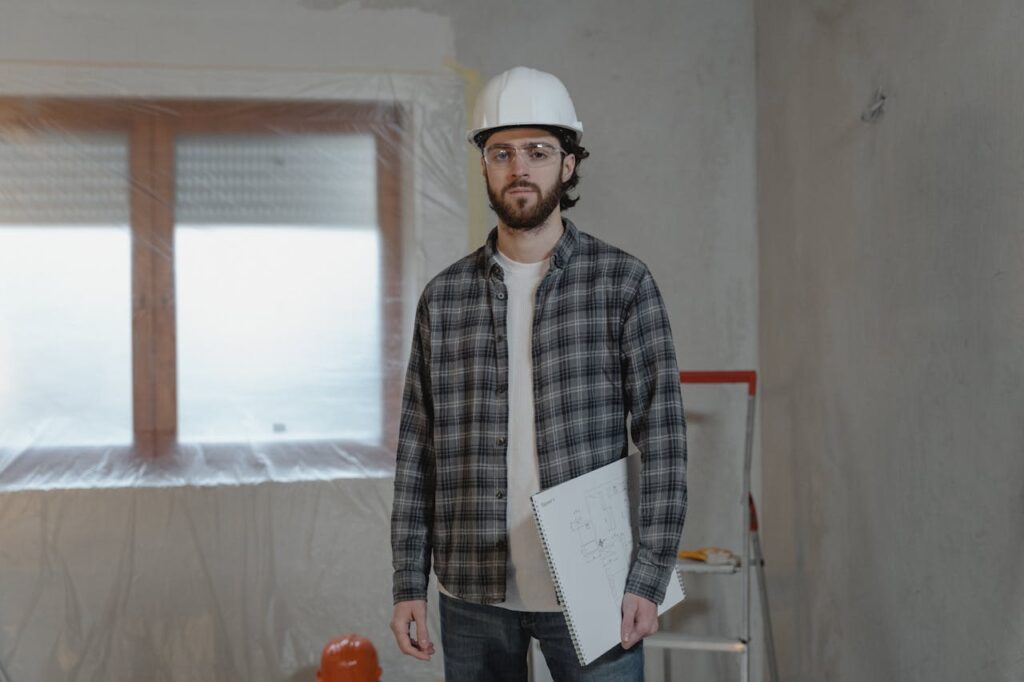
Commercial building repurposing delivers significant speed, cost control, and environmental benefits while breathing new life into communities. Success depends on methodical planning that addresses both the technical and market realities of each project.
Your path forward begins with three critical steps. First, conduct a comprehensive feasibility assessment that evaluates structural capacity, mechanical systems, and overall building condition. Second, engage early with local authorities for code and zoning review to understand regulatory requirements and identify potential approval challenges. Third, complete hazardous materials testing to uncover any asbestos, lead paint, or other environmental concerns that could impact timelines and budgets. Once these due diligence steps confirm project viability, align your program with the building’s structural constraints and local market conditions. Then develop a phased construction approach that minimizes disruption to ongoing operations and maintains business continuity throughout the project.
Ready to transform underused space into a functional, code-compliant asset? Contact EB3 Construction to discuss how we can coordinate design, permitting, and construction for your repurposing project.