When a 94-story skyscraper rises without delays or a bridge spans troubled waters on schedule, the secret often lies in decisions made months before ground breaks. Constructability analysis is the review of designs to see if they can be built effectively and safely. It focuses on feasibility, risks, and how we can deliver work with fewer surprises.
In preconstruction, we examine site logistics, material availability, existing conditions, and construction methods. Our analysis helps align artistry with reality so projects can be executed as planned. We coordinate with design teams early to catch issues before they become costly problems that disrupt schedules and budgets.
Why Does Constructability Analysis Matter In Preconstruction?

Cost reduction stands as the primary driver for implementing constructability analysis during preconstruction. When we identify design conflicts and construction challenges early, we prevent expensive field changes that can derail budgets. Research from the Construction Industry Institute shows that projects incorporating early constructability reviews experience 6-20% cost savings compared to traditional approaches.
Schedule compression becomes achievable through proactive problem-solving. By addressing potential construction obstacles before breaking ground, we eliminate delays caused by design revisions, material procurement issues, and sequencing conflicts. Early decisions create smoother workflows and reduce the likelihood of work stoppages.
The Cost Influence Curve Advantage
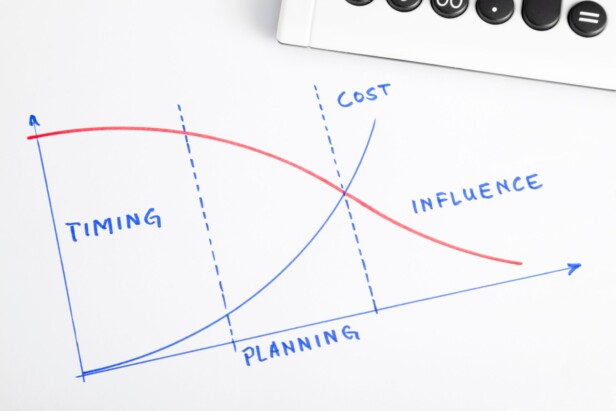
The cost influence curve demonstrates a fundamental construction principle: early decisions have exponentially greater impact on project outcomes than later changes. During conceptual planning and schematic design phases, modifications cost relatively little while offering maximum benefit. As projects advance through detailed design, procurement, and construction, the expense of changes increases dramatically.
We leverage this principle by conducting thorough constructability reviews when designs reach 40-60% completion. At this stage, we can still influence major systems, material selections, and construction methods without triggering significant redesign costs. Waiting until construction documents are complete reduces our ability to implement cost-effective improvements.
Quality And Safety Enhancement
Quality improvement emerges naturally from constructability analysis because we evaluate how designs translate into physical construction. When we identify potential execution challenges during preconstruction, we can refine details, clarify specifications, and eliminate ambiguities that lead to field confusion. Clear, buildable plans produce consistent results.
Safety considerations receive heightened attention through constructability review. We assess site constraints, evaluate construction sequencing for hazard potential, and identify opportunities to improve worker protection through design modifications. Safer construction methods often prove more efficient and cost-effective in the long run.
Environmental Impact And Resource Efficiency
Environmental impact reduction occurs when we optimize material selections, minimize waste generation, and plan efficient site logistics during preconstruction. Constructability analysis helps us identify opportunities to use local materials, reduce transportation requirements, and implement sustainable construction practices without compromising project goals.
Resource efficiency improves through careful evaluation of material availability, equipment requirements, and labor resources. We can adjust design elements to align with available resources, reducing the need for specialized materials or equipment that may cause delays or increase costs. This alignment between design intent and resource reality creates more predictable project delivery.
How And When Should A Constructability Review Be Run?
We structure constructability reviews as formal, facilitated sessions that bring together multidisciplinary teams. These sessions require construction input from the start. The review works best when architects, engineers, and construction professionals collaborate in organized workshops rather than informal discussions.
Timing determines the review’s effectiveness. We hold constructability reviews when design reaches 40 to 60 percent completion. At this stage, the design concept has stabilized, but enough flexibility remains for incorporating feedback without major delays. Reviews conducted too early waste effort on elements likely to change. Reviews held too late become costly to implement.
Capital Project Review Phases
Capital projects benefit from constructability reviews in both FEL 2 and FEL 3 phases. FEL 2 occurs around 40 percent design completion when the project scope has generally settled. FEL 3 happens at 60 percent completion when utility impacts have minimized and final right-of-way boundaries are set. Each phase serves distinct purposes in the front-end loading process.
We apply reviews to the full project scope rather than selected portions. Partial reviews miss critical interactions between building systems. Comprehensive coverage ensures we catch conflicts between disciplines before they reach the field.
Documentation And Site Assessment
Robust pre-read documents set up successful reviews. We provide complete drawings, specifications, and relevant project information before the session begins. Team members need sufficient time to study materials and prepare meaningful input. Poor preparation leads to ineffective sessions focused on basic clarifications rather than constructability improvements.
Site visits strengthen the review process when feasible. Walking the construction site helps team members understand existing conditions, access constraints, and neighboring impacts. We coordinate visits with key stakeholders to gather firsthand knowledge that drawings cannot fully convey.
Documentation And Follow-Through
We document identified issues and proposed actions during each session. Clear documentation captures the reasoning behind recommendations and prevents important items from being forgotten. Each action item receives an assigned owner and estimated benefit to ensure accountability.
Review outputs inform multiple project activities. Planning teams use findings to refine schedules and sequences. Critical path analysis incorporates constructability constraints. Permitting strategies account for identified regulatory considerations. Change management processes reference documented decisions when field questions arise.
When early reviews don’t occur, we address constructability during submittal and shop drawing cycles. This approach catches fewer issues and costs more to resolve, but it provides a safety net for projects that missed earlier opportunities. RFIs and change orders become the primary mechanisms for resolving constructability concerns that surface during construction.
What Should Teams Assess During Constructability Analysis?

Constructability analysis succeeds when teams examine specific principles that improve buildability and predictability. We focus on practical elements that reduce surprises during construction and keep projects on track.
Core Constructability Principles
Integration of construction knowledge means bringing field experience into design decisions from the start. We ensure experienced builders review plans, not just designers who may lack hands-on construction understanding.
Early involvement prevents costly changes later in the project. Teams that wait until construction documents are complete miss opportunities to address buildability issues when changes are still manageable and affordable.
Safety considerations examine whether proposed methods create unnecessary hazards. We review crane placement, temporary structures, fall protection needs, and confined space requirements to identify risks before they become incidents.
Standardization reduces complexity by using proven methods and familiar materials. When teams stick to established practices and standard details, construction proceeds more predictably with fewer coordination problems.
Resource and Access Planning
Resource availability and suitability assessment examines whether required materials, equipment, and labor are accessible when needed. We verify that specialized equipment can reach the work area and that skilled trades are available during critical installation phases.
Access planning for workers, equipment, and deliveries prevents bottlenecks that slow construction. Teams evaluate site circulation, staging areas, and delivery schedules to avoid conflicts between different trades and operations.
Material choices directly impact construction speed and quality. We assess whether specified products are readily available, whether installation methods are practical, and whether material properties match site conditions and construction methods.
External Variables and Technology Integration
External variables like codes and regulations shape what can be built and how. Weather patterns affect scheduling and construction methods, while geotechnical conditions influence foundation design and excavation approaches.
Environmental impact considerations examine how construction methods affect the surrounding area. We evaluate noise, dust, traffic disruption, and waste management requirements that could create project constraints or community relations issues.
Technology integration leverages tools like BIM to visualize 3D clashes and resolve coordination issues earlier. Digital models help teams understand complex assemblies and identify conflicts before they cause field problems.
Site Logistics and Sequencing
Site logistics planning examines how work flows through the project. We evaluate temporary utilities, material storage locations, equipment paths, and workspace organization to prevent conflicts between trades.
Sequence of construction affects nearly every other consideration. Teams assess whether the proposed building order is practical, whether trades can work efficiently without interfering with each other, and whether the schedule allows adequate time for each phase.
BIM models enable teams to test construction sequences virtually and identify potential clashes between building systems. This technology helps resolve issues in the digital environment rather than discovering problems during installation when changes are expensive and disruptive.
How Does Constructability Analysis Relate To Value Engineering And Modern Tools?
Constructability analysis and value engineering serve distinct purposes in the preconstruction phase. While both processes enhance project outcomes through early collaboration, they address different aspects of design optimization and execution feasibility.
Constructability analysis examines whether designs can be built as intended. We focus on feasibility, safe execution, and identifying potential construction challenges before they impact the field. This process evaluates site logistics, material availability, equipment access, and construction sequencing to ensure designs translate effectively from concept to reality.
Value engineering takes a different approach. It seeks to optimize project value by finding alternatives that maintain function while reducing costs. This might involve selecting different materials, simplifying complex details, or adjusting specifications to achieve the owner’s goals more efficiently. Value engineering asks whether we can deliver the same outcome through better methods or selections.
The Complementary Nature Of Both Processes
These processes work best when integrated during the design phase. Both benefit from early contractor input and multidisciplinary teamwork. When we bring construction expertise into design discussions, we can simultaneously assess buildability while identifying opportunities for value optimization.
A structural beam selection illustrates this relationship. Constructability analysis verifies that the chosen beam can be delivered to the site, lifted into position with available equipment, and installed safely within the existing constraints. Value engineering examines whether an alternative beam specification could achieve the same structural performance at lower cost or with faster installation.
Modern Technology Transforms Both Approaches
Building Information Modeling has revolutionized how we conduct both constructability analysis and value engineering. BIM enables detailed 3D reviews, better coordination, and quicker issue resolution by creating object-oriented models where building components are recognized as specific elements with attached properties and metadata.
Through BIM collaboration, we can visualize construction sequences, identify spatial conflicts, and test alternative approaches before physical work begins. The 3D model allows us to walk through the building virtually, examining access routes for equipment and materials while evaluating different installation methods.
This technology bridges the traditional gap between design and construction teams. Instead of waiting for completed drawings, contractors can identify issues and propose solutions in real time as the model develops. The collaborative environment enables simultaneous constructability review and value engineering analysis.
Managing Unresolved Issues Through Structured Processes
Despite thorough preconstruction analysis, some items inevitably surface during construction. We handle these through established change management processes that protect both schedule and budget integrity.
Requests for Information address unclear or conflicting design details discovered in the field. When construction teams encounter situations not adequately covered in the documents, RFIs seek clarification from the design team while documenting the issue for resolution.
Change orders formalize modifications to the original contract scope. Whether driven by unforeseen site conditions, design adjustments, or owner-requested alterations, change orders define the work modification, cost impact, and schedule implications through a structured approval process.
Experience and collaboration consistently improve outcomes across both constructability analysis and value engineering efforts. Teams that regularly work together develop shared understanding of what works effectively on different project types. This accumulated knowledge, combined with modern digital tools, enables more accurate assessments and better solutions during preconstruction planning.
Conclusion And Next Steps

Constructability analysis creates a bridge between design aspirations and construction realities. The process demands strategic timing and systematic execution to deliver maximum value. When we apply this methodology correctly, projects flow with fewer disruptions and tighter cost control.
Early involvement during preconstruction sets the foundation for success. We schedule formal reviews when designs reach 40-60% completion, ensuring feedback can be incorporated without significant rework. For capital projects following the front-end loading methodology, we conduct structured reviews during both FEL 2 and FEL 3 phases. This timing allows our multifunctional team to identify constraints before they become costly problems. Site visits provide essential context that drawings cannot capture, while robust documentation with clear ownership assignments keeps momentum moving forward.
The core principles guide our approach: safety protocols that protect workers, standardization that streamlines execution, logistics planning that prevents bottlenecks, and resource assessments that ensure availability. BIM technology enhances our ability to surface coordination issues through 3D visualization and clash detection. When constructability items emerge later in the process, we manage them through structured RFIs and change orders to protect both schedule and budget integrity.
Ready to strengthen your project delivery through constructability analysis? Contact EB3 Construction to discuss how our preconstruction expertise can align your design intent with construction reality.