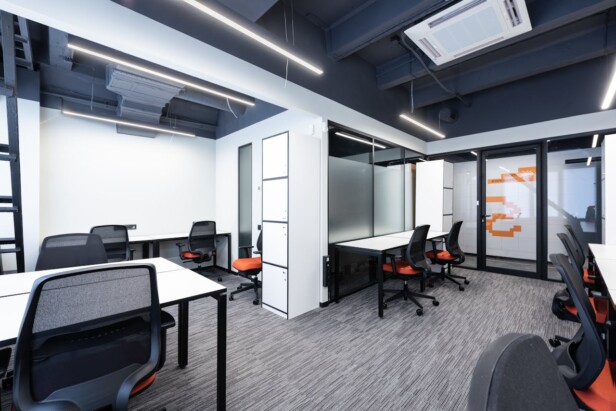
Nearly 84% of coworking members report improved work engagement after joining these flexible environments, according to Small Business Labs research. The key driver behind this satisfaction is a thoughtful coworking space buildout that transforms raw office space into productive, community-focused work environments.
A coworking space buildout represents the comprehensive fit-out of an office to support flexible work arrangements. We coordinate layout design, furniture and fixtures, amenities, utilities, and technology to create zones for focus, collaboration, privacy, and wellness. This process extends beyond simple space planning to include location considerations like transit access, parking availability, and neighborhood demand that directly influence design decisions and operational success.
What Spaces And Features Should Your Buildout Include?
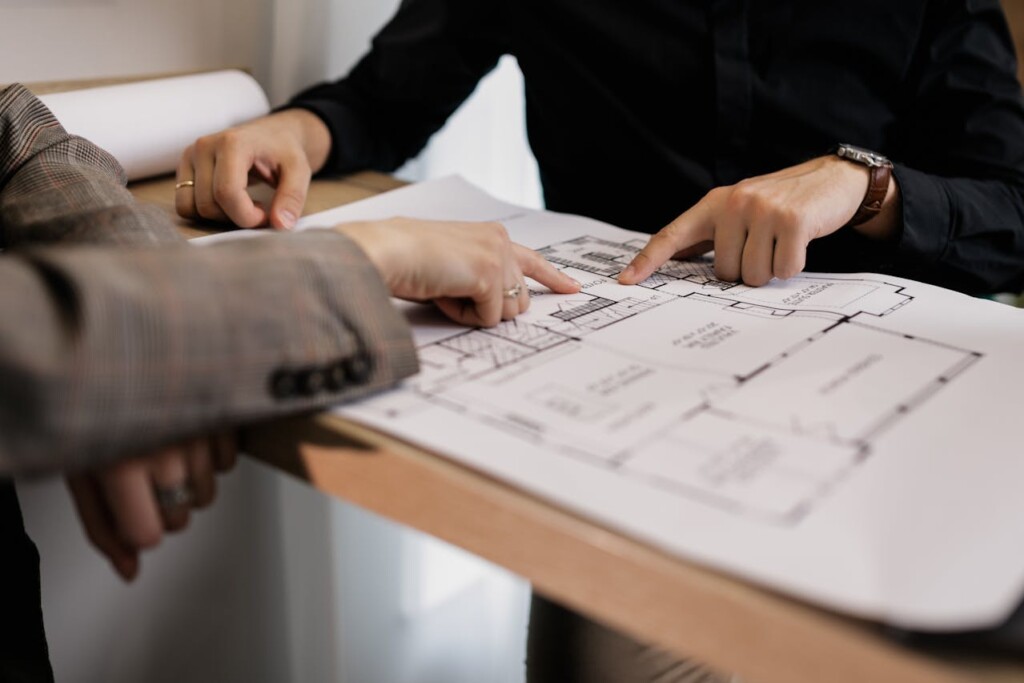
Successful coworking layouts require strategic space allocation that accommodates different work modes and member preferences. We design buildouts around core zones that support focused work, collaboration, privacy needs, and community building.
Core Zone Allocation Strategy
Open workspace should dominate your floor plan at 60-70% of total area. This includes hot desks with versatile furniture, comfortable lounge areas for informal collaboration, and flexible zones that adapt to changing member needs throughout the day.
Meeting spaces require 10-15% allocation to handle client presentations, team brainstorming sessions, and video conferences. These rooms need soundproof construction, integrated whiteboards for creative sessions, and reliable video conferencing equipment that connects seamlessly with remote participants.
Private offices occupy 10-15% of space, offering quiet focus areas with named doors that create a professional image for established teams. We equip these with high-resolution monitors and dedicated storage to support members who need consistent, distraction-free environments.
Restrooms and amenities demand 2-5% allocation, covering essential facilities plus kitchen or kitchenette areas, printing stations for document needs, and water access points distributed throughout the space.
Relaxation and wellness zones round out the allocation at 2-5%, incorporating meditation rooms or yoga spaces that help members decompress and maintain work-life balance during demanding schedules.
Essential Features For Member Support
Quiet library zones and phone booths provide crucial privacy options for sensitive calls or deep focus work. These soundproof spaces prevent disruptions while maintaining the open, collaborative feel of the main workspace areas.
The kitchen functions as a community hub where members connect over coffee breaks and shared meals. We design these spaces to encourage interaction while providing full amenities including refrigeration, microwave access, and comfortable seating arrangements.
Power access proves critical throughout every zone, with abundant outlets and USB charging integrated into desks, lounge furniture, and meeting areas. Members should never struggle to keep devices charged during productive work sessions.
Reliable Wi-Fi infrastructure supports all activities from video calls to file transfers. We install enterprise-grade systems with sufficient bandwidth and coverage to eliminate dead zones or connection issues that interrupt workflow.
Printing stations, office supplies, and cleaning supplies complete the operational support structure. Members expect easy access to basic business tools without leaving the building or interrupting their productivity rhythm.
These integrated elements create comfortable, productive environments where members can focus on their work while building meaningful professional relationships within a well-designed community space.
How Should Location And Community Strategy Shape The Buildout?
Location drives everything in our coworking space buildouts. We start by assessing transit access and parking capacity because these fundamentals determine member accessibility and retention. Properties near subway stations or bus lines reduce parking pressure, while suburban locations require dedicated parking spaces to remain viable.
Neighborhood demand patterns shape our buildout decisions significantly. Professional districts call for formal meeting rooms and sophisticated finishes, while creative neighborhoods benefit from open collaboration zones and flexible furniture arrangements. We evaluate local demographics and existing workspace competition to inform our design direction.
Planning For Pre-Launch Community Building
Pre-launch marketing shapes our physical space requirements. Social media campaigns and newsletter sign-ups help us gauge demand for specific amenities, but they also require dedicated photography zones and brand-consistent design elements. We build these marketing considerations into our initial layouts.
Our buildouts include dedicated areas for open house events from day one. These spaces need flexible furniture configurations and clear sightlines to showcase the full workspace. We design entries and reception areas specifically to handle tour traffic without disrupting daily operations.
Designing For Ongoing Events And Engagement
Networking events require flexible gathering areas that can accommodate different group sizes. We incorporate movable partitions and modular furniture to transform spaces quickly. Research shows that well-designed spaces with natural light and diverse seating options create better networking environments for members.
Catering-friendly kitchens become essential for workshops and member events. We design kitchen spaces with adequate counter space, commercial-grade appliances, and easy cleanup capabilities. Storage for event supplies and serving equipment gets built into our kitchen planning from the start.
AV-ready rooms support both daily meetings and special events. We run conduit and power to support projection systems, sound equipment, and live streaming capabilities. These technical requirements influence room layouts and ceiling designs during construction.
Supporting Daily Member Interactions
Inviting lobbies encourage spontaneous conversations between members. We design reception areas with comfortable seating clusters and adequate natural light. Clear wayfinding reduces confusion and helps members navigate confidently.
Easily bookable spaces require both physical design and system integration. We plan room layouts that work with digital booking displays and mobile apps. Room scheduling hardware gets incorporated into our electrical and network planning.
Accessibility considerations extend beyond ADA compliance to create genuinely inclusive environments. We position elevators centrally, ensure wide corridors throughout, and design workstations that accommodate various mobility needs. Good accessibility design benefits all members and supports community building across diverse populations.
What Drives Cost And Schedule In A Coworking Space Buildout?
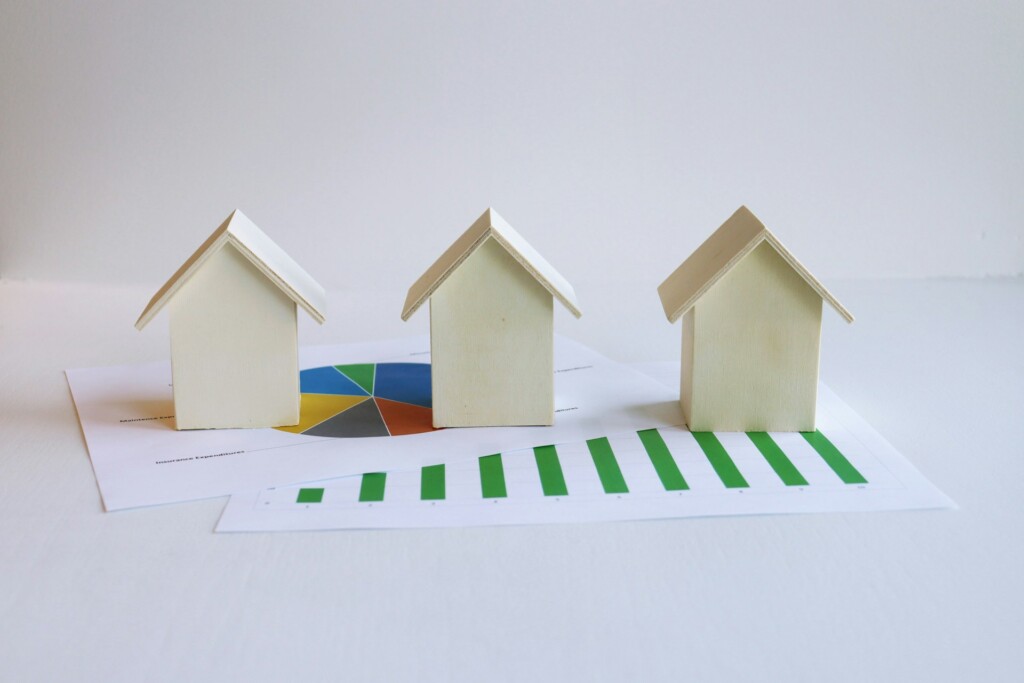
Budget drivers and timing risks create the biggest challenges we face in coworking space development. Construction costs vary dramatically based on scope, location, and quality expectations. Schedule delays can derail opening dates and push operational expenses well beyond initial projections.
Typical Cost Factors
Renovation represents the largest expense category in most buildouts. Standard construction costs average about $65 per square foot for basic improvements including painting, flooring, and office partitions. Premium locations or high-end finishes can push these costs significantly higher, especially in major metropolitan markets.
Furniture and decor expenses extend beyond basic desks and chairs. Ergonomic seating, lounge furniture, and collaborative workstations require substantial capital investment. Quality pieces that withstand heavy daily use cost more upfront but reduce replacement expenses over time.
IT setup demands careful budgeting for routers, switches, and comprehensive cabling throughout the space. Network infrastructure must support high-bandwidth activities across multiple zones simultaneously. Professional installation and testing add to initial technology costs but ensure reliable connectivity from day one.
Legal and permit fees vary by jurisdiction but represent unavoidable expenses. Complex projects require architectural drawings, structural reviews, and multiple inspections. Security deposits and initial rent payments create additional cash flow requirements before revenue generation begins.
Operational Cost Categories
Monthly operational expenses begin accumulating before the space opens to members. Rent or mortgage payments represent the largest fixed cost, typically ranging from 30 to 50 percent of total operating expenses. Staff salaries for community managers, maintenance, and administrative support create ongoing payroll obligations.
Utilities encompass internet service, electricity, and HVAC systems that must operate continuously. High-speed internet requires business-grade service with redundancy options. Climate control systems work harder in open-plan environments with varying occupancy levels throughout the day.
Software subscriptions for booking systems, access control, and member management platforms add monthly recurring costs. Marketing expenses support member acquisition and retention efforts. Office supplies, cleaning materials, and maintenance items create ongoing procurement needs.
Schedule Risks
Permitting and approvals present the most unpredictable timeline variables. Standard commercial buildouts can take upward of a year from initial application to final approval. Heritage buildings or high-traffic areas face additional restrictions that extend review periods and limit design options.
Material sourcing challenges have intensified across the construction industry. Supply chain disruptions affect everything from basic building materials to specialized furniture and technology equipment. Lead times for custom millwork, branded signage, and commercial-grade furniture can stretch several months.
Contractor availability fluctuates with local market conditions. Experienced teams specializing in commercial buildouts often have full schedules months in advance. Weather delays, inspection scheduling, and coordination between multiple trades can extend construction timelines beyond initial estimates.
We recommend building contingencies of 15 to 20 percent for both budget and schedule. This buffer accommodates permit delays, supply chain issues, and market-specific requirements that emerge during construction. Early engagement with architects, contractors, and permitting authorities helps identify potential bottlenecks before they impact critical path activities.
Which FF&E, Utilities, And Technologies Are Mission-Critical?
When we execute a coworking space buildout, we prioritize three fundamental categories: furniture and fixtures that support long hours of productive work, comprehensive amenities that create community appeal, and robust utilities and technology that function seamlessly behind the scenes. Each category demands careful specification to ensure member satisfaction and operational reliability.
Furniture And Fixtures
We specify ergonomic furniture as the foundation of member comfort and retention. Ergonomic chairs and sit-stand desks address the health concerns of professionals spending extended hours at workstations. These adjustable solutions accommodate different body types and working preferences while reducing fatigue and physical strain.
Modular furniture systems prove essential for operational flexibility. We select durable pieces that allow reconfiguration as membership needs change or event requirements shift. This modularity extends to storage solutions, partition systems, and even lighting fixtures that can adapt to evolving space demands without requiring full reconstruction.
Community-focused furniture creates the collaborative atmosphere that differentiates coworking from traditional offices. Lounge seating arrangements, communal tables, and flexible meeting furniture encourage spontaneous interactions while supporting formal collaboration activities.
Essential Amenities
We design kitchen facilities as community hubs that extend beyond basic refreshment needs. Well-equipped kitchens with commercial-grade appliances, ample counter space, and comfortable seating areas become natural gathering points that foster member connections. These spaces must accommodate catering for events while serving daily coffee culture and informal meetings.
Practical amenities like printing stations, office supply access, and cleaning supplies ensure members can focus on their work rather than sourcing basic necessities. We position these utilities strategically to maintain accessibility without disrupting quiet work areas.
Wellness and quiet rooms address the growing demand for mental health support in workplace design. These spaces provide refuge from open-plan energy and support activities like meditation, phone calls requiring privacy, or simply decompressed thinking time.
Technology And Infrastructure
High-speed, business-grade internet forms the backbone of any successful coworking operation. We specify fiber connections with backup connectivity options to ensure continuous service even during primary system maintenance or outages. Mesh Wi-Fi systems with multiple access points eliminate dead zones while supporting segmented networks that maintain security across different user groups.
Power infrastructure requires strategic planning throughout the space. We integrate abundant electrical outlets and USB charging access across all zones, eliminating the daily frustration of device management that can drive members to competitors. This includes floor-mounted power in open areas, built-in charging at lounge seating, and dedicated power distribution in meeting rooms.
Acoustic solutions protect productivity in shared environments. Soundproof phone booths provide private calling spaces without disrupting surrounding work areas. We specify acoustic treatments that manage noise levels while maintaining the energy of collaborative spaces.
AV-ready meeting rooms with integrated video conferencing capabilities support the hybrid work patterns that define modern business operations. These systems must be intuitive enough for members to operate independently while providing professional-quality audio and visual performance for client presentations and team meetings.
Access control systems enable secure, 24/7 operations while streamlining member experience. We implement keyless entry solutions that integrate with room booking systems, allowing seamless access to reserved spaces while maintaining security protocols. These systems provide detailed usage analytics that inform operational decisions and space optimization strategies.
The goal across all technology implementations remains transparency to the user experience. Members should barely notice these systems because they consistently perform their intended functions without requiring troubleshooting or workarounds.
Conclusion and Next Steps for a Successful Buildout
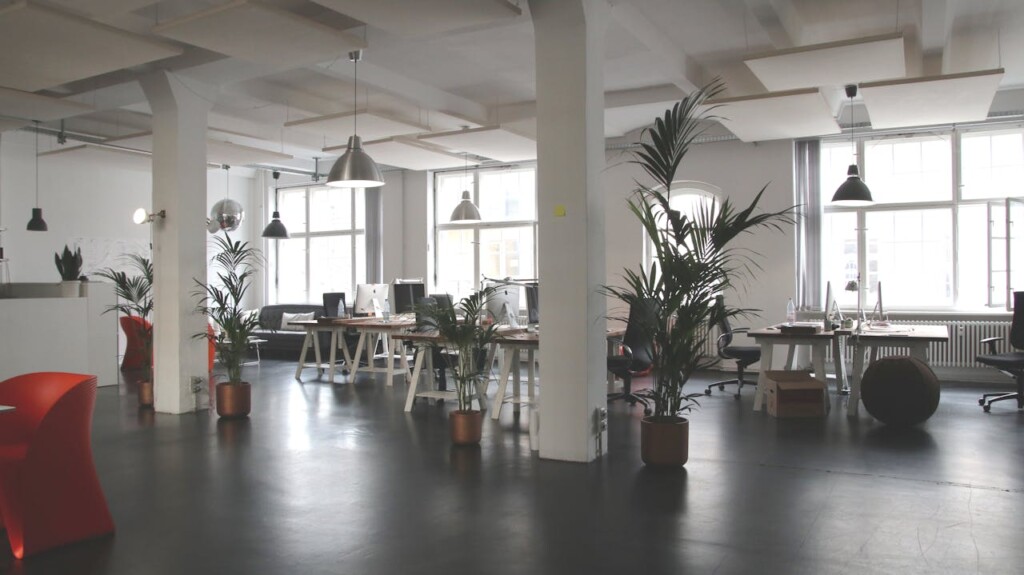
A successful coworking space buildout requires careful coordination of four core elements: strategic location selection, comprehensive programming, realistic budget planning, and integrated building systems. We’ve seen how each component builds upon the others, from initial site evaluation through final pre-launch marketing.
Begin with clear market definition and revenue modeling. Understanding your target demographic drives every subsequent decision, from space allocation to technology specifications. Set budgets that account for both predictable costs and inevitable contingencies. Permitting delays and supply chain disruptions are common realities we build into our project timelines. Allocate space thoughtfully across open work areas, meeting facilities, private offices, amenities, and wellness zones. Each serves distinct member needs while contributing to the overall community dynamic.
Technology and building systems demand particular attention. High-speed internet, comprehensive power distribution, access control, and AV integration form the invisible backbone that enables seamless daily operations. When these systems function reliably, members focus on their work rather than technical frustrations. Plan community events and marketing initiatives from day one. Pre-launch engagement builds anticipation and ensures opening day momentum rather than scrambling to fill an empty space.
Ready to move forward with your coworking space buildout? Contact EB3 Construction to discuss how we can bring your vision to life.