
Seventy percent of new commercial construction begins as a shell structure, according to industry data. Grey shell retail construction delivers a building with a completed exterior but leaves the interior completely unfinished. The approach creates a blank commercial space where retailers can design custom layouts without working around existing finishes.
We build grey shells with bare walls, unfinished floors, and minimal interior systems. Most include utility allowances or connection points, basic HVAC units without controls, and sprinkler systems positioned for future installation. This shell-and-core method gives tenants complete control over their fit-out while reducing initial construction costs for developers.
How Does A Grey Shell Compare To A Vanilla (Warm/White) Shell For Retail?
A vanilla shell brings retail spaces much closer to move-in ready condition. These warm shells typically include electrical panels and outlets, finished ceilings with lighting, finished bathrooms, and HVAC ducts and controls. The floors are either finished or sealed concrete, and the sprinkler system is functional and properly positioned.
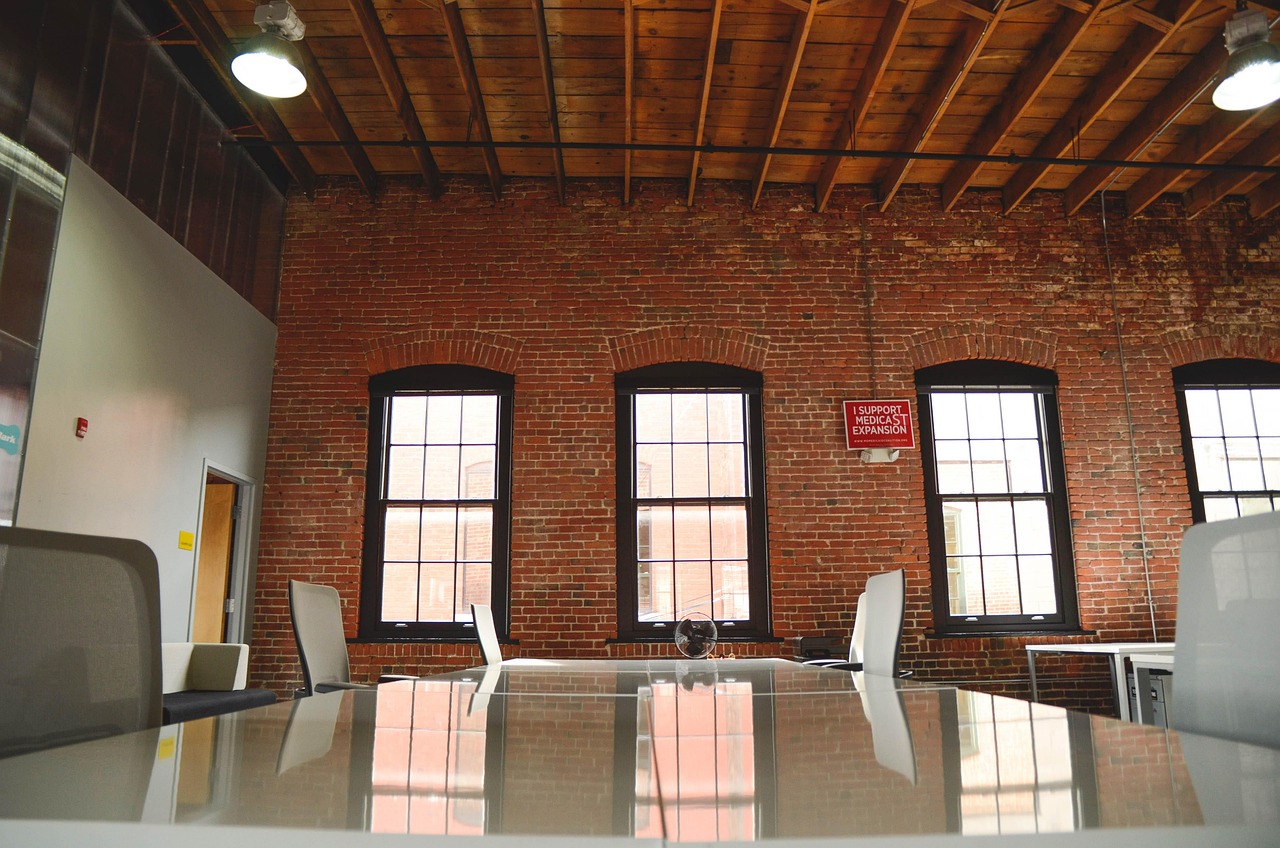
Grey shells take a more basic approach. These spaces generally lack plumbing and electrical systems, feature unfinished floors, and have bare walls. However, they may include utility allowances or connection points, an HVAC unit without ductwork or controls, and sprinklers that are not yet dropped to the final ceiling height.
Speed Versus Customization
Warm shells deliver faster occupancy timelines for retail tenants. The existing infrastructure accelerates the retail fit-out timeline significantly. Build-out for a vanilla shell can be 30-50% faster compared to a cold dark shell, allowing businesses to start generating revenue sooner.
Grey shells require more extensive build-out work but enable complete customization. Retailers can design mechanical systems, electrical layouts, and HVAC distribution exactly to their operational requirements without working around existing infrastructure.
Cost Structure Differences
The cost equation shifts dramatically between these shell types. Grey shells typically lower upfront materials and labor costs at the shell construction stage. However, tenants carry the full burden of installing interior systems and finishes, which can range from $30 to over $100 per square foot depending on customization levels.
Vanilla shells command higher initial rents but reduce tenant build-out expenses. The finishing costs for warm shells typically run between $5 to $20 per square foot since basic infrastructure already exists.
| Feature | Vanilla Shell | Grey Shell |
|---|---|---|
| Walls | Fire taped and ready to paint | Bare stud walls |
| Flooring | Sealed concrete or finished floor | Unfinished subfloor |
| Ceiling | Finished with lighting | No ceiling, exposed structure |
| HVAC | Installed and functional with controls | Unit present but no ductwork or controls |
| Plumbing | Finished with fixtures | Rough plumbing, no fixtures |
| Electrical | Panel and outlets installed | Basic electrical infrastructure |
| Sprinkler System | Operational and properly positioned | Installed but not dropped to finished height |
| Cost per square foot | $5 to $20 | $30 to over $100 |
| Move-in Time | Quicker, more move-in ready | Requires extensive build-out work |
Infrastructure Readiness
The infrastructure differences between these shells affect construction scheduling and coordination. Vanilla shells include operational electrical panels, finished HVAC ducts and controls, and properly positioned sprinkler systems. This existing infrastructure streamlines the build-out process but can limit layout flexibility.
Grey shells provide utility allowances rather than finished systems. We often find HVAC units on site but without ductwork or controls installed. The sprinkler system may be present but not dropped to final ceiling height, requiring coordination with ceiling installation during build-out.
What Is Typically Included (And Not Included) In A Grey Shell Retail Space?
When we hand over a grey shell retail space to our clients, we deliver specific infrastructure elements while leaving others for tenant build-out. The completed exterior forms the foundation of what tenants receive. This includes structural walls, roofing, windows, and entry doors that protect the space from weather and provide security.
Utility allowances represent another standard inclusion in grey shell scope. We typically provide connection points for essential services like sewer lines, though the exact positioning varies by project requirements. These connections give tenants access to municipal utilities without the expense of running new service lines to the building.
Basic Infrastructure And Systems
Many grey shells include an HVAC unit positioned on site, though this equipment lacks the ductwork and controls needed for operation. The unit provides the foundation for climate control, but tenants must complete the distribution system to serve their specific layout. This approach allows retailers to design airflow patterns that support their intended use.
Fire protection comes through a basic sprinkler system that meets code requirements for the shell condition. However, the sprinkler heads remain at the structural ceiling level rather than being dropped to accommodate future finished ceiling heights. This configuration protects the building during construction while preserving flexibility for tenant improvements.
What Remains Unfinished
Interior systems require tenant investment to reach operational status. Finished ductwork falls outside the grey shell scope, leaving HVAC distribution as part of the build-out process. Interior plumbing and electrical runs also remain uninstalled, though we may provide utility rough-ins or designated electrical room space for future panels.
Finished surfaces represent the largest exclusion from grey shell delivery. Ceilings stay exposed, showing structural elements, mechanical systems, and sprinkler infrastructure. Floors remain as structural slabs without final treatments like concrete sealing, tile, or other retail-appropriate finishes. Wall surfaces appear as bare framing or basic sheathing without drywall, insulation, or paint.
The distinction between cold and warm shells affects heating availability during construction and early occupancy phases. Grey shells typically operate as cold shells, meaning the space lacks climate control until tenants complete HVAC installation and commissioning.
What Are The Benefits And Trade-Offs For Retail Landlords And Tenants?

Grey shells deliver significant tenant customization advantages. Retailers can design their retail layout around specific brand requirements and customer flow patterns. Equipment placement becomes more strategic when starting from a blank canvas rather than working around existing fixtures.
Budget efficiency improves with grey shells since tenants avoid paying for finishes they would remove anyway. Funds flow directly to features that support operations rather than covering removal costs for unwanted elements. We see this particularly with specialty retailers who need unique spatial configurations.
Landlords benefit from reduced initial investment when delivering grey shells. The lower upfront capital requirement allows property owners to appeal to a wider range of potential uses. This flexibility supports occupancy rates in cost-sensitive markets where tenants prioritize customization over immediate move-in capability.
The trade-offs center on time and responsibility shifts. Tenants take on interior systems installation, electrical runs, HVAC distribution, and all finish work. This adds months to occupancy timelines and increases tenant build-out costs substantially compared to move-in ready spaces.
Landlords face extended vacancy periods when marketing bare spaces. The right tenant for a grey shell requires more specific needs and often takes longer to identify. Carrying costs accumulate during these extended marketing periods, including property taxes, insurance, and basic maintenance expenses.
Code compliance becomes simpler with grey shells for specialized retail uses. Starting from an unfinished interior eliminates retrofit challenges that arise when adapting existing layouts. Healthcare retail, restaurant concepts, and technology stores often find grey shells reduce permitting complexity compared to modifying pre-built interiors.
How Do Retail Build-Outs Proceed From A Grey Shell?
The build-out process transforms a grey shell into a fully operational retail space through systematic installation of essential systems and finishes. We coordinate these improvements to make the space ready for occupancy while meeting code requirements and lease obligations.
Build-out begins with infrastructure installation including partition walls that define the retail layout and customer flow patterns. We install electrical fixtures and lighting systems to support retail operations and create an inviting shopping environment. Plumbing connections serve restrooms and potential food service areas, while HVAC distribution provides climate control throughout the space.
Material provision varies by landlord arrangement. Some property owners purchase materials and leave them in the unfinished spaces for tenant installation. Others offer a rent-free fit-out period instead of providing materials, allowing tenants to source their own components and complete the work without rental obligations during construction.
Type A Build-Out Delivers Basic Infrastructure
Type A build-out involves the developer or landlord completing fundamental improvements before tenant occupancy. This approach typically includes interior surface finishes, basic mechanical and electrical services, and structural elements like raised access floors or grid ceilings.
We coordinate Type A improvements to establish the foundation for tenant operations. These installations include fire protection systems, basic plumbing connections, and HVAC systems with minimal controls. The goal is creating a semi-finished space that tenants can customize without major infrastructure work.
Type A build-outs reduce tenant improvement costs by handling complex systems integration upfront. However, tenants must work within the provided layout and system configurations, which may limit customization options for specialized retail operations.
Type B Build-Out Enables Complete Tenant Control
Type B build-out places all interior improvements under tenant responsibility, starting from the basic shell condition. Tenants design and install reception areas, specialized lighting, furniture, branding elements, and operational spaces like stockrooms or employee areas.
We manage Type B projects by coordinating tenant requirements with building systems and code compliance. This process includes installing partition walls, flooring finishes, custom millwork, and technology infrastructure specific to retail operations. Meeting rooms, employee break areas, and point-of-sale stations are configured according to tenant specifications.
Type B build-outs offer maximum flexibility for retailers with specific operational needs or strong brand identity requirements. The approach works well for businesses that need specialized fixtures, unique layouts, or equipment that standard build-outs cannot accommodate.
Contract Definition And Building Envelope Considerations
Contracts must clearly define practical completion standards and specify which party handles each aspect of code compliance. We work with landlords and tenants to establish completion criteria, inspection responsibilities, and system performance standards before construction begins.
Building envelope choices significantly impact energy performance and long-term operational costs. Loose envelope construction allows more air exchange but reduces HVAC efficiency, while tight envelope buildings maintain conditioned air but may require enhanced ventilation systems. We align envelope strategies with HVAC system design during early planning to optimize both construction costs and ongoing energy expenses.
Local code requirements vary by jurisdiction and retail use type, affecting everything from egress widths to fire suppression systems. We coordinate with building officials early in the design process to ensure all improvements meet current standards and avoid costly modifications during construction.
Conclusion And Next Steps
Grey shell retail construction delivers the foundation for custom retail environments that match tenant operations exactly. When evaluating shell options, we consider timeline constraints, construction budgets, and the level of customization required to achieve the intended retail experience. The decision between grey and vanilla shells shapes not just upfront costs but the entire project delivery sequence.
We establish clear lease terms that define shell condition boundaries, utility connection responsibilities, and HVAC status before construction begins. Build-out approach selection between Type A and Type B delivery affects both tenant improvement allowances and completion schedules. Early coordination on code compliance requirements prevents costly redesigns during construction, while aligning building envelope performance with retail systems optimizes both energy efficiency and occupancy timelines. These planning decisions directly impact project costs and opening schedules for retail tenants.
Ready to plan your next retail shell project? Contact EB3 Construction to discuss shell delivery options that align with your development timeline and tenant requirements.