Successful rental yards manage diverse fleets serving contractors, landscaping companies, and industrial operations across several equipment categories. We design facilities around forklifts, excavators, skid steers, telehandlers, boom lifts, bulldozers, and specialized vehicles that drive rental revenue.
The scope extends beyond earthmoving machines to include small tools, landscaping equipment, and climate control solutions. Most locations also operate maintenance shops, maintain parts inventory, and run equipment sales programs, with standard weekday hours from 7:00 a.m. to 5:00 p.m.
Which Equipment Categories Should The Facility Be Planned To Handle?
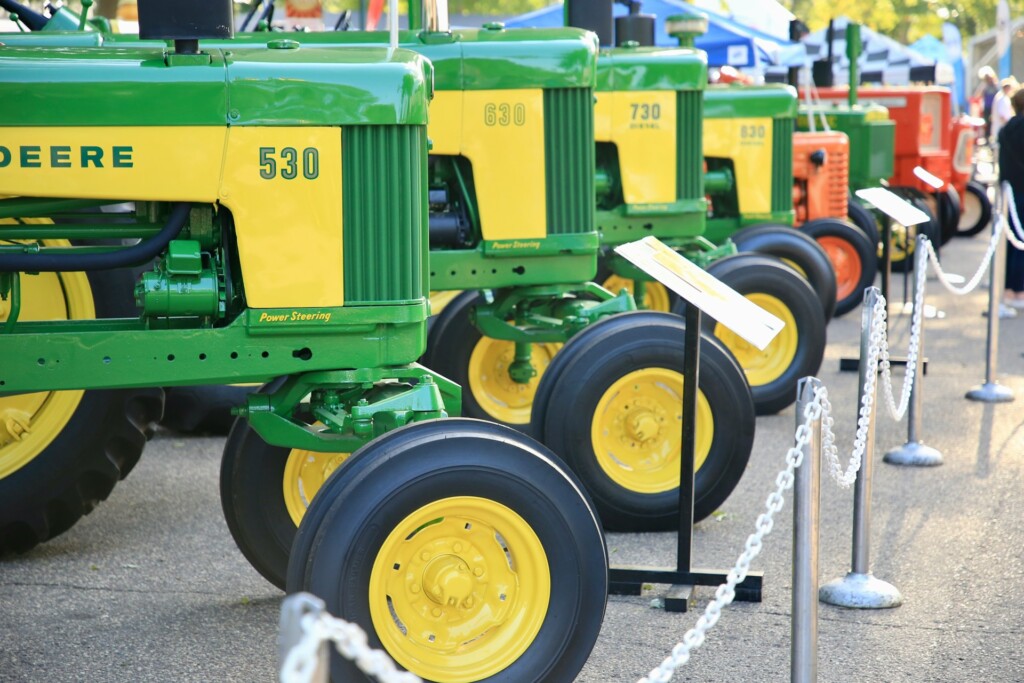
When we design heavy equipment rental facilities, organizing by equipment category ensures proper storage, maintenance access, and efficient operations. Industry data show that rental inventories cluster around specific machine types that generate consistent demand across construction, landscaping, and industrial markets.
We plan facility zones based on five primary equipment categories that appear consistently in rental listings nationwide.
Aerial Work Platforms
Aerial platforms require designated storage areas with adequate ceiling height and charging stations for electric models. Electric scissor lifts need 120V or 240V charging capabilities, depending on size.
Articulating and telescopic boom lifts require higher-clearance zones because of their extended reach. Vertical mast lifts offer compact storage footprints but still require climate-controlled areas to protect hydraulic systems.
Rough-terrain scissor lifts need outdoor staging areas with firm, level surfaces for safe operation demonstrations and pre-rental testing.
Earthmoving Equipment
Earthmoving machinery represents the highest-value category in most rental fleets. Mini excavators require covered storage to protect operator cabs and hydraulic components from weather exposure.
Track excavators and dozers need heavy-duty concrete pads capable of supporting 15 to 30 tons per machine. Compact track loaders and track skid loaders benefit from wash bay access since they frequently return with significant soil and debris buildup.
Backhoes require both indoor and outdoor staging areas depending on seasonal demand patterns and maintenance schedules.
Material Handling Equipment
Telehandlers with various reaches and capacities need organized storage that accommodates their different boom extensions. We design facilities with adjustable bay configurations to handle units ranging from 19-foot to 55-foot reach capacities.
Industrial and warehouse forklifts require charging infrastructure for electric models, along with propane storage areas for LP units. Carry deck cranes need specialized rigging storage adjacent to the machines for quick deployment.
Agriculture and Landscaping Equipment
Seasonal equipment such as stump grinders and chippers need flexible storage solutions that accommodate fluctuating inventory levels throughout the year. Trenchers and aerators require maintenance bays equipped with hydraulic service capabilities.
Sod cutters and utility vehicles benefit from covered storage during off-season months. Tractors need secure areas with battery maintenance access and implement storage for various attachments.
Compressed Air and Power/HVAC Solutions
Diesel air compressors require compliance with fuel storage regulations and ventilated areas for testing and maintenance. Generators need load bank testing capabilities and secure fuel management systems.
Climate control solutions require covered storage with electrical testing stations for pre-rental verification. These units often need to deploy quickly, so facility design should prioritize fast loading access for delivery trucks.
What Services And Support Spaces Are Common In Rental Facilities?
Equipment maintenance and repair operations form the backbone of successful rental facilities. We design dedicated service bays for both preventive maintenance and emergency repairs, staffed by OEM-certified technicians.
Modern rental operations rely on data-driven scheduling systems that generate real-time alerts for maintenance needs and digital work orders. These systems track machine hours across customer rentals and internal operations, helping facilities manage tailored maintenance plans by equipment type.
Maintenance and Repair Infrastructure
We plan service areas to support in-shop repairs and on-site service. Facilities need space for OEM-certified technicians to perform routine maintenance, repair damage, and handle annual inspections.
Service bays accommodate the distinction between soft-down and hard-down equipment status. Soft-down units may still be rented with minor issues, while hard-down equipment requires complete repair before returning to the fleet.
Digital work order management systems require dedicated office space and network infrastructure. These tools track repair progress, preventing equipment from being booked when unavailable for service.
Small Tool Rental Operations
Hand tools, pneumatic tools, and electric and hydraulic power tools need organized storage systems separate from heavy equipment. We design tool checkout areas with easy customer access and inventory tracking capabilities.
Small tool operations often include specialized storage for items like DEWALT workspaces, cordless drills, pallet jacks, cut-off saws, compactors, and brick saws. These areas require secure storage with clear organization systems for quick retrieval.
Parts Support and Inventory Management
Parts operations require warehouse space for both OEM and aftermarket components. Facilities stock filters, service kits, engine parts, and safety gear with organized inventory systems.
We plan parts counters with direct access to service bays and customer areas. Digital inventory tracking links parts usage to specific work orders and machine histories, supporting accurate billing and warranty claims.
Parts storage needs climate control for sensitive components and secure areas for high-value items. Organized systems allow technicians to quickly locate needed parts during repairs.
Used and New Equipment Sales Areas
Sales operations need display areas for used equipment inventory, including skid steers, excavators, rollers, aerial lifts, and forklifts. We design these spaces with easy customer access and clear sight lines to showcase available machines.
New equipment sales require different considerations, often with covered areas to protect inventory from weather. Sales offices need space for financing discussions and paperwork processing.
Customer Equipment Solutions
On-demand inspections and managed maintenance programs require additional service capabilities beyond rental fleet maintenance. We plan space for customer-owned equipment to receive the same level of service as rental units.
Jobsite services require mobile service truck storage and equipment staging areas. These operations need space for service vehicles, a parts inventory for field repairs, and coordination areas for dispatching technicians to customer locations.
How Do Site Layout And Storage Needs Show Up In Real Facilities?
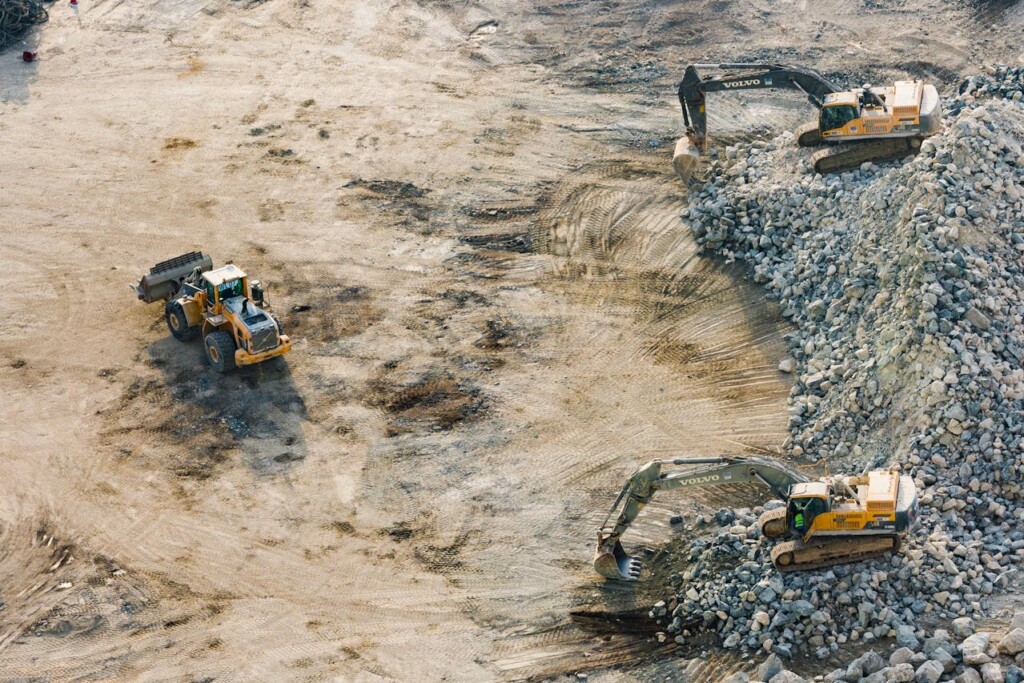
Photos of real facilities show consistent patterns across heavy equipment rental yards. They reveal how operators balance outdoor staging, weather protection, and customer access in daily operations.
Outdoor Equipment Staging Areas
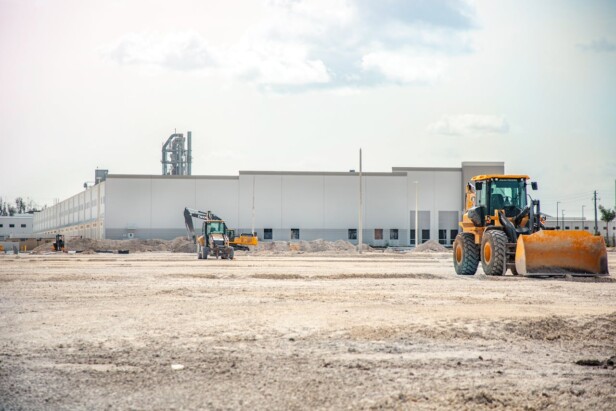
Gravel lots serve as the primary staging surface for heavy machinery at rental facilities. Rows of excavators, dozers, and loaders are arranged on these compacted surfaces in organized formations. The gravel base provides stable footing and allows for drainage during weather events.
Track excavators and wheeled loaders align in parallel rows for efficient access and inventory management. This setup lets operators move specific machines without reshuffling the entire fleet. Wide drive lanes between equipment rows accommodate delivery trucks and customer pickup vehicles.
Covered Storage Zones
Covered storage areas protect valuable equipment from weather exposure while maintaining accessibility. Bulldozers and other high-value machinery occupy these sheltered zones, extending equipment life and reducing maintenance costs. The covered areas typically feature open sides for air circulation and easy equipment movement.
These structures balance protection with operational needs. Drive-through access lets equipment enter and exit without tight maneuvering, and overhead clearance accommodates machines with extended booms or elevated operator cabs.
Customer Entry and Service Areas
Clear rental signage marks customer entry points and identifies available equipment categories. Mini excavators positioned near building entrances showcase popular rental items and provide easy customer access for inspection and pickup.
Service areas integrate with the yard layout to support maintenance and repair. Placing repair bays near equipment staging areas reduces transport time for scheduled maintenance or emergency repairs. This proximity streamlines workflow between rental operations and technical services.
What Operational Features And Hours Matter Day To Day?
Heavy equipment rental facilities typically operate on a standard weekday schedule, with hours running from 7:00 AM to 5:00 PM, Monday through Friday. Most facilities close on weekends, reflecting the construction industry’s work patterns and allowing time for equipment maintenance and yard organization.
Service coverage extends well beyond individual facility locations. Rental operations often establish broad service areas that span multiple cities and surrounding regions. This reach ensures customers can access equipment delivery and pickup services across their project territories without being limited to a single location.
Digital tracking systems underpin modern rental operations. Fleet tracking capabilities monitor equipment location and status throughout the rental period. Rental equipment tracking includes delivery confirmations, real-time status updates, and automated alerts when equipment moves outside designated work zones or requires attention.
Digital tools also connect jobsites directly to rental management systems. These platforms send automated notifications about pickup schedules, maintenance requirements, and rental status changes. This integration streamlines communication between field crews and rental coordinators.
Service teams support both rental fleets and customer-owned equipment through comprehensive maintenance programs. On-site service brings technicians directly to project locations for inspections, repairs, and routine maintenance. In-shop service handles more complex repairs and major overhauls that require specialized equipment and controlled environments.
Managed maintenance programs extend beyond basic rental services. These arrangements include scheduled inspections, preventive maintenance protocols, and repair services for customer-owned fleets. Service teams coordinate maintenance schedules based on equipment usage patterns and manufacturer recommendations.
Conclusion and Next Steps
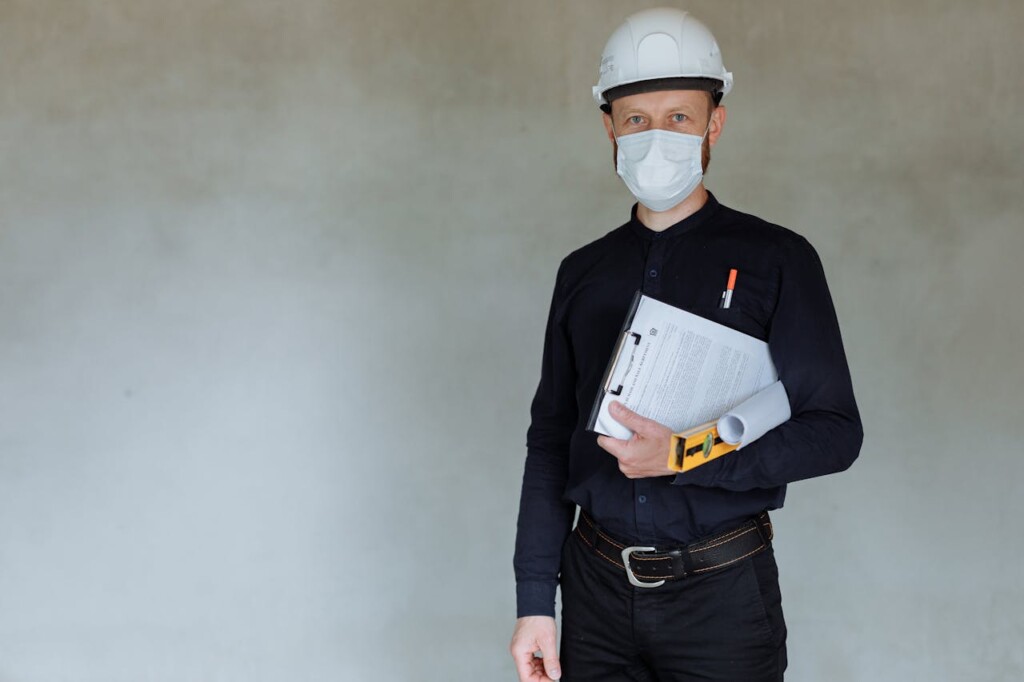
We design heavy equipment rental facilities around proven operational patterns that maximize fleet efficiency and customer access. Our research shows that successful facilities combine outdoor staging areas with covered storage zones, integrated service bays, and clear circulation paths for equipment and customers. When we plan these spaces, we align them with the rental industry’s core equipment categories—aerial lifts, earthmoving fleets, and material handling machines.
Facility design extends beyond equipment storage to include comprehensive service support. Parts inventories require organized warehousing with direct access to service bays. Digital workflows require infrastructure for tracking systems, automated alerts, and real-time status updates. We integrate these operational tools during construction, rather than retrofitting later, to ensure seamless connectivity across the yard, service areas, and customer interfaces. This approach delivers facilities that function as complete rental operations from day one.
Contact EB3 Construction to plan your heavy equipment rental facility.