
Office building renovation in Austin covers everything from light tenant improvements to comprehensive space reconfigurations. We handle projects that may simply refresh flooring and paint or completely transform layouts with new glazing, restroom upgrades, and reconfigured break rooms.
Most office renovations in Austin use a design-build delivery approach to streamline coordination between planning and construction. This method helps property owners and developers manage tenant improvements, office build-outs, and remodels by enabling faster decision-making and better project control.
Which Scopes And Features Are Common In Austin Office Renovations?
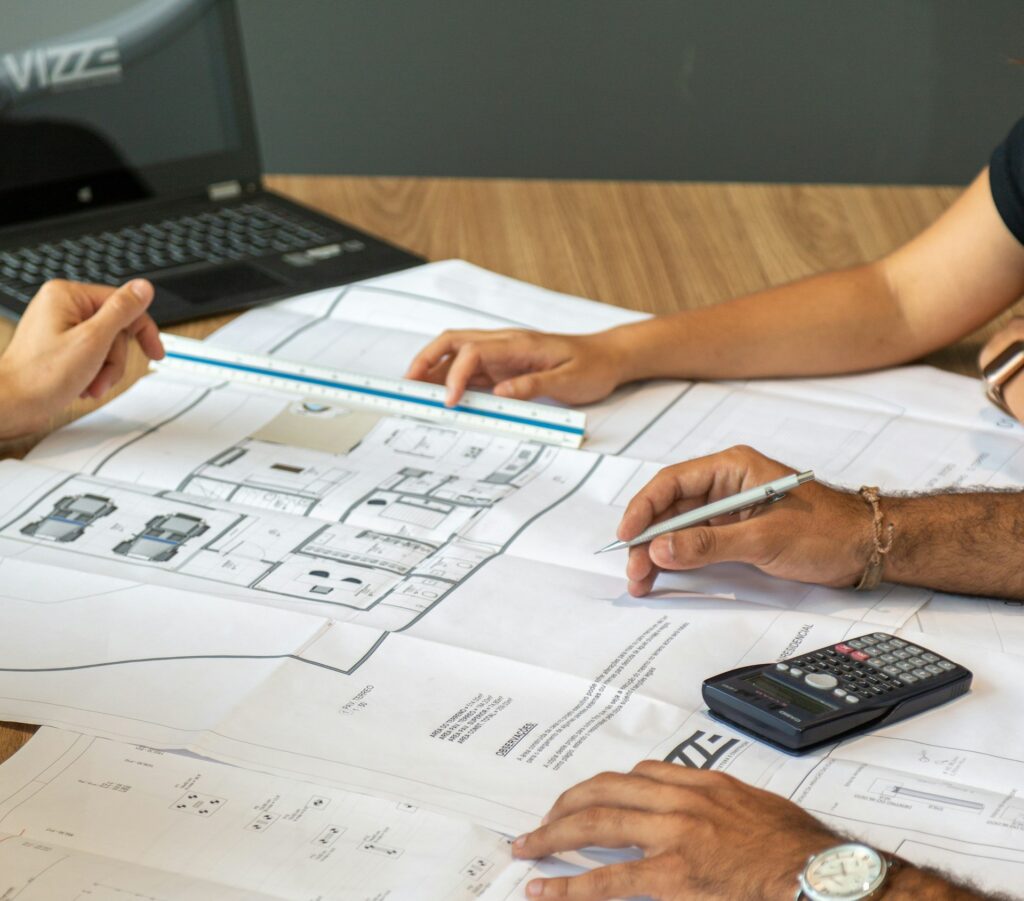
Office renovations in Austin typically center on several key improvement areas that enhance both functionality and employee experience. We commonly handle flooring replacements and fresh paint, which form the foundation of most renovation programs. Restroom upgrades remain a priority for many property owners looking to modernize aging facilities and improve overall appeal.
Storefront glazing installations have become increasingly popular, particularly to open corridor spaces with floor-to-ceiling glass systems. These installations create visual connectivity between departments while maintaining acoustic separation. We frequently reconfigure break rooms and work areas to better support current team structures and collaboration needs.
Interior finish refresh programs address everything from wall coverings to ceiling treatments. Lighting upgrades are another common scope, often involving LED conversions and improved task lighting for workstations. These improvements improve energy efficiency and overall workspace quality.
Core Build-Out Elements
For complete office build-outs, we coordinate several interconnected systems. Wall construction establishes the spatial framework, whether creating private offices, conference rooms, or collaborative work areas. Flooring selection ranges from commercial carpet tile to luxury vinyl plank, depending on traffic patterns and aesthetic goals.
Ceiling work encompasses both structural and finish elements. MEP systems require careful coordination to ensure proper ventilation, electrical distribution, and plumbing connections. HVAC modifications are often necessary when changing space layouts or adding enclosed areas that affect airflow.
Modern Workspace Features
Many office programs today incorporate open floor plans that balance collaboration with focused work zones. We design collaborative areas with flexible furniture systems and integrated technology. Wellness amenities have gained traction, including improved air quality systems and optimized natural lighting.
Support spaces deserve equal attention in renovation planning. Conference rooms require acoustic treatments and technology integration. Training rooms need adaptable layouts and presentation capabilities. Break rooms benefit from upgraded appliances, improved storage, and comfortable seating arrangements that encourage team interaction.
How Can A Design-Build Approach Improve An Office Renovation In Austin?
Design-build delivery consolidates design and construction responsibilities under a single team. We coordinate architects, engineers, and contractors from project inception, eliminating the traditional handoff between separate design and build phases. This integrated approach reduces communication gaps and accelerates decision-making throughout the renovation process.
Collaboration is the foundation of every project phase. Our design team works directly with construction professionals to identify potential challenges early, enabling swift problem-solving before issues impact schedules or budgets. When unexpected conditions arise during construction, we can adjust plans immediately without waiting for external approvals or lengthy coordination meetings between separate entities.
Enhanced Project Efficiency and Speed
The design-build method enables faster project completion through overlapping design and construction activities. We begin procurement and early construction while design details are still being refined. This parallel approach eliminates weeks of sequential delays common in traditional delivery methods.
Fast-track schedules are particularly valuable for complex office programs requiring extensive coordination. When renovating spaces with open-office areas and multiple support spaces, we can sequence work to minimize disruptions while maintaining momentum. Our integrated team structure supports rapid adjustments as tenant needs evolve during the renovation process.
Streamlined Coordination and Client Vision Alignment
Single-point responsibility eliminates confusion about project accountability. Property owners and developers work with one team that manages both design development and construction execution. This consolidated approach reduces the potential for disputes and ensures consistent communication throughout the project lifecycle.
Alignment with the client’s vision improves when design and construction professionals collaborate from the start. We maintain focus on the original project goals while incorporating practical construction insights that enhance both functionality and cost control. According to a study reported by Engineering News-Record (ENR), design-build has become the fastest-growing construction method in the United States, with the West South Central region projected to see significant volume through 2025.
What Are Typical Costs For Office Building Renovation In Austin?

Austin office renovation costs for 2024–2025 vary widely by project scope and finish level. Current market data indicates commercial remodels typically run between $50 and $250+ per square foot. Knowing these tiers helps developers and property owners set realistic budgets for Austin projects.
Basic office build-outs cost $50–$100 per square foot. These projects focus on essential improvements like new paint, basic flooring, standard lighting updates, and minimal layout changes. Mid-range renovation costs run $100–$175 per square foot and include upgraded finishes, electrical improvements, moderate HVAC adjustments, and enhanced interior elements.
High-end commercial remodels range from $175 to $250+ per square foot. These comprehensive renovations involve premium materials, extensive MEP upgrades, custom millwork, high-quality glazing systems, and sophisticated lighting designs. Projects requiring specialized features or complex regulatory compliance can push costs even higher.
We recommend setting aside a 10–15% contingency for unforeseen conditions. This buffer is especially important when working with older buildings or projects that involve opening walls and exposing existing systems. Hidden mechanical, electrical, or structural issues often surface during renovation, and the contingency helps address these discoveries without derailing project schedules.
Austin’s competitive construction market and strong demand for skilled labor contribute to pricing pressures across all renovation tiers. Material costs, permit requirements, and coordination complexity also influence final project expenses. We factor these regional conditions into our cost estimates to provide accurate budget guidance for our Austin office renovation projects.
Disclaimer: Pricing figures are based on publicly available market data and are intended for general estimation purposes as of January 2025. They do not represent a formal quote from EB3 Construction. Actual costs will vary by project scope, location, labor rates, and material prices.
What Is The Step-By-Step Process To Plan And Deliver An Austin Office Renovation?
The renovation process follows a structured sequence that manages feasibility, coordination, and execution. Each phase builds toward delivering a functional workspace that aligns with your operational needs.
Our approach begins by understanding your specific requirements and site conditions, then moves systematically through design, permitting, construction, and final handover.
Initial Consultation and Requirements Assessment
We meet with stakeholders to define project goals, budget parameters, and timeline expectations. This phase clarifies scope boundaries, identifies potential challenges, and establishes communication protocols.
The consultation covers functional requirements such as workstation counts, conference room needs, and technology infrastructure. We also discuss aesthetic preferences, sustainability goals, and any specialized equipment or systems.
Site Visit and Detailed Estimate
Our team conducts comprehensive site measurements and evaluates existing conditions. This includes structural assessments, MEP system reviews, and identification of code compliance issues that could impact the renovation scope.
The detailed estimate accounts for material costs, labor requirements, and potential complications from existing building conditions. We provide transparent pricing breakdowns that help clients understand value drivers and make informed decisions about scope adjustments.
Planning, Scheduling, and Permit Management
We develop integrated project schedules that coordinate design phases, permit approvals, and construction sequences. The planning phase establishes critical path activities and identifies potential scheduling conflicts early.
Permit management begins with determining required approvals based on scope and building use. We prepare applications that meet Austin’s commercial plan review requirements, coordinate with city reviewers, and track approval timelines to maintain project momentum.
Design Development and Stakeholder Coordination
Space planning translates functional requirements into practical layouts that optimize workflow and meet code requirements. Our architectural design process balances aesthetic goals with constructability and budget constraints.
Interior design selections cover finishes, fixtures, and furniture systems that support the intended use. We coordinate with mechanical, electrical, and plumbing engineers to ensure systems integration supports the final design vision.
Regular coordination meetings keep all stakeholders informed of design progress and facilitate timely decision-making. This prevents costly revisions during construction and maintains project schedule integrity.
Construction Execution and Quality Control
Construction begins with sitework preparation and proceeds through structural modifications, MEP rough-ins, and finish installations. We manage subcontractor coordination to minimize conflicts and maintain quality standards throughout the building process.
Our project management approach includes regular progress monitoring, quality inspections, and proactive problem-solving when field conditions require design adjustments. We handle change order negotiations to protect project budgets while addressing necessary modifications.
Specialty installations like storefront glazing and lighting systems receive focused attention to ensure proper integration with existing building systems and compliance with energy efficiency requirements.
Project Closeout and Quality Confirmation
The closeout walkthrough systematically verifies that all work meets design specifications and quality standards. We coordinate final inspections, obtain certificates of occupancy, and ensure all systems operate as intended.
We provide comprehensive documentation including warranties, operation manuals, and as-built drawings that support ongoing facility management. This documentation transfer ensures property owners have the information needed for future maintenance and modifications.
Final adjustments address any punch list items identified during the walkthrough. We don’t consider the project complete until every detail meets our quality standards and your operational requirements.
Conclusion and Next Steps
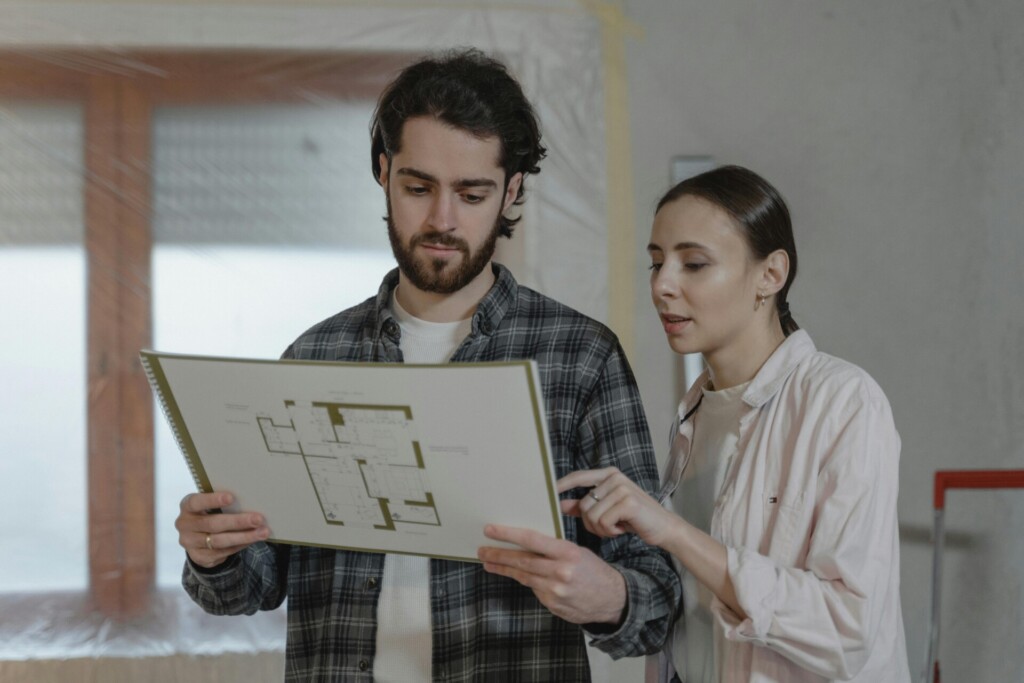
Successful office building renovation in Austin requires three foundational elements: a clearly defined scope, an integrated delivery method, and realistic budgets with appropriate contingency. We start by identifying specific requirements such as interior finish updates, restroom renovations, glazing installations, lighting improvements, and workroom reconfigurations. Choosing an integrated delivery method, such as design-build, streamlines decision-making and keeps design intent aligned with construction. It also helps manage schedules while keeping the renovation focused on the client’s operational goals and budget.
Next, we plan systematically through design development, permit coordination, construction management, and final closeout. We include contingency in every budget to account for unforeseen conditions, particularly in older Austin buildings where opening walls may reveal structural or systems issues. With clear communication and coordinated workflows, office renovation projects progress efficiently from initial consultation to final occupancy. This approach ensures tenant improvements deliver immediate functionality and long-term value for Austin property owners and developers.
Ready to start your Austin office renovation project? Contact EB3 Construction to discuss your scope, timeline, and budget.