
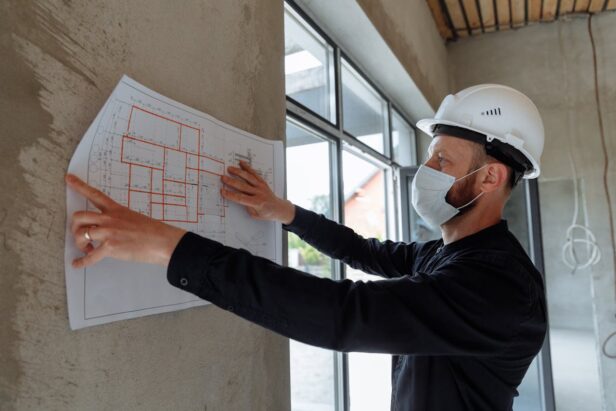
Construction overruns can drain working capital before you even open for business. Pre-lease construction estimating forecasts buildout costs before you commit to lease terms, giving you the numbers needed to make informed decisions about space, scope, and financial exposure.
This early cost analysis helps you judge project feasibility and protect working capital by revealing where design changes can save money. Research shows that investing up to 3.5% of total project cost in preconstruction planning can return substantial savings, with proper planning potentially avoiding $10,000 to $50,000 in overages while supporting lease negotiations and funding decisions.
What Core Steps Belong In A Pre-Lease Estimate Workflow?

We structure our pre-lease estimating around a systematic workflow that builds accuracy through each phase. Start with document review, then move to site assessment, quantity takeoff, pricing, and cost allocation. This sequence ensures nothing gets overlooked and each step informs the next.
Document Review And Scope Definition
Review all available project documents first. Study preliminary plans, specifications, and tenant requirements to understand scope boundaries and quality expectations. Pay attention to structural modifications, MEP requirements, and finish standards that drive cost.
Identify gaps in documentation early. Incomplete drawings or vague specifications create pricing uncertainty that compounds through the estimate. We clarify ambiguities before moving to takeoff to avoid scope creep later.
Site Assessment And Constraint Analysis
Visit the space before finalizing numbers. Confirm access routes, utility locations, existing conditions, and physical constraints that affect construction sequencing. Note ceiling heights, structural elements, and mechanical systems that influence scope.
Document site-specific factors that standard estimates miss. Poor access, limited staging areas, or existing tenant operations can increase labor hours and equipment costs significantly. These conditions shape our approach to scheduling and resource allocation.
Material And Quantity Takeoff Process
Perform detailed quantity takeoffs using the most current drawings available. Count by quantity for fixtures and equipment, measure area for flooring and ceilings, calculate volume for concrete or excavation, and determine length for utilities and trim work.
Build a comprehensive bill of quantities (BOQ) that itemizes every material component. This document becomes the foundation for pricing and helps track scope changes as design develops. We organize quantities by trade to streamline subcontractor coordination.
Pricing And Market Research
Request quotes from multiple suppliers for all major material categories. Compare pricing across at least three vendors when possible and confirm quote validity windows to ensure pricing remains accurate through lease negotiation.
Source current equipment costs based on project-specific requirements. Include delivery, setup, and removal costs that often get overlooked in preliminary estimates. Factor in seasonal pricing variations and market availability that affect lead times.
Labor Cost Analysis With Loaded Rates
Calculate labor requirements using loaded labor rates that reflect true employment costs. Include base wages, payroll taxes, workers’ compensation insurance, health benefits, retirement contributions, union dues, and paid time off in all labor pricing.
Estimate productivity based on site conditions and project complexity. Tight spaces, working around existing operations, or phased construction typically reduce productivity rates compared to new construction. We adjust labor hours accordingly to maintain estimate accuracy.
Insurance, Bonding, And Indirect Field Costs
Include all required insurance and bonding costs in the estimate. Add general liability coverage, builder’s risk insurance during construction, and any performance bonds required by the lease agreement or local regulations.
Account for indirect field costs that support construction but don’t appear in material takeoffs. Include temporary offices, site cleaning, professional services, fuel costs, and construction software subscriptions. These items typically represent 5-10% of direct costs.
Overhead Allocation And Contingency Planning
Allocate general and administrative overhead across all projects based on historical cost data. Include office rent, administrative salaries, utilities, insurance, and other business operating expenses that must be covered by project revenue.
Apply appropriate contingency allowances based on design maturity and project risk. We typically carry 5-10% contingency for well-defined scopes, adjusting upward for preliminary designs or complex renovations. This buffer protects against cost overruns and design changes.
General Contractor Selection And Hard Bid Process
Research permits and regulatory requirements before finalizing contractor selection. Engage architects and MEP engineers early in the process to ensure design coordination and accurate cost projections.
We recommend soliciting at least four general contractors for transparent, open-book hard bids. Multiple competitive proposals reveal true market pricing, identify potential schedule issues, and often uncover cost-saving opportunities. This approach can trim 2-4 weeks from preconstruction timelines while providing pricing confidence for lease negotiations.
How Do Permits, MEP Design, And GC Hard Bids Change Costs Before You Sign A Lease?
Building permits control project timelines and budgets more than most developers realize. The permit process determines who can submit applications, what fees apply, and which documents city inspectors require. Incomplete construction drawings trigger multiple plan check revisions that add weeks to schedules and thousands to soft costs.
Permit processing times vary significantly by jurisdiction. Most tenant improvement projects require 2-6 weeks for standard permits, but complex modifications involving structural changes or building system upgrades can extend to 8-12 weeks. We coordinate early with building departments to understand specific requirements and submission deadlines.
MEP Design Teams Shape Cost Accuracy
Mechanical, electrical, and plumbing design choices directly impact estimate precision and project success. Teams familiar with local building codes produce more accurate pricing and fewer change orders during construction. MEP engineers who include detailed cost breakdowns in their proposals help us refine budget allocations before lease commitments.
Early MEP coordination prevents costly surprises. Engineers who commit to timely site visits identify existing system constraints that affect integration costs. We require MEP teams to provide preliminary load calculations and equipment specifications during design development, not after permit submission.
Competitive MEP proposals save both time and money. Multiple engineering quotes reveal cost ranges for HVAC upgrades, electrical capacity improvements, and plumbing modifications. This competition typically reduces soft costs by 10-15% compared to sole-source selections.
General Contractor Selection Sets Execution Risk
Local general contractors with immediate mobilization capacity offer significant advantages over distant firms. Contractors with clear licensing, current insurance coverage, and daily site oversight capabilities reduce execution risk and schedule delays. We verify contractor capacity before including them in bid packages.
Open-book bidding reveals true project costs. Hard bids that itemize markups, general conditions, contingencies, supervision costs, overhead, and profit provide transparency for accurate budget planning. Four competitive hard bids establish reliable price ranges and prevent single-source bottlenecks.
Contract documentation protects tenant improvement investments. We document change-order procedures, indemnification requirements, and payment schedules before construction begins. Clear closeout procedures ensure proper documentation for tenant improvement reimbursements from landlords.
GC selection affects startup costs significantly. Contractors with established local supplier relationships often secure better material pricing and faster delivery schedules. This reduces both direct costs and schedule compression expenses that occur when projects fall behind timeline.
Which Cost Components And Contingencies Should You Include Early?

Pre-lease construction estimates require complete cost breakdowns to prevent budget surprises during construction. We organize these costs into distinct categories that capture every expense from materials to risk buffers. Each component serves a specific purpose in creating accurate financial projections that support informed lease decisions.
Direct Construction Costs
Direct costs represent the physical work and materials needed to complete construction. Materials include everything from structural steel and concrete to finishes and fixtures. Labor covers wages for all trades working directly on the project. Equipment costs encompass rental, purchase, or depreciation of machinery required for construction activities.
Trade subcontractors handle specialized work like electrical, plumbing, and HVAC installations. We include their full contract amounts as direct costs since they perform work that directly builds the project. These costs typically represent 60-70% of total project expenses, making accurate pricing essential for reliable estimates.
Indirect Field Costs
Indirect field costs support construction operations but don’t directly create the building structure. Permits and inspection fees vary by jurisdiction and project complexity. Temporary offices, trailers, and site facilities provide necessary workspace throughout construction. Site cleaning and waste removal maintain safety and code compliance.
Professional services include surveying, testing, and specialty consultants. Insurance on equipment protects against damage and liability during construction. Taxes and fuel costs add up over project duration. These indirect expenses often catch developers off guard when missing from early estimates.
Overhead And General Administrative Expenses
Overhead costs keep construction businesses operating regardless of specific project work. Office rent, utilities, and administrative salaries spread across all active projects. Software licenses for estimating, scheduling, and accounting support project management. Insurance premiums protect against general liability and professional risks.
Depreciation on company vehicles, tools, and office equipment gets allocated proportionally. We calculate overhead as a percentage of direct costs, typically ranging from 8-15% depending on company size and project complexity. General and administrative expenses ensure business continuity and regulatory compliance.
Insurance And Bonding Requirements
Construction insurance protects all parties against various project risks. General liability coverage handles property damage and injury claims. Builder’s risk insurance protects the project during construction against fire, theft, and weather damage. Professional liability insurance covers design and construction management errors.
Performance bonds guarantee project completion according to contract terms. Payment bonds ensure subcontractors and suppliers receive payment for their work. Bid bonds demonstrate serious intent during competitive bidding. These costs vary based on project value, risk profile, and contractor qualifications.
Loaded Labor Rates And True Employment Costs
Labor estimates must include all employment-related expenses beyond base wages. Payroll taxes cover Social Security, Medicare, and unemployment contributions. Worker’s compensation insurance rates vary by trade classification and safety history. Health, dental, and retirement benefits add significant costs to hourly wages.
Union dues, paid leave, and training requirements increase total labor expenses. We calculate loaded labor rates that capture these full employment costs rather than using simple hourly wages. This approach prevents underestimating one of construction’s largest expense categories.
Contingency Planning For Risk Management
Contingency allowances protect against cost overruns and unforeseen circumstances. Most construction teams allocate 5-10% of total project costs for contingency, adjusting based on risk assessment and design completeness. Higher contingencies apply to complex projects with many unknowns, while simpler projects with complete plans require smaller buffers.
Risk factors include soil conditions, weather delays, design changes, and market price volatility. Waste factors account for material cutting, breakage, and over-ordering. We adjust contingency percentages throughout the estimating process as more project information becomes available and risks decrease.
Estimating Methods For Different Project Phases
Early estimates rely on parametric methods using cost per square foot or historical project data. These conceptual approaches provide quick feasibility checks when detailed plans aren’t available. Accuracy ranges from plus or minus 25-40% depending on available information.
Bottom-up estimating develops as drawings progress, using detailed quantity takeoffs and current supplier quotes. This method provides greater accuracy but requires substantial time and complete design documents. We transition between methods as projects advance from conceptual planning through detailed design phases.
When And How Should You Update The Estimate From Pre-Lease Through Preconstruction?
Estimate accuracy improves as project information becomes more definitive. We track this evolution through distinct phases, each serving specific decision points and risk management objectives.
Conceptual And Order-Of-Magnitude Estimates
Conceptual estimates establish initial feasibility during the earliest project discussions. We rely on high-level parameters like square footage, building type, and location to generate rough cost projections.
These early figures typically carry accuracy ranges of +/- 25% to 50%, making them suitable for go/no-go decisions and initial budget discussions with stakeholders. Order-of-magnitude estimates help determine whether a project aligns with available capital before significant design investment occurs.
Preliminary Estimates With Refined Quantities
As design work progresses, we transition to preliminary estimates that incorporate more specific project details. These estimates reflect emerging design concepts, basic specifications, and initial quantity assessments.
Preliminary estimates narrow the accuracy range to approximately +/- 15% to 30%. We use these figures to refine budgets, support funding applications, and guide early design decisions that impact overall project cost.
Detailed And Bid Estimates
Near-final drawings enable detailed estimates that include comprehensive takeoffs, current vendor quotes, and specific labor calculations. These estimates encompass all direct costs, insurance requirements, overhead allocations, and appropriate contingencies.
We prepare detailed estimates when construction documents reach 70% to 90% completion. Bid estimates represent the final pricing contractors submit during competitive bidding, typically achieving accuracy within +/- 5% to 10%.
Maintaining Estimate Validity
Quote validity windows require constant attention throughout the estimation process. Material suppliers typically guarantee prices for 30 to 90 days, while subcontractor bids may hold for shorter periods during volatile market conditions.
We re-level supplier quotes as validity periods expire, particularly for major cost components like structural materials, MEP systems, and specialty equipment. GC hard bids also carry specific validity windows that influence project timeline decisions.
Site conditions can shift between initial visits and project start. Weather events, adjacent construction activity, or utility modifications may require updated site assessments and corresponding cost adjustments.
Tracking Design Changes And Scope Modifications
Design evolution affects both cost and schedule throughout preconstruction. We document each scope modification and assess its impact on the overall estimate, maintaining clear change logs for stakeholder review.
Contingency adjustments reflect design maturity and identified risks. Early estimates may carry 10% to 15% contingencies, while detailed estimates can operate with 5% to 8% allowances based on reduced uncertainty.
Control Estimates During Construction
Control estimates establish the baseline for cost monitoring once construction begins. We compare actual expenses against budgeted amounts, identifying variances early enough to implement corrective measures.
Change order management relies on current control estimates to evaluate proposed modifications fairly. These estimates protect project margins by ensuring change orders reflect true cost impacts rather than inflated pricing.
Cost tracking systems capture labor productivity, material consumption, and indirect expenses in real time. This data informs both current project management and future estimating accuracy improvements.
Regular estimate updates during construction help predict final costs and manage cash flow requirements. We typically update control estimates monthly or when significant changes occur.
Conclusion And Next Steps

Pre-lease construction estimating creates financial clarity before lease commitments lock in scope and budget constraints. The process begins with thorough document review and site evaluation to understand true project conditions. We quantify all materials and labor requirements, secure current pricing from multiple suppliers, and incorporate loaded labor rates that reflect full employment costs. Including indirect expenses like permits, temporary facilities, and professional services ensures comprehensive cost coverage, while appropriate contingency planning protects against unforeseen conditions and market volatility.
Early permit research prevents costly delays and revision cycles that can extend timelines by weeks. Coordinating with qualified architects and MEP engineers who understand local codes ensures complete, accurate construction documents from the start. Securing competitive open-book hard bids from multiple general contractors reveals true market pricing and identifies potential savings opportunities before final lease execution. These estimates evolve through each design phase, from initial feasibility numbers to detailed bid-ready documentation that supports confident decision-making.
Ready to establish accurate pre-lease estimates for your next project? Contact EB3 Construction to discuss your construction estimating needs.