
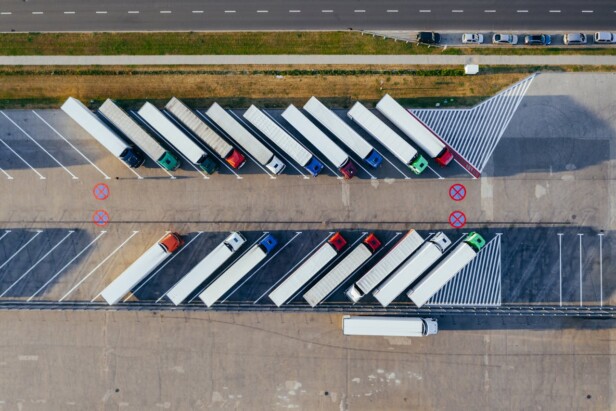
Freight never sleeps, and neither do the terminals that keep America’s supply chains moving. A trucking terminal construction contractor builds the infrastructure that supports this constant flow of goods, creating facilities where trucks dock, drivers rest, and cargo moves efficiently between transportation modes.
We design and construct comprehensive terminal facilities, including cross-docks for rapid freight transfer, truck maintenance bays for fleet servicing, office space for operations management, and warehouse areas for temporary storage. Terminal projects also encompass drop yards where trailers stage between loads, loading docks sized for various trailer types, expansive parking areas for trucks and employee vehicles, and site lighting systems that support 24-hour operations.
How Should Site Selection And Civil Design Be Approached For A Truck Terminal?
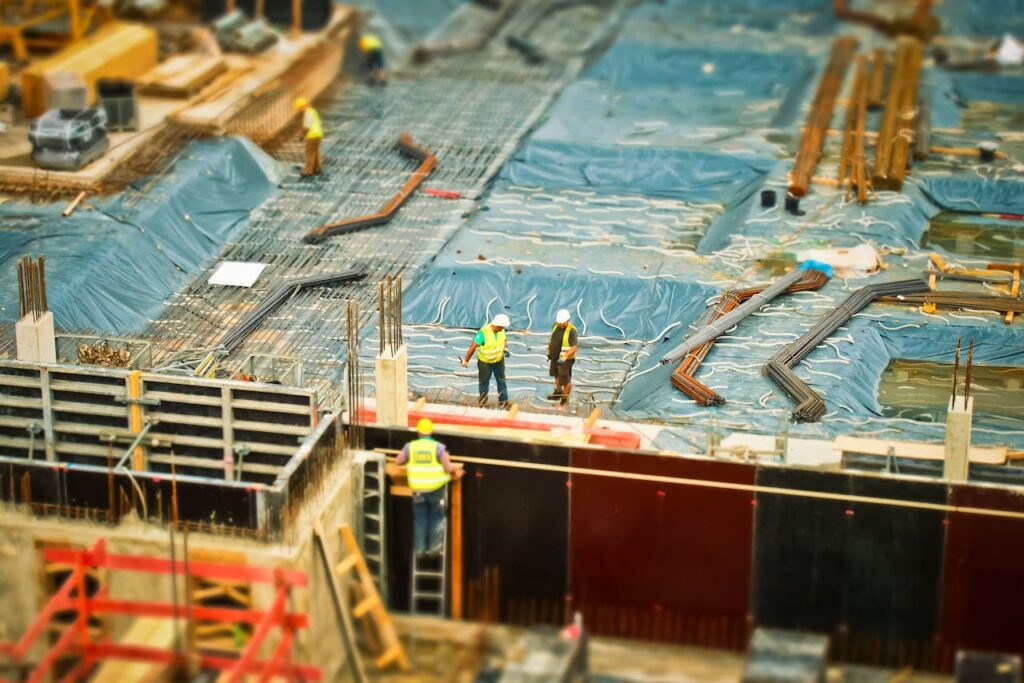
Successful truck terminal projects begin with strategic location decisions that support operational efficiency and long-term growth. We prioritize sites near major freight corridors, distribution hubs, and intermodal facilities with access routes that can handle heavy truck traffic without creating bottlenecks. Proximity to these transportation networks reduces dwell time and keeps freight moving through the terminal efficiently.
Location criteria focus on capacity, visibility, and security requirements that terminal operators need for daily operations. Sites with clear sightlines to major arterials improve security monitoring and help drivers navigate safely. We evaluate road infrastructure to ensure adequate turning radii, bridge clearances, and pavement strength for the heaviest anticipated loads.
Site Development and Parking Infrastructure
A typical terminal development might encompass 15 acres with approximately 5 acres of improved surfaces. This scale allows for 39 truck parking spaces, along with standard passenger vehicle parking and ADA-compliant spaces positioned for easy access to buildings and amenities. We reserve additional areas for future EV charging stations, recognizing the growing shift toward electric commercial vehicles.
Truck parking layouts use herringbone or straight-back configurations depending on site geometry and operational preferences. Each parking space should provide adequate maneuvering room and clear pedestrian pathways. Standard dimensions accommodate 53-foot trailers with sufficient space for daily vehicle inspections and maintenance activities.
Stormwater Management and Environmental Systems
Civil design integrates environmental compliance from the start of the project. Bioretention ponds manage stormwater runoff from large paved areas while supporting local water quality standards. These systems handle peak flow events and provide natural filtration before water reaches municipal storm systems or nearby waterways.
The pond sizing depends on total impervious area, local rainfall patterns, and discharge requirements. We coordinate with environmental consultants to ensure designs meet Clean Water Act requirements and any local watershed protection measures. Proper grading directs surface water toward these retention areas while preventing standing water in operational zones.
Fire Protection and Safety Infrastructure
Fire protection systems typically include a 13,000-gallon aboveground storage tank with a dedicated pump house to ensure adequate water pressure and volume for emergency response. Tank capacity calculations consider building square footage, occupancy loads, and local fire department response capabilities. We position these systems for easy access by fire trucks while protecting them from potential vehicle impacts.
The pump house contains fire pumps, control panels, and backup power systems that maintain water pressure during emergencies. Hydrant locations follow local fire code spacing requirements and connect to the terminal’s private fire water loop. We coordinate with fire officials during design to verify system adequacy and access routes.
Landscaping serves both aesthetic and functional purposes around terminal facilities. Strategic tree placement provides natural screening from adjacent properties while avoiding interference with truck movements or security sightlines. Native plantings reduce maintenance requirements and support local ecosystem goals. Buffer zones with appropriate vegetation help mitigate noise and visual impacts on neighboring land uses.
What Building Features And Systems Belong In A Modern Trucking Terminal?
Modern trucking terminals require purpose-built structures designed around operational workflows. Metal building construction provides flexible space and durability for maintenance operations and material handling. These facilities integrate building systems with specialized equipment to support both vehicle servicing and freight movement.
Multi-Bay Truck Shop Configuration
We design metal building programs around operational needs, typically incorporating multiple truck bays with overhead clearances to accommodate different vehicle heights. A typical 13,520-square-foot configuration includes four dedicated truck bays, each equipped with appropriate ventilation and electrical systems. Service areas feature oil change pits with containment systems and proper drainage to handle fluid changes efficiently.
Support spaces within the same structure include offices for dispatch and administration, along with employee restrooms and break areas. This consolidated approach reduces construction costs while improving operational coordination. The building envelope includes large access doors for heavy equipment and provides ample lighting for detailed maintenance work.
Transload and Material Handling Systems
Facilities handling bulk materials require integrated systems that move products safely between trucks and storage areas. We install baghouses and dust collectors to manage emissions during material transfer operations. These systems connect to pneumatic conveying equipment, belt conveyors, and bucket elevators that transport materials throughout the facility.
Automated control systems coordinate these operations through PLC panels equipped with HMI touchscreens. Operators can monitor material flow, adjust conveying rates, and track system performance from centralized control stations. Computerized truck scales integrate with the control system to provide accurate weight measurements and generate bills of lading automatically.
Bulk storage infrastructure includes silos and storage tanks positioned for efficient loading and unloading. Ductwork connects all material handling equipment to dust collection points, ensuring clean operations and regulatory compliance.
Structural Steel and Safety Infrastructure
We incorporate structural steel frameworks that support elevated conveyors, platforms, and equipment access areas. Safety rails protect workers on elevated surfaces, and gates control access to hazardous areas. Fixed ladders and stairways provide secure access to equipment requiring regular maintenance or inspection.
Loading dock layouts align with anticipated trailer traffic patterns and material flow requirements. We position docks to minimize truck turning movements while maximizing throughput capacity. Roof structures accommodate overhead crane systems as needed and provide weather protection for loading operations.
Integrating these building features and systems creates terminals that handle vehicle maintenance and material transfer efficiently. Proper coordination among structural elements, mechanical systems, and operational workflows ensures facilities can adapt to changing freight demands while maintaining safe working conditions.
How Do Safety, Environmental, And Automation Needs Shape Terminal Design?

Environmental compliance forms the foundation of terminal planning, particularly for facilities handling bulk materials. Dust collection systems become mandatory components rather than optional additions when operations involve dry commodities such as grain, cement, or aggregates. We integrate baghouses, cyclone separators, and enclosed conveying systems during the design phase to meet air quality regulations and protect neighboring properties from particulate emissions.
Safety infrastructure creates the physical backbone of terminal operations. Fire water storage tanks, typically sized between 10,000 and 15,000 gallons support sprinkler systems and emergency response protocols. Pump houses maintain adequate water pressure throughout the facility, while ADA-compliant parking ensures accessibility compliance. These elements work together to establish baseline safety standards before operations begin.
Physical Safety Systems and Access Control
Terminal layouts incorporate multiple layers of safety barriers and access points. Safety rails protect workers from fall hazards around elevated platforms, loading areas, and equipment zones. Gates control vehicle and pedestrian access between operational areas, particularly where trucks interact with rail or conveyor systems. Fixed ladders and access platforms enable safe maintenance of overhead equipment such as dust collectors and material handling systems.
Loading dock configurations reflect both safety requirements and operational flow. Truck restraint systems prevent vehicles from moving during loading operations, while dock levelers accommodate height variations between trailers and loading surfaces. Lighting systems maintain visibility during night operations and support security monitoring throughout the facility.
Smart Gate Automation and Monitoring
Computer vision technology improves terminal entrance management by automating vehicle identification, weight verification, and access control. AI-powered systems recognize truck configurations, read license plates, and verify delivery schedules without manual intervention. This approach reduces processing time at entry points while maintaining detailed records of all vehicle movements.
Voice-activated systems allow drivers to communicate with terminal operators without leaving their vehicles. These systems integrate with existing dispatch software to provide real-time updates on load status, dock assignments, and departure clearances. Together, these features reduce idle time and improve throughput during peak operational periods.
Automated gate systems also enhance security protocols by creating controlled checkpoints that document all facility access. Cameras positioned at multiple angles capture vehicle details and driver identification, while weight sensors verify load compliance before trucks enter operational areas. This data feeds into terminal management systems that track productivity metrics and identify bottlenecks in daily operations.
Yard Visibility and Security Standards
Security planning addresses both physical protection and operational visibility across the terminal footprint. Perimeter fencing creates defined boundaries while allowing for emergency vehicle access. Strategic lighting placement eliminates blind spots around loading areas, equipment zones, and parking sections.
Terminal management systems integrate multiple data streams to provide comprehensive operational oversight. Real-time monitoring of dust collection performance, fire suppression system status, and equipment condition creates early warning capabilities that prevent minor issues from becoming major disruptions. These systems support both regulatory compliance reporting and predictive maintenance scheduling.
What Should Owners Plan For Post-Construction Operations And Maintenance?
Terminal performance depends on systematic operations and maintenance planning that starts in the design phase. We establish documented procedures that cover daily operations, equipment monitoring, and facility care. These guides serve as essential references for operations teams managing complex systems across the facility.
Dedicated operations teams coordinate the work needed to keep terminals running efficiently. These professionals manage traffic flow, coordinate loading operations, and monitor system performance throughout each shift. When terminals include bulk-handling systems, specialized teams maintain dust collectors, conveyors, and automated controls that require technical expertise and regular attention.
Critical System Maintenance Programs
Dust-collector maintenance is a cornerstone of terminal operations, especially for facilities handling dry bulk materials. Regular filter replacement, system cleaning, and performance monitoring prevent failures that could shut down operations. We coordinate maintenance schedules to minimize disruption while ensuring emissions-control systems function at design capacity.
Inspection protocols establish the framework for identifying issues before they escalate into costly repairs. Completed inspection forms are submitted for each maintenance activity to create reliable records that support regulatory compliance and warranty claims. These documented activities include routine inspections, equipment cleaning, and verification of system performance.
Terminal maintenance services coordinate field work across multiple systems and trades. Mechanical systems require different expertise than electrical controls or structural components. We organize service providers who understand terminal operations and can respond quickly to minimize downtime during critical operating periods.
Uptime Optimization and Reliability
Emissions control requires ongoing attention to maintain terminal compliance and community relations. Regular monitoring of dust collection systems, proper maintenance of containment structures, and prompt response to any emissions issues protect operations and uphold environmental standards. These activities support the long-term viability of terminal operations.
Operations teams use optimization guides to fine-tune system performance based on actual usage patterns and seasonal demands. These guides help identify opportunities to improve efficiency, reduce energy consumption, and extend equipment life through proper operating techniques and maintenance timing.
Preventive maintenance programs focus on integrity, quality, and speed to support uninterrupted terminal operations. We schedule maintenance during planned downtime and coordinate with operations teams to ensure critical systems remain available when freight movement peaks.
Conclusion and Next Steps
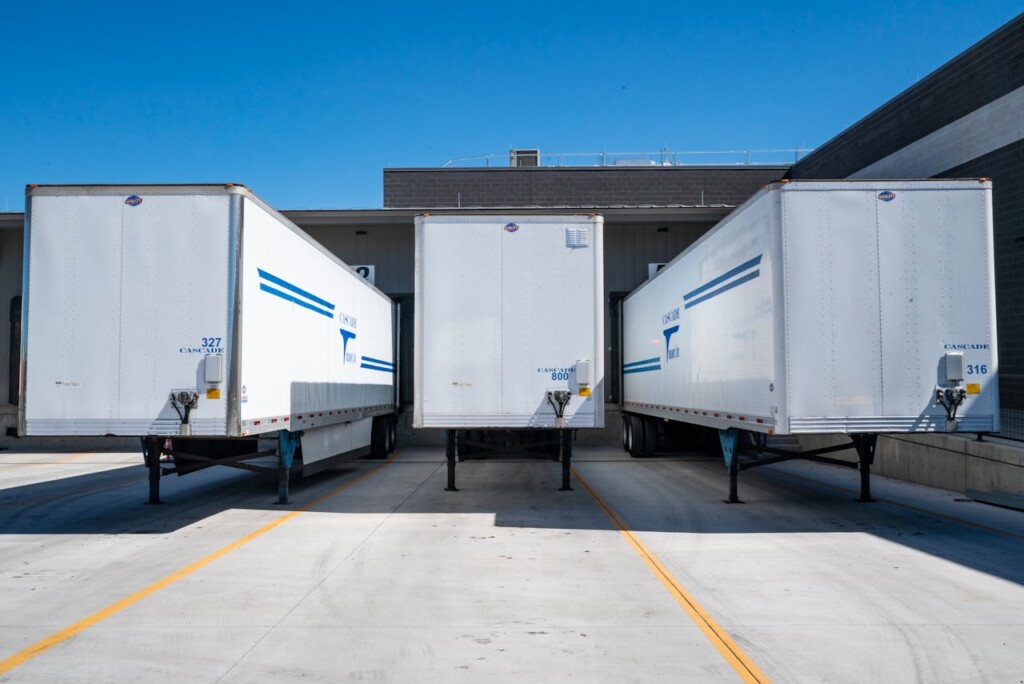
A trucking terminal construction contractor coordinates the interplay between site improvements, building systems, and operational infrastructure to create facilities that support efficient freight flow. We approach each project by establishing site planning fundamentals first, then building out the systems that keep terminals running every day. The construction sequence matters as much as the individual components when creating terminals that deliver reliable performance.
Define your site improvements early in the planning process. This includes establishing truck parking layouts, implementing proper drainage and stormwater management systems, and installing fire protection infrastructure that meets code requirements. Define the building program to include truck maintenance bays, shop areas, and office space aligned with your operational needs. For facilities handling transload work, coordinate material handling systems—including conveying equipment, dust collection controls, and computerized scales—for accurate weighing and bill of lading creation. Plan for gate automation technologies and security standards that enhance throughput while maintaining visibility and control. Build a comprehensive maintenance and inspection program to keep critical systems, such as dust collectors, operating efficiently and to ensure the terminal is ready for daily freight demands.
Contact EB3 Construction to discuss your trucking terminal project and explore how we can coordinate the planning and construction phases.