Teams that need operational space within six weeks face a practical constraint: tenant improvements typically require four to six months. Turnkey office build-out options can avoid these delays by bundling planning, design, construction, and delivery into coordinated packages.
These solutions range from landlord-managed tenant improvements, with costs included in lease rates, to build-to-suit delivery with single-source accountability. Furnished flexible offices provide immediate occupancy with short-term commitments, and comprehensive services include furniture, modular walls, and relocation coordination for complete move-in readiness.
How Does a Landlord Turnkey Build-Out Work?

In a landlord turnkey build-out, the property owner takes complete financial responsibility for the entire project. The landlord covers architecture, engineering, construction, construction management, and all required permits. These costs are built directly into the lease rate, so tenants receive a fully finished space without managing construction themselves.
The landlord also manages the project schedule and delivery timeline. They assume the schedule risk, except when delays are caused by the tenant. This arrangement gives tenants predictable move-in dates without the complexity of coordinating multiple contractors and trades.
Pricing Plan Development
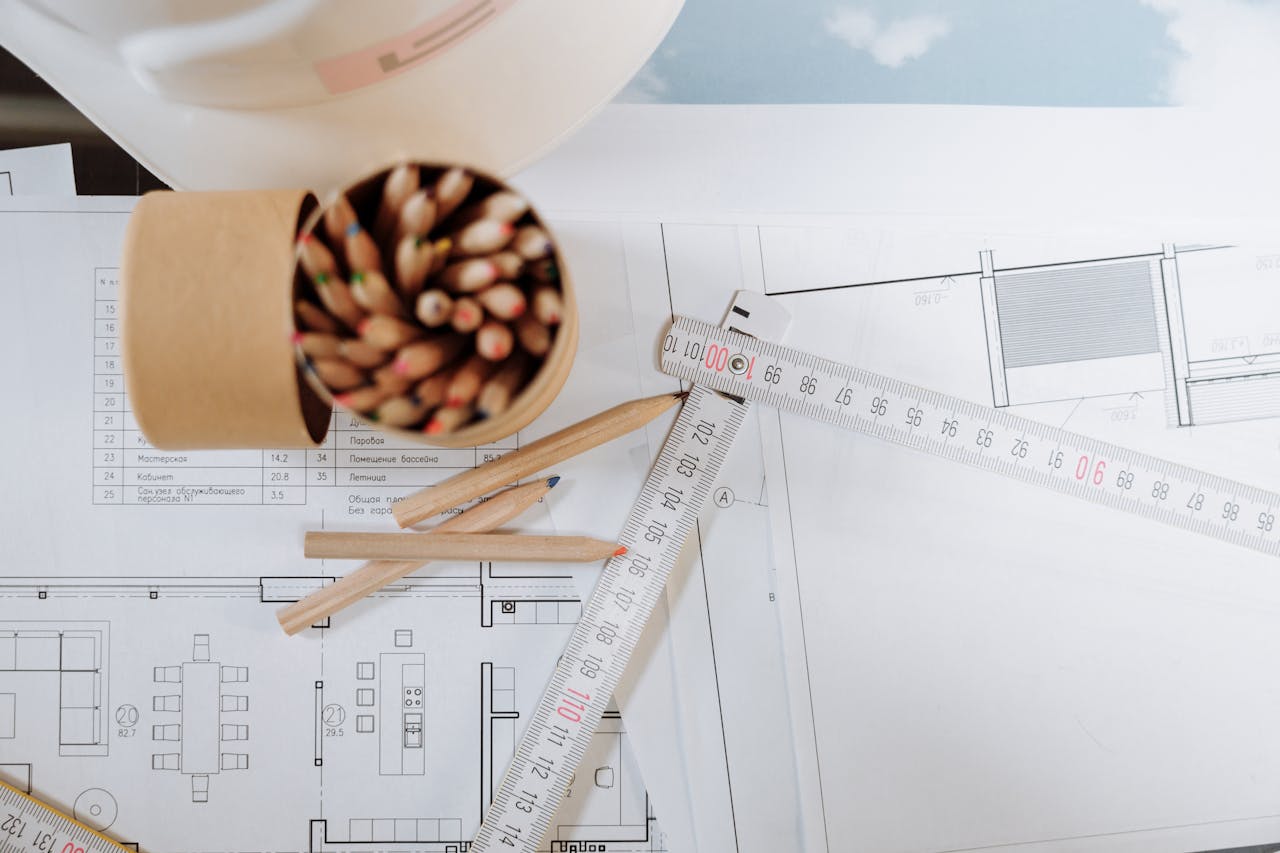
The process begins when an interior architect works with both the landlord and tenant to create a Pricing Plan. This document outlines the tenant’s required build-out elements, including walls, doors, millwork, and other architectural features. The plan includes detailed specifications for finishes such as paint colors, carpet selections, and counter surfaces.
The Pricing Plan also addresses electrical requirements, identifying lighting layouts, outlet locations, and dedicated circuits needed for specialized equipment. For spaces requiring plumbing, the plan specifies locations for break rooms, coffee bars, or other water-dependent areas.
Contractor Selection and Preliminary Pricing
Once the Pricing Plan is approved, the landlord provides it to several experienced tenant improvement contractors. These contractors have specific expertise in commercial build-outs and understand the nuances of office construction. The landlord solicits preliminary pricing to establish project costs and feasibility.
If preliminary prices are higher than expected, several options are available. The tenant can renegotiate the scope or revise requirements to eliminate expensive elements. Alternatively, the tenant may agree to cover a portion of the excess through cash payments or higher rent over the lease term.
Construction Drawings and Project Management
After reaching agreement on pricing and scope, the architect prepares detailed Construction Drawings. These technical documents provide precise specifications for contractors and help ensure code compliance and alignment with state building regulations. Clear, comprehensive plans reduce the risk of misunderstandings during construction and help maintain project timelines.
Strong project management is critical at this stage. The landlord oversees the general contractor to ensure quality work and adherence to specifications. Regular communication between all parties helps identify potential issues before they become costly problems. Firm oversight prevents shortcuts that could compromise the final result.
Comparing Turnkey to Alternative Lease Structures
Not every lease offers a turnkey arrangement. Many landlords instead provide a Tenant Improvement Allowance calculated per rentable square foot. In these scenarios, tenants manage the construction process themselves within the allowance budget. Some leases offer spaces in as-is condition, requiring tenants to handle all improvements independently.
Each structure carries different benefits and risks. Turnkey arrangements provide simplicity and predictable costs but may limit design control. TI allowances offer more flexibility but transfer project management responsibility to tenants. As-is leases provide maximum design freedom but require tenants to handle all construction coordination and risk.
What Build-To-Suit And Single-Source Delivery Options Are Available?
Build-to-suit delivery offers complete project customization from site selection through occupancy. We take ownership of the entire development process, handling land acquisition, site development, design, construction, and ongoing property management. This comprehensive approach eliminates the coordination challenges that arise when multiple parties manage separate project phases.
The single-point-of-contact structure streamlines communication and accelerates decision-making. Rather than coordinating between separate teams for site selection, design, and construction, property owners work directly with one integrated team. This setup reduces handoffs that typically slow project timelines and increase miscommunication risk.
Integrated Project Delivery Components
Our integrated delivery approach combines architecture, engineering, procurement, and construction under unified project management. This structure allows design and construction teams to collaborate from project inception, identifying constructability issues early and optimizing building systems integration. The result supports long-term operational efficiency and reduces change orders during construction.
Prefabrication and modularization capabilities enhance the integrated delivery model. Permanent Modular Construction utilizes off-site, lean manufacturing techniques to prefabricate building solutions in deliverable sections, reducing on-site construction time while maintaining quality control. These methods work particularly well for repetitive spaces like offices, laboratories, or multi-unit developments.
Fast-Track Project Benefits
Single-source delivery provides significant advantages on accelerated schedules. Design-build approaches allow construction to begin before full design completion, overlapping traditionally sequential phases. We coordinate site preparation, foundation work, and building construction simultaneously, compressing overall project timelines.
Risk reduction comes from consolidated responsibility and early contractor involvement in design decisions. When we handle both design and construction, constructability reviews happen continuously rather than after design completion. This integration prevents costly redesigns and helps keep project budgets and schedules on track.
The build-to-suit model delivers spaces precisely aligned to operational requirements. Custom layouts, specialized systems, and future expansion capabilities support long-term business objectives. This customization extends beyond basic tenant improvements to include infrastructure, technology integration, and sustainability features that enhance productivity and operational efficiency.
Can Flexible, Furnished Offices Serve As A Turnkey Alternative?
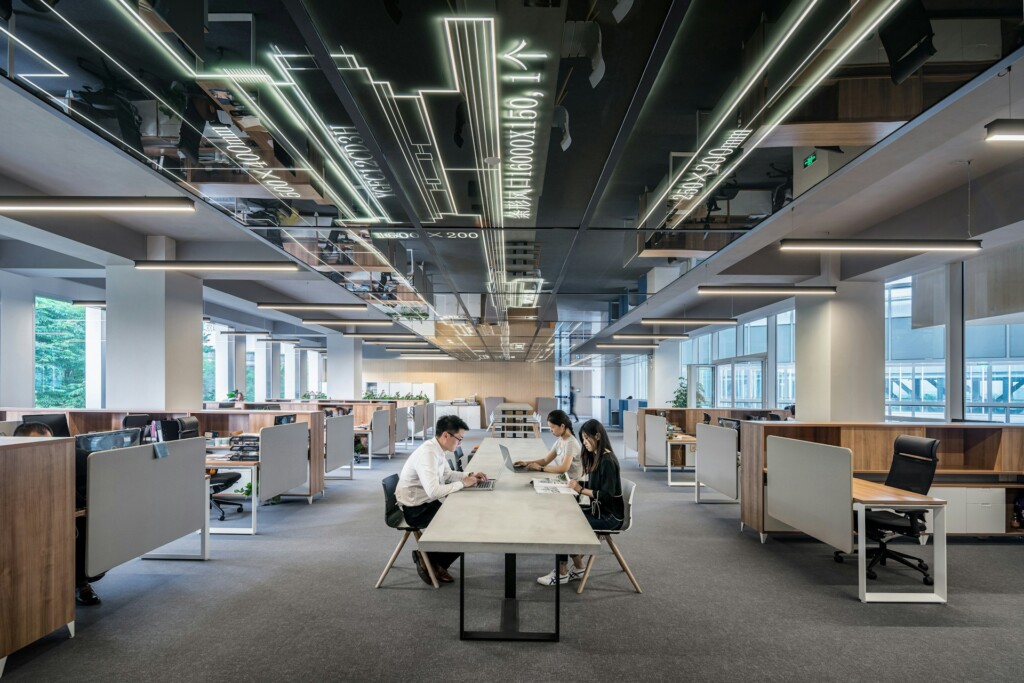
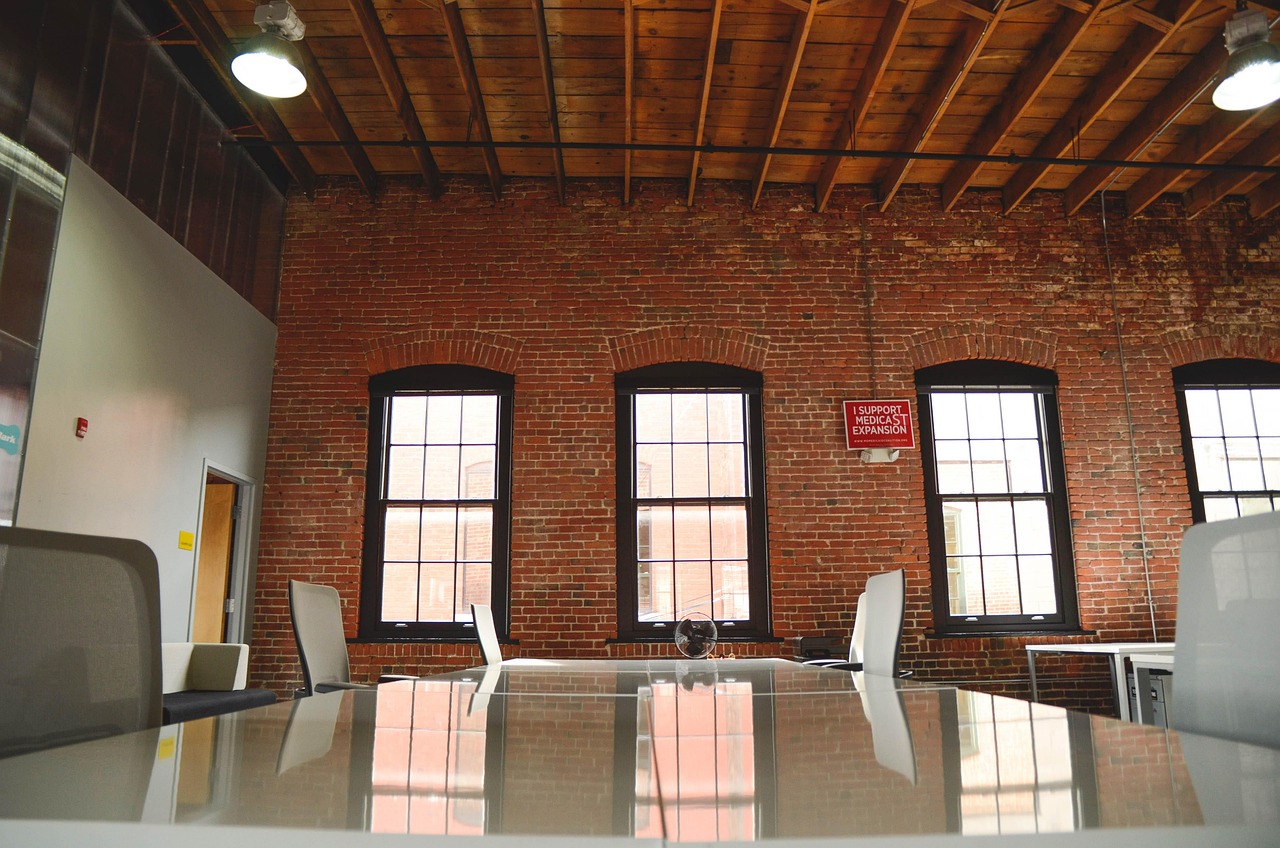
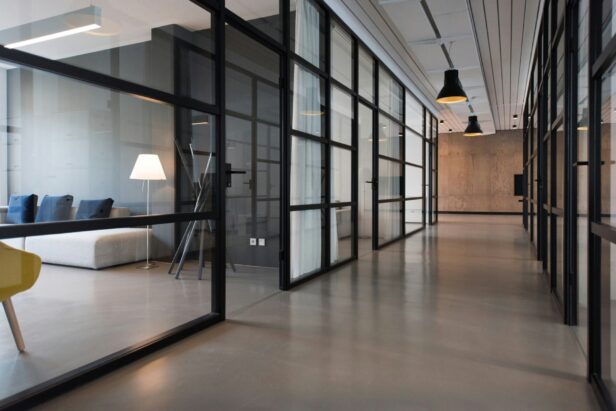
Flexible workspace platforms provide immediate occupancy through furnished offices, private suites, and custom office configurations. They eliminate construction delays by offering ready-to-use environments, complete with professional furniture, technology infrastructure, and shared amenities.
Short-term leases typically range from month-to-month to annual terms, avoiding the multi-year commitments traditional build-outs require. Teams can move in within days rather than weeks, accessing fully equipped workspaces without capital expenditures on furniture and technology setup.
Service Integration and Digital Management
Modern flexible workspace providers integrate services through app-based systems that handle booking, billing, and facility requests. Reception, cleaning, maintenance, and IT support operate in-house, reducing vendor coordination for occupants.
Many providers offer virtual office options alongside physical space, providing business addresses, mail handling, and phone answering services. This integration supports businesses that need a professional presence without full-time physical occupancy.
Workspace Variety and Amenities
Flexible offices typically include multiple workspace types within the same facility. Hot desks accommodate daily users, while dedicated desks serve regular occupants. Private offices provide privacy for meetings, and custom offices can be configured for specific operational needs.
Shared amenities often include conference rooms, meeting spaces, break areas, and coworking lounges. Some facilities add wellness rooms, event spaces, and outdoor terraces. Access to these amenities is included in membership fees, eliminating separate facility contracts.
The flexible office model works particularly well for growing companies, project-based teams, and businesses testing new markets. Predictable monthly costs replace variable construction expenses, and scalability allows space adjustments as team sizes change.
Which Turnkey FF&E And Facility Services Support A Build-Out?
Project management coordinates the entire FF&E process, from procurement through installation. We handle vendor negotiations, delivery scheduling, and quality control to keep your build-out on track. This service eliminates the need for multiple points of contact across suppliers and installers.
Design and space planning services create functional layouts that make the most of your square footage. Our team develops furniture specifications, workflow patterns, and storage solutions that align with your operational requirements. Space planning reduces costly revisions and ensures the efficient use of your investment.
Installation And Logistics Services
Installation services cover furniture assembly, modular walls, and specialized equipment placement. Professional installers handle everything from workstations to conference room setups, ensuring proper assembly and placement according to approved plans. This approach minimizes disruption to internal staff during move-in.
Architectural and modular walls provide flexible space division without permanent construction. These systems allow for future reconfigurations as your team grows or workflows change. Installation includes proper electrical integration and fire code compliance.
Asset Management And Storage Solutions
Asset and inventory management tracks furniture and equipment throughout the project lifecycle. We maintain detailed records of specifications, warranty information, and maintenance schedules. This service includes tagging systems and database management to support ongoing facility operations.
Warehouse and storage services provide secure staging areas for furniture and equipment before installation. Climate-controlled facilities protect your investment, and we coordinate delivery schedules with construction progress. This staging reduces site congestion and helps prevent installation delays.
Move Support And Maintenance Services
Relocation services manage the transition from existing spaces to new facilities. Our teams coordinate packing, transportation, and setup to minimize business disruption. Services include handling IT equipment and managing sensitive documents during the move.
Decommission services handle the removal and disposal of existing furniture and equipment from previous locations. We coordinate donation programs, resale opportunities, and environmentally responsible disposal methods. Furniture maintenance programs keep your new space functional through regular cleaning, repairs, and adjustments as needed.
Providers like Turnkey Project Services demonstrate how bundling these services improves efficiency through single-source accountability. We coordinate all aspects of FF&E delivery to ensure seamless integration with your construction schedule.
Conclusion And Next Steps

Turnkey office build-out options provide property owners and developers with multiple pathways to deliver spaces ready for occupancy. Landlord-managed tenant improvements offer simplicity through Construction Drawings and established contractor relationships. Build-to-suit provides comprehensive customization through a single-source model, while furnished offices enable rapid deployment with minimal construction risk.
Define your project scope early through a detailed Pricing Plan that captures walls, finishes, electrical requirements, and plumbing needs. Compare landlord-turnkey structures with TI allowances and as-is scenarios to identify the most cost-effective approach. For projects requiring extensive customization and accelerated schedules, integrated delivery with a single accountable team reduces coordination challenges. Teams needing immediate occupancy should evaluate furnished, short-term office solutions that bypass construction entirely. Plan FF&E procurement, modular wall installations, and relocation logistics in parallel with construction schedules to avoid delays.
Whether you choose landlord-turnkey, build-to-suit, or furnished options, maintain detailed project documentation, establish clear communication protocols, and implement consistent contractor oversight to prevent cost overruns and schedule delays. Contact EB3 Construction to discuss turnkey delivery options that align with your timeline and operational requirements.