
Getting accurate, comparable bids on a restaurant build-out is harder than it looks. Without a standardized scope, structured breakdown requirements, and a clear process for evaluating contractor capability, you end up comparing numbers that were never built on the same assumptions; and the gaps don’t show up until change orders start arriving after work begins. A disciplined bid process is what keeps the budget honest from the start.
How to Solicit, Compare, and Award Bids for a 3,500-Square-Foot Restaurant Build-Out

A bid comparison only works when every contractor is pricing the same job. Without a common starting point, one contractor may include rough-in plumbing while another excludes it entirely, leaving you to reconcile numbers that were never meant to line up. The fix starts before the first bid request goes out.
Issue the Same Drawings and Specifications to Every Bidder
We see this mistake repeatedly: owners send different levels of design detail to different contractors and then wonder why the numbers are impossible to compare. Every bidder on your 3,500-square-foot restaurant must receive identical drawings and specifications. That means the same floor plan, the same finish schedule, and the same MEP (mechanical, electrical, and plumbing) design intent documents.
When bidders work from the same set, scope gaps become visible rather than hidden inside competing line items. Any contractor who cannot accurately price from your drawings is telling you something about how they manage scope on the job itself.
Require Itemized Quotes Broken Down by Trade
A single lump-sum number offers almost no information. We require itemized quotes that separate labor, materials, and subcontractor costs by trade. At a minimum, your bid breakdown should cover structural and framing, mechanical, electrical, plumbing, specialty kitchen ventilation, finish carpentry, flooring, and exterior work.
Asking for at least three qualified general contractors to submit on this basis gives you a real comparison. When two bids are close and a third is significantly lower, the itemized breakdown tells you exactly where the gap exists rather than leaving you guessing.
Require Each Bidder to Declare Inclusions, Exclusions, and Allowances
Allowances are one of the most common sources of post-award disputes in restaurant tenant improvement work. A contractor may include a $10,000 allowance for kitchen equipment connections while the actual cost runs $35,000. That gap becomes a change order after contract execution.
Requiring every bidder to explicitly list what is included, what is excluded, and what is carried as an allowance forces the comparison into the open. We push bidders to convert allowances to hard numbers wherever possible, particularly for items tied to MEP rough-ins where coordination with kitchen equipment procurement is critical.
Confirm that All Major Cost Categories Are Covered
Restaurant build-outs include cost categories that standard commercial tenant improvement work does not. A bid that omits any of the following categories is incomplete and will generate change orders
The categories that must appear in every bid include FF&E coordination, commercial kitchen equipment rough-in, technology and POS infrastructure, permit and inspection fees, construction components covering MEP and lighting, branding and signage, site development and parking, and pre-opening operational costs. Published cost-per-square-foot data for restaurant construction serves as a useful benchmark. If a bid falls well outside the range appropriate for your concept and finish level, the itemized breakdown will show you which category drove the variance.
Require On-Site Visits Before Final Pricing
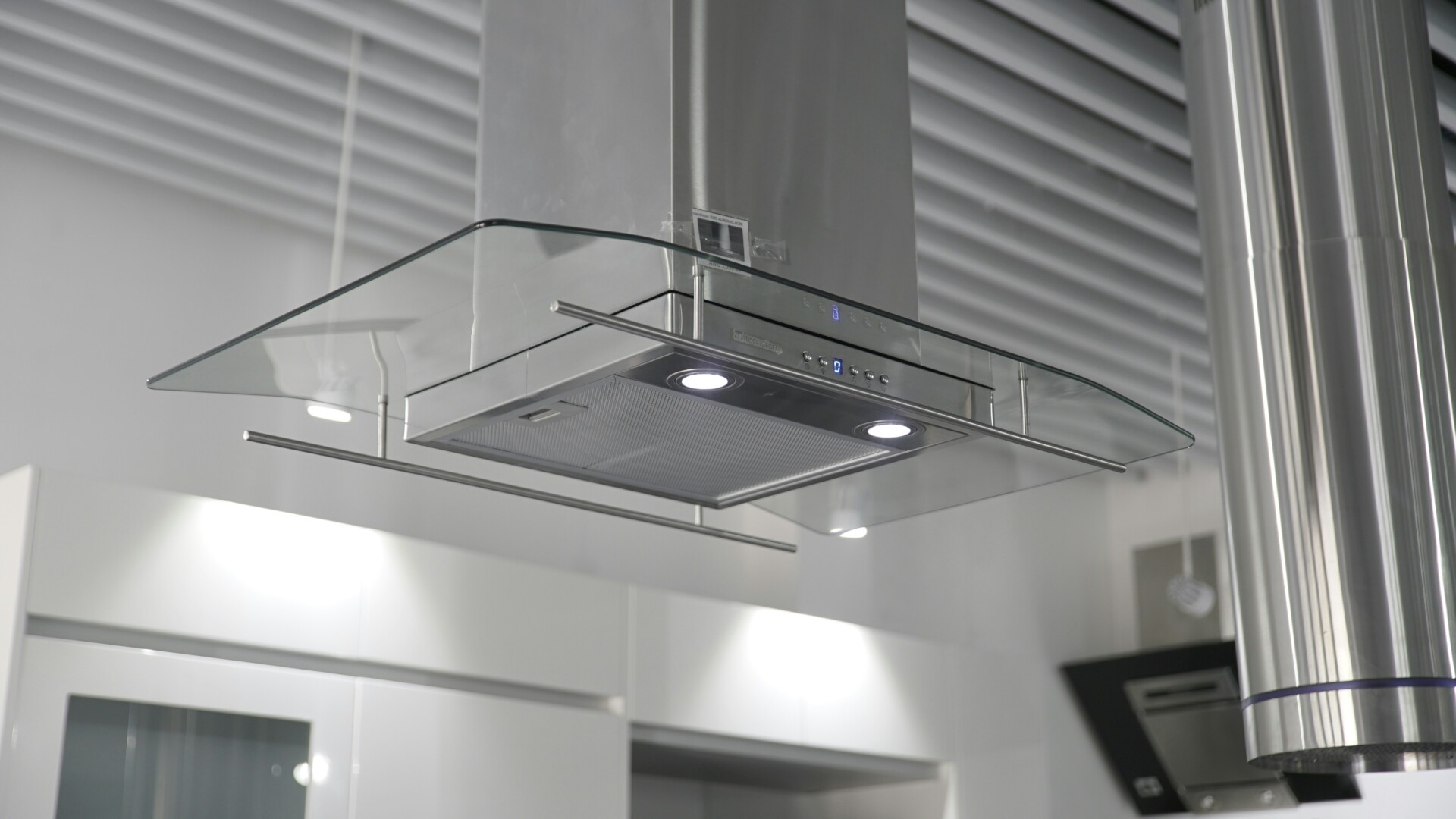
Bids based on drawings alone carry assumptions about existing conditions that are rarely confirmed in the field. We require all contractors to visit the site before submitting final numbers. For a restaurant build-out, that means walking the mechanical room, confirming utility capacities, verifying hood exhaust routing options, and checking slab conditions that may affect plumbing rough-in costs.
A contractor who skips the site visit is pricing on guesswork. That guesswork becomes contingency padding in the bid, or worse, it surfaces as a change order after work begins. A site-visit requirement filters out contractors who are not serious about accurate pricing and protects you from the budget surprises that follow when field conditions do not match drawing assumptions.
What Should Each Bid Itemize And Clarify Beyond Price?
Labor, Materials, And Subcontractor Cost Separation
A bid that lists only a total number tells you almost nothing about how that number was built. We require every bid to separate labor from materials and to show subcontractor costs broken down by trade, meaning electrical, plumbing, HVAC, framing, and finish work each appears as a distinct line item.
This structure makes cost comparisons precise. When one bid prices electrical rough-in at significantly more or less than another bid, you can ask why rather than guess. Unexplained gaps at the trade level almost always signal missing scope or a contractor working from incomplete field knowledge.
General Conditions And Management Fees
General conditions cover the day-to-day cost of running a job site: supervision, temporary utilities, dumpsters, site trailers, and similar overhead. These costs belong on paper as a named line item, not buried inside trade pricing.
Management and markup fees deserve the same scrutiny. On complex restaurant build-outs, contractor management fees can range from 20% to 50% of total project costs, depending on scope complexity and delivery method. A bid that does not disclose its markup structure makes it impossible to evaluate if the fee is reasonable or if it overlaps with general conditions already listed elsewhere.
Schedule, Milestones, And Key Assumptions
A construction schedule embedded in the bid is a commitment, not a formality. Each bid should include a phased timeline with milestones tied to real construction events: permit submission, rough-in completion, health department inspection, and equipment installation.
Equally important are the assumptions behind those dates. Lead times for commercial kitchen equipment currently run 12 to 16 weeks for many specialty items, and inspection durations vary by jurisdiction. A schedule that ignores these realities will compress on site and force costly decisions later. We build our schedules around documented assumptions so that any change to those inputs triggers a visible, trackable adjustment.
Contingency Definition And Access Rules
Contingency should appear in every restaurant build-out bid as a defined line item, typically 10% to 15% of total construction cost. The percentage alone is not enough. The bid must also describe what triggers contingency use and who approves each draw against it.
Without those rules in writing, contingency becomes a slush fund that disappears before the punch list. When we include contingency in our proposals, we tie its use to documented field conditions, owner-driven scope changes, or verified code changes that arise during construction, not routine coordination problems that competent planning should prevent.
Permit Strategy And Inspection Coordination
Permit responsibility is one of the most commonly misunderstood items in a restaurant build-out bid. The bid should state clearly which permits the contractor pulls, which the owner or tenant must secure independently, and who coordinates inspections at each phase.
Health department approvals, fire suppression inspections, and building department sign-offs each follow different review tracks. Inspection coordination failures are a leading cause of schedule delays on restaurant projects. We assign named responsibility for each permit and inspection milestone so nothing falls into a gap between the GC and the owner’s team.
Allowances, Unit Rates, And Change Order Process
Allowances are placeholder values used when exact selections have not been finalized at bid time. Every allowance in a bid should carry a stated dollar value, a defined scope, and a clear process for reconciling actual costs against the allowance once selections are made.
Unit rates serve a related purpose. When scope is likely to expand, such as additional linear feet of millwork or extra plumbing rough-ins, pre-agreed unit rates prevent disputes over change order pricing. The change order process itself must be explicit: who submits, who approves, what documentation is required, and what happens to the schedule when scope changes.
Warranty Terms And Progress-Based Payment Schedule
Warranty terms belong in the bid, not only in the final contract. Each bid should state what work is covered, for how long, and under what conditions a warranty claim triggers a contractor response. Vague warranty language at bid time usually becomes a dispute after occupancy.
Payment schedules must tie to verified construction progress, not to calendar dates. A payment schedule that releases funds based on milestones achieved, such as rough-in completion or passed inspections, protects the owner’s cash position and keeps the contractor accountable to the work plan rather than the calendar.
FF&E And Kitchen Equipment Procurement Responsibilities
Who buys and installs FF&E and commercial kitchen equipment frequently causes scope gaps in restaurant bids. The bid must state whether the GC is procuring equipment, coordinating owner-supplied equipment, or both, and how that procurement timeline connects to MEP rough-ins.
Commercial kitchen equipment requires specific utility connections, ventilation clearances, and floor drain positioning that must be confirmed before rough-in begins. If equipment procurement falls outside the GC’s scope, the bid should define the handoff point and what site-ready conditions the owner’s vendor requires. We coordinate these dependencies explicitly to prevent the most common sequencing failures in restaurant construction.
How Do I Judge Contractor Capability, Schedule Realism, And Risk Control?

Verifying Restaurant Build-Out Experience
A general contractor’s commercial portfolio tells you only part of the story. What matters for a 3,500-square-foot restaurant build-out is demonstrated experience with commercial kitchen ventilation systems, health department plan checks, and the coordination demands that come with foodservice construction. Ask each bidder to name recent restaurant projects of comparable scope and to walk you through how they handled the permitting sequence and kitchen rough-in coordination.
References from past restaurant clients carry more weight than a general list of completed projects. When geography allows, visit a finished project to evaluate finish quality firsthand. Look at tile work, millwork alignment, kitchen utility locations, and how well mechanical systems are integrated into the overall build. What you see in a completed space reflects how a team operates under real construction conditions.
Licensing, Insurance, and Financial Stability
Every bidder you seriously consider should hold a current general contractor license, general liability coverage, and workers’ compensation insurance. Request certificates of insurance and verify them directly with the provider rather than accepting copies at face value. Coverage limits should be appropriate for commercial construction at your project’s scale and cost.
Financial stability deserves equal attention. A contractor who runs into cash flow problems mid-project can stall your opening date, create lien exposure, or disappear from the site entirely. Ask how their current project load is structured and whether they have the capacity to staff your job from mobilization through closeout. A firm that is overextended on other work presents a real schedule risk regardless of how competitive their pricing appears.
Reading Schedule Realism Against Known Risks
A proposed schedule that does not account for permit review cycles, equipment lead times, or inspection availability is not a plan; it is an assumption. When evaluating schedules, compare each contractor’s proposed milestones with realities typical in restaurant construction. Permit reviews across building, fire, and health departments can consume 2 to 4 months, depending on jurisdiction and submission quality. Specialty kitchen equipment often carries 12- to 16-week lead times and must be ordered well ahead of the rough-in sequence.
Trade sequencing risk is easy to underestimate. A delay in MEP rough-ins pushes in-wall inspections, which then delays framing closeout and, in turn, finishes. One bottleneck cascades across the entire critical path. A contractor who builds a schedule without a buffer for these dependencies is presenting an optimistic number rather than an executable plan. Ask specifically how they sequence inspections, how they manage long-lead procurement, and what re-sequencing options they use when delays occur.
Incentives, Penalties, and Delay Mitigation
Ask each bidder directly whether their contract includes schedule incentives or penalty clauses. Some projects benefit from performance-based provisions that align the contractor’s financial interest with your opening date. Whether those terms make sense for your project depends on scope and contract structure, but the question itself reveals how a contractor thinks about accountability.
The more telling answer comes from how a team describes their delay mitigation process. A capable GC should explain their weekly look-ahead planning cadence, how they track submittals and RFIs to prevent decision-making gaps, and how they communicate when a risk materializes on site. A vague or dismissive answer to these questions is a data point worth weighing against the bid price.
Code Compliance Coverage in the Bid
Building code compliance, fire department requirements, and ADA accessibility standards must be treated as construction scope items, not afterthoughts. If a bid does not explicitly address these areas, you face the likelihood of change orders once the Authority Having Jurisdiction (AHJ) flags deficiencies during plan review or inspection. ADA compliance in particular touches restroom configuration, path of travel, service counter heights, and egress widths, all of which affect layout and finish costs.
Confirm that each bid includes coordination for fire suppression systems, hood suppression certification, egress compliance, and health department kitchen plan check requirements. Restaurant construction sits at the intersection of multiple regulatory bodies, and a contractor without a clear process for managing those approvals introduces schedule and cost risk that no contingency line item can fully absorb.
What Red Flags And Contract Terms Should I Review Before Award?
A bid that looks clean on the surface can hide serious structural problems. Very low bids often signal missing scope, underqualified subcontractors, or a plan to recover margin through change orders once work begins. Conversely, an unusually high bid with little line-item detail deserves the same scrutiny. Unrealistic timelines, cash-only payment requests, and pressure to sign before documents are finalized are warning signs worth pausing on before you award the contract.
Deposit requests deserve particular attention. Some jurisdictions cap upfront deposits at 10% of the contract value. A contractor requesting 40% to 50% upfront should provide clear documentation showing exactly which verifiable purchases that deposit covers. Without that explanation, a large deposit shifts significant financial risk to you before a single wall goes up.
Structuring Payments to Protect Your Position
Progress payments tied to defined milestones keep both parties accountable throughout the build. Payments triggered by time alone, such as monthly draws with no connection to completed work, give you limited leverage if performance falls short. Structuring draws around verified completions, such as rough-in sign-offs or inspection approvals, creates a clearer paper trail.
Holding a final retainage of around 15% until closeout and punch list completion gives you a practical enforcement tool. That withheld amount motivates the contractor to finish remaining items, address deficiencies, and deliver the full closeout package before the final check clears. According to construction law guidance, retaining between 5% and 15% of each payment is standard practice for maintaining performance through project completion.
Contract Terms That Must Be in Writing
A written contract should cover far more than price and start date. At a minimum, require a detailed payment schedule tied to milestones, current certificates of insurance covering general liability and workers’ compensation, and an express limited warranty covering workmanship. A one-year workmanship warranty is a reasonable baseline, with manufacturer warranties for installed systems passed through to the owner directly.
Lien waivers are another essential contract component. Conditional lien waivers submitted with each pay application protect the property from mechanic’s liens filed by unpaid subcontractors or suppliers. Unconditional waivers should be signed only after funds have actually cleared, since they take effect immediately upon signing regardless of whether payment was received. Be especially cautious with waiver language that inadvertently covers retainage, pending change orders, or unapproved extra work.
The change-order clause needs its own clear section. It should define what triggers a change order, how pricing is calculated (time and materials, unit rates, or a negotiated lump sum), what backup documentation is required, and who has authority to approve. Contracts that leave this open-ended or promise zero changes as a selling point set the stage for disputes once field conditions diverge from the drawings.
Final Checks Before You Commit
Dispute resolution language often gets overlooked until a problem surfaces. Review whether the contract specifies mediation before arbitration or litigation, which jurisdiction governs the agreement, and how legal costs are allocated if a dispute escalates. Clauses that require arbitration in the contractor’s preferred jurisdiction or shift all legal fees to the owner regardless of outcome deserve pushback before signing.
Before awarding the contract, confirm that each bid aligns precisely with the drawings and specifications you issued. Any gap between the bid scope and your project documents is a future change order waiting to happen. Resolve those discrepancies in writing before executing the contract, not after mobilization begins.
Conclusion And Next Steps
Selecting the best-value contractor for a 3,500-square-foot restaurant build-out comes down to a structured comparison across the factors that affect cost, schedule, and quality. Start with scope alignment: every bidder must work from the same drawings and specifications. Then evaluate each proposal based on trade-by-trade breakdowns, management fees, contingency coverage, and code compliance—not on bottom-line price alone.
Before making an award, close any gaps in writing. Verify that timelines account for permit-review periods and equipment lead times; confirm that building, fire, and health requirements are fully covered in the bid; and ensure that the change-order process and payment schedule are documented in the contract. A well-structured contract review at this stage protects the project against disputes during construction.
When assembling your shortlist, include contractors with direct restaurant build-out experience and confirm their assumptions about schedule coverage and scope inclusions before making a final decision. At EB3 Construction, we work through this process with developers and property owners to build restaurants that open on time and within budget. Contact us to discuss your restaurant build-out and request a detailed proposal.