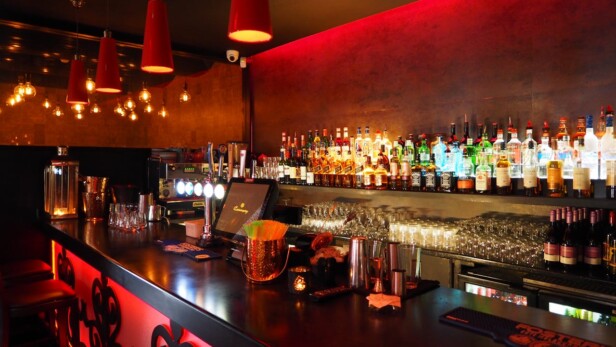
Fast reopening starts with smart construction planning. When we convert an existing restaurant space into a new concept, we streamline every step to keep the closure period as short as possible.
Our approach centers on design-build coordination that aligns planning, permitting, and construction sequencing. This method moves projects from initial concepts to final execution without the typical handoff delays between separate design and build teams. Restaurant tenant improvement projects benefit significantly from this integrated approach (related: tenant improvement allowances), with timelines ranging from a few weeks for minor updates to several months for major conversions, depending on space size, scope complexity, and permit approval speed.
How Should Planning Align Scope, Schedule, And Permits To Cut Downtime?
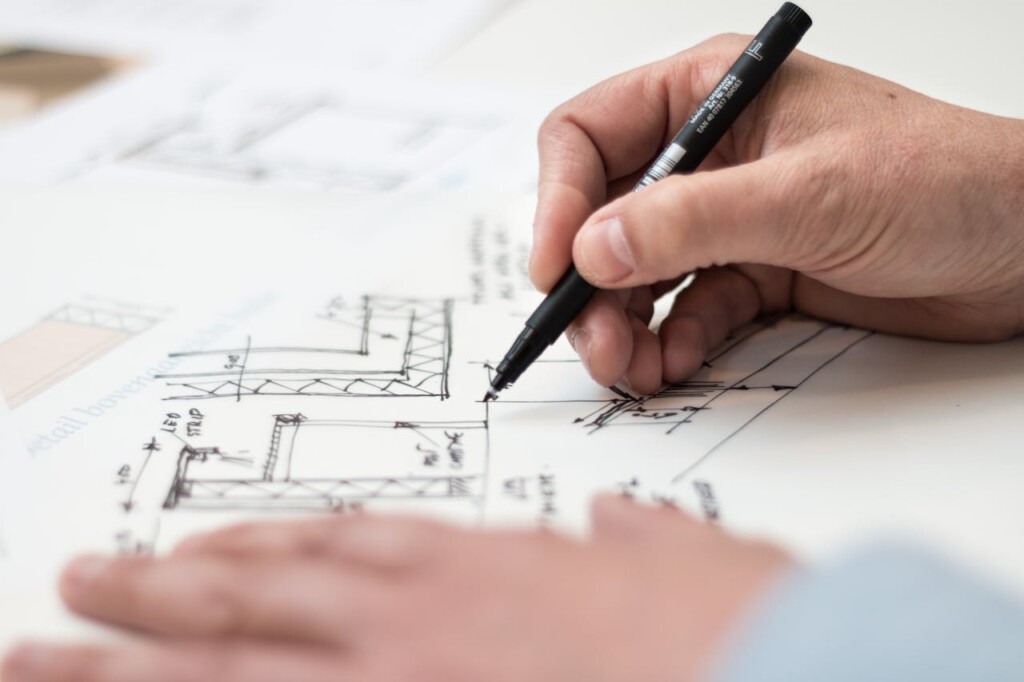
We establish a clear operational concept before touching any construction element. This means defining how the space will function, from kitchen workflows to guest movement patterns, before we start planning the build sequence.
The layout becomes our blueprint for everything that follows. We map seating capacity, service stations, kitchen prep areas, and storage zones using precise measurements and traffic-flow analysis.
Concept Development and Operational Planning
Restaurant conversions require operational clarity from day one. We work with owners to define service style, menu complexity, and peak capacity requirements that drive every design decision.
Kitchen flow determines equipment placement, which affects electrical and plumbing rough-ins. Dining layout influences HVAC zones and lighting circuits. We coordinate these elements during pre-construction planning to prevent conflicts that cause delays and change orders during construction.
Storage requirements, prep space allocation, and service flow patterns must align with the new concept’s operational demands. We document these requirements in detailed drawings that guide permit applications and construction sequencing.
Permit Strategy and Approval Coordination
We map every required approval before submitting the first application. Building permits cover structural changes and MEP upgrades. Fire department reviews focus on egress, suppression systems, and occupancy limits. ADA compliance requires accessibility reviews for entrances, restrooms, and dining areas.
Health department approvals present unique challenges for restaurant conversions. We coordinate with local health officials early to understand specific requirements for food preparation zones, ventilation systems, and sanitation equipment. These reviews often take longer than standard building permits and can delay the opening if not planned properly.
Certificate of Occupancy requirements vary by jurisdiction and project scope. We research local processing times and build realistic permit timelines with buffer periods for potential revisions. Zoning checks confirm that the new concept aligns with local use restrictions and parking requirements.
Schedule Development with Contingency Planning
Realistic scheduling accounts for permit processing times, material delivery dates, and inspection coordination. We sequence work to minimize dependencies that can cause cascading delays.
Plan review periods range from two to eight weeks, depending on project complexity and local workloads. We submit complete applications with all required documentation to avoid revision cycles that extend timelines.
Contingency planning addresses common delay sources, including permit revisions, material shortages, and inspection failures. We build buffer time into critical-path activities and maintain relationships with backup suppliers for key materials and equipment.
Design-build delivery streamlines this coordination by aligning design decisions with construction capabilities and permit requirements. We can adjust plans during the approval process to address reviewer comments without stopping progress on other project elements.
Which Build Strategies Minimize Closure While Keeping Safety First?
Phased construction lets us isolate work areas and keep parts of the restaurant operating throughout the conversion. We coordinate so sections of the restaurant remain functional while renovating adjacent spaces, rotating work zones to protect revenue streams. This approach requires careful sequencing to prevent cross-contamination between active dining areas and construction zones.
Off-hours work protects daytime operations from disruption. We typically schedule noisy demolition, heavy equipment installation, and dust-producing tasks during early mornings or overnight shifts when the restaurant is closed. Late-night electrical and plumbing rough-ins allow kitchen staff to resume normal prep the following day.
Timeline expectations vary widely based on renovation scope. Minor dining updates focused on cosmetic changes may allow partial operation, maintaining bar or patio service. Major kitchen work involving equipment replacement, ventilation upgrades, or structural modifications typically requires 2 to 8 weeks of full closure. Well-managed restaurant build-outs—see examples from QSR construction and restaurant build-outs—generally take 8 to 12 weeks from start to finish when properly coordinated.
Revenue protection depends on strategic sequencing and maintaining operational continuity wherever possible. We prioritize work that enables the fastest return to service, completing critical infrastructure first before moving to finish elements. Maintaining a clean site prevents health department concerns and keeps adjacent operational areas compliant with food safety standards.
Scheduling inspections is crucial to avoiding rework and delays. We coordinate building, fire, health department, and ADA inspections to align with construction milestones and quality control benchmarks rather than waiting until project completion. This proactive approach identifies compliance issues early and prevents costly corrections that could extend closure periods.
What Upgrades And Layout Changes Drive A Successful Concept Conversion?
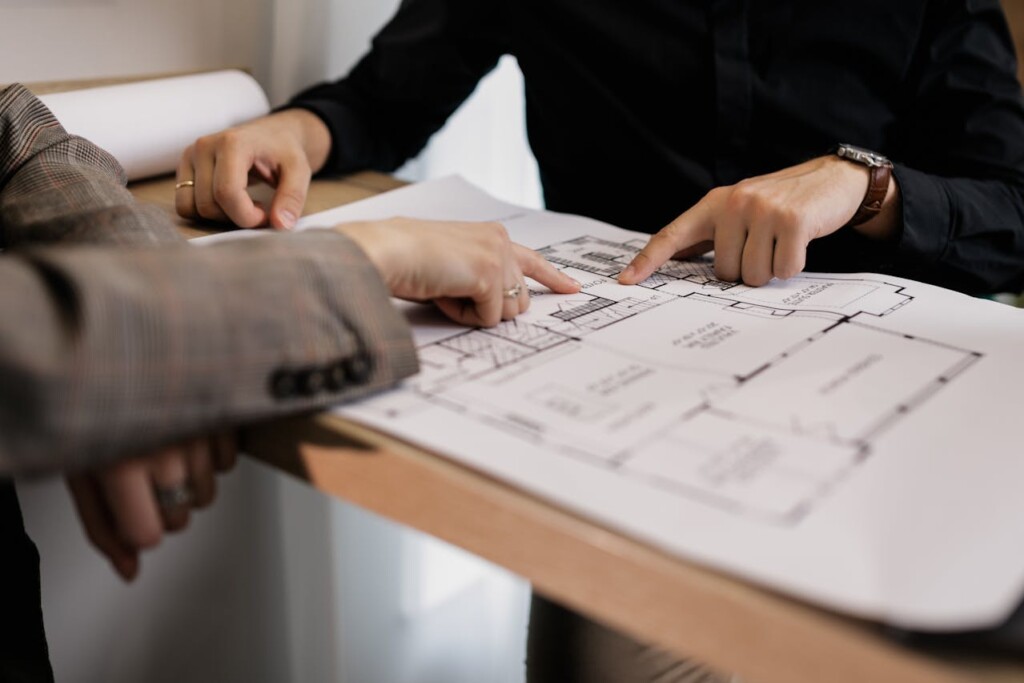
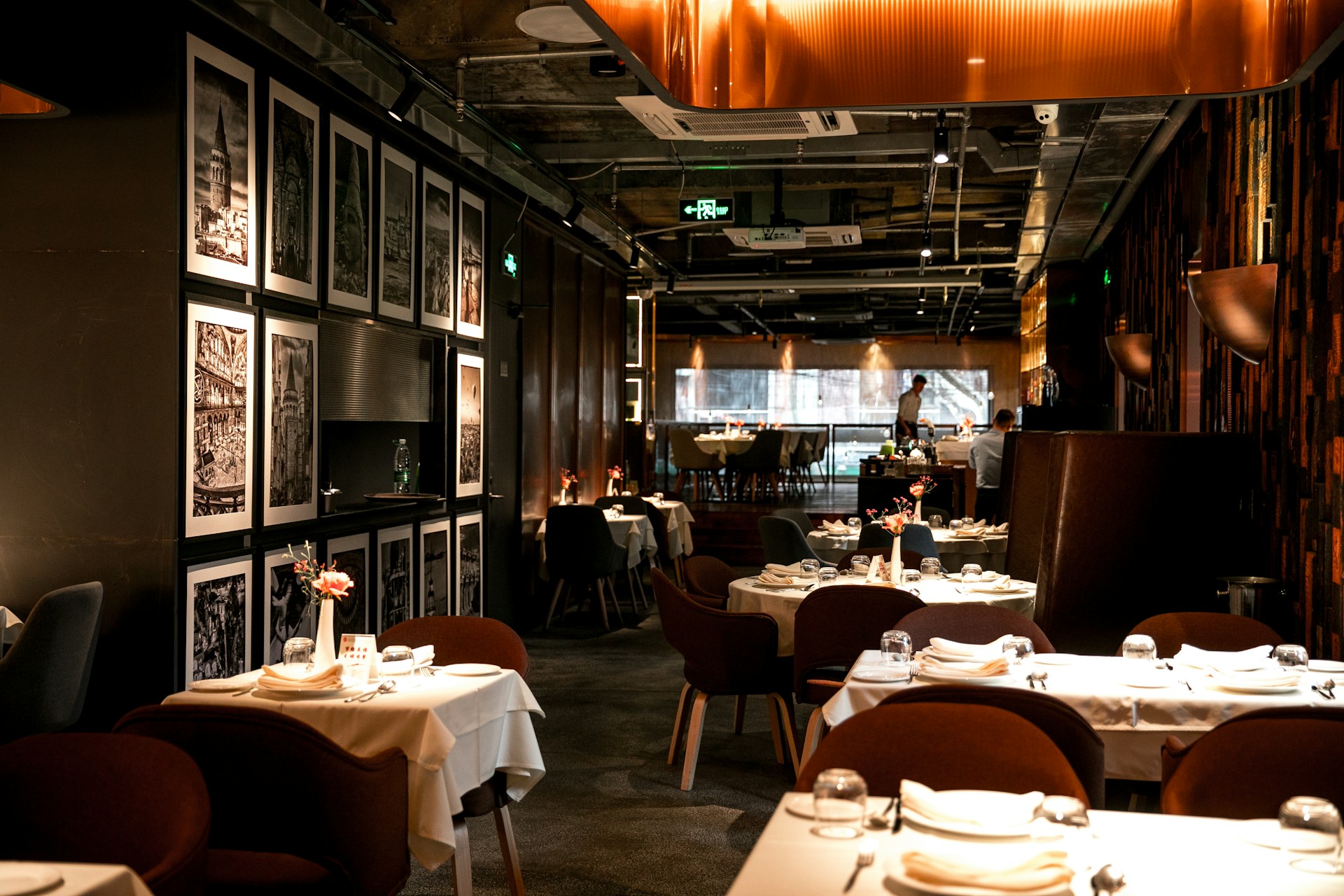
Strategic layout optimization is central to effective restaurant concept conversions. We design workflows that remove bottlenecks between prep areas, cooking stations, and service points. Reconfigured seating arrangements maximize capacity while maintaining comfortable guest flow. Strategically positioned service stations reduce staff movement and improve order fulfillment speed.
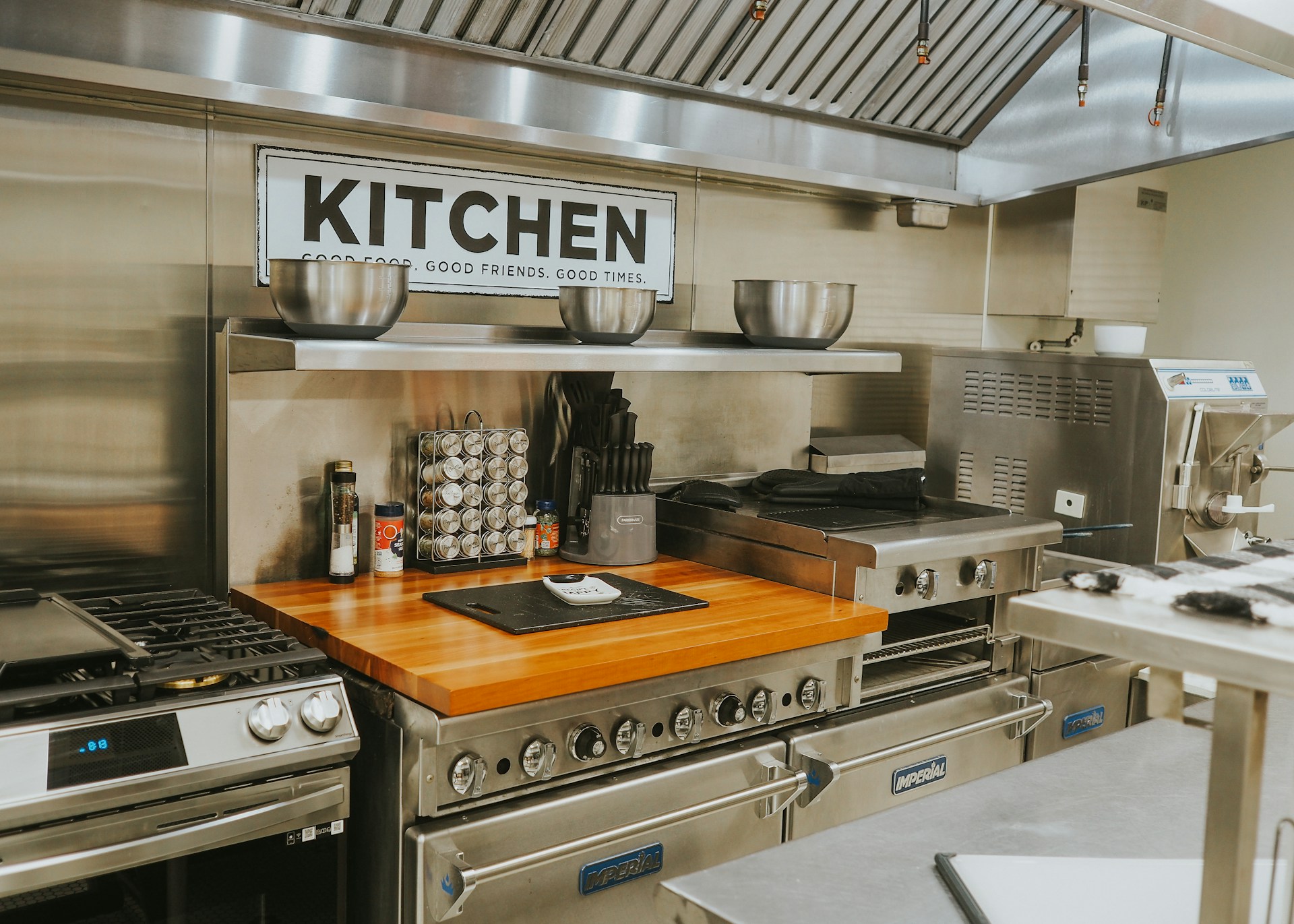
Kitchen line redesigns deliver immediate operational gains. We relocate equipment to create logical cooking sequences that match menu requirements. Prep areas expand or contract based on the new concept’s volume projections. Strategic placement of walk-in coolers, dishwashing stations, and storage areas supports smooth kitchen operations during peak service periods.
MEP Infrastructure Upgrades That Enable Operations
Electrical system upgrades power the demands of modern restaurant equipment. We install dedicated circuits for high-draw appliances like convection ovens and induction cooktops. Additional outlets support point-of-sale systems, beverage equipment, and charging stations. Proper electrical planning prevents circuit overloads that can shut down operations.
Plumbing modifications accommodate new equipment connections and health code requirements. We coordinate grease trap installations with local regulations and equipment placement. We relocate hand-washing stations to meet accessibility standards and workflow efficiency. We size water supply lines appropriately for dishwashers, ice machines, and beverage systems.
HVAC improvements maintain comfortable dining temperatures while supporting kitchen ventilation and exhaust requirements. We size systems based on seating capacity, kitchen heat loads, and local climate conditions. Proper ventilation and exhaust systems prevent odors from reaching dining areas and ensure compliance with fire safety codes.
Equipment Coordination and Installation
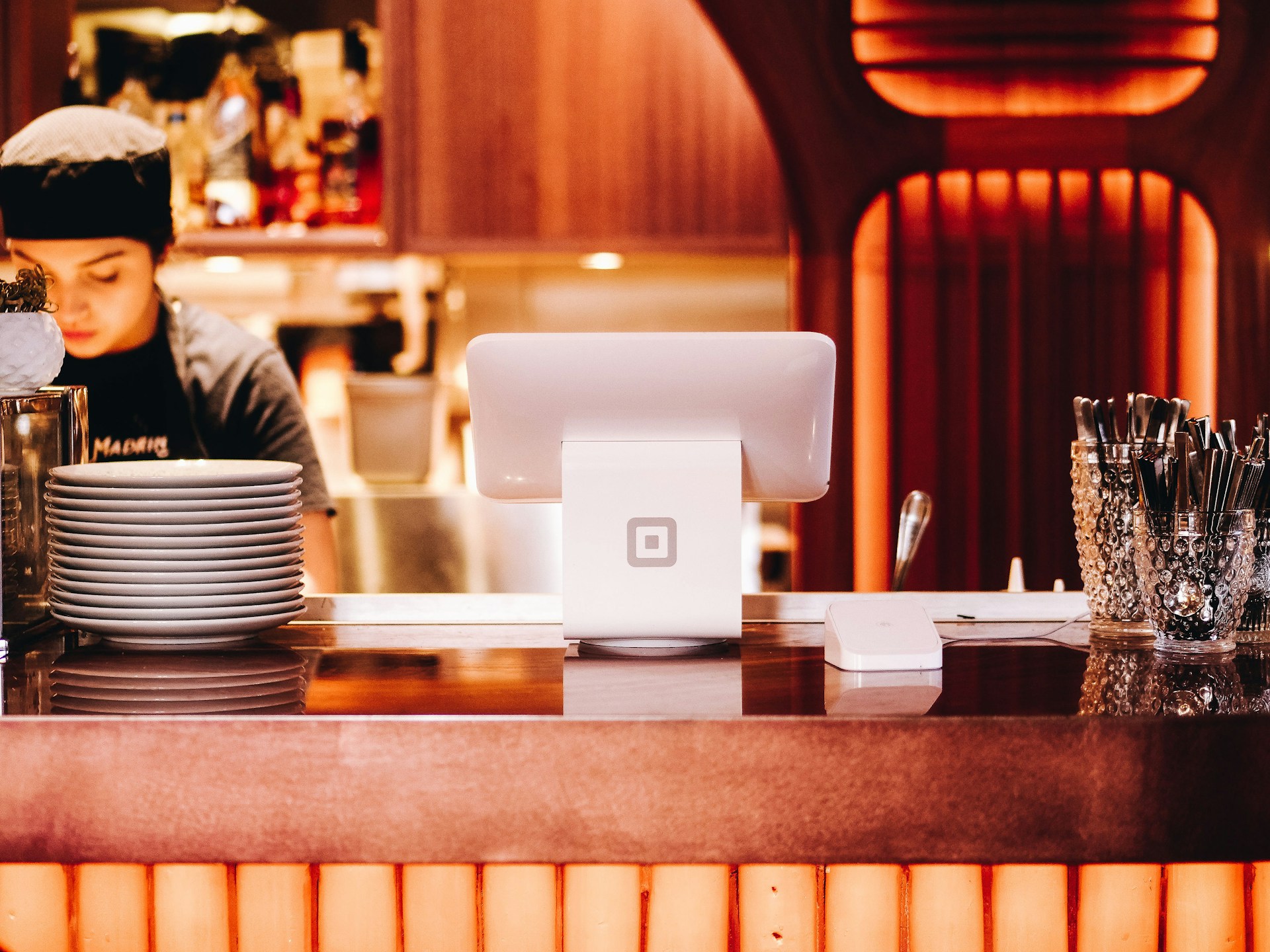
We work directly with equipment suppliers to coordinate delivery schedules and utility connections. Oven installations require precise electrical and gas connections that align with kitchen layout modifications. Refrigeration units need adequate clearance and proper drainage systems. POS system installations integrate with electrical planning and network infrastructure.
Commercial kitchen equipment selection matches the new concept’s service style and volume projections. Quick-service concepts benefit from high-speed cooking equipment and efficient warming systems. Full-service restaurants require flexible cooking stations that handle varied menu preparations. We ensure all equipment meets health department standards and local code requirements.
Design Trends That Enhance Guest Experience
Sustainable finishes provide durability while supporting environmental goals. Energy-efficient lighting reduces operational costs and creates an appropriate dining ambiance. Water-saving fixtures meet conservation requirements while maintaining functionality. These upgrades often qualify for utility rebates and tax incentives.
Open kitchen visibility creates engagement opportunities between staff and guests. We design sight lines that showcase food preparation while maintaining workflow efficiency. Flexible multiuse spaces adapt to different service periods and private events. These design elements differentiate the new concept while supporting operational needs.
All layout changes and upgrades must satisfy building codes, fire safety regulations, and health department standards. We coordinate inspections throughout the conversion process to ensure compliance before reopening.
Conclusion and Next Steps
Converting your existing restaurant to a new concept with minimal downtime requires a systematic approach across planning, construction, and approvals. We accomplish this through comprehensive upfront coordination that aligns design-build processes, permit management, and construction sequencing into a cohesive timeline. The most successful restaurant conversions balance speed with compliance, ensuring operational efficiency and regulatory adherence from day one through the final certificate of occupancy.
Prioritizing the right sequence of actions drives project success. Early permit submissions, phased construction scheduling, and strategic MEP upgrades lay the groundwork for shorter closure periods. We coordinate inspections and health department approvals alongside construction milestones, preventing delays that extend downtime. Timely equipment integration, proper ventilation systems, and compliance with fire safety requirements ensure your space meets all operational standards before reopening to guests.
Partner with EB3 Construction to coordinate your restaurant conversion timeline effectively, minimizing disruption while delivering a compliant, guest-ready space.