Converting a raw shell space into a functioning fast-casual restaurant requires executing multiple interconnected phases on a tight timeline. Each step builds on the previous one, creating momentum toward opening day.
The path from an empty shell to opening day follows a structured sequence that balances planning, construction, and operations. We align business fundamentals with technical execution, ensuring every decision supports immediate construction needs and long-term service goals.
How Do You Scope Costs, Secure Funding, And Handle Permits?

Building a restaurant requires substantial upfront capital and careful financial planning. We approach this as a three-part process: developing a comprehensive business plan that guides investment decisions, creating detailed budgets that account for every major expense category, and securing the right mix of funding sources to cover both startup costs and initial operating capital.
Developing Your Business Plan
Your business plan serves as the roadmap for all financial decisions throughout the build-out process. We structure these plans to cover your restaurant concept, target menu offerings, and detailed market analysis, including the local competition and customer demographics. The plan must include realistic financial projections spanning at least five years, showing monthly cash flow forecasts for the first two years and annual projections beyond that.
Market analysis drives accurate revenue projections. We analyze foot traffic patterns, average check sizes in the area, and seasonal variations that affect sales. Competitive analysis helps position pricing and identify gaps in local dining options. These elements directly influence how much revenue the restaurant can realistically generate, which determines the level of investment that makes financial sense.
Creating a Detailed Startup Budget
Restaurant startup costs fall into several major categories that we track separately. Real estate expenses include security deposits, first month’s rent, and any broker fees or legal costs for lease negotiation. Construction and renovation typically represent the largest single expense, covering interior build-out, plumbing rough-in and fixtures, electrical panel upgrades and new circuits, and design fees for architects or designers.
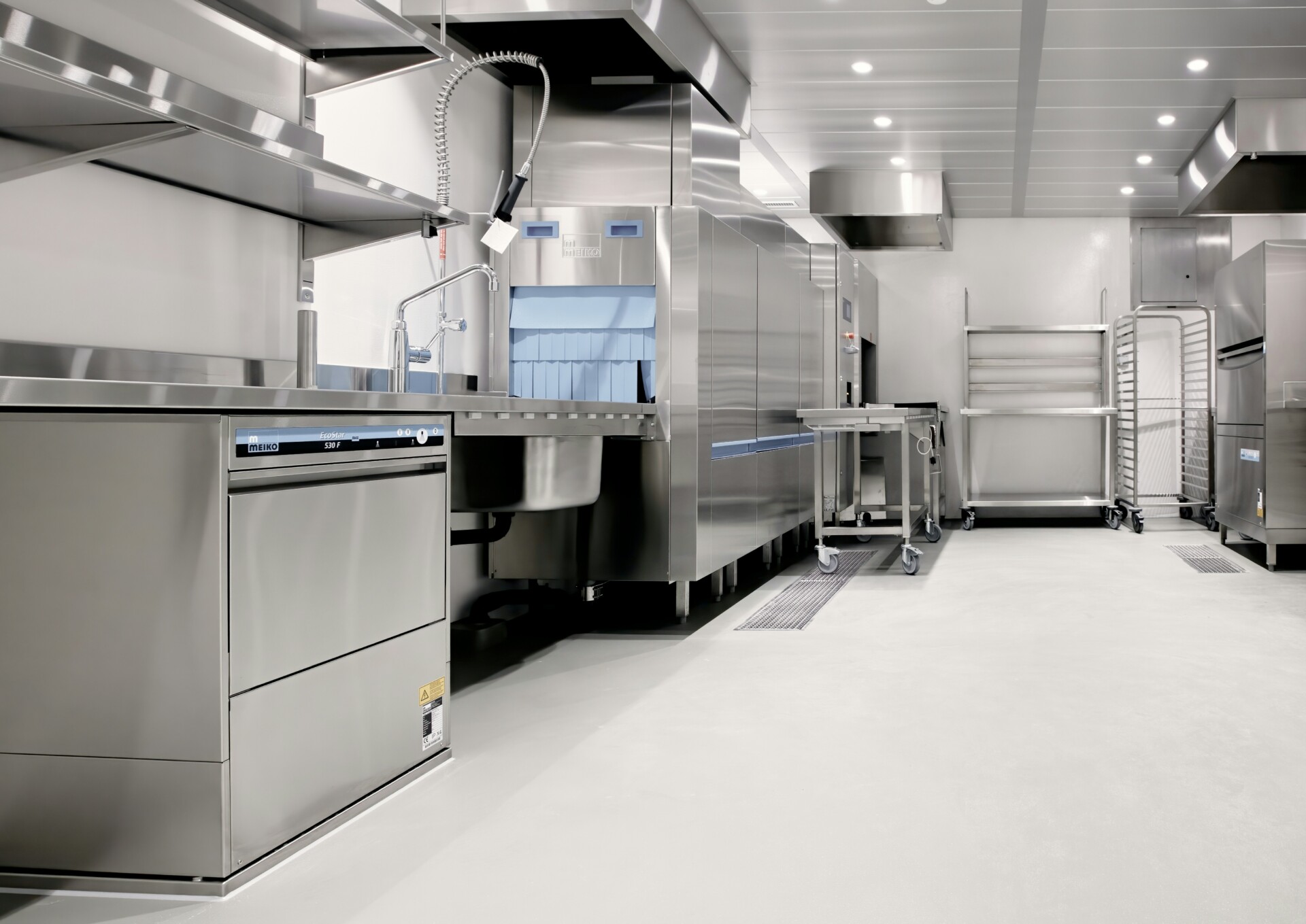
Kitchen equipment represents another major investment. Commercial-grade cooking equipment, refrigeration systems, prep tables, and dishwashing stations require significant upfront capital. We also budget for smallwares like utensils, plates, and glassware, plus an initial food inventory to stock the kitchen for opening week.
Technology infrastructure includes POS system hardware and software setup, kitchen display systems that coordinate order flow, security cameras and alarm systems, and basic office equipment for administrative functions. Marketing launch costs cover website development, social media setup, grand opening promotions, and local advertising to build initial awareness.
Working capital covers operational expenses for the first three to six months while the restaurant builds its customer base. This includes payroll, utilities, insurance premiums, supplier payments, and loan servicing. Industry data shows startup costs typically range from $100,000 to $500,000, depending on location, restaurant size, and concept complexity.
Exploring Funding Sources and Applications
Most restaurant projects require multiple funding sources to cover total startup costs. Traditional bank loans offer competitive rates but require strong credit scores, detailed financial projections, and often personal guarantees from owners. SBA-backed loans provide favorable terms for qualified borrowers, with longer repayment periods and lower down payment requirements than conventional financing.
Private investors bring capital in exchange for equity stakes or revenue shares. Angel investors and restaurant industry veterans often provide valuable operational guidance along with funding. Some developers and property owners offer tenant improvement allowances that reduce upfront construction costs, though these typically come with longer lease commitments.
Equipment financing allows restaurants to spread kitchen equipment costs over several years rather than paying everything upfront. This preserves working capital for operations while building equipment equity over time. Each funding source has different approval timelines, so we recommend starting applications early in the planning process.
Managing Licenses and Permits
Restaurant licensing requires coordination with multiple government agencies at federal, state, and local levels. We start this process early because approval timelines vary significantly and delays can push back opening dates by months. The basic business license and federal EIN number are typically straightforward and processed quickly.
Food service licenses require health department inspections and approval of kitchen layout, equipment specifications, and food handling procedures. These agencies often require detailed construction drawings and equipment cut sheets before issuing permits. Food handler permits require each employee to complete certification courses, so we plan training schedules around permit availability.
Local permits cover building modifications, signage installation, fire safety systems, and occupancy approval. Some jurisdictions require separate permits for grease disposal, outdoor seating, live music, or late-night operations. Liquor licenses involve the most complex approval process, often requiring community notification periods and public hearings.
Processing times range from weeks to months, depending on jurisdiction and permit complexity. We recommend submitting applications as soon as construction drawings are complete, often before construction begins. This parallel timeline prevents licensing delays from extending the overall project schedule and allows time to address any agency concerns or additional requirements.
How Do You Select And Verify A Restaurant Contractor For Shell Space?
Building a restaurant from shell space demands a contractor with proven experience in commercial kitchen systems, health code requirements, and tight construction timelines. We start by creating a shortlist that prioritizes documented restaurant projects over general commercial work. The right contractor understands the unique challenges of transforming empty shells into fully operational dining spaces that pass health inspections and meet complex mechanical, electrical, and plumbing (MEP) requirements.
Restaurant construction differs significantly from standard commercial builds. We look for contractors who demonstrate specific expertise in kitchen equipment integration, grease management systems, and fire suppression coordination. These technical requirements separate qualified restaurant contractors from those who primarily handle office or retail projects.
Verify Business Credentials And Online Presence
Start verification by confirming an active business address and a working phone number. We avoid contractors who provide only P.O. boxes or residential addresses, as these raise questions about business stability and professional operations. A physical business location indicates the contractor maintains permanent operations and can be reached throughout the project.
Check their online portfolio for restaurant-specific projects that match your shell-space scope. Professional contractors maintain current websites showcasing completed restaurant builds with clear before-and-after photos. Social media presence should demonstrate ongoing project activity and client engagement, not just static marketing content.
Request business registration documents to verify that the company name matches across all materials. Many states provide searchable databases for active business status verification. This step helps identify contractors operating under multiple names or those with unresolved business compliance issues that could affect project completion.
Confirm Current Licensing And Insurance Coverage
Never accept verbal claims about licensing status. We require contractors to provide specific license numbers and verify them directly through appropriate state agencies.
Request insurance certificates directly from carriers rather than copies provided by contractors. Contact insurance companies to verify policy limits, coverage dates, and premium payment status. Both general liability and workers’ compensation insurance must remain active throughout your project.
Ensure liability coverage meets or exceeds your project value and scope requirements. Most restaurant shell builds require contractors to carry at least $1 million in general liability coverage, though complex projects may warrant higher limits. Workers’ compensation protects you from liability if crew members are injured during construction.
Contact References And Assess Past Performance
Call at least three recent references from similar restaurant or commercial kitchen projects. We ask specific questions about work quality, timeline adherence, budget control, and communication practices. Professional contractors readily provide references and welcome these conversations as part of their vetting process.
Focus on how contractors handled unexpected challenges during previous builds. Restaurant projects often involve complex coordination between trades, making problem-solving skills crucial for successful shell-to-restaurant conversions. References can reveal whether contractors proactively address issues or leave problems for others to resolve.
Ask references about change order processes and budget transparency. Restaurant builds frequently require adjustments as design details are finalized, so contractors must handle scope changes professionally without derailing schedules or budgets.
Evaluate Contract Terms And Pricing Structure
Examine contracts for detailed breakdowns of labor, materials, and project phases. Transparent contractors provide line-item pricing that clearly separates costs for different work components. This transparency helps track expenses and manage budget adjustments throughout construction.
Review payment schedules to ensure they align with project milestones rather than requiring large upfront payments. Professional payment structures typically hold final payment until satisfactory completion and final inspection. Be cautious of contractors demanding full payment before work is complete.
Confirm clear change order procedures that document scope adjustments, cost impacts, and timeline effects. Restaurant projects require flexibility as kitchen layouts and equipment specifications are refined. Well-defined change tracking prevents disputes and maintains project momentum.
Assess Local Experience And Collaboration Skills
Prioritize contractors with documented experience in your local permitting jurisdiction. We value those who understand regional health department requirements, fire marshal expectations, and building code variations. This familiarity can save weeks on approval timelines and prevent costly compliance issues.
Evaluate communication practices by asking about progress reporting frequency, meeting schedules, and project documentation standards. Structured communication prevents misunderstandings that lead to expensive rework and schedule delays. Professional contractors should offer regular updates and maintain detailed project records.
Look for contractors who demonstrate strong collaboration with architects, designers, and equipment suppliers. Restaurant shell builds require seamless coordination between multiple specialists. Contractors who work well with design teams and understand equipment integration requirements deliver smoother project execution.
Review Project Management And Closeout Standards
Request detailed information about scheduling practices, risk management plans, and change tracking systems. Professional contractors maintain comprehensive project documentation and can explain how they handle common restaurant construction challenges like equipment delivery delays or inspection failures.
Confirm closeout procedures include system testing, punch list completion, and delivery of operation and maintenance manuals. Restaurant equipment and life-safety systems require proper testing and documentation for health department approval. Contractors should provide training on the installed systems and maintain warranty documentation.
Verify that contractors coordinate final inspections with local authorities and provide support during health department reviews. The transition from construction completion to operational approval requires careful attention to regulatory compliance and system performance verification.
What Design And Engineering Steps Turn A Shell Into An Efficient Fast-Casual Layout?
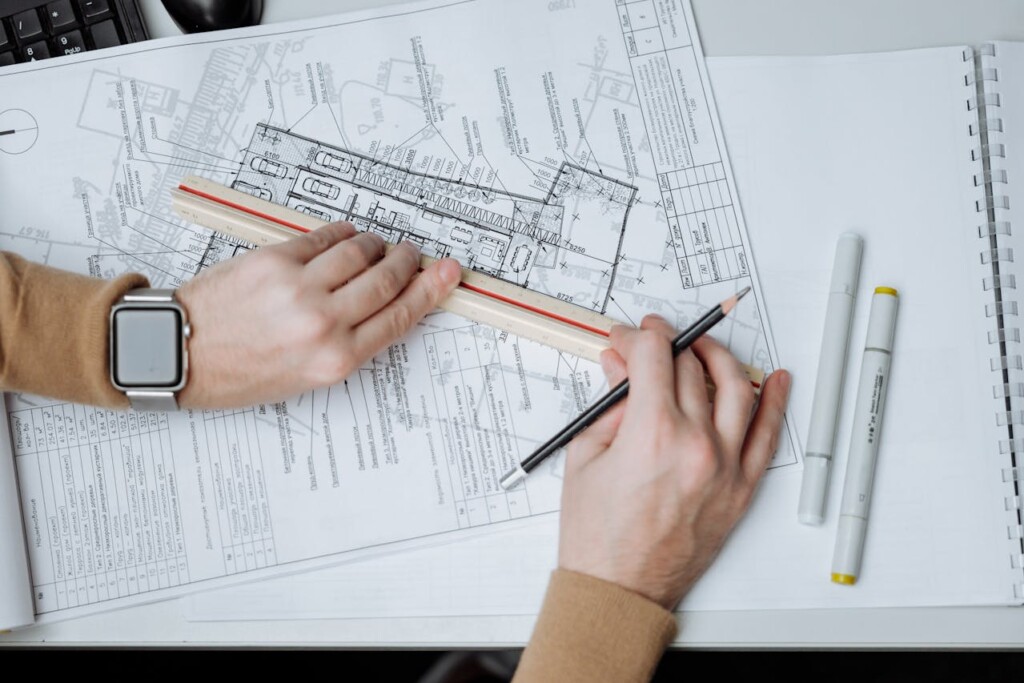
Converting a shell space into a fast-casual restaurant requires systematic design and engineering phases. We guide the transformation through structured stages that align building systems with workflow efficiency and regulatory compliance. Each phase builds on prior work to create construction documents that contractors can execute without costly changes.
The design process balances operational needs with technical requirements. Fast-casual concepts demand rapid service, clear guest flow, and flexible kitchen zones that support consistent production. Engineering calculations ensure that equipment operates safely and meets health codes and accessibility standards.
Pre-Design Assessment And Documentation
We start by measuring and documenting existing building conditions and systems. Shell spaces often include basic structural elements, utilities stubbed to general locations, and HVAC rough-ins that require verification against restaurant requirements. Accurate field measurements prevent conflicts during equipment placement and utility connections.
Building system assessments cover electrical capacity, gas service sizing, water pressure and volume, and existing HVAC infrastructure. We document ceiling heights, structural elements that might affect hood placement, and any limitations that could impact kitchen layout. Fire department access routes and utility easements also factor into design decisions.
This documentation becomes the foundation for all subsequent design phases. Missing details at this stage create change orders and delays during construction when equipment doesn’t fit or utilities require upgrades.
Site Development And Zoning Coordination
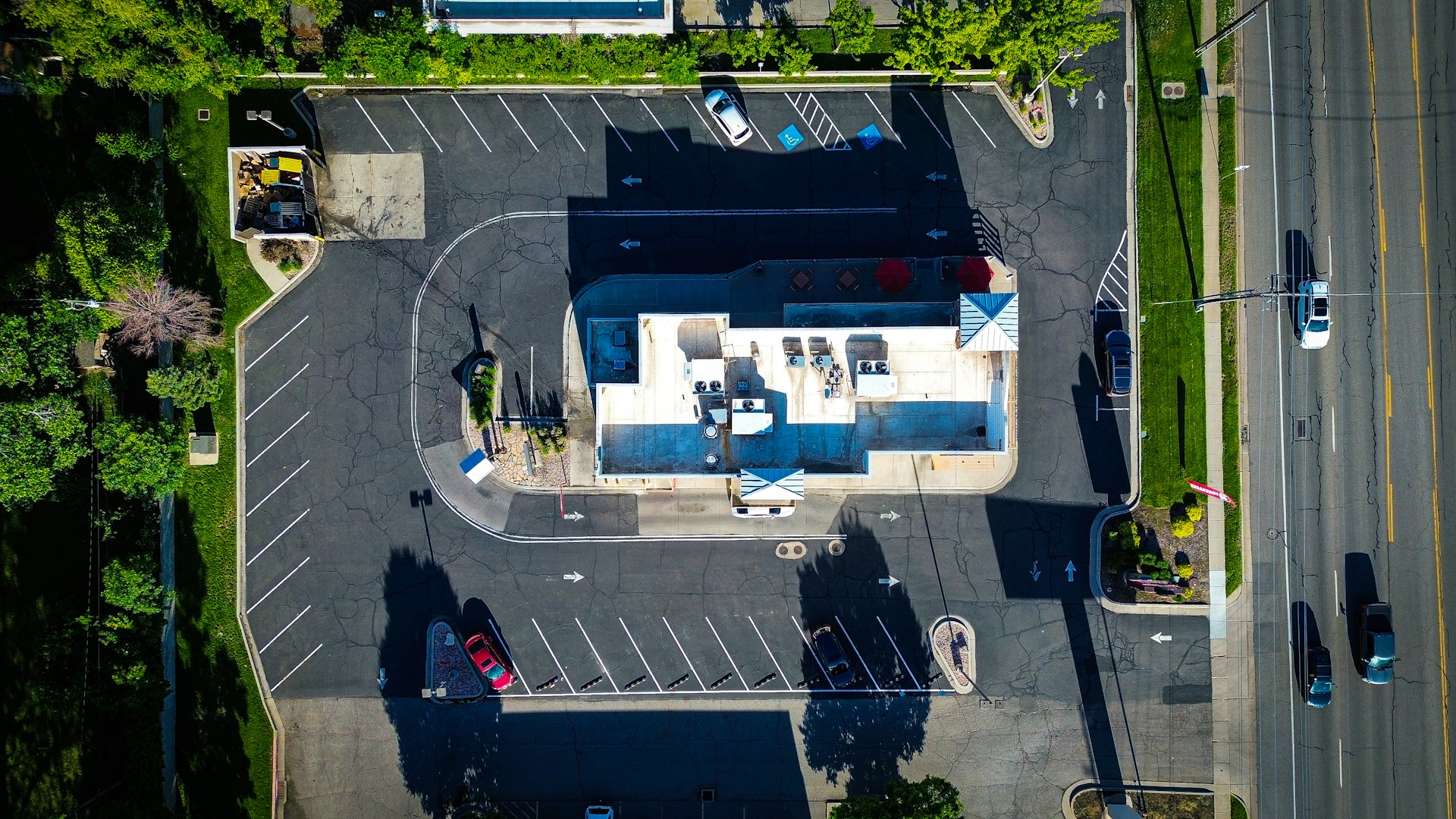
Site development work addresses parking, signage, stormwater management, and accessibility compliance before interior design begins. Local zoning requirements often dictate parking ratios, drive-through configurations, and exterior signage placement. We coordinate with civil engineers when site work involves drainage modifications or paving changes.
Parking layouts must accommodate ADA-compliant spaces with proper access routes to building entrances. Fast-casual restaurants typically require higher turnover rates than full-service concepts, affecting parking space calculations and traffic flow patterns.
Signage design integrates with local sign codes while supporting brand visibility and wayfinding. Drive-through operations require specialized civil engineering for vehicle stacking, menu board placement, and safe traffic circulation.
Kitchen Design And Equipment Coordination
Kitchen design establishes workflow zones that support fast-casual service models. We organize the space into distinct areas: prep zones for ingredient preparation, grill and fry stations for cooking, assembly lines for order building, and expo areas for final quality checks and packaging.
Equipment layout follows the sequence of food production. Raw ingredients flow from storage to prep areas, then to cooking stations, assembly zones, and finally to customer pickup points. This linear progression minimizes steps and reduces cross-contamination risks while maintaining production speed during peak hours.
Health code compliance shapes equipment placement and spatial relationships. Three-compartment sinks require specific clearances, hand-washing stations require strategic placement near food prep areas, and equipment spacing must allow thorough cleaning and maintenance access. Walk-in coolers and freezers integrate with prep and cooking zones while maintaining proper refrigeration airflow patterns.
MEP requirements are coordinated with equipment specifications early in the design process. Commercial cooking equipment demands precise electrical loads, gas BTU calculations, and ventilation requirements. We establish these parameters before schematic design to prevent utility conflicts and ensure adequate infrastructure capacity.
Schematic Design
Schematic design translates kitchen workflows into floor plans that accommodate guest flow and operational efficiency. We develop dining area layouts that support fast-casual service models, including ordering queues, pickup areas, and seating arrangements that encourage turnover while maintaining comfort.
Guest circulation patterns connect entrance areas to ordering stations, pickup zones, and seating areas without creating bottlenecks. Self-service elements like beverage stations and condiment areas require strategic placement that doesn’t interfere with main traffic flows or create congestion during peak periods.
During this phase, we establish strategies for HVAC zoning, electrical distribution, and plumbing routing. We coordinate these building systems with kitchen equipment requirements and dining area comfort needs. Open kitchen concepts require additional attention to acoustics, ventilation, and visual barriers that maintain food safety while supporting the customer experience.
Design Development And Engineering Coordination
Design development finalizes furniture and equipment layouts while coordinating detailed engineering requirements. We specify exact equipment models, utility connections, and spatial relationships that contractors need for accurate pricing and installation planning.
Engineering coordination becomes critical during this phase. Hood systems require precise alignment with cooking equipment, adequate capture velocities based on equipment types and cooking methods, and proper makeup air calculations. We work with mechanical engineers to size ventilation systems that maintain kitchen comfort while meeting code requirements for air changes and grease capture.
Electrical engineering addresses dedicated circuits for major equipment, proper voltage requirements, and electrical panel capacity. Gas sizing calculations ensure adequate supply pressure and volume for peak demand periods when all cooking equipment operates simultaneously.
Refrigeration systems require coordination between equipment manufacturers and mechanical contractors. Walk-in units need proper insulation details, vapor barriers to prevent condensation issues, and refrigeration line routing that doesn’t interfere with other building systems.
Construction Documents And Specifications
Construction documents provide complete drawings and specifications that contractors use for accurate bidding and installation. We detail every aspect of the build-out, from structural modifications to finish selections, reducing the potential for change orders and construction delays.
Detailed drawings show equipment placement, utility connections, finish transitions, and special construction requirements. Specifications cover performance standards, material quality, and installation methods that ensure code compliance and operational durability.
ADA compliance integration addresses accessible routes, counter heights, aisle clearances, and restroom layouts throughout the design. We ensure minimum 36-inch aisle widths, accessible table heights between 28 and 34 inches, and proper knee clearance dimensions. Accessible routes connect parking areas to entrances and provide unobstructed paths through dining and service areas.
Door widths, ramp slopes, and grab bar installations receive specific documentation to prevent compliance issues during final inspections. Signage requirements for restrooms and exits include tactile elements and proper mounting heights that meet accessibility standards.
Which Build-Out Phases And Code-Driven Systems Are Critical To Execute?
Construction execution demands systematic coordination of MEP systems and life safety components. We organize this phase around the critical infrastructure that drives restaurant functionality and code compliance. Each system requires specialized installation expertise to ensure long-term performance and regulatory approval.
HVAC Systems for Commercial Kitchens
Restaurant HVAC systems balance extreme heat loads from commercial cooking equipment with guest comfort throughout the dining areas. We size HVAC capacity using BTU output from fryers, grills, ovens, and other high-heat appliances to prevent kitchen temperatures from affecting service quality. Standard commercial units often lack sufficient capacity for these specialized demands.
Makeup air systems replace air exhausted through kitchen ventilation to maintain proper building pressure. Without adequate makeup air, negative pressure creates equipment performance issues and uncomfortable drafts in dining areas. We install variable-speed controls that adjust ventilation rates based on cooking intensity and occupancy, optimizing energy efficiency while maintaining code-required air changes.
Temperature control systems separate kitchen and dining zones to address different environmental needs. We coordinate ductwork routing to avoid interference with equipment installations and provide accessible service panels for ongoing maintenance.
Commercial Hood Systems and Fire Suppression Integration
Hood capture rates are based on equipment type and cooking method to effectively remove grease-laden vapors and heat. We calculate CFM requirements using NFPA 96 standards that govern commercial cooking ventilation. Fryer installations require higher capture rates than grills due to increased grease production and heat output.
Fire suppression systems integrate directly with hood controls to provide automatic equipment shutdown during emergencies. Wet chemical suppression systems activate when heat detectors sense hazardous temperatures, simultaneously cutting gas and electrical feeds to cooking equipment. We install manual pull stations within easy reach of cooking areas without obstructing workflow.
Gas and electrical shutoff valves connect to the suppression system for complete equipment isolation during a fire. This automatic response prevents fuel from feeding fires and reduces damage potential compared to manual shutdown procedures.
Plumbing Infrastructure and Grease Management Systems
Hot water capacity calculations account for dishwasher demand, prep sink requirements, and hand-washing stations throughout the kitchen. Commercial dishwashers require consistent 180°F water delivery at specific pressure levels to meet sanitation standards. We size water heaters and distribution systems to handle peak demand periods without temperature drops that affect equipment performance.
Grease interceptor sizing follows fixture load calculations that determine waste volumes from prep sinks, dishwashers, and floor drains. We install accessible cleanouts and maintain proper pipe slopes to prevent backups during heavy-use periods. Floor drains throughout kitchen areas handle spills and cleaning operations while connecting to the grease management system.
Backflow prevention devices protect the water supply from contamination risks inherent in commercial food service operations. Water filtration systems for ice machines and beverage equipment require dedicated supply lines to ensure product quality and equipment longevity.
Fire Protection and Life Safety Systems
Fire alarm systems integrate smoke and heat detectors throughout the restaurant and connect to kitchen suppression systems. We install heat detectors in cooking areas that trigger exhaust fan shutdowns and equipment isolation when hazardous temperatures are detected. Sprinkler systems require high-temperature heads in kitchen zones to prevent false activation from normal cooking heat.
Emergency lighting systems activate automatically during power failures to illuminate exit routes and prevent panic. Exit lighting remains operational for the minimum code-required duration to support complete building evacuation. We install fire-rated wall and door assemblies that separate kitchen areas from dining spaces to contain potential fires.
Manual fire extinguisher stations complement automatic suppression systems and provide staff with immediate response capabilities. We position Class K extinguishers, designed specifically for grease fires, within easy reach of cooking areas.
ADA Compliance and Universal Access Features
Accessible routes connect all public areas, with proper door widths, corridor clearances, and turning spaces for wheelchair access. We verify that entrance doors meet the minimum 32-inch clear width requirement and install accessible door hardware at appropriate heights. Counter heights cannot exceed 36 inches at service areas to accommodate customers with disabilities.
Restroom facilities require specific fixture placement, grab bar installations, and turning space dimensions. We ensure adequate knee clearance at accessible tables and maintain required aisle widths throughout dining areas. Accessible parking spaces connect to barrier-free paths leading directly to restaurant entrances.
Signage installations use proper contrast ratios and include Braille markings where required by local accessibility codes. These visual accessibility features support customers with varying vision capabilities.
Commercial Equipment and Technology Integration
Commercial cooking equipment installation requires coordination with utility rough-ins to ensure proper gas, electrical, and water connections. We install NSF-listed food equipment and preparation surfaces that meet health department standards for commercial food service operations. Equipment placement follows kitchen workflow designs that minimize staff movement and optimize service speed.
POS and KDS (kitchen display system) integration connects ordering systems with kitchen display screens and inventory management software. We coordinate with technology vendors to ensure seamless data flow between front-of-house and back-of-house operations. Network infrastructure supports real-time order tracking and payment processing requirements.
Refrigeration systems require proper spacing for airflow and door clearances around walk-in coolers and reach-in units. We coordinate electrical connections for temperature monitoring systems that ensure food safety compliance.
Final Inspections and Project Closeout
We schedule jurisdictional inspections systematically, beginning with rough-in approvals for electrical, plumbing, and HVAC systems before closing walls and installing finishes. Health department inspections verify kitchen layout compliance, equipment installations, and sanitation system functionality. Fire marshal reviews confirm suppression system operations and emergency egress requirements.
System testing includes HVAC balancing, fire suppression verification, and equipment startup procedures. We complete comprehensive punch lists that address both functional and cosmetic items before final approval. O&M manuals provide detailed maintenance schedules and operating procedures for all installed systems.
Training documentation covers equipment operation, safety procedures, and maintenance requirements to support ongoing restaurant operations. We compile warranty information and service contact details for all major systems and equipment installations.
Conclusion And Next Steps
Converting a shell space into a fully operational fast-casual restaurant requires methodical execution across multiple phases. We approach each shell-to-restaurant conversion with a structured sequence that minimizes delays and reduces costly change orders. The process begins with comprehensive planning and budgeting, followed by securing appropriate funding and obtaining all required permits before any construction begins.
After establishing the financial framework, we focus on data-driven location analysis to ensure market viability. The design phase follows with detailed construction documents that address kitchen workflow zones, MEP coordination requirements, and ADA compliance standards. Contractor vetting and selection come next, emphasizing verified licensing, insurance coverage, and documented restaurant experience. The construction phase prioritizes life-safety systems, including fire suppression, proper ventilation, and grease management that meet health codes.
Building your operational team marks the transition from construction to operations. We coordinate staff training programs that cover food safety protocols, station-specific procedures, and equipment operation standards. Before your grand opening, conduct a soft opening to identify operational issues and refine service delivery. This testing phase allows us to complete final punch list items and ensure all systems function properly under real service conditions.
Launch strategies should integrate local SEO, professional menu photography, and community-focused grand opening events that build lasting customer relationships. Post-opening success depends on maintaining current operations manuals, regular equipment service schedules, and ongoing staff training updates. These foundations support consistent service quality and help sustain long-term profitability in the competitive fast-casual market.
Ready to transform your shell space into a thriving fast-casual restaurant? Contact EB3 Construction to discuss your restaurant build-out plan with our experienced team.