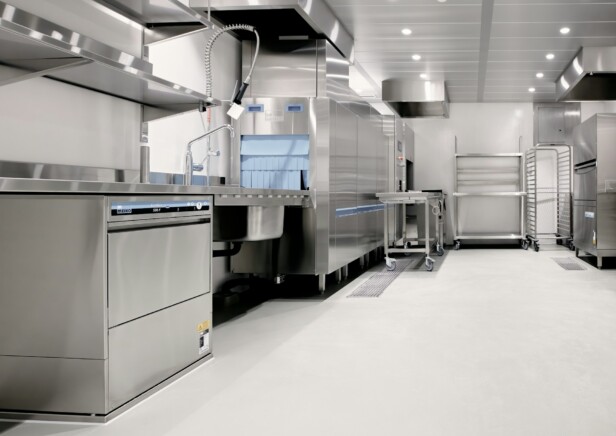
A commercial kitchen renovation touches every part of your operation; from permit timelines and equipment lead times to staff schedules and daily revenue. The difference between a renovation that stays on track and one that spirals into extended closures and budget overruns usually comes down to decisions made before construction begins.
Getting those decisions right starts with understanding what the process actually requires at each stage.
How to Plan a Commercial Kitchen Renovation Without Shutting Down Your Operation
Start With a Thorough Assessment
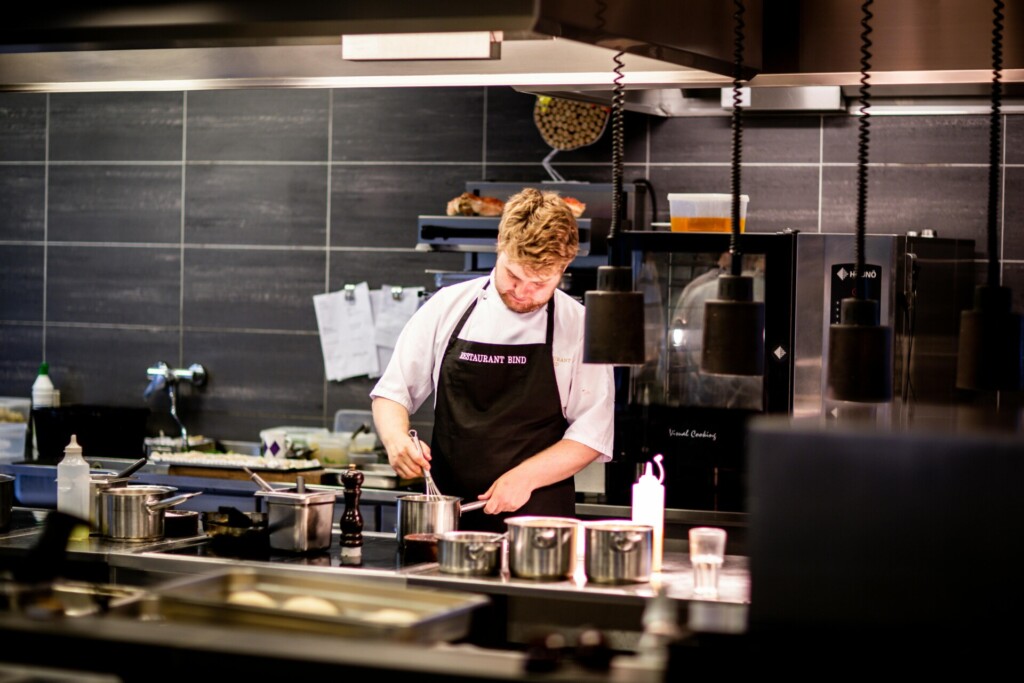
Before any construction drawings are finalized, we conduct a detailed condition assessment of the existing kitchen. This means documenting equipment age, utility capacity, workflow inefficiencies, and any gaps in safety or code compliance, including alignment with FDA Food Code requirements and NFPA 96 ventilation standards.
That assessment drives scope definition. Rather than defaulting to a full gut renovation, we align the project scope with actual menu and service flow requirements, equipment planning needs, and NSF certification standards for new kitchen equipment. Scope creep during construction adds cost and time, so the sharper the definition at this stage, the more predictable the project becomes.
Material selection also happens here—not during construction. Identifying long-lead items like custom-fabricated cook lines, walk-in cooler systems, or specialty exhaust hoods early keeps the schedule from stalling mid-build. Standard commercial cooking equipment typically ships within 6 to 10 weeks; custom configurations can stretch to 12 to 16 weeks.
Permit Acquisition and Approval Windows
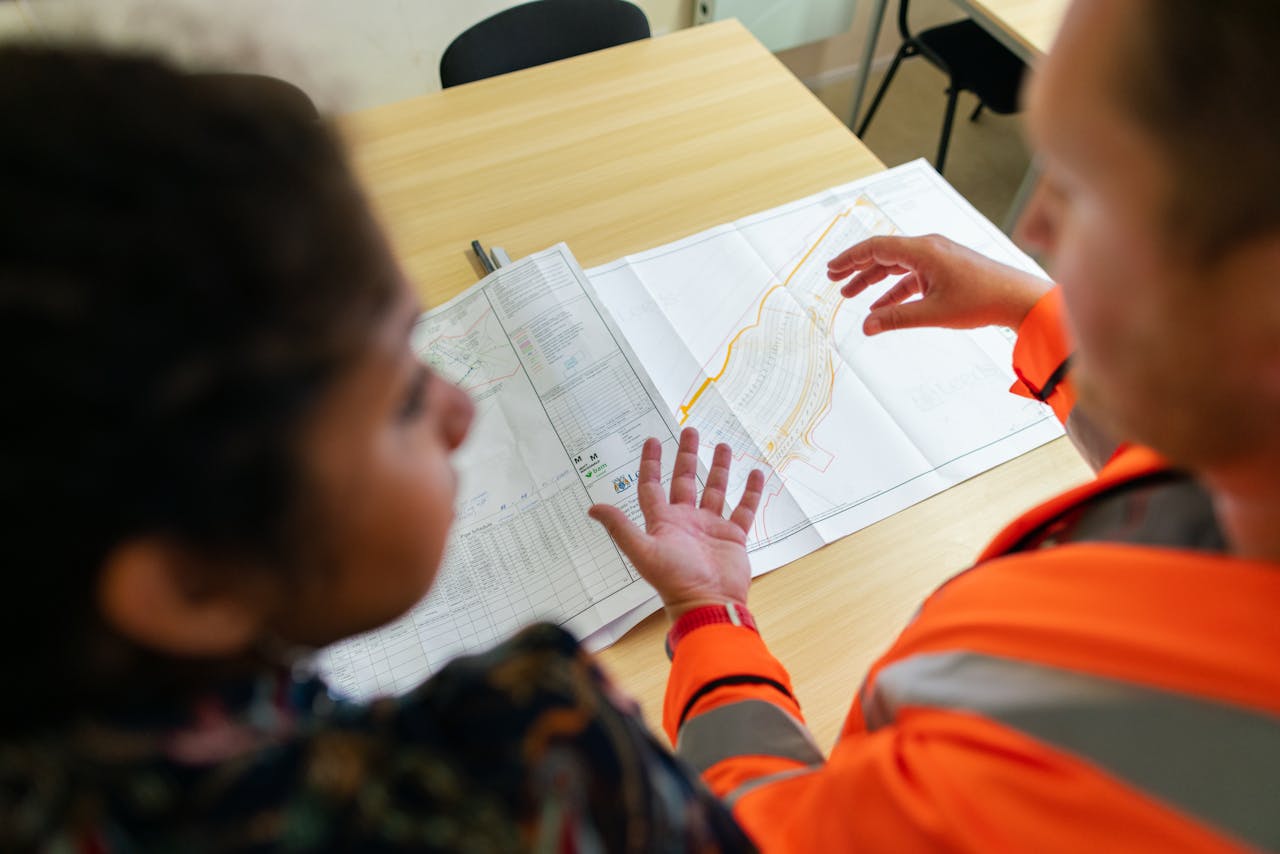
Permit timelines are often the most unpredictable element in commercial kitchen construction—and the most commonly underestimated. We submit applications for building, electrical, plumbing, mechanical, and health department permits 8 to 12 weeks before the planned start of construction to account for agency review queues and potential revision requests.
Each permit type involves a separate review process. Building departments evaluate structural modifications and egress compliance. Fire marshals scrutinize hood systems and suppression equipment under NFPA 96. Health departments assess layout configurations, equipment specifications, and sanitation systems against local standards that often exceed the FDA Food Code baseline. In complex jurisdictions, each required permit can take 8 to 12 weeks to approve.
Incomplete permit packages are one of the most avoidable sources of delay. We coordinate architectural and MEP (mechanical, electrical, and plumbing) engineering documentation ahead of submission to ensure all technical specifications meet local code interpretations from the start. According to the Foodservice Consultants Society International (FCSI), detailed pre-construction planning of this kind can reduce overall project duration by 15 to 20 percent.
Build a Realistic Construction Timeline
Most commercial kitchen renovations run 8 to 20 weeks depending on scope complexity and regulatory approvals. Minor equipment upgrades and cosmetic refreshes typically complete in 6 to 8 weeks. Mid-scale renovations involving layout changes and new equipment installations require 12 to 16 weeks. Full gut renovations with structural modifications, utility relocations, and MEP coordination routinely extend to 18 weeks or beyond.
The National Restaurant Association reports that 73 percent of foodservice operators underestimate their renovation duration by at least three weeks. This gap stems from underestimating permit processing, equipment procurement cycles, and inspection scheduling—factors that sit largely outside the contractor’s control once construction begins.
We build schedule float directly into the project plan. A realistic contingency buffer of 2 to 3 weeks accounts for failed inspections, structural discoveries during demolition, or utility conditions that differ from design assumptions. Each of these scenarios can add 1 to 3 weeks, and they arise on a significant share of commercial kitchen projects.
Financial Contingencies and Hidden Shutdown Costs
Budget development for commercial kitchen renovation accounts for construction costs, equipment procurement, permit fees, inspection expenses, and temporary service solutions. According to National Restaurant Association research, average renovation costs range from $175 to $350 per square foot for commercial kitchen facilities.
We establish financial contingencies of 15 to 25 percent above the base construction estimate. This range covers unforeseen code compliance modifications, material price fluctuations, and hidden conditions discovered during demolition, such as hazardous materials in buildings constructed before 1980, which require licensed abatement and can add $15,000 to $75,000 to the project cost.
Shutdown costs deserve their own line item. Lost revenue, staff retention expenses, and customer reacquisition can exceed the renovation budget itself when service disruptions run longer than planned. Quantifying these costs upfront informs the decision between partial operations and full shutdown—a decision addressed in the next section of this guide.
Pre-Construction Steps to Keep Operations Stable
Pre-construction preparation directly shapes whether a restaurant can maintain partial service during the build. We finalize material staging plans, establish temporary utilities to keep active prep stations running, and isolate work areas from dining and service zones before demolition begins.
Daily work schedules are set before the first crew arrives on-site. This means coordinating delivery windows, sequencing subcontractor access, and confirming that disruptive tasks align with off-hours or reduced-service periods. Disorganized staging and uncoordinated deliveries are common contributors to schedule slippage—and both are preventable with structured pre-construction planning.
Containment between construction and active service areas requires physical barriers, dust control systems, and clearly defined circulation paths for both construction crews and kitchen staff. These measures protect food safety compliance and the guest experience simultaneously—two priorities that do not waver during an active renovation.
Phased Renovation Vs. Temporary Kitchen: Which Keeps You Open?
Once the scope and budget are set, the next decision shapes everything else on the schedule: how will you keep food service running while construction proceeds? There are three paths, each with trade-offs for cost, timeline, and service continuity. Understanding those trade-offs before work begins often separates a controlled renovation from a costly scramble.
Phased Construction: Stay Operational in Sections
Phased construction divides the kitchen into work zones so active prep and cooking can continue in unaffected areas while we renovate others. Revenue keeps flowing, and a partial menu stays available throughout. For restaurants that cannot absorb a full service gap, this approach holds obvious appeal.
The trade-off is a longer schedule. According to commercial kitchen renovation data, phased work typically extends the overall project timeline by 20 to 30 percent compared with a complete shutdown. Coordinating active kitchen operations around construction zones adds planning complexity, increases labor coordination, and elevates the risk of inspection delays when work areas overlap with food-prep spaces.
Slow-season scheduling and night and weekend work are the primary tools we use to compress that added time. Shifting noisy demolition and rough-in tasks to off-hours limits the impact on dining room guests and keeps daytime service running with fewer interruptions. This scheduling discipline is essential; without it, phased projects routinely drift past their original completion dates.
Temporary Kitchen Deployment: Full Service from a Separate Facility
A temporary or mobile kitchen maintains complete food service while the permanent kitchen goes fully offline. The deployment timeline typically runs two to four weeks, from initial needs assessment through delivery, utility connection, and commissioning. Once on-site, health department approval and operational status can often be achieved within 24 to 48 hours of arrival.
The practical advantage is clear: contractors have unobstructed access to the entire kitchen, which improves construction quality and schedule predictability. There are no active prep zones to work around, no phasing choreography, and no partial-menu compromises. Rental costs generally range from $5,000 to $50,000 per month depending on unit size and equipment specifications, but operators frequently find this investment compares favorably to the revenue risk of extended service gaps or phased schedule overruns.
Timing the deployment correctly matters. We recommend having the temporary kitchen fully operational one to two weeks before any permanent kitchen area closes. That lead time gives staff an opportunity to train on the temporary setup, test workflows, and identify any equipment gaps before the primary facility goes dark. Skipping this step often creates service disruptions in the first days of construction that are hard to recover from.
Complete Shutdown: Fastest Build, Highest Revenue Risk
A complete kitchen shutdown gives the construction team maximum access and typically produces the cleanest, fastest build sequence. Multi-trade coordination is simpler without an active kitchen operating alongside the work, and inspection sequencing tends to be more straightforward.
The obvious cost is that food service stops entirely for the duration. For full-service restaurant operators, a shutdown lasting weeks can produce significant revenue loss and staff disruption. If a complete shutdown is the right call for a given project, pairing it with a temporary kitchen elsewhere on the property or at a nearby facility preserves some level of service continuity and keeps kitchen staff engaged through the construction period.
How Do You Phase Work On Site To Protect Guests And Maintain Service?
Containing the Construction Zone
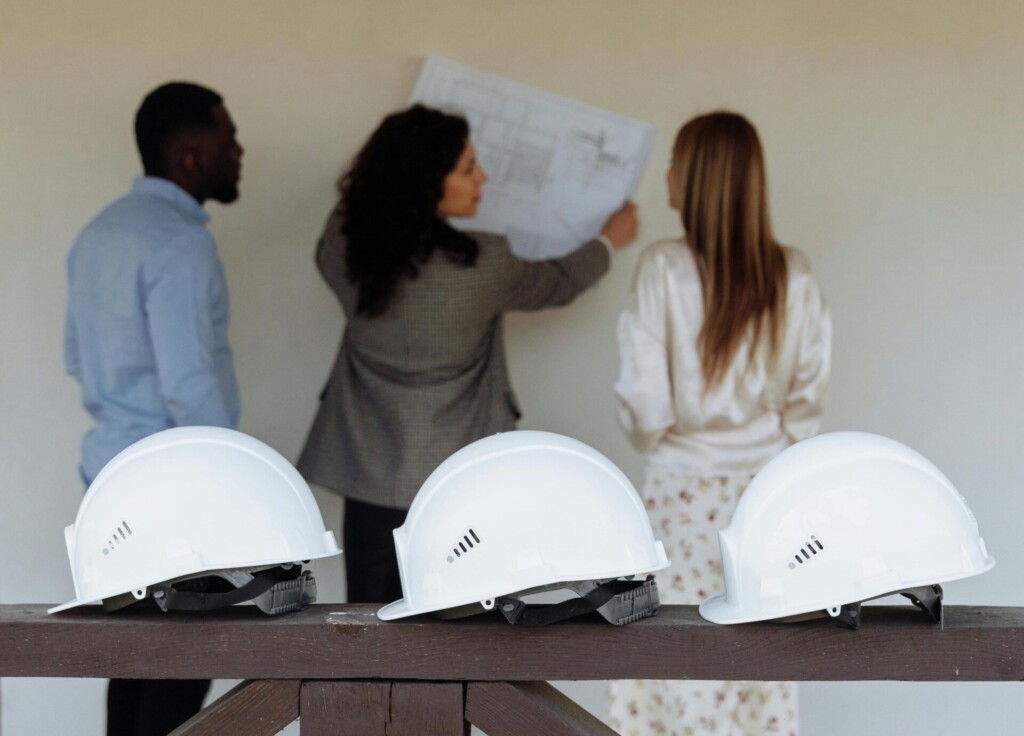
Physical separation between active construction and dining or prep areas is the first line of defense. We install rigid containment barriers and sealed dust partitions at every zone boundary, preventing construction debris, airborne particles, and noise from reaching guest-facing spaces. These barriers are not temporary gestures—they are engineered containment systems with pressure differentials that pull contaminated air away from occupied areas.
Dust control works on multiple layers. Water suppression reduces particulates during demolition or concrete cutting, while HEPA air filtration units run continuously inside the construction zone. We position each unit to direct airflow away from food prep stations and dining areas, keeping the guest experience clean and uninterrupted throughout active work.
Staging, Deliveries, and Temporary Utilities
Material staging locations directly affect how smoothly a kitchen renovation runs alongside live service. We position equipment and material storage away from guest entrances, service corridors, and high-traffic prep zones. Deliveries are scheduled to avoid peak service windows—coordinating with vendors so that heavy loads arrive during off-hours rather than mid-service rushes.
Temporary utilities keep active kitchen stations functional while adjacent zones undergo construction. We establish dedicated electrical feeds, water connections, and ventilation tie-ins before any existing utility is taken offline. This sequencing ensures a working prep line stays operational while rough-in work proceeds on the other side of a containment barrier, with no unexpected service interruptions.
Scheduling Disruptive Work for Off-Hours
Demolition, heavy drilling, and any task that generates significant noise or vibration are moved to evenings, nights, or weekends. Aligning the loudest construction activities with closed or low-occupancy periods protects the dining experience and reduces staff stress during active service. Research into occupied commercial renovations consistently shows that structured off-hours scheduling reduces operational complaints compared to unmanaged construction during business hours.
Extended-hours work does carry a labor cost premium, typically in the range of 15–20 percent above standard rates. We factor that into the overall project budget during pre-construction planning so it does not become a surprise mid-project. The trade-off is straightforward: the cost of overnight work is almost always lower than the revenue lost from disrupting a full dinner service.
Daily Communication and Guest Experience Protection
Site logistics only hold together when communication keeps pace with construction. We coordinate daily with our field team, kitchen staff, and property stakeholders to flag upcoming work, confirm zone boundaries, and address any issues before they affect service. A designated point of contact on our side handles real-time concerns so nothing sits unresolved overnight.
Guest-facing communication is equally deliberate. Adjusted operating hours, modified menu offerings, or any change to service flow are communicated publicly and in advance through posted signage and staff briefings. Diners who arrive knowing what to expect are far less likely to have a disrupted experience than those caught off guard by noise, a closed section, or a limited menu. Transparency at the front-of-house is a direct extension of how we manage the construction zone behind it.
What Inspections, Training, And Reopening Steps Reduce Downtime?
Sequencing Construction for Final Inspections
The order of construction directly determines how smoothly final inspections go. We prioritize utility rough-ins—electrical, plumbing, mechanical, and gas—because downstream trades depend on these systems being in place and approved before equipment is permanently installed.
Once rough-in approvals are confirmed, we proceed to equipment installation aligned with those approvals. This sequencing prevents installing equipment before inspectors sign off on the infrastructure, a common mistake that triggers costly rework and re-inspection delays.
Commercial kitchens involve multiple agencies at the finish line. We coordinate fire, building, and health department final inspections as a group rather than treating them as separate events. Staggered final inspections stretch the closeout phase unnecessarily. Pulling all agencies in during the same window compresses that timeline and keeps the Certificate of Occupancy on track.
The Buffer Week: System Testing and Punch List Completion
Before any final inspection is scheduled, we build in a dedicated buffer week for system testing and punch-list work. This is not padding on the schedule; it is a structured period to run mechanical systems under load, test fire suppression activation, verify exhaust hood performance, and confirm that all equipment operates within manufacturer specifications.
Starting building systems at least a week before occupancy allows problems to surface in a controlled environment rather than during a live inspection or—worse—on opening day. Temperature and humidity controls, ventilation dampers, and cooking equipment all behave differently once the space is under full operational conditions. The buffer week is when we identify and correct those gaps.
Punch list items identified during this period are resolved before inspectors arrive. A clean punch list signals to health and building officials that the project is genuinely complete, which reduces back-and-forth and keeps the inspection moving forward without callbacks.
Equipment Commissioning and Staff Training After Approvals
Once the Certificate of Occupancy is issued and health department approval is in hand, we shift focus to equipment commissioning. This means calibrating cooking temperatures, verifying ventilation rates, testing refrigeration cycles, and confirming that all NSF-certified equipment performs to specification under real operating conditions.
Staff training follows commissioning, not the other way around. Training staff on equipment that has not yet been calibrated or verified creates confusion and builds habits around a system that may still need adjustment. We update operations manuals, maintenance schedules, and safety procedures before training begins so staff learn from accurate, final documentation.
Inventory restocking happens in this same window, timed so that food products arrive after refrigeration systems have been confirmed stable. Bringing in inventory before cold storage is verified risks disrupting the reopening checklist and creating waste.
Soft Opening as a Controlled Reentry to Full Service
A soft opening with a limited menu or reduced seating capacity serves a specific construction purpose: it stress-tests the newly renovated kitchen under real service conditions before full volume returns. We recommend this approach because it surfaces workflow gaps, equipment adjustments, and staff confidence issues in a lower-stakes environment.
Running a reduced service for several days gives the kitchen team time to build rhythm with new equipment layouts and updated procedures. Any final adjustments to equipment calibration or workflow sequencing are handled during this window rather than under full-capacity pressure.
A controlled soft opening also protects the renovation investment. A hard launch at full capacity before the team is confident in the new space risks service failures that affect guest experience and brand reputation. The soft opening period is when the construction handoff converts into a fully operational kitchen.
Conclusion And Next Steps

A commercial kitchen renovation does not have to mean weeks of lost revenue and idle staff. With the right preparation—handling permit scheduling early, selecting a clear continuity path before groundbreaking, and locking in site logistics from day one—you can maintain partial operations throughout construction.
The work that happens after the last inspection matters just as much as the build itself. Confirming post-opening support, closing out warranty items, and documenting lessons from workflow optimization protect the schedule and budget for future projects. Inspection readiness does not end at the Certificate of Occupancy; it carries forward into how the team operates the new kitchen over the long term.
At EB3 Construction, we coordinate every phase of your commercial kitchen renovation, from pre-construction planning through final inspections, so your operation keeps moving while we build. Reach out to our team to discuss your project scope and timeline.