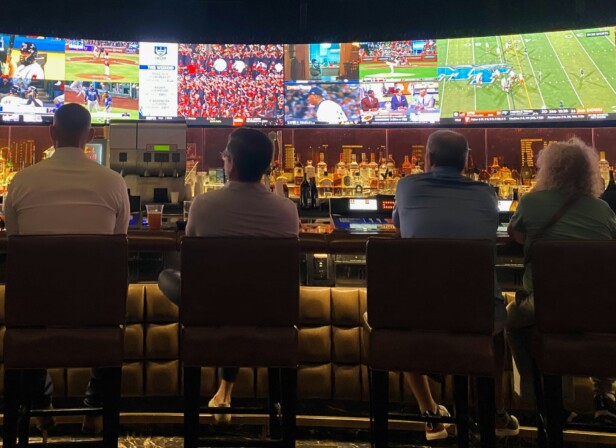
Commercial bar construction requires specialized expertise in creating venues that handle high-volume service while delivering an immersive sports viewing experience. A sports bar construction contractor manages the entire process from initial planning through final permits, focusing on the unique demands of hospitality spaces designed around live sports and bar operations.
These contractors coordinate design-build services, construction management, and complete bar fit-out to create functional venues that support both efficient operations and customer comfort during peak game-day traffic. The scope includes everything from plumbing and electrical systems to AV integration and acoustic planning.
How Should Layout, AV, And Bar Systems Be Planned For A Sports Bar?
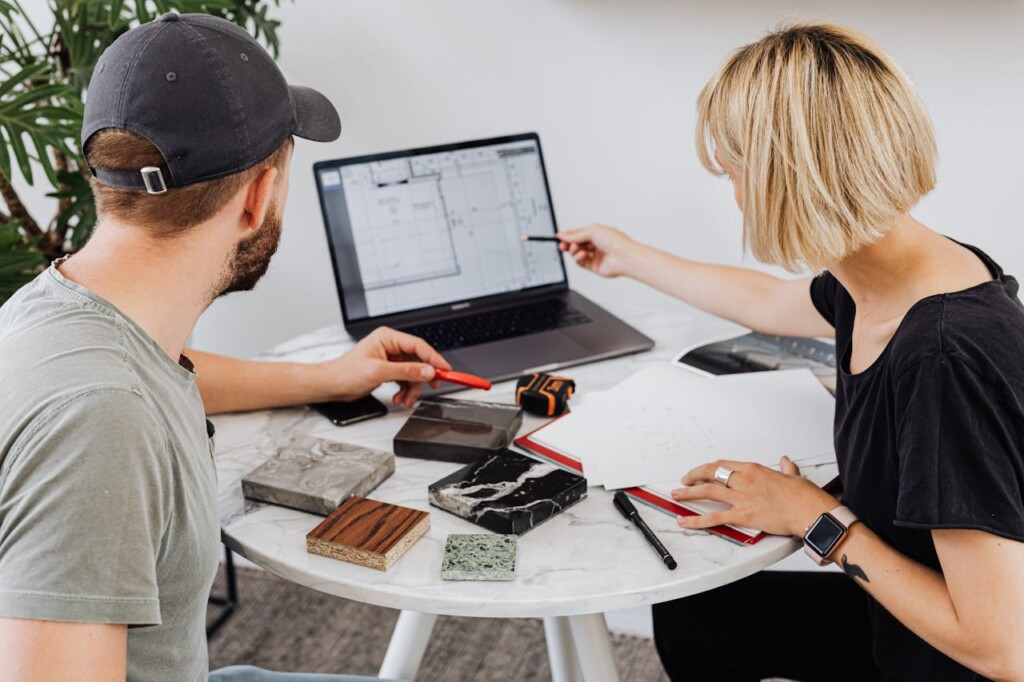
Sports bar layout success starts with mapping guest flow patterns and bartender work zones. We analyze how crowds move through the space during peak events, where bottlenecks form, and how staff navigate between service points. This foundation determines where every screen, seat, and service station belongs.
Central Bar Positioning For Maximum Impact
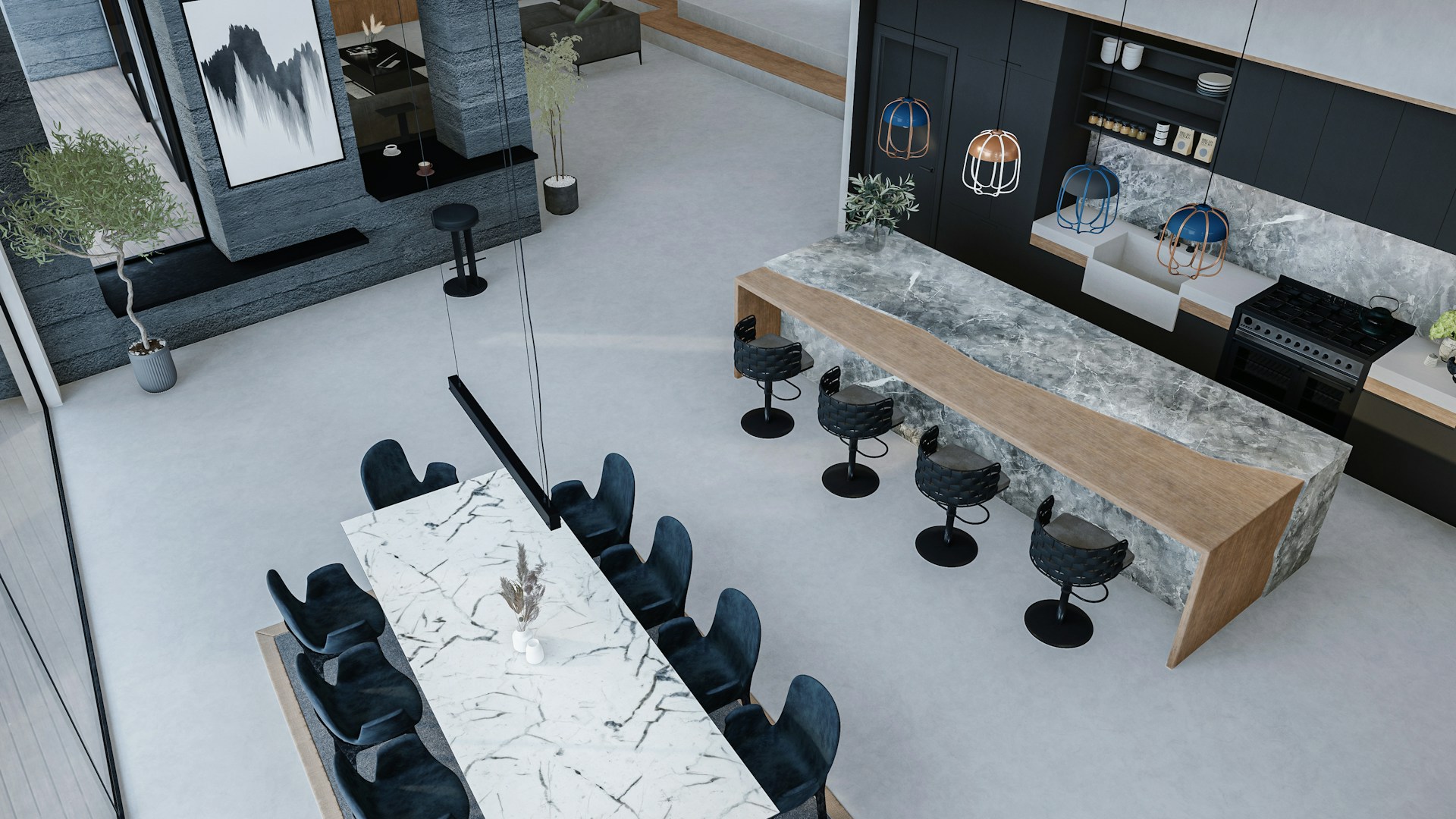
The central bar serves as both operational hub and viewing focal point. Position it to provide clear sightlines across the entire venue while keeping bartenders within easy reach of all service areas. We design the bar die to support both drink production and guest interaction, creating natural gathering spaces that enhance the sports viewing experience.
Central positioning allows us to distribute AV screens effectively around the bar perimeter. Multiple flat-screen TVs mounted at varying heights ensure coverage from every angle. Wall-mounted arrays complement screens positioned around the central bar, eliminating dead zones where guests struggle to see game action.
Production Zone Separation For Workflow Efficiency
We separate alcohol preparation and beer service to prevent workflow interruptions during busy periods. The front bar handles cocktail mixing, wine service, and immediate customer interaction. Beer bottle coolers belong on the back bar where they support visual merchandising while keeping cold inventory accessible without disrupting drink production.
This separation becomes critical during peak traffic when bartenders need quick access to different products without crossing paths. We position draft beer systems for shared access between stations while maintaining dedicated prep zones for each bartender. Ice machines and glass washers occupy strategic locations that serve multiple workstations efficiently.
Lighting And Acoustics For Comfort
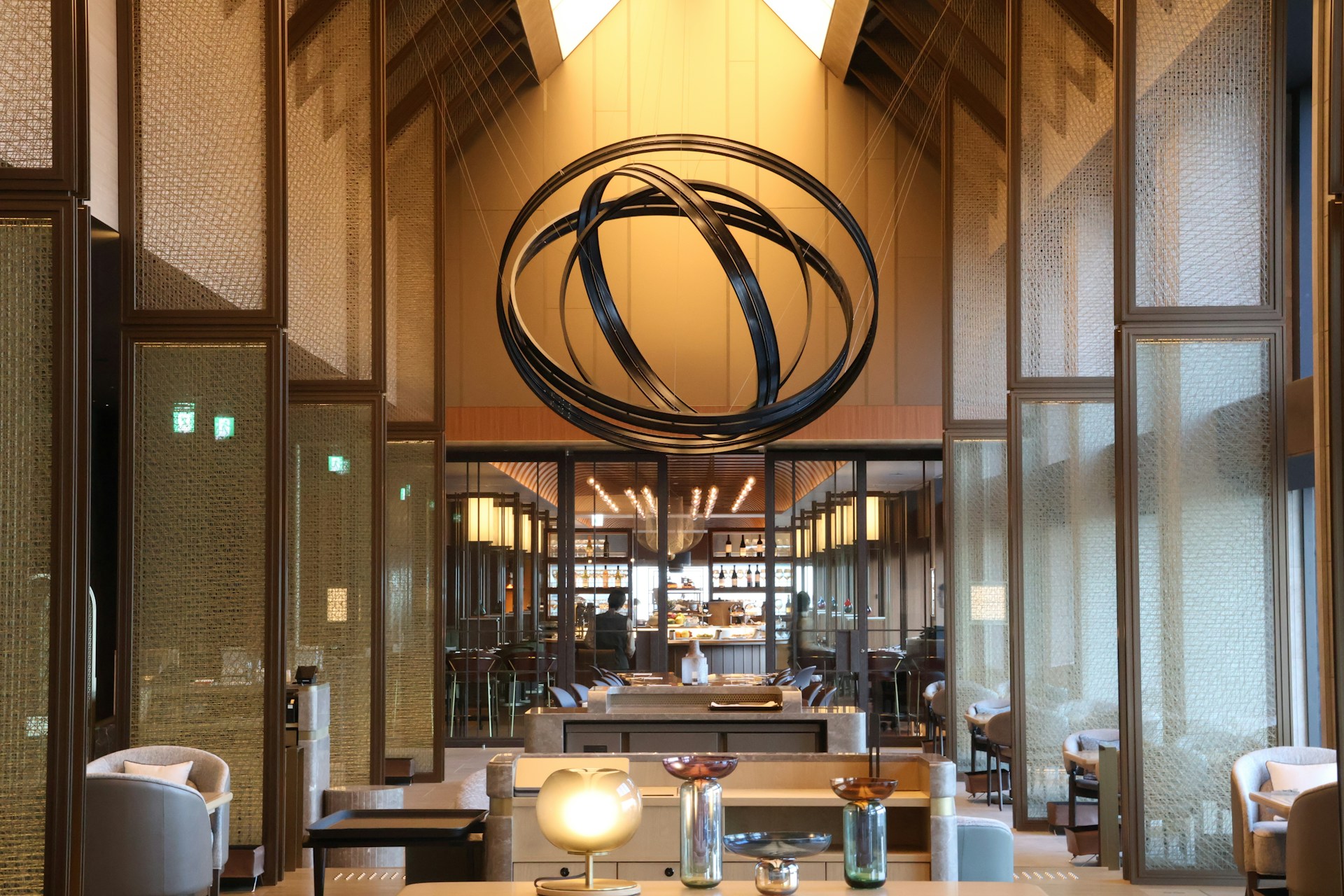
Pendant lighting creates warm, controlled ambiance while reducing screen glare that can diminish viewing quality. We select fixtures that complement exposed ducts and other industrial elements common in sports bar design. The lighting system needs dimming capabilities to adjust for different events and times of day.
Wood finishes help control echo and harsh sound reflection. We incorporate acoustic panels disguised as decorative elements to manage noise levels in dining areas while preserving energy in bar zones. Sound zoning allows different audio feeds for multiple games without creating cacophony.
Flexible Seating Solutions
Mixed seating accommodates different group sizes and viewing preferences. Bar stools provide front-row access to screens and quick service. High-top tables work for small groups wanting dedicated space. Booths offer comfortable seating for families and longer visits during extended games.
We design seating arrangements that can adapt to crowd flow and event requirements. Some pieces should be mobile enough to create standing room during championships or reconfigure for private parties. The key is maintaining clear sight lines from every position while preserving traffic flow to restrooms and exits.
Indoor-Outdoor Integration
Outdoor decks expand capacity and create unique viewing experiences when weather permits. We integrate these spaces with interior AV systems and service areas. High tables and stools work well for outdoor viewing, creating a tailgate atmosphere that appeals to many sports fans.
The outdoor space requires weatherproof screens, sound systems, and service infrastructure. We plan electrical and plumbing rough-ins during initial construction to support future outdoor expansion even if the deck isn’t built initially.
What Budget Ranges And Cost Drivers Should You Expect?
In 2022, a basic commercial bar budget of about $3,000 per lineal foot serves as a useful planning figure for sports bar projects. We recommend adding at least 10% contingency to this baseline to handle unexpected conditions or material cost fluctuations. This per-lineal-foot approach helps property owners and developers understand the scope of investment before detailed design begins.
A single bartender station of underbar equipment rose to approximately $900 per lineal foot by late 2021. This figure reflects the cost of essential refrigeration, glass storage, and prep areas needed for efficient service. Adding four back bar beer coolers significantly increases costs compared to 2014 pricing, as commercial refrigeration equipment has seen substantial price increases over recent years.
Core Cost Components
Draft beer systems typically add $5,000 to $15,000 to the overall project budget. The variation depends on the number of taps, line length, and cooling requirements. We coordinate these systems early in the design phase to integrate plumbing and electrical requirements efficiently.
Primary budget items include plumbing work covering drains, vents, water lines, and equipment hookups. Electrical systems encompass wiring, outlets, and specialized lighting for both service areas and ambiance. Equipment installation costs vary based on complexity and timing within the overall construction sequence.
Bar die construction forms the structural foundation of the service area. This component requires coordination between framing, plumbing rough-in, and electrical placement. Finish bar design adds the visible elements that define the guest experience, from countertop materials to decorative elements.
Essential Equipment Planning
Ice machines are essential for any sports bar operation and require dedicated electrical and water connections. We size these units based on projected peak capacity rather than average use to avoid service disruptions during busy game periods.
Glass washers become necessary when multiple bartender stations operate simultaneously. These units reduce service delays and maintain sanitation standards during high-volume periods. The investment typically pays for itself through improved service efficiency and reduced breakage.
Consider whether frozen glassware aligns with your craft beer service and sanitation workloads before adding mug-frosting equipment. While these units create a premium experience, they require additional electrical capacity and regular maintenance that may not justify the cost for every operation.
What Does Permitting And Delivery Look Like On A Sports Bar Build?
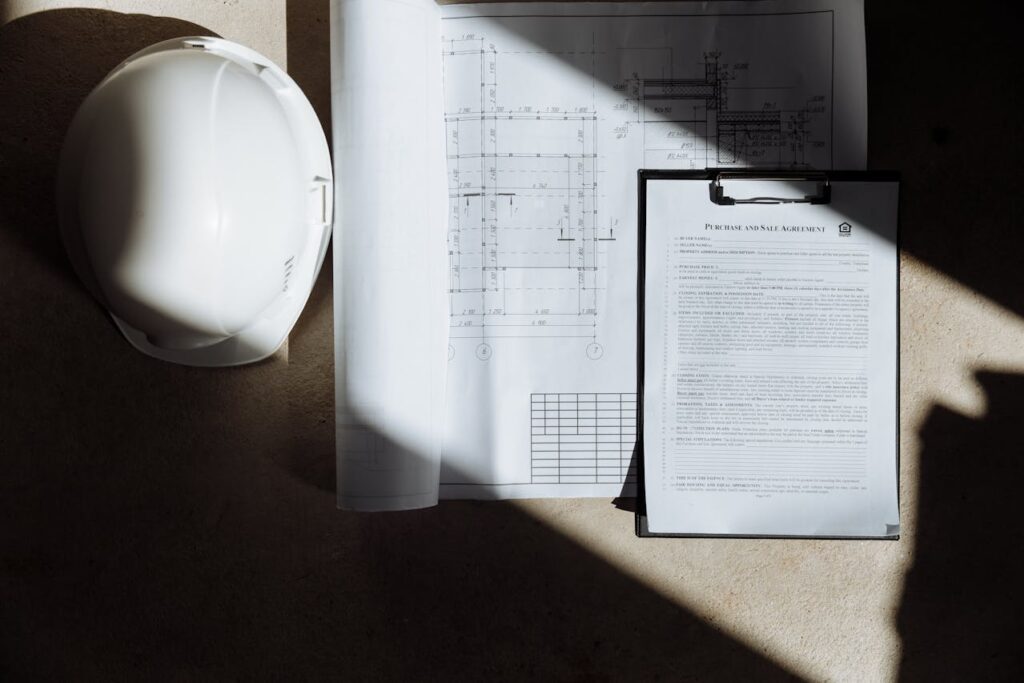
Sports bar permitting requires coordination across multiple jurisdictions and agencies. We handle health department requirements for commercial kitchens, building department reviews for structural and mechanical systems, and fire marshal inspections for safety equipment and egress paths.
The permit process follows established phases. Initial submission includes architectural drawings, mechanical plans, and equipment specifications. Review cycles typically take two to four weeks, depending on local workloads and project complexity.
Authority Having Jurisdiction Coordination
Each authority focuses on specific systems and code compliance requirements. Health departments review kitchen layouts, ventilation systems, and grease management infrastructure. Building departments examine structural loads, electrical capacity, and plumbing rough-ins.
Fire marshals inspect suppression systems, emergency exits, and equipment clearances around cooking areas. We coordinate these reviews simultaneously rather than sequentially to compress approval timelines and identify conflicts early.
Project Sequencing And Workflow Management
Construction scheduling aligns permit approvals with material deliveries and labor availability. We sequence work to maintain progress even when specific permits face delays. Sitework and utility connections often proceed while interior permits complete review cycles.
Critical path management keeps projects moving forward. Equipment with long lead times gets ordered early in the permit process. We coordinate inspections to match construction phases and avoid delays that impact opening schedules.
Design-build delivery methods streamline decision-making throughout the permit and construction process. We handle both design coordination and field execution, reducing communication gaps between architects and trade contractors. This approach supports faster problem-solving when permit comments require design adjustments.
Cost Control And Schedule Transparency
Transparent cost tracking prevents budget surprises during construction. We provide regular updates on material costs, labor expenses, and permit fees. Change order procedures maintain cost visibility when field conditions or permit requirements drive modifications.
Construction management approaches maintain workflow efficiency by coordinating trades and deliveries around inspection schedules. Real-time communication with project teams ensures on-time decision making when permits require immediate responses or field adjustments.
We establish clear milestone schedules that align construction phases with lease obligations and opening targets. Proactive problem-solving addresses permit delays, material shortages, or weather impacts before they cascade into larger schedule disruptions.
Should You Renovate An Existing Space Or Build New?
The choice between sports bar renovation and new construction depends on your existing space conditions and project timeline. We evaluate each property individually to determine which approach delivers the best value for your investment.
Renovations can reallocate existing square footage in creative ways. One hospitality project we reviewed converted an existing dining area to approximately 1,400 square feet while freeing up the remaining space for a high-end bar and modern conference room addition. This type of dining area conversion maximizes existing assets while creating distinct zones for different activities.
When Renovations Work Best
Sports bar renovation makes sense when the existing building structure supports your program requirements. We assess utilities capacity, structural integrity, and egress paths to determine feasibility. If the electrical service can handle multiple screens and kitchen equipment, plumbing supports bar operations, and HVAC systems can manage increased occupancy, renovation becomes an attractive option.
The timeline advantage often favors renovations. Building permits typically process faster for interior modifications compared to new construction. We can often complete renovations in months rather than the year-plus timeline common with ground-up builds.
Indoor-Outdoor Strategies
Renovations also allow for indoor-outdoor bar concepts. Adding an outdoor seating deck with high tables and stools extends capacity while creating distinct atmospheres. These outdoor additions often require less complex permitting than full new builds while significantly expanding revenue potential.
We coordinate deck construction to integrate with existing HVAC, electrical, and AV systems. The key is ensuring proper weatherproofing and code compliance for mixed indoor-outdoor operations.
New Build Advantages
New construction offers complete design control and optimal equipment placement. We can position bar zones for maximum efficiency, create ideal sightlines to screens, and design kitchen layouts that support high-volume operations. New builds also incorporate current building codes from the start, avoiding costly retrofits.
However, new builds require longer timelines and higher upfront costs. Site preparation, utility connections, and full permitting processes extend project duration significantly.
Making The Decision
We assess existing conditions through detailed site evaluations. This includes reviewing structural capacity for equipment loads, utility adequacy for increased demand, and egress compliance for higher occupancy levels. AV placement options and acoustic considerations also factor into our recommendations.
The path with the fewest trade-offs usually becomes clear once we map your program requirements against existing conditions. Some spaces adapt well to bar conversion while others fight the concept at every turn.
Conclusion And Next Steps
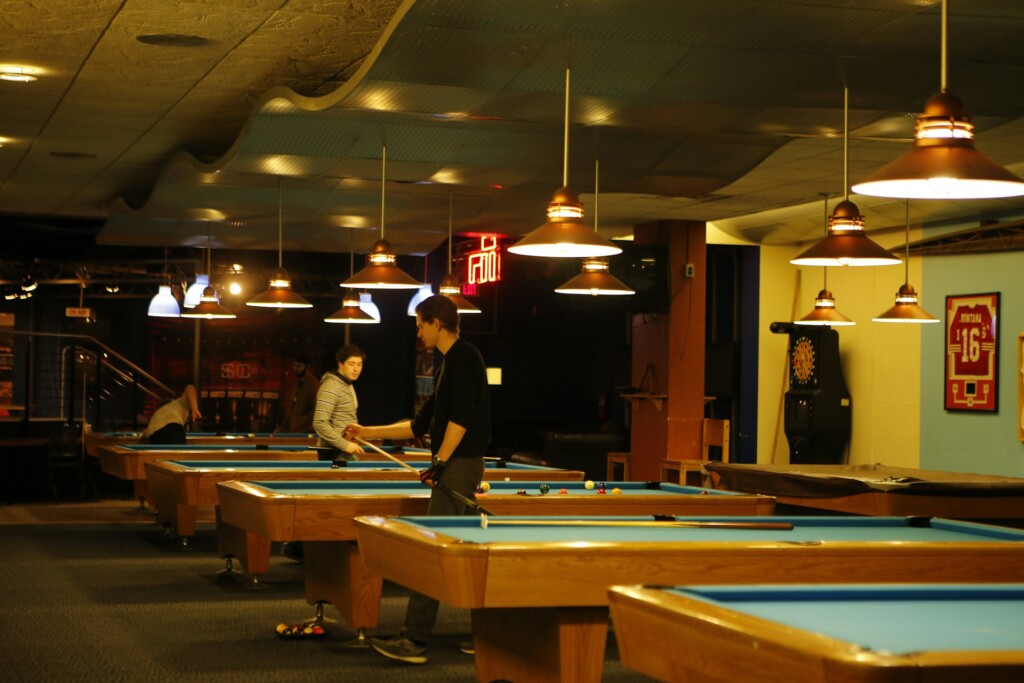
Building a successful sports bar requires careful coordination of multiple elements working together. We align layout optimization, AV planning, bar equipment specifications, and finish selections with code requirements, budget planning, and construction schedules. The process demands attention to both guest experience and operational efficiency from the start.
Clear cost benchmarks guide smart decision-making throughout the project. Plan service zones with staff workflow in mind, ensuring bartenders can move efficiently between front bar operations and back bar storage. Size your AV screens and seating arrangements to maximize sightlines while maintaining comfortable spacing. Whether you choose renovation or new construction depends on how well existing conditions match your program needs and timeline constraints.
Ready to move forward with your sports bar project? Contact EB3 Construction to coordinate permits, design integration, and phased delivery for your venue.