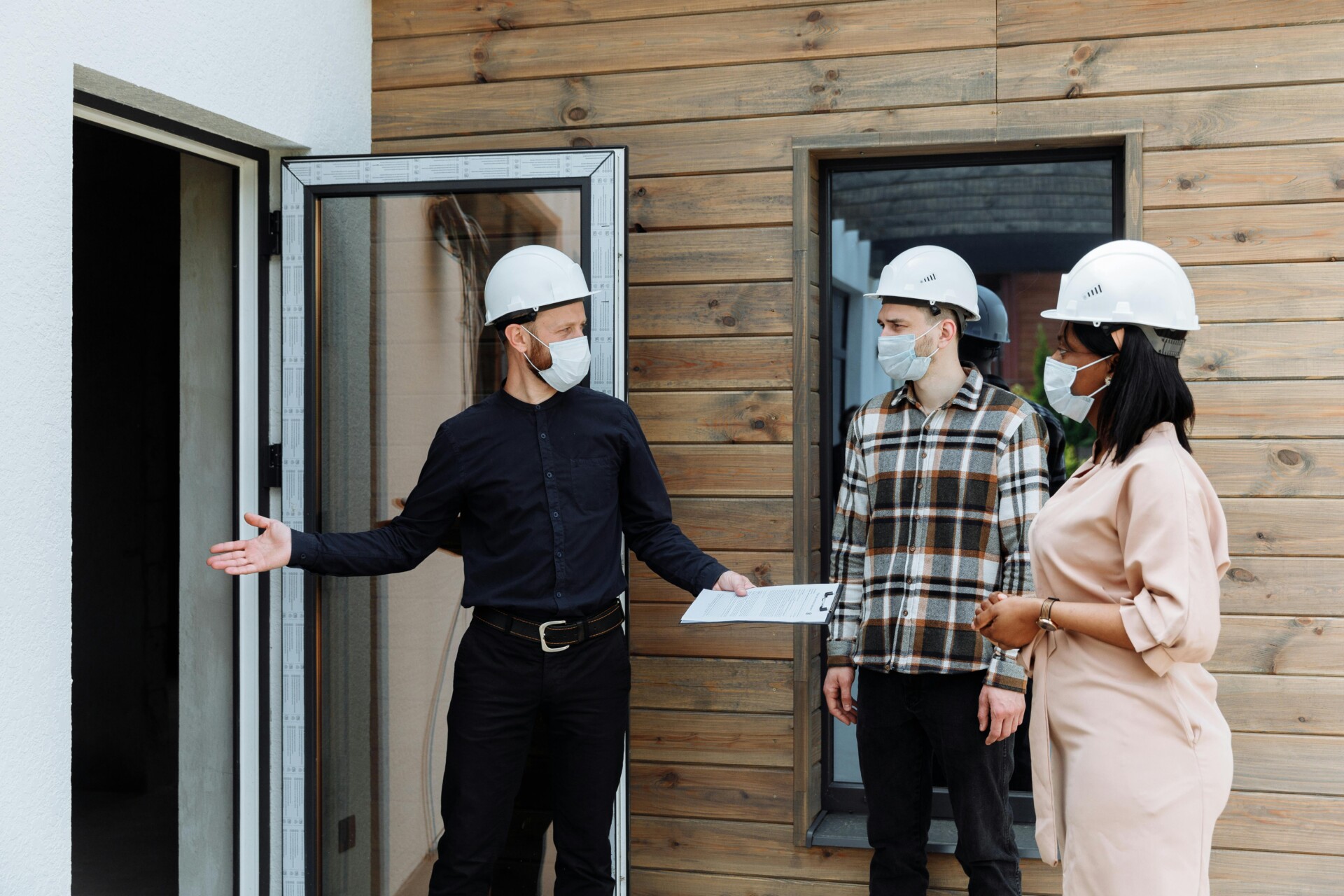
Building refresh in Dallas has taken on new urgency as commercial properties across the Metroplex compete for tenants who expect modern, functional spaces. Dallas commercial property owners are finding that today’s office workers, retail customers, and restaurant diners judge businesses within seconds of walking through the door. A building refresh responds to these expectations by revitalizing existing commercial spaces with targeted updates that improve form and function.
We approach building refresh projects as comprehensive programs that can transform retail stores, offices, restaurants, hotels, and multifamily common areas. The scope includes interior and exterior updates designed to enhance brand image, improve the customer experience, boost efficiency, and strengthen employee morale, all while maintaining operational continuity throughout the construction process.
Which Spaces And Scopes Are Typically Included In A Dallas Building Refresh?

Interior Spaces Transform Operations and Experience
Interior upgrades address core business functions and the visitor experience. Lobby and leasing office transformations create professional first impressions for property owners managing multifamily communities or commercial spaces. We coordinate these visible improvements with office space revamps that accommodate hybrid work models and technology needs.
Restaurant dining updates focus on customer flow and brand alignment. QSR dining areas require specialized attention to corporate standards (quick-service standards), equipment placement, and health code compliance. Full unit upgrades in multifamily properties include kitchen and bathroom modernization, flooring replacement, and fixture installation.
Custom millwork adds branded elements that distinguish commercial spaces from competitors. Storage solutions improve operational efficiency while maintaining clean sight lines. New finishes and fixtures upgrade aging materials while supporting current design trends that appeal to tenants and customers.
Exterior Improvements Address Curb Appeal and Building Performance
Exterior upgrades protect the building structure while enhancing market position. Siding replacement or repair addresses weather damage common in the Dallas climate. Roofing improvements ensure water protection and energy efficiency while meeting current building performance standards.
Masonry work includes brick pointing, stone repair, and structural fixes that extend the building’s lifespan. Exterior painting and coatings refresh the appearance while providing protection against UV exposure and moisture infiltration. Driveway and sidewalk repair improves safety and accessibility for visitors and employees.
Landscaping upgrades support outdoor amenities that enhance property value. Storefront refresh projects update glass systems, entrance doors, and architectural details that directly impact customer perception. Decking improvements expand usable outdoor space for hospitality and multifamily properties.
Technology Integration Drives Modern Building Performance
Smart building technology is now standard in competitive markets. Security systems integrate access control, surveillance monitoring, and automated lighting to reduce operational costs while improving safety. We plan technology infrastructure during design phases to avoid costly retrofits.
Point-of-sale systems require robust networking infrastructure and power redundancy for retail and restaurant operations. Building automation systems optimize energy consumption through intelligent HVAC control and occupancy-based lighting. These installations improve operational efficiency while supporting tenant expectations for modern amenities.
Signage updates include wayfinding systems and branded elements that strengthen property identity. Modern signage integrates digital displays and programmable features that allow property managers to update information without physical replacements. We coordinate signage placement with energy efficiency standards and local code requirements throughout the installation process.
What Proven Process Keeps A Building Refresh On Schedule And On Budget?
We follow a structured sequence of steps that control costs and timelines throughout the project. Each phase builds on the previous one to prevent delays and budget overruns that can derail commercial refresh projects.
Initial Consultation and Goal Setting
We begin every building refresh with a detailed consultation to establish clear project parameters. Our team works with property owners to define specific goals, confirm the budget range, and set realistic timelines. This foundation prevents scope creep and ensures all stakeholders understand the project’s boundaries from day one.
During this phase, we also identify operational constraints that could impact scheduling. Retail locations may need to maintain customer access, while office buildings might require work during specified hours. Understanding these requirements early allows us to build appropriate scheduling strategies into the project plan.
Comprehensive Site Survey and Assessment
Our in-depth site survey documents existing conditions and identifies priorities for the refresh. We examine structural elements, mechanical systems, electrical infrastructure, and interior finishes to create a complete baseline assessment. This process reveals hidden issues that could impact the budget or schedule if discovered later.
The site survey also captures measurements for accurate floor plans and identifies traffic-flow patterns that influence design decisions. We document access points, loading areas, and utility locations that affect construction logistics. This thorough assessment provides accurate information needed for realistic cost estimates and scheduling.
Strategic Design and Planning
Design and planning activities translate the owner’s vision into actionable construction documents. We develop detailed floor plans that optimize space utilization while maintaining operational efficiency. Finish selections balance aesthetic goals with durability requirements and budget constraints.
Traffic-flow improvements receive particular attention during this phase. We analyze how customers, employees, and visitors move through the space to identify bottlenecks and opportunities for improvement. These insights shape layouts that enhance both functionality and user experience while supporting the owner’s operational needs.
Cost Estimating and Budget Management
Accurate cost estimating aligns project scope with available spending limits. We break down all work elements into detailed line items that account for materials, labor, equipment, and project management costs. This granular approach identifies potential budget pressure points before construction begins.
Our budget management process includes regular reviews and updates as the project progresses. We track actual costs against estimates and communicate any variances to the owner immediately. This transparency allows for quick decisions when changes or unforeseen conditions impact the original budget.
Project Scheduling and Phasing
Strategic scheduling minimizes disruption to ongoing business operations. We create phased work plans that allow portions of the facility to remain operational while others undergo renovation. Off-hours work reduces interference with normal business activities and maintains customer access.
Our phasing approach considers the logical sequence of construction activities and the owner’s operational priorities. Critical systems such as HVAC, electrical, and plumbing receive careful scheduling to prevent service interruptions. We also coordinate deliveries to avoid site congestion and material storage issues.
Coordinated Project Management and Trade Logistics
During execution, coordinated project management ensures all trades work efficiently together. We maintain daily communication with subcontractors, suppliers, and the owner’s team to address issues before they impact the schedule. Trade logistics coordination prevents conflicts between work crews sharing the same space.
Our project managers monitor progress against established milestones and adjust schedules as needed to accommodate changing conditions. Regular site meetings keep all parties informed of upcoming activities and potential challenges. This proactive approach maintains momentum and prevents costly delays.
Quality Control and Final Inspection
Quality control processes verify that all work meets specified standards before closeout. We conduct regular inspections throughout construction to catch and correct issues early. This approach prevents rework that could delay completion and increase costs.
Final inspection confirms that every aspect of the refresh meets the owner’s requirements and applicable building codes. We create detailed punch lists for any remaining items and coordinate their prompt completion. The closeout process includes delivery of all warranties, maintenance information, and as-built documentation to support the owner’s long-term facility management needs.
What Measurable Outcomes Should Owners Expect From A Building Refresh?
A successful building refresh delivers quantifiable improvements that justify the investment and enhance operational performance. These outcomes typically emerge within months of project completion and continue to provide value throughout the building’s lifecycle.
Enhanced Brand Image And Customer Experience
Modern, inviting spaces directly influence how customers perceive and interact with businesses. Updated interiors and exteriors create stronger first impressions that lead to improved brand recognition and loyalty. Fresh finishes, contemporary lighting, and better traffic flow help customers navigate more intuitively.
We measure these improvements through increased foot traffic, longer dwell times, and higher satisfaction scores in post-renovation surveys. Research shows that well-executed brand refreshes can improve customer perceptions and brand loyalty, while outdated environments often push customers toward more modern alternatives.
Increased Efficiency And Functionality
Better layouts and modern systems reduce operational friction and improve workflow efficiency. Strategic space planning optimizes use of square footage, while upgraded mechanical systems reduce energy consumption and maintenance needs. Integrating smart building technology automates routine functions and provides real-time operational data.
Property owners typically see 10-30% reductions in energy costs with efficient HVAC systems, LED lighting, and improved building envelope performance. Efficiency gains often show up as shorter staff travel distances, faster service times, and better inventory management in retail and restaurant environments.
Improved Employee Morale And Productivity
Updated work areas directly impact employee satisfaction and performance. Better lighting, improved air circulation, and modernized amenities create more comfortable working conditions that reduce turnover and increase productivity. Contemporary spaces also help attract and retain skilled talent in competitive labor markets.
We track these outcomes through employee satisfaction surveys, reduced absenteeism, and improved recruitment success. Studies consistently show that employees in modernized workspaces report higher job satisfaction and demonstrate measurably better performance compared to those in outdated environments.
Code Compliance And Safety Upgrades
Building refresh projects ensure compliance with current building codes and safety regulations while addressing previously identified deficiencies. Updated fire safety systems, accessibility improvements, and structural upgrades protect occupants and reduce liability exposure for property owners.
Modern building codes incorporate lessons learned from recent events and technological advances. Properties built to current standards perform better during extreme weather and emergencies. Compliance also prevents costly penalties from citations and helps maintain insurance coverage at competitive rates.
Increased Property Value
Well-executed interior and exterior improvements generate measurable increases in property value and rental rates. Modern finishes, updated mechanical systems, and contemporary design elements make properties more competitive in the marketplace and attractive to high-quality tenants.
Commercial properties typically see 5-15% increases in appraised value following comprehensive refresh projects. Enhanced curb appeal, improved functionality, and reduced deferred maintenance combine to create stronger returns on investment. These improvements also position properties for higher lease rates and better tenant retention over time.
What Dallas-Specific Considerations Can Impact A Refresh Plan?
Dallas building codes establish stringent requirements that affect every refresh project. We coordinate with the Sustainable Development & Construction office throughout design development to ensure compliance before construction begins. Restaurant refresh projects require adherence to the Chapter 17 Food Establishment Code standards, including specific flooring materials, drainage requirements, and ventilation specifications. Commercial properties must meet strict pest control measures, with all exterior doors requiring self-closing mechanisms and proper sealing. The code also sets lighting levels of 50 foot-candles at food preparation surfaces and requires protective shields on all fixtures in food-handling areas.
Industry Standards Drive Design Decisions
Quick-service restaurant (QSR) corporate standards significantly influence material selections and layout configurations. Major chains require specific flooring types, wall finishes, and equipment installations that align with brand guidelines. These requirements often exceed local code minimums, creating additional coordination needs during the design phase. We work closely with corporate facility teams to ensure refresh projects maintain brand consistency while meeting operational demands.
Healthcare facilities face specialized requirements under infection control protocols that shape finish selections and maintenance access. Retail environments must balance aesthetic goals with durability standards for high-traffic areas. Office refresh projects increasingly incorporate wellness design principles that affect lighting, air quality, and workspace configurations.
Technology Integration Requires Early Planning
Security systems, smart building controls, and point-of-sale infrastructure require careful coordination during refresh planning. We integrate conduit routing and electrical capacity upgrades early in the design process to avoid costly modifications later. Modern restaurants need robust network infrastructure to support digital menu boards, kitchen display systems, and mobile ordering platforms.
Smart building features such as automated lighting controls and HVAC monitoring systems require specific wiring configurations and central control locations. We coordinate with technology vendors during design development to ensure proper infrastructure placement and adequate power distribution. Point-of-sale systems demand secure network connections and backup power provisions that shape electrical design decisions.
Financing and Incentive Options
Property owners can explore various financing mechanisms to support refresh projects. Some Dallas commercial districts offer facade improvement grants that help offset exterior renovation costs. Energy efficiency upgrades may qualify for utility rebates through Oncor’s commercial programs. Historic properties in designated districts can access tax credit opportunities for preservation-focused improvements.
We help owners evaluate financing options during the initial consultation phase. Construction scheduling can align with grant application deadlines and incentive program requirements. Early financial planning helps projects proceed without delays from funding coordination.
Post-Construction Support Requirements
Successful refresh projects require ongoing maintenance planning and client communication protocols. We provide detailed finish care instructions and warranty documentation for all installed materials. Equipment maintenance schedules help preserve the investment and prevent premature replacements. Regular touch-up programs maintain the refreshed appearance and address normal wear patterns.
Design support continues beyond project completion through finish selection guidance for future updates. We maintain material specifications and vendor relationships to ensure consistent results when spot repairs or additions become necessary. This ongoing partnership approach helps maximize the return on refresh investments through proper long-term care.
Conclusion And Next Steps
A building refresh in Dallas combines clear goals, solid planning, and careful execution. The process begins by defining your outcomes and establishing a realistic budget that accommodates both anticipated improvements and contingencies. From there, a comprehensive site survey that documents current conditions provides the foundation for informed decision-making throughout the project.
The success of your refresh depends on aligning design choices with your brand identity and operational requirements. We schedule phased construction or off-hours work to minimize disruption to daily operations. Code compliance and safety requirements should be addressed early to avoid costly revisions later. Technology upgrades, including security systems and smart building features, require coordination with existing infrastructure and should be planned in the design phase.
Quality control measures and a thorough final inspection ensure that all work meets specifications and building standards before project closeout. Each phase requires careful coordination of trade logistics, from the initial survey to the final inspection. Contact EB3 Construction to coordinate your building refresh from the initial survey to the final inspection.