
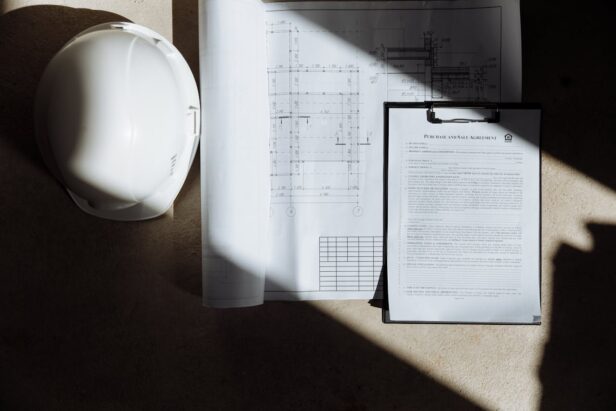
A certificate of substantial completion marks the point at which a construction project reaches functional status. Most construction teams consider this milestone reached when about 95% of the work is complete, allowing the owner to occupy or use the space for its intended purpose.
This certificate is distinct from final completion, which represents 100% completion, including all punch list items and documentation. In industry terms, substantial completion is the stage when the project team can deliver a usable facility to the owner, even though minor corrective work may still remain.
When Should You Issue Or Expect A Certificate Of Substantial Completion?

Determining the right moment to issue a certificate involves evaluating project readiness and contractual obligations. We initiate the certificate process when only minor corrective items or warranty work remain, and the space can be safely used for its intended purpose. This timing reflects construction reaching roughly 95% completion, with major building systems functioning properly and code compliance achieved, along with adherence to Texas home building regulations.
The certificate can apply to the entire project or specific portions through phased use. Partial substantial completion is particularly valuable on multi-phase developments where different sections reach readiness at different times. This approach allows owners to begin occupying completed areas while we finish remaining work elsewhere on site.
Initiation and Approval Process
We typically initiate the certificate request once we determine our work meets the contract requirements. Our project teams prepare the necessary documentation and notify the owner or design professional, with reference to design management in Texas, that we believe substantial completion has been achieved. This communication triggers the formal inspection and approval process.
During inspection, the owner or architect conducts a thorough walkthrough to verify that the work aligns with contract documents and project specifications. The design professional examines building systems, finishes, and safety features, including balcony rail safety requirements in Texas, to confirm the space functions as intended. Any remaining items are documented in the punch list for completion within specified timeframes.
Once approved, all parties sign the certificate, providing legal proof that contractual duties have been met. This signed document establishes that we have delivered on our construction obligations and that the owner accepts the work as substantially complete.
Timeline and Next Steps
The signed certificate starts critical countdowns for key project milestones. Payment deadlines activate, establishing when final payments and retainage release must occur according to contract terms. Mechanic’s lien deadlines begin, affecting our rights to file claims if payment issues arise. Warranty periods commence, defining our responsibility for correcting defects during the specified warranty timeframe, alongside our approach to quality control in Texas construction.
Trust and clear communication between owner and contractor are vital during this stage. We maintain regular dialogue about punch list progress, coordinate any necessary site access for completing remaining items, and ensure all parties understand their responsibilities moving forward. This collaborative approach prevents misunderstandings and keeps the closeout process on track.
What Must A Certificate Of Substantial Completion Include?
A proper certificate of substantial completion serves as a legal document that formally transfers project responsibility and triggers critical payment and warranty timelines. We structure these certificates to include specific information that protects all parties and sets clear expectations for the remaining work.
Essential Project Information
The certificate must identify all core project parties with their official roles and contact information. This includes the property owner, general contractor, and architect or engineer of record. We also include the project name, project address, contract number, and a clear description of the work or designated portion being certified as substantially complete.
The document needs to specify whether the certificate applies to the entire project or only a designated portion. For phased projects, we describe the exact scope and boundaries of the work being certified. This clarity prevents disputes later about what was included in the substantial completion determination.
Critical Dates and Deadlines
The substantial completion date establishes when the owner can occupy or use the work as intended. We record this date precisely because it triggers multiple contractual obligations and deadlines. The certificate also sets deadlines for final payment processing, retainage release, and completion of any remaining work.
Lien rights deadlines often begin counting from the substantial completion date, making accurate documentation essential for subcontractors and suppliers. We specify when warranties commence; most manufacturer and workmanship warranties start on the substantial completion date unless the contract states otherwise.
Financial Status and Payment Information
The certificate documents the financial status per the contract terms. This includes the contract amount, change order values, payments made to date, and any retainage being held. We specify what portion of retainage will be released upon certificate execution and what amount remains tied to punch list completion.
Cost estimates for outstanding punch list work help establish realistic completion budgets. These estimates prevent surprises and allow owners to plan for any additional expenses related to final project closeout.
Punch List and Remaining Work
A detailed punch list attachment identifies specific items requiring completion or correction. We include exact locations, required corrections, and firm completion dates for each item. This list cannot be generic; it must specify the precise work needed to reach final completion.
The certificate establishes who will complete each punch list item and sets deadlines that align with project schedules. Cost estimates for outstanding work help establish financial responsibility and prevent disputes over additional expenses.
Responsibility Assignments
During punch list completion, the certificate assigns specific responsibilities between the owner and contractor. We define who handles site security, ongoing maintenance, heating and cooling, utility costs, and insurance coverage for the work. These assignments prevent confusion about daily operational responsibilities while final work continues.
The contractor typically retains responsibility for damage to its incomplete work, while the owner assumes responsibility for completed portions. Clear responsibility assignments reduce disputes and liability issues during the final completion phase.
Occupancy and Use Provisions
The certificate specifies the planned occupancy date—the date the owner will take possession of the completed work. This date may differ from the substantial completion date, giving owners time to prepare for move-in while allowing contractors to complete punch list items.
We include any restrictions on the owner’s use during punch list completion. These might involve limiting access to certain areas or coordinating with ongoing contractor activities to maintain safety and work efficiency.
Inspection Documentation and Signatures
The certificate documents inspection details, including who conducted the review, when it occurred, and what standards were applied. This creates a record of the evaluation process that determined substantial completion had been achieved.
All parties must sign and date the certificate to make it legally binding. Required signatures typically include the owner, contractor, and architect or engineer. Additional signatures may be needed from lenders, surety companies, or other stakeholders depending on project requirements.
How Is Substantial Completion Determined And Documented?

The process for determining and documenting substantial completion is structured and closely coordinated with project teams. The contractor initiates it by preparing a comprehensive list of items to complete or correct after a project assessment.
The architect or design professional then conducts their own evaluation of the work. They verify the contractor’s list and may amend it based on professional judgment and contract requirements. This verification step ensures the assessment meets industry standards and contract specifications.
Document Preparation And Execution
Once the architect confirms that work has reached substantial completion, we prepare the formal certificate for owner acceptance. The AIA Document G704-2017 serves as the industry-standard form for this documentation. The architect must insert a detailed description of the project or portion that has achieved substantial completion.
Standard forms like G704-2017 provide clear guidance for documenting the milestone. The architect signs and dates the form after the first paragraph to indicate that the identified work has achieved substantial completion. This signature line confirms professional verification of the project status.
Timeline And Responsibility Assignment
The certificate establishes specific dates for completion of outstanding punch list items. We work with all parties to set realistic deadlines that account for material delivery, subcontractor availability, and site conditions. The document also records when the owner will occupy the work or designated portions.
Responsibility assignments cover critical operational aspects during the completion period. The certificate specifies who handles security, maintenance, heat, utilities, damage to the work, and insurance coverage. These assignments prevent confusion and ensure continuous site protection while we complete remaining tasks.
Warranty Documentation
Standard certificate forms require documentation of when warranties commence. Most warranties begin on the substantial completion date unless the contract specifies alternative commencement dates. The architect records these warranty start dates as part of the formal documentation process.
The execution phase requires signatures from the owner, architect, and contractor on their respective signature lines. This three-party execution creates the legal framework for final project phases and establishes clear accountability for completing the remaining work.
What Are Common Pitfalls And How Can You Avoid Them?
Substantial completion documentation creates opportunities for costly missteps. We see projects stall over documentation requirements, payment disputes, and unclear approval processes. Understanding these risks helps us manage the closeout process without delays.
Documentation Requirements Can Create Payment Delays
An informal email stating “substantial completion reached” carries no legal weight if the contract requires a formal certificate. We’ve observed projects where contractors assumed their written notice would trigger retainage release, only to discover weeks later that the owner required an architect-signed AIA G704 Certificate of Substantial Completion. Without the proper certificate, final pay applications may not be processed and retainage remains withheld.
The distinction matters because payment timelines often begin when the certificate is signed, not when work reaches substantial completion. We always confirm whether our contract specifies certificate requirements or accepts alternative documentation. This prevents confusion when it’s time to collect final payments.
Vague Contract Language Creates Authority Disputes
Many contracts fail to specify who determines substantial completion and how the decision gets made. Some general contractors treat it as their call, while others defer to the architect or owner. This ambiguity can lead to disputes over whether the milestone has been reached.
Public projects add another layer of complexity because agency approval may be required before substantial completion can be declared. These approvals can extend timelines by weeks, affecting our project schedules and payment expectations. We clarify decision-making authority during contract negotiation to avoid these delays.
Partial Occupancy Increases Risk and Costs
When owners want to occupy portions of a building while we complete remaining work, the arrangement creates additional challenges. We must implement extra safety controls, manage pedestrian traffic around active work zones, and coordinate our schedule around occupants’ activities.
These conditions increase our liability exposure and often require additional insurance coverage. The extra precautions and site management can significantly impact our costs for completing punch list items. We evaluate these risks carefully before agreeing to partial substantial completion arrangements.
Practical Steps to Avoid Common Problems
We take specific actions throughout our projects to prevent substantial completion issues. First, we define the substantial completion process clearly in our contracts, including who makes the determination and what documentation is required. This eliminates guesswork when the time comes.
Progress tracking becomes crucial as we approach substantial completion. We maintain detailed records of our work completion percentages and proactively identify potential punch list items. This preparation allows us to present a complete picture when substantial completion discussions begin.
Early organization of closeout documents saves time and prevents last-minute scrambles. We compile warranties, operating manuals, final drawings, and other required documentation well before substantial completion. Having these materials ready demonstrates our professionalism and keeps the process moving smoothly.
Our punch lists include specific completion dates and cost estimates for remaining work. This level of detail helps all parties understand the scope and timeline for final completion. Clear communication with owners and architects throughout this process builds the trust necessary for smooth approvals and signatures.
Conclusion And Next Steps

Substantial completion documents bridge construction and occupancy. We use these certificates to establish clear handoff points, protect payment streams, and maintain accountability through project closeout. The signed certificate serves as your proof of performance and the owner’s acknowledgment that we’ve delivered functional space.
Success depends on preparation and precision. We define substantial completion terms during contract negotiation, track progress against completion milestones, and organize closeout documentation in advance. Standard forms like AIA G704-2017 provide a tested framework, but punch list accuracy and clear responsibility assignments determine whether closeout proceeds smoothly. Clear signatures from all parties confirm the substantial completion date and trigger payment timelines, warranty periods, and lien deadlines that govern the final phase.
Ready to streamline your project closeout process? Contact EB3 Construction to discuss how we handle substantial completion documentation and project handoffs.