Commercial property owners with multiple locations face a unique construction challenge. Multi-location commercial renovation involves updating several sites simultaneously or through carefully planned phases, ensuring every location maintains consistent design, functionality, and customer experience standards.
This coordinated approach spans everything from basic interior updates like flooring and lighting to complete facility overhauls and new construction. Whether we handle retail refreshes, healthcare facility upgrades, or hospitality improvements, each site must comply with local building codes and ADA accessibility requirements while delivering uniform results that strengthen brand identity and accelerate growth.
How Should Owners Plan And Manage Multi-Site Rollouts?
Strategic planning forms the foundation of successful multi-location projects. We define clear objectives, establish realistic budgets, and create detailed timelines before breaking ground at any location. This upfront investment in planning prevents costly changes and delays that can ripple across multiple sites. Comprehensive project planning that outlines timelines, milestones, and resource allocation becomes essential when coordinating work across different markets and jurisdictions.
Effective project management requires systematic coordination across all construction activities. We handle permitting workflows by establishing relationships with local authorities and understanding jurisdiction-specific requirements. Our scheduling approach accounts for material lead times, labor availability, and seasonal factors that vary by region. Materials procurement benefits from centralized sourcing and supplier partnerships that ensure consistent quality and competitive pricing across all locations.
Dedicated Teams And Centralized Oversight
Each location receives a dedicated project team responsible for maintaining brand standards and operational requirements. These teams understand local market conditions while adhering to company-wide specifications. We assign experienced project managers who coordinate with headquarters and ensure consistent execution regardless of geographic location.
Centralized oversight through a single general contractor streamlines decision-making and accountability. We align construction schedules across multiple sites to optimize resource allocation and reduce conflicts. This approach enables better cost control through consolidated supplier relationships and standardized processes that scale efficiently.
Technology For Real-Time Visibility
Modern project management platforms provide real-time tracking of progress, budgets, and schedules across all sites. We implement communication systems that connect field teams, project managers, and stakeholders instantly. These tools eliminate information gaps and enable rapid response to issues before they impact other locations.
Digital reporting systems capture key performance metrics and provide transparency to ownership teams. We track material deliveries, labor productivity, and milestone completion rates to identify trends and optimize future rollouts. Quality management systems ensure consistent standards through photo documentation, inspection checklists, and compliance verification at each location.
What Ensures Brand Consistency From Site To Site?
Brand standards form the foundation of any successful multi-location renovation program. We maintain one unified set of design specifications that applies to every site, covering everything from materials and finishes to layouts and signage requirements. This centralized approach eliminates variations that can confuse customers or dilute brand identity across locations.
Quality control becomes critical when multiple sites undergo renovation simultaneously. We implement systematic inspections at key milestones to verify that each location meets the established performance and design targets. These checkpoints catch deviations early, preventing costly corrections later in the construction process.
Centralized Oversight Through Single GC Management
Using one general contractor across all locations creates uniformity in execution standards and project delivery methods. We coordinate materials procurement, labor scheduling, and installation procedures to ensure consistent results regardless of geographic location. This centralized management reduces the risk of mismatched finishes or inconsistent quality between sites.
Our project teams follow standardized construction processes that translate brand requirements into specific installation guidelines. Each crew receives the same training on brand standards, ensuring that wall colors, fixture placements, and architectural details match the approved specifications at every location.
Systematic Rollout Coordination
Rebrand programs benefit from coordinated scheduling that aligns construction timelines across multiple sites. We track progress through integrated reporting systems that provide real-time visibility into each location’s status. This multi-site tracking helps identify potential delays or quality issues before they impact the overall rollout schedule.
Refresh projects follow similar coordination principles, with teams updating finishes, signage, and layouts according to the same timeline and quality benchmarks. We use standardized checklists and inspection protocols to confirm that each site achieves the desired brand presentation before completion.
Documentation and reporting systems capture installation details, material specifications, and final inspections for every location. This creates a permanent record that supports future maintenance planning and ensures rollout consistency across the entire program timeline.
How Do You Stay Compliant And Minimize Disruption During Construction?
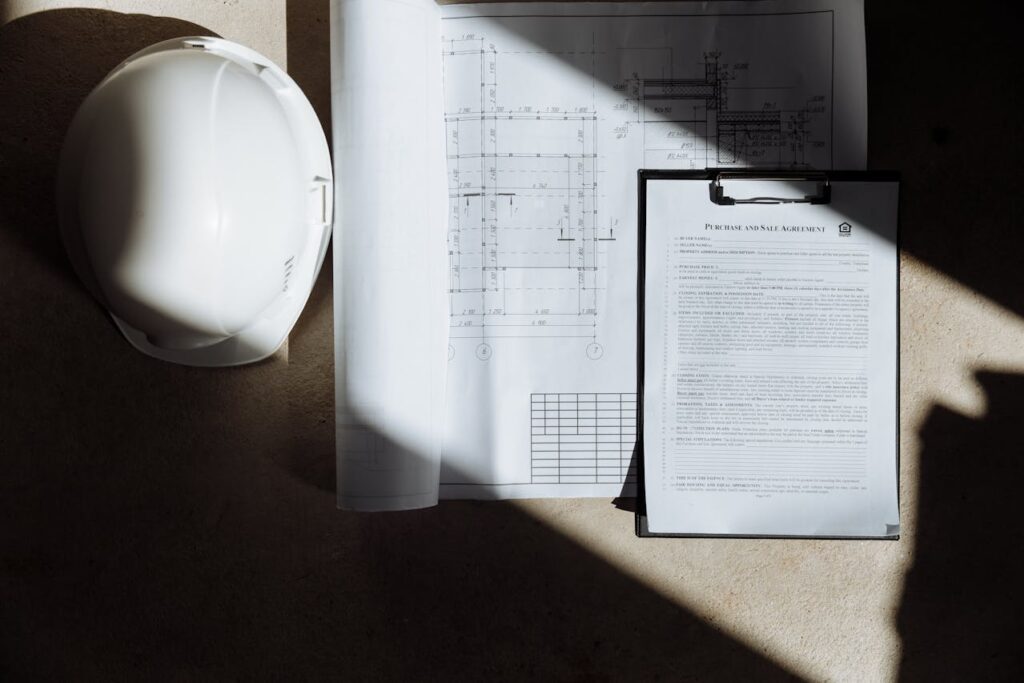
Integrating ADA Compliance Into Multi-Site Planning
ADA compliance requires advance planning at every location. We build accessibility standards into the design phase from day one, incorporating elements like compliant ramps with proper slopes, wider doorway openings, and fully accessible restroom facilities. These upgrades integrate seamlessly when included upfront rather than retrofitted later.
Accessibility upgrades vary by location but commonly include entrance modifications, parking space adjustments, and interior pathway improvements. Each site assessment identifies specific needs based on existing conditions and local code variations. We coordinate with architects early to ensure all accessibility features align with the overall design vision.
Managing Permitting And Local Code Requirements
Local building codes add complexity beyond federal ADA standards. Municipal requirements often include stricter accessibility provisions or unique interpretations of federal guidelines. We handle the permitting process for all sites, tracking different jurisdictional requirements to avoid delays.
Permitting workflows require coordination across multiple locations simultaneously. We submit applications in strategic sequences, allowing time for review cycles while maintaining project momentum. This approach prevents bottlenecks when multiple sites need permits from the same local authority. Regular communication with building departments helps resolve questions before they impact construction schedules.
Phased Construction For Operational Continuity
Active facilities demand careful construction sequencing to maintain operations. We develop phased work plans that isolate construction zones while keeping primary business functions accessible. Critical areas receive priority scheduling to minimize customer impact during peak business hours.
Open-store remodels require the most detailed phasing strategies. We coordinate work around store hours, completing noisy tasks during off-peak times and maintaining clear egress paths throughout construction. Temporary barriers and signage direct customers safely around work areas without disrupting their experience.
Healthcare and hospitality settings present unique operational challenges. Healthcare facilities cannot interrupt patient flow or compromise safety systems. We sequence work to maintain emergency access routes and coordinate with facility management around critical care schedules. Hospitality projects require minimal guest disruption while maintaining full service levels.
Emergency Mitigation And Rapid Response
Unexpected issues require immediate mitigation to protect ongoing operations. We maintain rapid response capabilities for situations like water damage, structural discoveries, or system failures that threaten business continuity. Quick action prevents minor problems from becoming operational shutdowns.
Mitigation and restoration services integrate with our construction teams to address emergencies without disrupting the overall project timeline. Emergency protocols include immediate containment, temporary fixes to maintain operations, and permanent repairs coordinated with the existing work schedule. This comprehensive approach minimizes downtime and keeps projects moving forward even when unexpected challenges arise.
What Scopes And Upgrades Fit Multi-Location Programs?
Core Construction Scopes For Multi-Site Rollouts
Multi-location programs demand careful selection of work scopes that deliver consistent results across diverse sites. Interior renovation forms the backbone of most rollouts, encompassing everything from wall finishes and flooring to complete space reconfigurations. Exterior renovation addresses building facades, entrances, and weatherproofing systems that define brand appearance from the street.
Amenity improvements often drive the highest tenant satisfaction in commercial properties. These upgrades range from lobby modernization and common area enhancements to fitness centers and outdoor gathering spaces. Roofing replacement and structural repairs provide long-term asset protection, while painting and specialty flooring create immediate visual impact across locations.
HVAC upgrades and electrical updates represent critical infrastructure investments. Modern systems improve occupant comfort while reducing operational costs through enhanced efficiency. We coordinate these mechanical and electrical improvements with other construction activities to minimize disruption and control project timelines.
Energy-Efficient Systems That Scale
LED lighting conversions deliver immediate energy savings and require minimal site-specific customization. The technology adapts well to various ceiling heights, fixture types, and lighting zones common in multi-location portfolios. Smart-zoned HVAC systems provide precise climate control while reducing energy consumption by up to 30% compared to traditional systems.
Building envelope solutions address insulation, air sealing, and thermal bridging issues that affect energy performance. These improvements work particularly well when combined with window replacements or exterior renovation projects. Energy-efficient roofing systems, including cool roof membranes and improved insulation, reduce cooling loads and extend roof life spans across multiple sites.
The key advantage of energy-focused upgrades lies in their measurable returns. Utility cost reductions can be tracked and compared across locations, providing clear ROI data for future investment decisions.
Exterior Site Care At Scale
Large-scale exterior maintenance programs require different approaches than single-site projects. Snow removal services can be coordinated regionally, ensuring consistent site access during winter months while leveraging volume pricing. Landscaping programs maintain curb appeal and property values when managed systematically across locations.
Parking lot repair and maintenance addresses safety concerns while protecting significant infrastructure investments. We schedule these services during low-traffic periods and coordinate with brand consistency initiatives to ensure signage and striping align with corporate standards. Power washing removes accumulated grime and maintains professional appearances year-round.
Site lighting upgrades enhance both security and visibility. Modern LED fixtures reduce maintenance requirements while improving illumination quality across parking areas, walkways, and building perimeters.
Comprehensive Rebrand Programs
Rebrand programs represent some of the most complex multi-location projects we manage. These initiatives require precise coordination to maintain operational continuity while implementing new visual standards. Remodels often accompany rebrand efforts, creating opportunities to address deferred maintenance and upgrade building systems simultaneously.
Refresh projects typically focus on high-impact areas like lobbies, common spaces, and exterior facades. These targeted improvements can transform property appearance without the disruption of full renovations. The phased approach allows occupied buildings to remain functional throughout construction.
Full rebrand programs demand comprehensive project tracking to ensure consistency across all locations. We use centralized scheduling systems to coordinate material deliveries, labor resources, and inspection schedules. This approach prevents delays while maintaining quality standards throughout the rollout process.
Conclusion And Next Steps
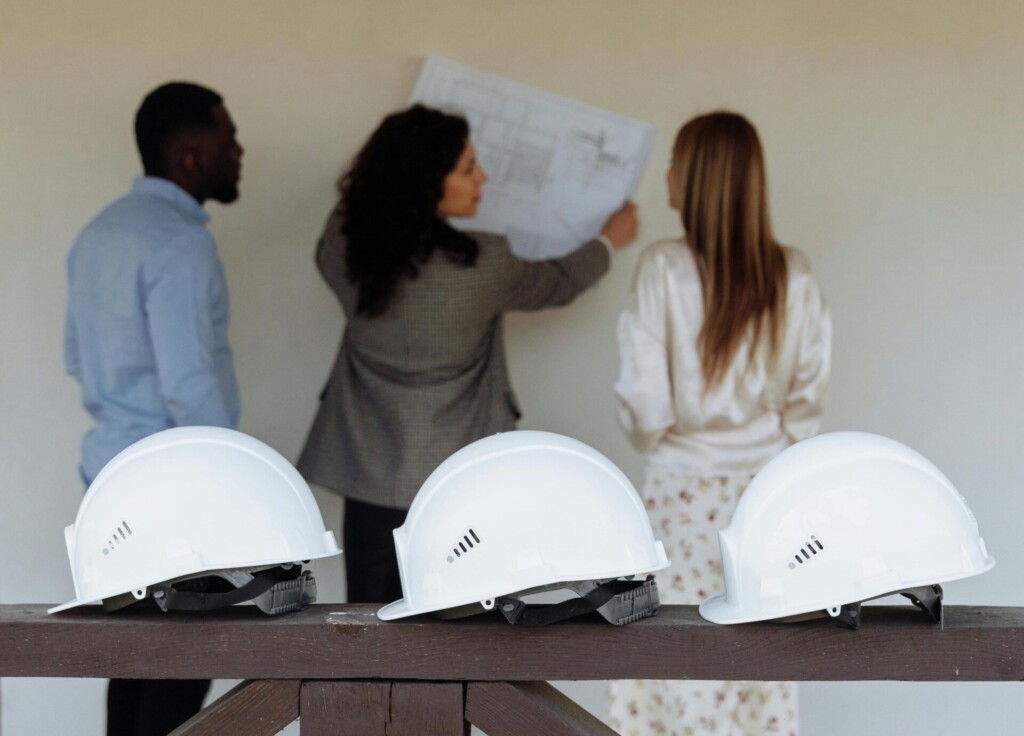
Multi-location renovation success depends on three essential pillars: clear planning, consistent execution, and comprehensive oversight. We approach each program by establishing unified brand standards and design specifications that apply across every location. This standardization prevents costly revisions and ensures customers experience the same quality and aesthetic at each site.
Phased rollouts allow us to sequence work strategically while maintaining operational continuity. We track progress in real time through centralized reporting systems that provide visibility into schedules, budgets, and quality metrics across all active sites. Quality checks at critical milestones help identify and resolve issues before they impact other locations or delay the overall program.
ADA upgrades and local permitting requirements must be integrated into your project timeline from day one. We handle compliance workflows for accessibility improvements like ramp installations, entrance modifications, and facility upgrades while managing the permitting process with local authorities. Energy efficiency improvements, including LED lighting and HVAC system upgrades, reduce long-term operational costs and often qualify for tax incentives or utility rebates.
Cost control becomes more manageable with centralized procurement and supplier relationships that deliver consistent pricing across multiple sites. Real-time reporting keeps stakeholders informed while our project teams maintain the flexibility to address site-specific challenges without disrupting the broader program schedule.
For property owners and developers looking to execute multi-location renovation programs effectively, partnering with an experienced commercial general contractor provides the centralized oversight and consistent results your brand requires. Contact EB3 Construction to discuss how we can streamline your multi-site renovation program.