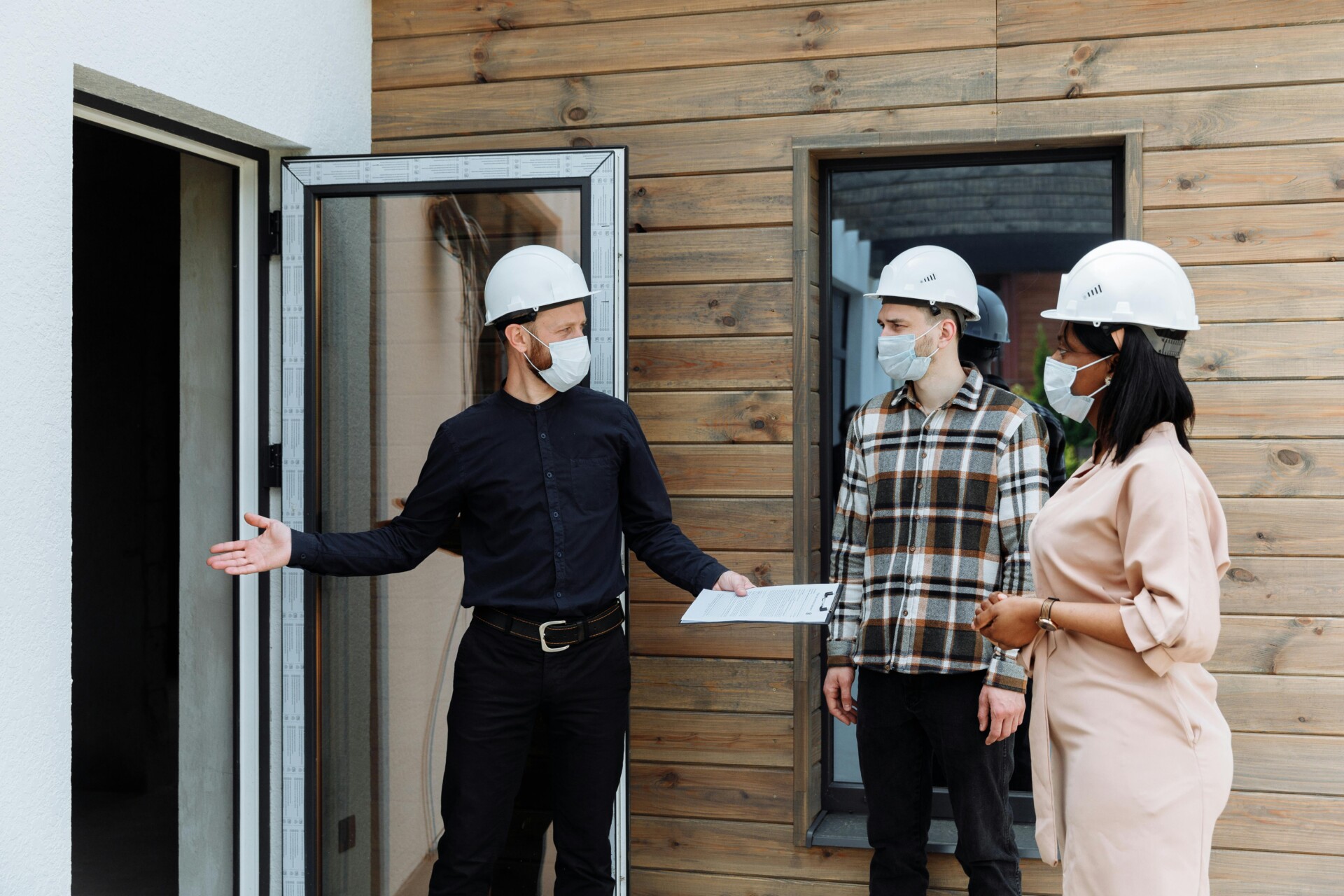
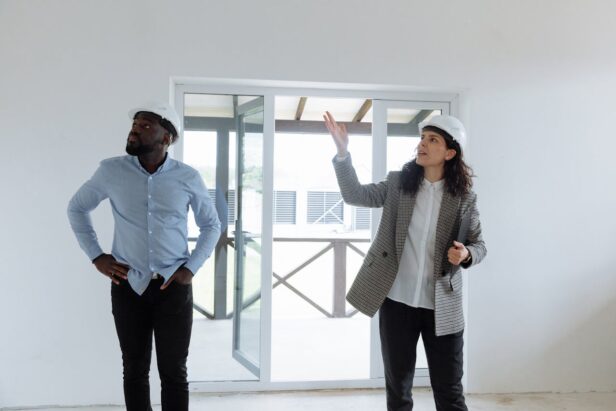
Large-scale construction projects require a tactical approach that keeps residents housed and venues operating. Phased renovation describes multi-stage construction in which projects unfold in carefully sequenced phases to maintain safety and continuity throughout major redevelopments.
Why Choose A Phased Approach For Housing And Public Venues?

Phased construction offers clear benefits for complex projects that must remain operational during renovation. This approach works particularly well for occupied buildings and active venues, where maintaining daily operations matters as much as achieving long-term improvements.
Protecting Resident Stability Through Build-First Planning
Build-first planning protects resident stability during full reconstruction. This approach builds new housing units before demolishing existing structures, creating a buffer that reduces displacement stress. Coordinating construction sequencing helps keep families in their community whenever possible.
Some temporary relocations are still necessary for safety during active construction. However, phased timelines allow residents to remain within their neighborhood network rather than face permanent displacement. This continuity supports children’s school attendance and maintains family connections to local services.
Maintaining Event Operations At Major Venues
Construction sequencing ensures shows and events continue without interruption throughout transformations. Coordinating each phase to avoid conflicts with scheduled conventions, trade shows, and public events while structuring construction activities around peak booking periods protects revenue streams.
This operational continuity benefits both venue operators and the broader economy. Convention bookings generate significant hotel, restaurant, and retail activity that would be lost if facilities closed completely during renovation.
Supporting Funding Alignment And District Development
Phasing aligns with funding cycles and long-term district goals that extend beyond individual projects. The approach allows developers to secure financing for each phase based on demonstrated progress rather than requiring full project funding upfront. This financial flexibility is especially valuable for large-scale public projects.
New plazas connecting destinations require coordinated timing among multiple stakeholders. Phased construction allows each element to integrate with existing infrastructure while preparing for future connections. This planning improves walkability gradually rather than disrupting entire districts during construction.
How Are Resident Relocations Handled During Phased Housing Work?
Comprehensive relocation support coordinates personalized counseling to help each household understand its options and timeline. This support includes coverage of moving costs to remove financial barriers during the transition.
Residents receive at least three comparable housing options so they can maintain suitable living conditions. These choices accommodate different family needs and preferences during the temporary relocation period.
Housing Requirements and Federal Compliance
Under the Choice Neighborhoods Initiative federal requirements, replacement housing must be built within the original community. This ensures residents who want to return to their historic neighborhoods will have that opportunity after construction is complete.
Housing authorities commit to providing modern, energy-efficient homes for returning residents. This upgrades living conditions while preserving community location and character. Ongoing federal oversight helps ensure these commitments are met throughout the phased development process.
Communication And Early Coordination
Early, clear communication is essential in phased housing projects. Establishing transparent timelines and detailed explanations of each phase well before moves begin helps residents plan effectively.
Effective communication includes regular community meetings, written updates in multiple languages when needed, and designated points of contact for individual questions. This proactive approach reduces anxiety and helps residents prepare for temporary relocations.
Section 3 Workforce Integration
Workforce development goals align with construction phasing. At least 25 percent of total labor hours should be performed by Section 3 workers, with a target of 5 percent by Section 3 workers who meet specific local hiring criteria. These requirements create employment opportunities for low-income residents in surrounding areas.
Section 3 compliance supports community economic development as physical reconstruction proceeds. Coordinating with contractors to track labor-hour requirements throughout each construction phase ensures that phased housing work delivers both improved living conditions and local job opportunities.
Key Elements Of Phased Convention Center Renovations
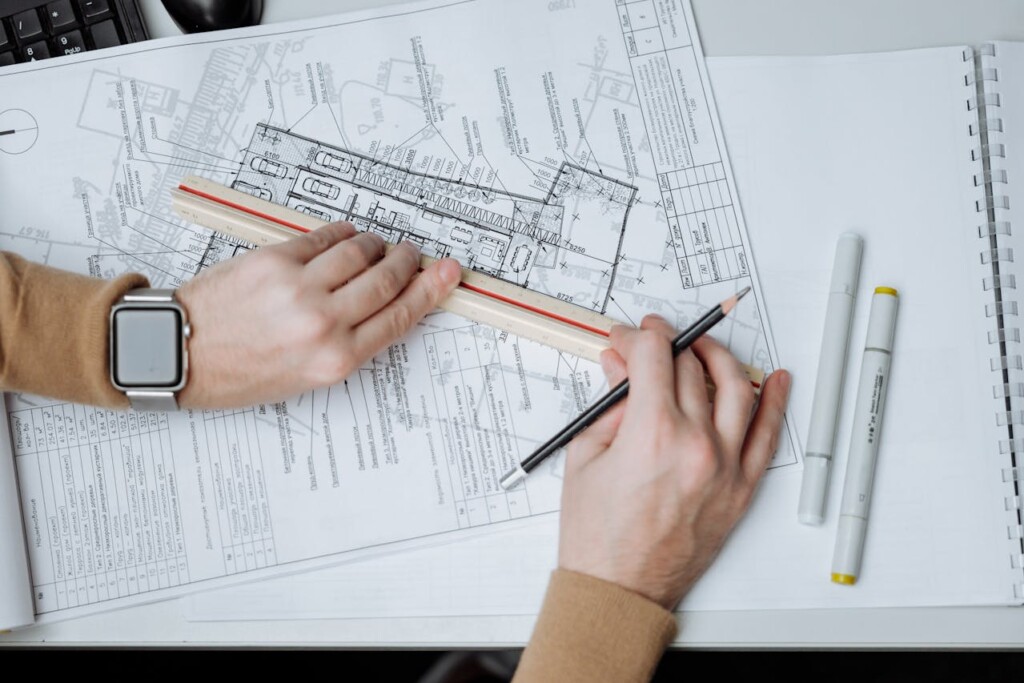
Phased civic renovations can create substantial new event space while maintaining operations. Large-scale additions serve as key connectors between districts, housing multiple exhibit halls and creating significant square footage for growing convention demand.
Multipurpose halls opening directly to new plazas provide indoor-outdoor connections for large gatherings. Adjacent atrium flex halls offer versatile options for smaller events and receptions, positioning venues as major players in national convention hosting.
Record-Breaking Ballrooms and Plaza Connections
Centerpiece ballrooms designed at exceptional scale position cities to compete for major galas, corporate events, and conferences. Incorporating the latest acoustics and lighting technology allows these spaces to handle diverse event formats.
Extending plazas to create continuous connections between destinations establishes pedestrian-friendly corridors and walkable entertainment zones. Plaza designs encourage outdoor gatherings and provide flexible space for festivals, markets, and community events that complement indoor convention activities.
Sustainable Design Features
Sustainability drives modern project design through multiple integrated systems. Low-carbon materials specified throughout structures reduce buildings’ environmental impact from construction through operation. High-efficiency mechanical systems minimize energy consumption while maintaining optimal comfort for large-scale events.
Rainwater collection systems capture and reuse precipitation for landscape irrigation and building operations. Water-reduction strategies include low-flow fixtures and drought-resistant native landscaping that requires minimal irrigation once established. Living roof systems provide natural insulation and stormwater management while creating space for potential solar panel installation.
Funding Structure and Timeline
Hotel occupancy tax revenue growth can fund transformations over extended periods. This financing approach leverages the economic activity convention centers generate, creating self-sustaining funding models. The structure ensures projects pay for themselves through increased tourism and business activity they attract.
Extended timelines enable venues to maintain current bookings and revenue while adding capacity. Analysis typically projects transformations will increase annual events and generate substantial additional economic spending over multi-decade periods.
How Should Teams Plan Due Diligence And Sequencing For Multifamily Assets?
Multifamily due diligence evaluates both financial health and physical condition before committing to acquisitions or renovations. Financial due diligence involves analyzing trailing 12-month statements, rent rolls, and bank deposits to verify income accuracy and identify value-add opportunities. Construction teams simultaneously conduct comprehensive property condition assessments to evaluate building systems, structural integrity, and capital needs over the next decade.
Coordination between property management and construction disciplines is essential during the due diligence phase. While property management teams reconcile rent rolls against actual deposits and review lease abstractions, construction teams assess HVAC systems, roofing condition, plumbing infrastructure, and electrical capacity. This parallel approach validates investment assumptions and refines budgets based on real conditions rather than seller representations.
Financial Due Diligence Framework
Standard practice requests three years of operating statements, current rent rolls, and six months of bank statements to establish baseline performance. Scheduled rent should align with collected income and actual deposits within a 5% variance. Any discrepancy above this threshold indicates collection issues, vacancy problems, or misrepresented financials requiring immediate investigation.
Lease audits reveal tenant stability and income reliability by examining lease terms, payment history, and renewal patterns. Particular attention to month-to-month concentrations above 20% identifies potential turnover risk that could impact cash flow projections. Security deposit reconciliation between lease agreements and actual registers helps identify operational gaps or financial irregularities.
Physical Assessment And Construction Planning
Property condition assessments guide understanding of immediate and future capital needs. Evaluating building envelope integrity, structural systems, HVAC efficiency, and site improvements projects replacement costs over 10 to 12 years. These findings directly influence acquisition pricing and renovation budgeting, particularly for value-add strategies requiring significant capital investment.
Unit inspections should cover every unit rather than sampling, as problem units often hide in areas sellers prefer to avoid showing. Documenting conditions with photos and assessing appliance functionality, flooring wear, fixture age, and evidence of water damage or pest issues prevents costly surprises after closing and ensures accurate unit turn cost estimates.
Build-First Sequencing Strategy
Build-first sequencing minimizes disruption during occupied renovations. This strategy involves constructing new housing units before relocating existing residents, reducing displacement time and maintaining community stability throughout the renovation process.
Construction phasing aligns with relocation windows to ensure resident safety and project continuity. Coordinating utility shutoffs, debris removal, and heavy equipment access around occupancy patterns limits noise and dust exposure. Safety controls include negative air systems, acoustic barriers, and restricted access zones that protect residents while allowing construction to proceed efficiently.
Communication And Coordination Protocols
Effective phasing requires clear communication between construction teams, property management, and residents throughout each phase. Establishing dedicated project liaisons who provide regular updates on construction schedules, temporary inconveniences, and safety protocols builds trust. Early communication about project timelines and relocation assistance helps build resident trust and reduces opposition to necessary improvements.
Resource coordination ensures labor, materials, and equipment availability align with each construction phase. Accounting for lead times on specialized systems and coordinating contractor schedules prevents delays that could extend resident displacement or project duration. This systematic approach maintains project momentum while respecting the operational requirements of occupied properties.
Conclusion And Next Steps For Phased Renovation

Phased renovation shows how strategic construction planning protects communities while enabling significant improvements. The approach has proven effective across residential and civic projects, maintaining operations during extensive reconstruction. Build-first planning, comprehensive relocation protocols, sustainable design integration, and careful scheduling work together to deliver major upgrades without disrupting essential operations.
Moving forward, successful phased renovation requires early coordination and thorough preparation. Establishing funding mechanisms and validating phasing logic before construction begins is essential. Relocation protocols must be defined and communicated well in advance, particularly for housing projects where residents need certainty about temporary arrangements and return timelines. For active venues, operational coordination prevents disruptions to scheduled events. Due diligence on existing conditions informs realistic sequencing that accounts for structural requirements, utility routing, and site-specific constraints that affect access and safety protocols during construction.
Partner with EB3 Construction to plan your phased renovation.