The Domain Northside project encompasses over 400,000 square feet of shell retail space across multiple precast parking garages (PDF) and cast-in-place podiums. We delivered an expanded precast parking garage from 828 spaces to 1,323 spaces, alongside extensive underground utilities (details) and landscape coordination near the Aloft hotel.
This multi-phase project integrates vertical and horizontal work across parking structures, retail shells, bridge connections to residential and Nordstrom buildings, and comprehensive tenant improvement capabilities. The scope highlights the complexity of coordinating mixed-use development (overview) within an active retail environment.
Which Scopes And Systems Define The Domain’s Multi-Phase Work?
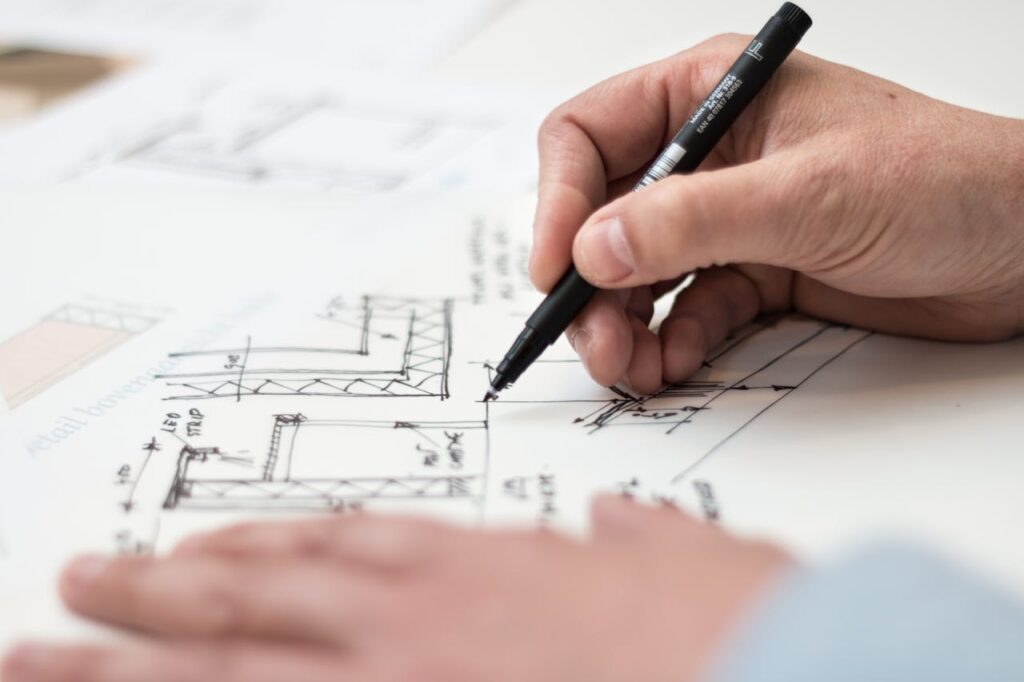
The Domain’s construction scope centers on six integrated building systems that require careful coordination across multiple phases. Each system involves specific construction methodologies and substantial space allocations that define the campus’s mixed-use character.
Precast parking garages form the foundation of The Domain’s vertical infrastructure. The initial phase delivered an 828-space garage alongside the expansion of an existing precast structure to a total of 1,323 spaces. Subsequent phases added 854-space and 977-space garages, requiring precise coordination of precast installation sequences and structural connections. These parking counts reflect careful analysis of retail demand and residential density projections.
Cast-in-place podiums support the retail program with over 100,000 square feet of ground-level shell retail space in the initial phase. A later podium added more than 51,000 square feet of shell retail. Podium construction requires extensive formwork coordination and concrete sequencing to achieve the large floor plates needed for anchor tenants and smaller retail subdivisions.
Retail shell buildings utilize single-story steel construction across multiple phases. The initial scope included 31,000 square feet, plus 12,600 square feet in additions. Later phases added buildings totaling 18,400 and 19,200 square feet. These steel structures allow for flexible tenant configurations while maintaining a consistent architectural character across the development.
Underground utilities represent one of the most complex coordination challenges at The Domain. The project team manages all utility infrastructure serving multiple buildings simultaneously, including electrical distribution, water and sewer systems, storm drainage, and telecommunications. This work requires careful phasing to maintain service to occupied buildings while extending infrastructure to new construction areas.
Landscape and hardscape packages extend across all phases to create cohesive public spaces. These extensive packages stitch together buildings and public areas through coordinated paving, lighting, irrigation, and planting systems. The hardscape work includes pedestrian connections, plaza areas, and integration with surface parking.
Bridge connections and building pad preparation require specialized structural coordination. The connecting bridge links the parking garages to new residential areas and the Nordstrom building, requiring precise elevation control and structural integration. Building pad preparation for the Nordstrom site involved extensive earthwork and utility coordination to meet the retailer’s specific foundation requirements.
How Should Preconstruction And Delivery Be Organized For The Domain?
Our preconstruction approach for projects at The Domain begins with comprehensive site selection analysis and construction management planning. We evaluate development parcels based on traffic patterns, utility access, and how they integrate with existing campus infrastructure. This foundation enables us to coordinate effectively with ongoing operations while managing complex multi-phase work.
Constructability reviews are central to our delivery strategy. We assess how podiums, garages, and retail shells interface with underground utilities and existing structures. Our team identifies potential conflicts between new construction and active tenant spaces and develops solutions that minimize disruption to business operations.
Design-build coordination streamlines project delivery across The Domain’s diverse building types. We work directly with design teams to optimize structural systems for efficiency and cost control. This collaborative approach is especially valuable when coordinating MEP infrastructure across multiple buildings and ensuring consistent architectural standards throughout the development.
BIM technology and construction project management software support our preconstruction process by creating detailed 3D models that reveal conflicts before construction begins. We use these models to coordinate complex mechanical systems, plan crane placement around existing buildings, and sequence work to maintain pedestrian and vehicle access. This visual coordination helps property managers understand construction impacts and plan tenant communications.
Our core and shell capabilities extend beyond basic construction to include specialized systems for corporate interiors, hospitality, healthcare, life sciences, and luxury retail applications. This breadth allows us to adapt construction methods for different tenant requirements while maintaining schedule continuity across phases. When working around active tenants, we coordinate material deliveries, noise-sensitive activities, and utility shutdowns to preserve business operations.
Phasing strategies address The Domain’s unique challenges as an active mixed-use environment. We sequence work to maintain customer access to retail areas, coordinate with hotel operations, and ensure uninterrupted service to corporate tenants. Our preconstruction planning identifies critical-path activities that could affect public areas and develops alternative approaches to keep the campus fully functional during construction.
What Tenant Improvement Needs Are Common For The Domain’s Retail And Office Spaces?
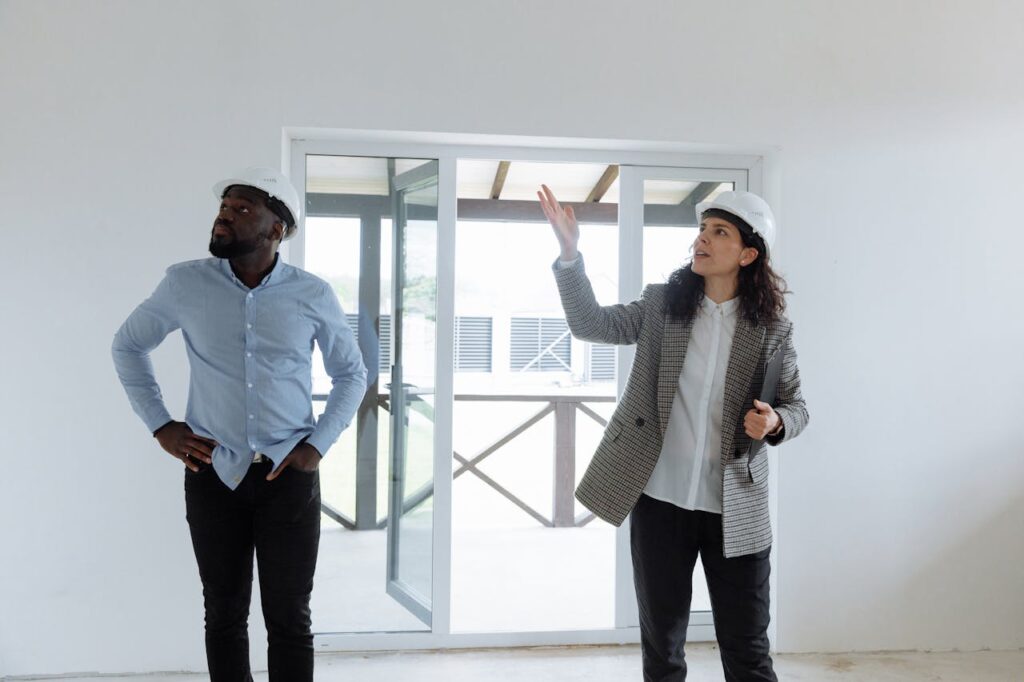
Our tenant improvement work at The Domain covers three primary categories: healthcare clinics, corporate office spaces, and luxury retail environments. Each category demands specialized approaches to construction phasing, finishes, and systems integration across The Domain’s active mixed-use campus.
The Westlake Dermatology clinic required medical-grade finishes, specialized HVAC systems for clinical spaces, and ADA-compliant layouts. We coordinated plumbing for treatment rooms, electrical systems for medical equipment, and acoustic treatments to protect patient privacy. Healthcare tenant improvements require careful scheduling around ongoing medical operations and strict compliance with health department requirements.
Corporate Interior Needs
The Indeed office at The Domain exemplifies the corporate interior needs common across the campus. Tech companies need flexible workspace layouts, robust data infrastructure, and collaborative areas that support hybrid work models. We installed structured cabling systems, upgraded electrical panels to support higher technology loads, and created open-plan areas with acoustic panels to control sound.
Corporate tenant improvement projects require phased construction to minimize disruption to business operations. We schedule the noisiest work during off-hours and coordinate with building management to maintain elevator access and parking availability. Technology integration often sets the schedule, as data cabling and equipment installation must align with furniture delivery and employee move-in dates.
Luxury Retail Storefront Coordination
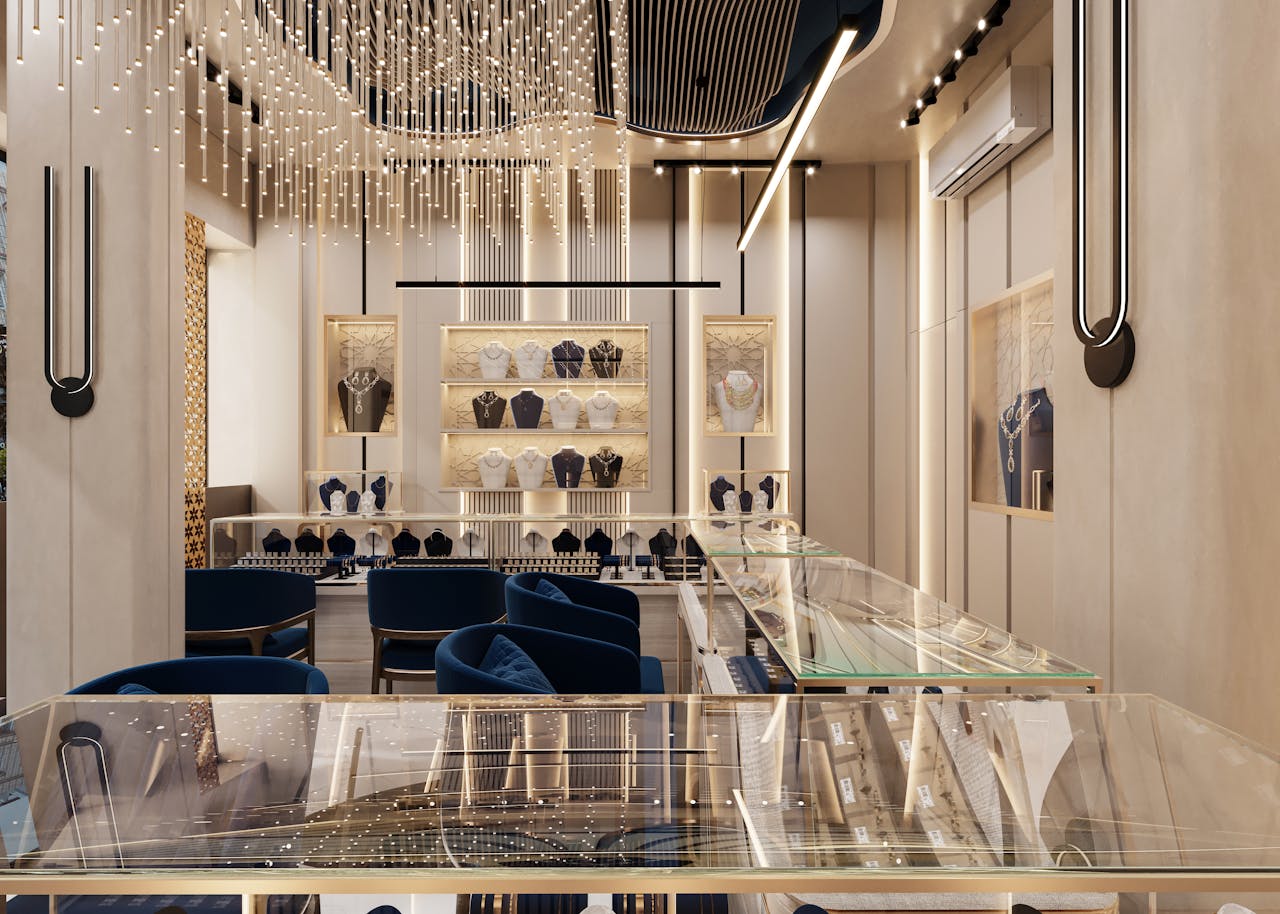
High-end retail brands such as Chanel require precision in storefront coordination and brand-specific finishes. These projects involve custom millwork, specialized lighting systems, and exacting material specifications that reflect brand standards. We coordinate with brand architects to ensure every detail meets corporate design guidelines while fitting The Domain’s architectural requirements.
Luxury retail construction requires careful material handling and protection to prevent damage during installation. We implement dust containment systems, protect existing finishes, and coordinate deliveries to avoid disrupting neighboring tenants. The occupied campus environment demands constant communication with property management and adjacent businesses.
Retail tenant improvements often include storefront modifications, custom display fixtures, and specialized security systems. We manage permitting for exterior changes, coordinate with city planning departments for signage approvals, and ensure all modifications comply with The Domain’s design standards. Phased work allows retailers to continue operating in portions of their space during construction.
Conclusion And Next Steps For The Domain Projects

We understand that projects at The Domain require careful coordination across multiple building types, systems, and tenant operations. Our experience building precast parking garages, cast-in-place podiums, and shell retail spaces across multiple phases has shown how critical early planning is when work proceeds around active storefronts and public areas. The complexity of connecting bridge structures to new residential developments, while maintaining campus operations, demands precise scheduling and phasing strategies.
For future phases, successful developments at The Domain begin with thorough preconstruction planning that maps every utility connection, hardscape interface, and building pad requirement. We recommend confirming parking capacity needs and podium dimensions early, since these elements anchor the entire site layout. Utility mapping prevents conflicts between underground infrastructure and future building foundations. Bridge connections and building pad preparation require advance coordination with adjacent developments. Most importantly, tenant improvement schedules must align with campus-wide operations to minimize disruption to existing businesses and maintain The Domain’s operational flow.
Ready to discuss your next Domain project? Contact EB3 Construction for preconstruction planning and multi-phase coordination.