
Opening day is twelve weeks away. Your lease is signed, permits are pending, and customers expect a fully operational boutique that reflects your brand vision. The contractor you choose now will determine whether your lifestyle center store opens on schedule and with the design quality that drives sales.
Selecting a retail tenant improvement contractor means matching proven buildout experience to your specific project needs. We coordinate tenant finish services that transform empty shells into customer-focused retail environments designed for natural flow and operational efficiency.
Which Contractor Qualifications Matter Most For A Boutique Retail Buildout?
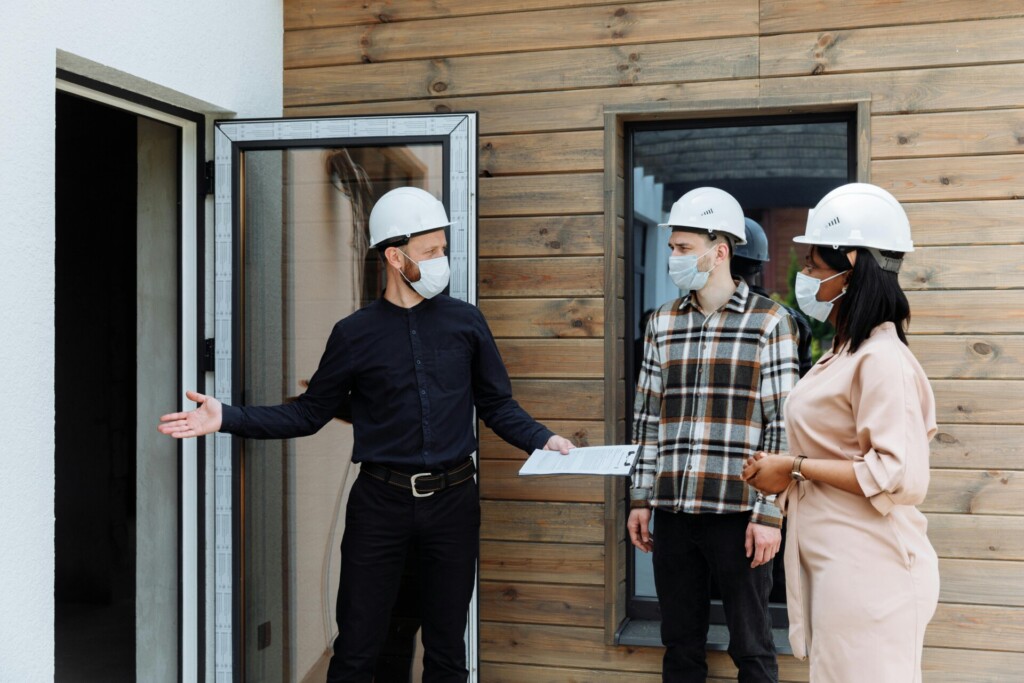
A proven retail track record forms the foundation of any successful boutique buildout. We prioritize contractors who demonstrate specific experience with retail environments rather than general commercial construction. A contractor skilled in warehouse construction may struggle with the precise details of fitting rooms, customer flow patterns, and retail lighting systems.
Portfolio reviews reveal critical insights about a contractor’s capabilities. Strong portfolios showcase projects similar in scope, size, and complexity to your boutique buildout. We examine how contractors handled space-planning challenges, material selections, and timeline management in previous retail projects. Their approach to customer experience elements like lighting design and fixture installation provides clear indicators of their retail construction expertise.
Essential Credentials And Documentation
Proper licensing, bonding, and insurance establish the basis for any professional relationship. We verify that contractors hold current commercial construction licenses for your jurisdiction. Local building departments require specific permits for retail construction, and experienced contractors understand these requirements thoroughly. Contractors should carry general liability insurance, workers’ compensation coverage, and bonding appropriate for commercial retail projects.
Insurance verification extends beyond basic coverage checks. We request certificates of insurance directly from the carrier and confirm policy limits match project requirements. Bonding provides additional protection for material costs and completion guarantees. These credentials demonstrate professionalism and protect your investment throughout the construction process.
Local Code Knowledge And Permitting Experience
Retail buildouts require compliance with building codes and state guidelines, fire safety regulations, and accessibility standards. Experienced contractors navigate permitting processes efficiently and understand local zoning regulations and state-specific requirements that affect retail operations. They coordinate inspections, maintain compliance documentation, and address code requirements before they cause project delays.
We evaluate contractors based on their familiarity with landlord requirements for lifestyle centers. These projects often involve coordination with property management, adherence to design guidelines, and integration with existing building systems. Contractors who understand these dynamics prevent conflicts and streamline project approval processes.
Communication And Problem-Solving Approach
Clear, frequent communication distinguishes professional contractors from problematic ones. We look for contractors who provide regular updates, respond promptly to questions, and maintain organized project documentation. Their communication style during initial meetings often reflects how they will manage the project once construction begins.
Collaborative problem-solving capabilities matter significantly in retail construction. Unexpected site conditions and related site preparation factors, design modifications, and timeline adjustments require contractors who work with teams rather than against them. We assess their approach to value engineering opportunities and their willingness to explore alternatives that improve outcomes within budget constraints.
Quality, Safety, And Reliability Standards
Quality standards encompass both materials and workmanship. Professional contractors specify products that meet retail durability requirements and use installation methods that ensure long-term performance. We evaluate their approach to quality control inspections and processes, material sourcing, and subcontractor management. Contractors who emphasize quality over lowest-bid pricing typically deliver better long-term value.
Safety protocols protect workers, reduce liability, and maintain project schedules. We review contractors’ safety records, training programs, and jobsite management practices. Well-managed safety programs indicate organized, professional operations that extend beyond workplace protection to overall project management.
References from previous clients provide reliable insight into contractor performance. We contact recent clients to discuss communication quality, timeline adherence, budget management, and overall satisfaction. Contractors confident in their work readily provide multiple references and welcome direct client contact.
How Should Design And Functionality Be Scoped For A Boutique In A Lifestyle Center?
Effective space planning establishes the foundation for customer movement through your boutique. We design pathways that guide shoppers naturally from the entrance to key display areas and fitting rooms. Clear sight lines allow customers to see merchandise displays and navigate without confusion. A well-planned flow prevents bottlenecks and ensures comfortable browsing throughout the retail environment.
Strategic placement of display units creates visual interest and supports customer circulation. We position merchandise at eye level and create focal points that draw attention to featured products. Open pathways between displays encourage exploration and maintain clear routes to checkout areas. This layout maximizes product exposure while keeping the shopping experience intuitive.
Designing Generous and Functional Fitting Rooms
Fitting rooms require careful planning to support customer comfort and purchase decisions. We design spaces large enough for customers to move freely while trying on garments. Proper ventilation and sound management create a private, comfortable environment that encourages customers to spend time evaluating merchandise.
Strategic fitting room placement near key merchandise areas supports cross-selling opportunities. We position these spaces for easy access without disrupting main traffic patterns. Clear sight lines from staff areas allow security monitoring while maintaining customer privacy. The number and size of fitting rooms directly impact customer wait times and overall satisfaction.
Quality lighting in fitting rooms significantly influences purchase decisions. We install soft, diffused light sources with high color rendering to provide flattering illumination. Linear LED fixtures mounted beside mirrors eliminate harsh shadows while accurately displaying merchandise colors. This lighting approach makes both customers and clothing appear at their best, increasing the likelihood of purchases.
Implementing Layered Lighting for Product Presentation
Ambient lighting establishes the overall mood and comfort level throughout the boutique. We use energy-efficient LED fixtures to provide uniform base illumination that allows for comfortable navigation and general product visibility. This foundation layer typically delivers 30 to 50 footcandles of illumination across circulation areas.
Task lighting focuses on specific areas where customers examine merchandise closely. We position these fixtures over checkout counters, display cases, and jewelry areas to provide clear visibility for detailed product evaluation. Track lighting systems offer flexibility to adjust illumination as merchandise layouts change seasonally.
Accent lighting creates drama and draws attention to featured products or brand displays. We use directional fixtures to highlight key merchandise with illumination levels three to five times higher than surrounding ambient light. This layered approach guides customer attention to high-margin items and seasonal promotions while maintaining overall comfort.
Selecting Materials and Fixtures for Brand Consistency
Material selection directly reflects brand identity while supporting long-term durability in high-traffic retail environments. We choose finishes and textures that align with the boutique’s positioning while withstanding daily wear from customer interaction. Natural materials like wood convey warmth and authenticity, while metal and glass create modern, sophisticated impressions.
Color schemes establish emotional connections with customers and reinforce brand recognition. We select palettes that complement merchandise while creating the desired shopping atmosphere. Neutral backgrounds allow products to take center stage, while strategic color accents guide customer attention to key areas and seasonal displays.
Modular fixtures provide operational flexibility for changing merchandise and seasonal transitions. We specify display systems that can be easily reconfigured without major construction work. This approach reduces long-term operational costs while allowing boutiques to refresh their appearance regularly. Movable fixtures support efficient inventory management and staff workflow.
How Do You Plan Budget, Timelines, And Tenant Improvement Allowance (TIA) With Your Contractor?
Your Tenant Improvement Allowance is the foundation of your buildout financing. We start every retail project by understanding what your lease covers and what additional funding you’ll need. Early TIA planning prevents budget surprises and ensures we allocate allowance funds to improvements that deliver the highest value for your boutique operation.
Build a Comprehensive Budget Framework
We construct budgets around four core categories: materials, labor, permits, and contingencies. Hard costs like flooring, lighting fixtures, and partition walls typically consume 60–70% of retail buildout budgets. Labor costs vary by market but generally represent 25–35% of total expenses.
Permit costs depend on your location and scope of work. Simple cosmetic updates may require minimal permits, while electrical upgrades or structural modifications can involve multiple inspections. We budget 3–5% of total project costs for permitting, environmental management planning, and regulatory compliance.
Contingency planning protects against unforeseen conditions. We recommend allocating a 15–20% contingency for retail spaces, as existing conditions often reveal hidden issues once demolition begins. This buffer covers unexpected electrical updates, plumbing modifications, or structural adjustments that weren’t apparent during initial assessments.
Establish Detailed Construction Timelines
We create schedules with specific milestones and built-in buffers for each phase. Design and permitting typically require 3–4 weeks for straightforward retail buildouts. Construction phases follow a logical sequence: demolition, rough-in work, flooring and ceiling installation, finish work, and final inspections.
Regular progress check-ins occur weekly during construction and more frequently during critical phases. These meetings track milestone completion, address any delays, and adjust schedules as needed. We document all timeline commitments in writing and establish accountability measures for each phase.
Schedule management includes coordination with your landlord, utility companies, and inspection authorities. We build realistic buffers around permit approval times and utility connections, which can vary significantly by jurisdiction and existing building conditions.
Maximize TIA Value Through Strategic Planning
We analyze your lease terms to understand which improvements qualify for allowance funding. TIAs typically cover permanent fixtures and systems that remain with the property. Movable furniture, business equipment, and temporary installations usually fall outside allowance coverage.
Strategic allocation focuses allowance funds on high-impact improvements like lighting systems, HVAC upgrades, and structural modifications. These improvements often provide the best return on allowance investment while creating lasting value for your retail space. Cost tracking throughout construction ensures we stay within allowance limits and identify opportunities to reallocate funds toward priority improvements.
When buildout costs exceed available allowance, we help identify financing options for the gap. Some tenants negotiate additional allowance during lease negotiations, while others secure construction loans or equipment financing for specific upgrades.
What Practices Ensure Quality Control, Compliance, And A Smooth Handover?
Setting clear quality benchmarks lays the foundation for successful project completion. We establish specific standards for materials and workmanship before breaking ground, ensuring each element meets project specifications and industry best practices.
Regular inspections occur at predetermined construction milestones. We conduct walkthroughs during structural completion, MEP rough-in, and finish installation phases to identify potential issues when corrections remain cost-effective and manageable.
Compliance Management and Permit Coordination
Local code compliance requires ongoing attention throughout construction. We verify that electrical systems meet current NEC standards, plumbing installations satisfy local health department requirements, and fire safety measures align with occupancy classifications.
Required permits demand systematic tracking from application to final approval. We maintain permit status logs and coordinate inspection schedules to prevent delays that could affect opening timelines.
Documentation Systems for Construction Accountability
Comprehensive documentation captures every project decision and modification. We record change orders with detailed descriptions, cost impacts, and schedule adjustments to maintain project transparency and prevent disputes.
Inspection records include photographs, test results, and inspector signatures for each construction phase. This documentation supports permit closeout procedures and provides warranty reference materials for future maintenance needs.
A steady update cadence keeps all stakeholders informed of project progress. We provide weekly status reports that highlight completed work, upcoming milestones, and any issues requiring immediate attention.
Safety Protocols and Final Project Preparation
Site safety protocols are verified daily to protect workers and comply with OSHA regulations. We conduct safety meetings, maintain emergency procedures, and ensure proper use of personal protective equipment throughout construction.
Final punch lists systematically address remaining construction details before project handover. We coordinate with trade contractors to complete touch-up work, fixture adjustments, and system testing according to project specifications.
We compile warranty documentation during the final project phases. We collect manufacturer warranties for installed equipment, provide operating manuals for building systems, and prepare maintenance schedules to support long-term facility management.
The complete handover package includes as-built drawings, permit certificates, warranty documentation, and operating procedures. This comprehensive collection supports a smooth facility transition and provides essential information for ongoing building operations.
Conclusion And Next Steps

Selecting the right retail tenant improvement contractor requires balancing proven experience, design expertise, budget management, and regulatory compliance. The contractor you choose directly impacts opening-day success and long-term store performance. We emphasize these elements because they influence whether your boutique meets its revenue goals from day one.
Your project kickoff should begin with clear action steps. First, define your boutique’s brand vision and operational requirements. Shortlist contractors with demonstrated retail build-out experience in lifestyle centers. Review their portfolios and contact recent references to confirm quality benchmarks and on-time delivery. Verify current licensing, bonding, and insurance coverage before moving forward. Align on budget expectations, construction timelines (takt time planning and retail build-out timelines), and Tenant Improvement Allowance utilization early in discussions. Establish quality-control milestones and inspection schedules that support a smooth handover and opening preparation.
Contact EB3 Construction to coordinate your retail tenant improvement project with proven expertise in lifestyle center build-outs.