

Federal enforcement actions in 2023 led to more than $25 million in settlements for ADA violations, underscoring how essential accessibility compliance is in construction. ADA-related construction in Houston focuses on designing, building, and renovating spaces so they are accessible and usable for people with disabilities.
In Texas, this work must align with the federal ADA 2010 Standards for Accessible Design and the Texas Accessibility Standards (TAS). Houston projects typically address features such as accessible routes, ramps, doors, restrooms, parking, and service areas, with local enforcement tying ADA requirements to TAS plan reviews and inspections overseen by the Texas Department of Licensing and Regulation.
Which ADA And Texas Rules Apply To Construction In Houston?

Houston construction projects must navigate both federal ADA requirements and Texas state regulations. We align our projects with the Texas Accessibility Standards (TAS), which serve as the primary scoping mechanism for accessible design in Houston’s building code framework.
Property owners bear ultimate responsibility for compliance and must demonstrate Texas Department of Licensing and Regulation (TDLR) project registration when applying for building permits on affected structures. Houston’s building department functions as a local permitting authority but cannot issue waivers for ADA or TAS requirements, as these fall under state and federal jurisdiction.
Governing Legal Framework
Texas Government Code Chapter 469 establishes the Elimination of Architectural Barriers program, which mandates accessibility compliance for covered buildings and facilities. This statute grants TDLR authority to monitor compliance through complaint investigations and administrative penalties when violations occur.
Texas Administrative Code Chapter 68 provides the detailed administrative rules that implement Chapter 469. These regulations specify registration procedures, plan submission requirements, inspection protocols, and enforcement mechanisms that govern accessibility compliance on Houston projects.
Plan Submission Requirements
Construction documents for new buildings or substantial renovations valued at $50,000 or more trigger mandatory TDLR plan submission. Design professionals must submit plans within 20 days after issuing sealed construction documents to owners or contractors.
Local building departments cannot issue permits without proof that plans have been filed with TDLR. We coordinate this filing early in our project timeline to prevent permitting delays. The registration process generates a project number that serves as documentation for local permit applications.
Project Coverage And Exemptions
The regulatory framework covers government-funded public buildings, facilities leased by state agencies, and privately funded public accommodations and commercial facilities. This broad scope captures most commercial construction we encounter in Houston, from office buildings and retail centers to restaurants and hotels.
Federal buildings operate under separate Architectural Barriers Act requirements and fall outside TDLR jurisdiction. Areas within religious facilities used primarily for worship services are exempt, though common areas like lobbies, restrooms, and parking must comply with accessibility standards.
The U.S. Department of Justice enforces the 2010 ADA Standards through complaint-driven investigations and lawsuits. This parallel enforcement structure means projects face potential scrutiny from both state and federal agencies, making thorough compliance essential for risk management.
What Projects And Elements Are Commonly Reviewed For ADA/TAS Compliance?
TAS reviews cover a wide range of construction activities across the Greater Houston area. New construction projects must incorporate accessibility from the ground up, while renovations and facility modifications require careful evaluation of existing conditions alongside planned improvements.
We regularly review projects spanning office buildings, retail developments, healthcare facilities, educational institutions, and mixed-use properties. Each project type brings specific accessibility challenges that require targeted solutions during both design and construction phases.
Site Access and Exterior Routes
Continuous accessible routes form the foundation of compliant design. These pathways must maintain a minimum width of 36 inches and connect all accessible building entrances to parking areas, public transportation stops, and adjacent sidewalks.
Surface materials must be stable and slip resistant, especially on ramps, where slopes cannot exceed specified ratios. We verify that drainage systems prevent water accumulation along accessible routes and that cross slopes stay within acceptable limits so wheelchair navigation remains practical.
Accessible Parking Requirements
Parking compliance involves precise space dimensions, proper markings, and strategic placement. Standard accessible spaces measure 96 inches wide with 60-inch access aisles, while van-accessible spaces are either 132 inches wide with a 60-inch access aisle or 96 inches wide with a 96-inch access aisle.
Access aisles must remain level with the parking surface and connect directly to accessible routes leading to building entrances. Vertical signage mounted at appropriate heights ensures visibility from the driver’s seat, while pavement markings clearly define space boundaries and access aisle limits.
Building Entrances and Door Systems
At least one building entrance must provide no-step access or include compliant ramp systems. Exterior entrance doors typically require a clear width of 32 inches when fully opened, though some applications may specify wider openings depending on expected traffic patterns.
Door hardware, opening forces, and maneuvering clearances receive detailed attention during reviews. We coordinate these elements with threshold details, weather-sealing requirements, and security systems to ensure accessibility features integrate seamlessly with building performance standards.
Interior Circulation and Hallway Widths
Hallway widths commonly measure 44 inches minimum in commercial applications, providing adequate space for wheelchair users and pedestrian traffic. Turning spaces at corridor intersections require 60-inch diameter clear areas or equivalent T-shaped configurations.
Interior door widths follow standards similar to those for exterior entrances, with 32 inches clear width representing the baseline requirement. We verify that door swings, hardware placement, and approach clearances align with accessibility standards while maintaining efficient space utilization.
Restroom Accessibility Features
Restroom compliance extends beyond fixture placement to include turning radius requirements, grab bar blocking, and clearance dimensions around each element. Wall reinforcement for future grab bar installation is critical in areas where installation may be deferred.
Roll-in shower configurations require specific floor preparation, including slab depressions and drainage slopes that accommodate wheelchair access while maintaining proper water management. These elements demand coordination among structural, plumbing, and accessibility requirements during the construction sequence.
Fixture heights, operating controls, and approach clearances follow detailed specifications that we verify through field measurements and documentation. Mirror placement, dispenser locations, and signage mounting also require attention to ensure comprehensive accessibility.
Stairs, Ramps, and Handrail Systems
Ramp slopes receive particular scrutiny, with maximum ratios and landing requirements clearly defined in both TAS and ADA standards. Handrail installation, height specifications, and extension requirements ensure safe navigation for users with various mobility needs.
Stair construction must maintain consistent riser and tread dimensions throughout each flight. Guardrail installation is required where walking surfaces exceed 30 inches above adjacent grade levels, requiring coordination with structural design and safety requirements.
Service Counters and Work Surfaces
Counter heights and knee clearances require careful planning to accommodate both standing and seated users. Standard counter sections typically measure 36 inches high, while accessible portions must be 28 to 34 inches high with appropriate knee and toe clearances underneath.
These reviews help identify potential compliance issues before construction reaches advanced stages. Early detection prevents costly modifications after finishes are installed and reduces the likelihood of failed inspections that delay project completion and occupancy.
How Do TAS Inspections And Approvals Work In Texas And Houston?

The Texas Department of Licensing and Regulation oversees a structured inspection process that follows specific timelines and relies on qualified professionals. Understanding these procedures helps us coordinate construction schedules and avoid delays during accessibility reviews.
TDLR Filing Requirements And Timing
Projects valued at $50,000 or more trigger mandatory TDLR filing within 20 days of plan issuance by the design professional. We submit architectural drawings, site plans, and accessibility details to secure the required registration number. Houston’s building department requires proof of this filing before issuing local building permits.
The 20-day timeline begins when the architect or engineer releases final plans. Missing this deadline can stall permitting because local jurisdictions cannot proceed without TDLR confirmation. We track submission dates carefully and maintain filing receipts for permit applications.
Registered Accessibility Specialist Inspections
TAS inspections must be performed by licensed Registered Accessibility Specialists who evaluate compliance independently. These RAS professionals examine parking layouts, accessible routes, entrance configurations, and restroom facilities against approved plans. Their inspections verify that constructed elements comply with accessibility requirements.
RAS inspections occur when projects reach at least 80% completion. We coordinate inspection scheduling to align with final construction phases. The specialist documents compliance through detailed field measurements and photographs that support the final approval submission to TDLR.
Three-Stage Review Process
We implement accessibility reviews at three critical project phases to catch issues before they become costly corrections. Pre-construction plan reviews identify potential conflicts between design intent and TAS requirements. Mid-construction site checks verify that rough installation work aligns with approved accessibility details.
Final TAS inspections provide the comprehensive evaluation required for TDLR approval. This staged approach allows us to address door clearances, ramp slopes, and fixture placement when corrections remain manageable. Early detection prevents finish-work delays and reduces the risk of inspection failures.
Responsibility Structure And Enforcement
Project owners bear ultimate responsibility for TAS compliance, while the City of Houston operates separately from state accessibility oversight. The city reviews building safety and zoning compliance but does not serve as TDLR’s enforcement agent. Federal ADA violations fall under the U.S. Department of Justice’s authority.
This separation means we coordinate with multiple agencies during construction. Local inspectors focus on building code requirements, while RAS professionals handle accessibility standards. Clear communication between all parties prevents conflicting interpretations during final approvals.
Construction Support Services
We provide pre-construction accessibility reviews that identify potential issues during design development. Our on-site assessments during construction verify that installation work meets approved specifications before finishes are applied. Final documentation support helps owners prepare complete TDLR submissions.
These services complement the required RAS inspections by catching problems early in the construction process. We coordinate with accessibility specialists to ensure smooth final reviews and help owners maintain organized records for inspection closeout.
What Practical Steps Reduce ADA/TAS Risks On Houston Projects?
We approach ADA/TAS compliance systematically on Houston projects to minimize rework and inspection delays. These proven steps help us maintain compliance from design through final inspection.
Design-Phase Integration
We start by embedding TAS requirements directly into our initial design process. Our team references the 2010 ADA Standards for Accessible Design and the Texas Accessibility Standards during schematic design to establish accessible routes, appropriate slopes, and fixture placements. This early integration prevents costly redesigns later in the process.
We coordinate with architects and engineers to verify that all design elements meet accessibility requirements before finalizing plans. Door widths, hallway clearances, and restroom layouts receive particular attention during this design-phase review. We also confirm that parking layouts include properly sized accessible spaces with compliant access aisles and signage placement.
TDLR Filing and Documentation
We file accessibility plans with TDLR within the required 20-day window after the design professional issues the plans. Our project management system tracks these filing deadlines to ensure compliance and avoid late fees. We maintain proof of TDLR registration throughout the permitting process, as Houston building officials require this documentation before issuing local permits.
We organize all TDLR correspondence and registration numbers in project files accessible to our field teams. This documentation control system ensures inspectors can quickly verify compliance status during site visits. We also coordinate with Registered Accessibility Specialists early in the process to establish inspection schedules that align with construction milestones.
Three-Stage Review Process
We implement accessibility reviews at three critical project phases to catch issues before they become expensive problems. During design development, we conduct internal plan reviews focusing on code compliance and constructability of accessible features. These design-phase reviews often identify potential conflicts between accessibility requirements and other building systems.
Our mid-construction checks occur during rough construction phases when accessibility elements like door frames, ramp slopes, and restroom layouts can still be adjusted without major rework. Field teams use accessibility checklists during these inspections to verify dimensional compliance and proper installation sequencing. We schedule final TAS inspections with qualified specialists once construction reaches substantial completion but before final finishes are installed.
Critical Element Verification
We focus inspection attention on elements that commonly cause compliance failures. Ramp slopes receive measurement verification using digital inclinometers to ensure they meet the maximum 1:12 gradient requirement. Door hardware and clear width measurements are checked against both opening force requirements and maneuvering clearance standards.
Parking layouts undergo field verification for space dimensions, access aisle widths, and proper signage placement. We measure restroom turning spaces to confirm 60-inch diameter clearances and verify that grab bar blocking is properly installed in walls. Service counter heights and knee clearances are verified to meet reach range requirements, and we trace accessible routes to confirm continuous, unobstructed pathways throughout facilities.
This systematic approach to accessibility compliance helps us deliver Houston projects that pass inspections efficiently while meeting both state and federal accessibility standards.
Conclusion And Next Steps
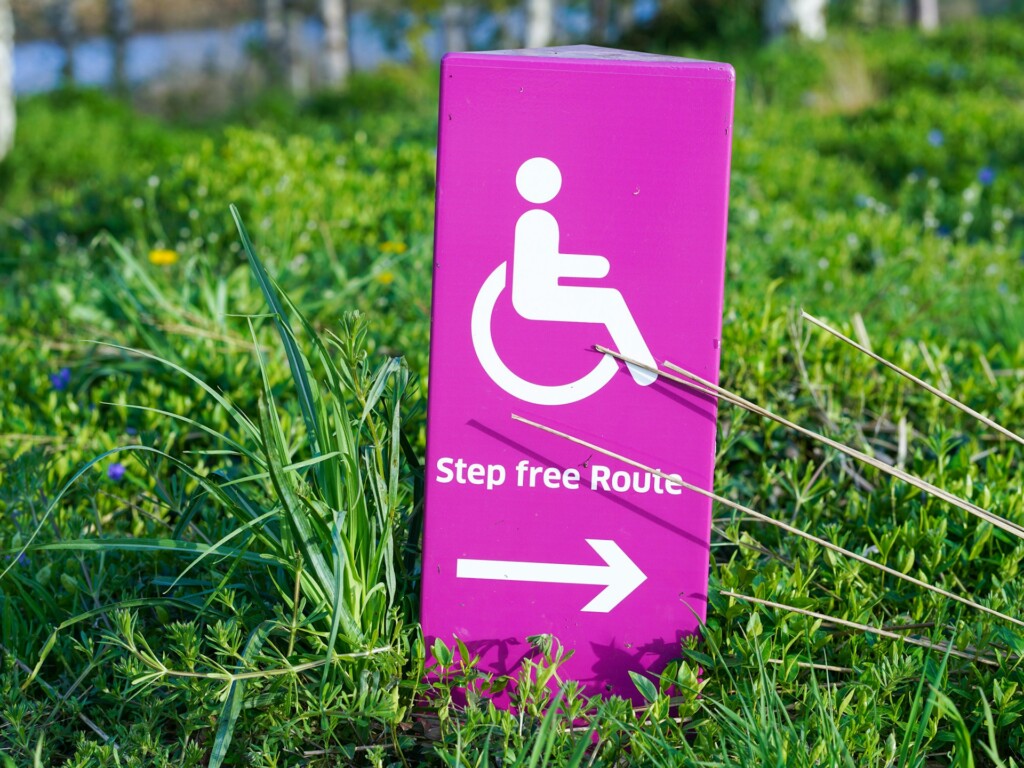
ADA-compliant construction in Houston requires a coordinated approach that integrates the Texas Accessibility Standards (TAS) with the 2010 ADA Standards for Accessible Design from project inception. We understand that successful accessibility compliance depends on early Texas Department of Licensing and Regulation (TDLR) plan filing, strategically timed reviews, and targeted field verification of critical elements. This framework helps prevent costly rework and supports smooth project delivery.
For comprehensive ADA construction support in Houston, including pre-construction reviews and TAS compliance coordination, contact EB3.