Austin nightclub construction demands a delicate balance between creating spaces that captivate guests and ensuring operational efficiency for busy staff. Every successful venue requires meticulous planning that addresses both aesthetic appeal and practical functionality.
Bar and nightclub construction in Austin encompasses comprehensive build-out processes spanning from initial shell spaces through complete venue transformations. We coordinate full-service projects including tenant improvements, remodels, and custom finishes designed specifically for hospitality operations, managing each phase from permitting and construction through final inspections and operational turnover.
Which Build-Out Services Does EB3 Construction Handle For Bars And Nightclubs?
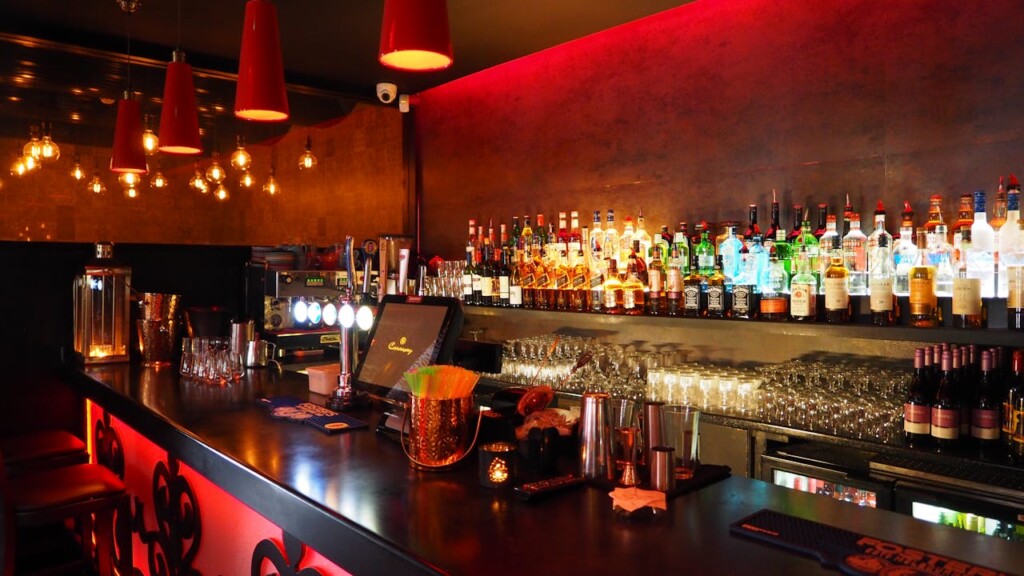
We manage comprehensive full-service build-outs that transform spaces from shell condition to operational venues. Our tenant improvements cover everything from structural modifications to finish-out work tailored for nightclub and bar operations.
Custom millwork forms a core component of our bar construction services. We fabricate and install bar tops, back bar displays, and service counters that align with your brand vision. Our millwork extends to built-in seating areas, decorative wall treatments, and specialized storage solutions designed for high-volume operations.
MEP Installation And System Integration
Mechanical, electrical, and plumbing coordination ensures your venue operates reliably from opening night forward. We handle electrical installations for lighting systems, sound equipment, and refrigeration units. Our plumbing work includes service sinks, ice wells, and drainage systems required for bars and beverage operations.
HVAC system design accounts for crowd density and equipment heat loads typical in nightclub environments. We coordinate ventilation requirements with local health regulations while ensuring guest comfort throughout different zones. Fire suppression systems integrate seamlessly with sprinkler layouts and emergency egress requirements.
Regulatory Compliance And Project Coordination
Code compliance oversight keeps projects moving through municipal approval processes without delays. We manage permitting applications for building modifications, occupancy changes, and health department approvals. Our team coordinates inspections from rough-in stages through final walkthrough.
Construction management using critical path scheduling maintains project momentum across all trades. We sequence work to optimize efficiency while meeting key milestones for equipment installation and finish work. Value engineering identifies opportunities to reduce costs without compromising operational functionality or design quality.
Design-build delivery streamlines coordination between architects, engineers, and construction teams under unified project management. This approach reduces communication gaps and accelerates decision-making throughout the construction process. Project planning and budgeting services provide clear cost visibility from initial estimates through project completion.
How Do Design And Operations Come Together In Austin Hospitality Spaces?
The front-of-house experience relies on spaces that invite guests to settle in and stay longer. We design dining areas and lounge sections that balance comfort with brand identity, using materials and layouts that reflect each venue’s personality. Seating arrangements accommodate different group sizes while maintaining clear pathways for staff movement.
Back-of-house functionality drives the speed and efficiency that Austin’s nightlife demands. Kitchen and bar layouts prioritize workflow between prep areas, service stations, and storage zones. We position equipment and workstations to minimize steps and reduce bottlenecks during peak hours.
Warehouse-To-Venue Transformations
Many Austin hospitality projects start with raw industrial spaces that we transform into welcoming venues. These warehouse remodels often feature exposed structural elements paired with warm materials like reclaimed wood and weathered metals. The industrial bones provide high ceilings and open floor plans that work well for both intimate seating areas and larger dance floors.
Low-key material selections create the relaxed atmosphere that fits Austin’s culture. We incorporate natural textures and subdued color palettes that let the energy of the space come from the guests rather than overwhelming design elements. These choices also age well under heavy use, maintaining their appeal over time.
Bar Design That Supports Service
Curved and linear back bars define the visual focal point while organizing bottle storage and equipment placement. Long bar configurations accommodate multiple bartenders during busy periods, with strategic spacing for ice wells, glass storage, and prep areas. The design allows staff to work efficiently while maintaining guest interaction.
Bar layouts integrate functional zones for different tasks – cocktail mixing, beer service, and payment processing. We position these elements to support natural workflow patterns while creating visual interest through varied heights and materials. Glass railings and metal accents add modern touches without interfering with operations.
Lighting Concepts That Enhance Experience
LED accent lighting creates atmosphere without the heat and maintenance issues of traditional systems. We use programmable systems that adjust color temperature and intensity throughout the evening, supporting both dinner service and late-night energy. Feature walls with integrated lighting become focal points that define different zones within larger spaces.
Layered lighting approaches combine ambient illumination with task-specific fixtures. Dance floor areas receive dynamic lighting that can shift with music and energy levels. Dining sections get warmer, more intimate lighting that enhances conversation. Bar areas use directed lighting that highlights bottles and work surfaces while flattering guests.
Strategic placement ensures clear sightlines between service areas and guest spaces. Staff can monitor all sections while guests feel connected to the venue’s energy. This balance of functionality and ambiance supports both operational efficiency and the social atmosphere that keeps customers returning.
What Helps Streamline Permitting, Code Compliance, And Inspections?
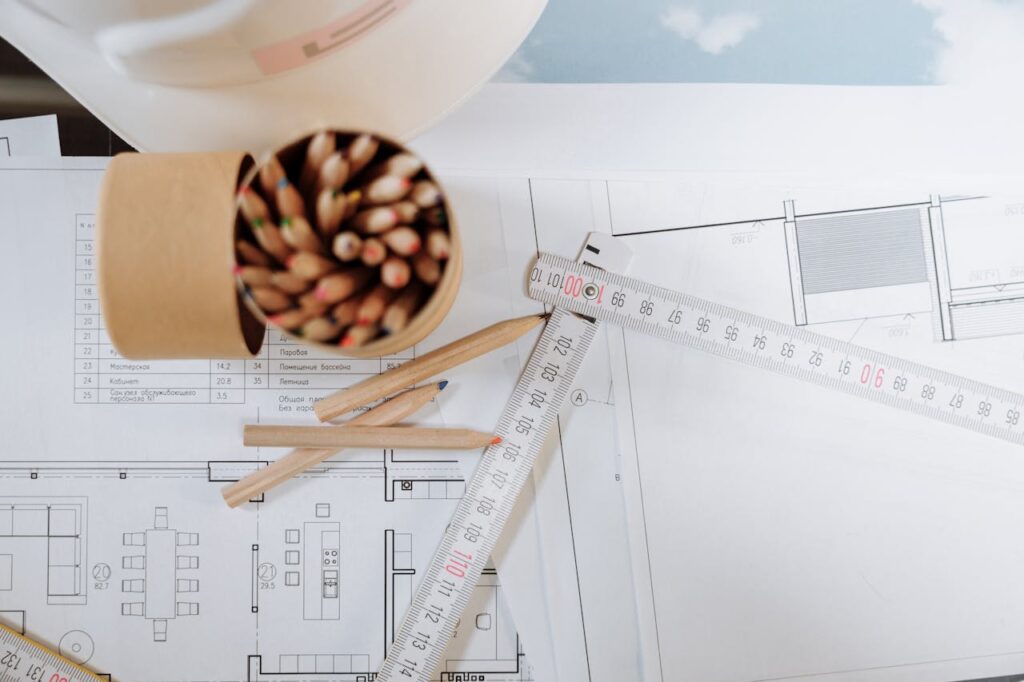
Efficient permitting and compliance management separates successful hospitality projects from those stuck in red tape. We approach each Austin bar and nightclub build-out with a structured process that keeps approvals moving forward while maintaining safety standards.
Early Project Planning And Budget Consulting
Project planning begins before the first permit application hits the review desk. We establish realistic timelines by mapping permit requirements against actual construction sequences. Budget consulting includes permitting fees, potential review cycles, and contingency time for regulatory feedback.
Clear communication with local authorities during pre-application meetings helps identify potential issues before formal submission. This early engagement often reveals site-specific requirements or code interpretations that affect both schedule and cost projections.
MEP Coordination For Faster Approvals
Coordinating mechanical, electrical, and plumbing systems early prevents the rework that typically delays inspections. We work with MEP engineers to ensure HVAC load calculations match occupancy requirements and electrical panel schedules align with equipment needs. Proper coordination means fewer plan revisions during the review process.
Early MEP planning also addresses fire suppression requirements, kitchen ventilation codes, and accessibility compliance. When these systems integrate smoothly with architectural plans, reviewers spend less time identifying conflicts and more time moving applications forward.
Ongoing Code Compliance And Health Regulation Management
Code compliance extends beyond initial approvals into daily construction activities. We maintain compliance checklists that track requirements from rough-in stages through final occupancy permits. Health regulations for food service areas receive particular attention, including proper drainage, ventilation, and surface materials.
Regular coordination with building inspectors helps address questions before they become stop-work orders. Documentation of compliance measures supports smooth inspection schedules and reduces the likelihood of failed inspections that delay project completion.
Construction Management With Critical Path Scheduling
Critical path scheduling clarifies which activities directly affect final completion dates, helping prioritize inspection coordination. We map inspection milestones against construction sequences, ensuring work progresses in logical order from foundation through mechanical rough-ins to final finishes.
Construction management integrates permit requirements into daily work planning. This approach prevents situations where completed work must be uncovered for delayed inspections or where inspection failures create cascading schedule delays.
Value Engineering For Budget Alignment
Value engineering balances design intent with budget constraints while maintaining code compliance. We evaluate material selections, construction methods, and system specifications to identify cost savings that don’t compromise performance or safety requirements.
This process often reveals opportunities to exceed minimum code requirements in cost-effective ways, such as upgraded electrical systems that support future equipment additions or enhanced HVAC designs that improve energy efficiency and occupant comfort.
How Can Remodels And Maintenance Reduce Downtime For Active Venues?
Hospitality venues face constant wear from high-volume operations. When a successful nightclub needs updates or repairs, closing doors means immediate revenue loss and customer disruption. We address this challenge by structuring remodels and maintenance around your operating schedule.
Off-hour renovation becomes essential when venues cannot afford operational shutdowns. We schedule intensive work like flooring replacement, lighting upgrades, and sound system installations during closed periods. This approach allows bars and nightclubs to serve customers every night while systematic improvements happen behind the scenes.
Emergency response capabilities protect venues from extended closures after unexpected events. Storm damage, flooding, or equipment failures require immediate attention to prevent prolonged downtime. We maintain emergency protocols that mobilize crews quickly, assess damage, and implement temporary solutions to restore basic operations while comprehensive repairs take place.
Service and warranty calls maintain existing systems without disrupting business flow. Regular maintenance on HVAC systems, kitchen equipment, and electrical components prevents larger failures that could force unexpected closures. We coordinate these routine services during slow periods or between operating shifts.
Phased construction breaks larger remodels into manageable sections that preserve operational capacity. A venue might update its bar area while keeping dining sections open, then reverse the process. This staged approach extends project timelines but maintains cash flow throughout the renovation period.
Targeted finish upgrades refresh spaces without full-scale construction disruption. Updating paint, replacing worn fixtures, or installing new decorative elements can transform venue aesthetics while requiring minimal operational interference. These selective improvements often deliver significant visual impact for modest investment and scheduling requirements.
Clear scheduling coordination balances construction needs with hospitality operations. We work with venue management to identify optimal work windows, coordinate material deliveries during off-peak hours, and sequence tasks to minimize noise and disruption during business operations. This planning ensures construction progress while protecting the guest experience that drives revenue.
Conclusion And Next Steps
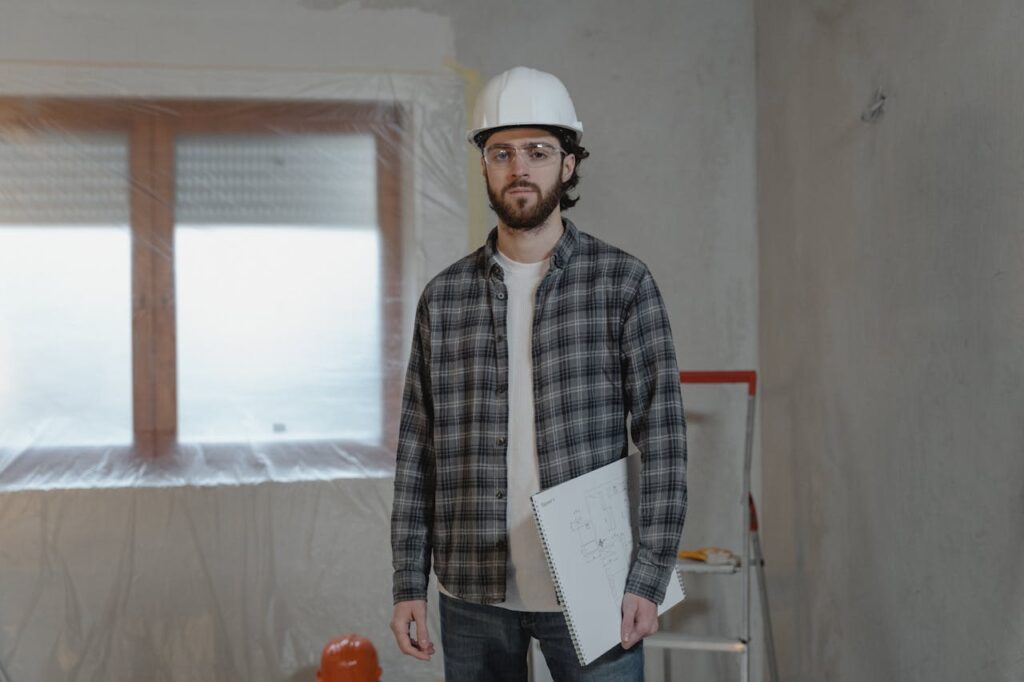
Successful bar and nightclub construction in Austin demands careful coordination across design, functionality, and compliance. The balance between creating inviting guest spaces and ensuring efficient operations drives every decision from initial planning through final inspections. We’ve found that projects succeed when brand-focused design aligns with practical operational needs while maintaining steady compliance with local building codes and health regulations.
Your next steps center on strategic preparation and professional coordination. Define your scope and budget early to establish realistic project parameters and timeline expectations. Align with experienced design partners who understand Austin’s hospitality market and can translate your brand vision into functional space planning. Plan MEP coordination from the start since mechanical, electrical, and plumbing systems form the backbone of reliable venue operations. Outline your permitting path to navigate Austin’s regulatory requirements efficiently while scheduling your build-out or renovation to minimize disruptions to your operational timeline.
Ready to move forward with your Austin bar or nightclub project? Contact EB3 Construction to discuss how we can deliver your hospitality vision on time and within budget.