Harris County issued over 17,000 building permits in 2024, with restaurant construction representing nearly 12% of commercial activity. Houston’s dining scene thrives because of flexible zoning laws that allow creative concepts to flourish alongside established chains. Low real estate costs compared to coastal markets give owners more budget flexibility for distinctive interiors and premium finishes.
The best restaurant contractors in Houston understand these advantages while navigating the unique permitting rhythms that can make or break opening schedules. We coordinate design development, kitchen systems integration, and construction sequencing to deliver spaces that meet health codes and operational demands. Restaurant construction success hinges on choosing partners who know Harris County inspection processes and can execute complex builds within tight timelines while maintaining the vision that sets each concept apart.
What Services Should A Houston Restaurant Contractor Provide?

Comprehensive restaurant contractors manage every phase of construction to keep projects on schedule and within budget. Site assessment forms the foundation of successful builds, examining traffic patterns, accessibility, zoning compliance, and local demographics that influence operational success.
Design and architecture services integrate guest flow optimization with back-of-house efficiency requirements. We coordinate fire safety systems, accessibility features, and Houston’s specific code compliance needs while maintaining the restaurant’s brand vision.
Construction And Project Management
Effective project management coordinates scheduling, subcontractor workflows, procurement timelines, and cost tracking throughout the build process. Ground-up construction and restaurant build-out services handle structural modifications, finish installations, and speed-to-market delivery that restaurant owners require.
MEP and HVAC integration addresses kitchen utility demands, ventilation requirements, electrical load calculations, and drainage systems specific to commercial food service operations. Kitchen planning encompasses station layouts, storage solutions, and equipment commissioning to ensure operational readiness at opening.
Permits And Compliance Management
Construction permits, zoning approvals, health permits, and safety certifications require coordination with Houston and Harris County inspection schedules. We navigate local permitting timelines to prevent delays that impact opening dates.
Restaurant remodels and brand refreshes occur approximately every five to seven years as concepts evolve and equipment reaches replacement cycles. Facility maintenance and ADA upgrades ensure ongoing compliance and accessibility standards throughout the restaurant’s operational life.
Interior design support includes material selection, lighting design, furniture coordination, and brand-aligned ambiance creation. These services help restaurant concepts translate their vision into spaces that enhance the guest experience while meeting operational requirements.
Which Build Approaches And Capabilities Matter Most In Houston?
Design-build delivery creates single-team alignment from concept through construction. We coordinate architects, engineers, and trades under one contract to reduce change orders and streamline decision-making throughout the process.
In-house specialty divisions for millwork and drywall provide tighter quality control and schedule coordination. When we manage these trades directly, we eliminate vendor coordination delays and maintain consistent craftsmanship standards across custom elements.
Restaurant-Specific Technical Expertise
Kitchen utility demands require specialized knowledge of commercial equipment loads, grease management, and ventilation systems. We sequence MEP installations to support heavy equipment delivery and commissioning without disrupting other trades.
Service access planning ensures smooth operations once doors open. We design pathways for delivery trucks, waste removal, and equipment maintenance that don’t interfere with guest areas or create bottlenecks during peak service hours.
Operational compliance covers health department requirements, fire safety systems, and ADA accessibility from the ground up. We integrate these elements during design rather than retrofitting them later.
Scalability And Multi-Site Capabilities
Single-location concepts need flexibility for future growth or concept evolution. We build adaptable infrastructure that can accommodate menu changes or service model shifts without major reconstruction.
Multi-site QSR rollouts demand strict adherence to brand standards while adapting to local building codes and site conditions. We develop prototype modifications that maintain brand consistency across different municipalities and property types.
Franchise locations require precise execution of corporate specifications. We work with brand representatives to ensure every detail meets franchise standards while managing local permitting and inspection requirements.
Sustainability And Material Selection
Green-restaurant certifications provide community recognition and operational savings through energy-efficient systems. We incorporate LED lighting, efficient HVAC, and sustainable materials that reduce long-term operating costs.
Industrial chic elements like exposed ceilings, steel accents, and concrete floors create character while simplifying construction and maintenance. These finishes withstand heavy use and complement Houston’s urban aesthetic.
Reclaimed wood and recycled materials tell brand stories while supporting sustainability goals. We source materials that meet durability requirements for high-traffic restaurant environments.
Complex Venue Expertise
Airport terminal restaurants require precise logistics coordination with TSA, airlines, and terminal operations. We manage restricted access hours, security clearances, and specialized equipment delivery through secure areas.
Adaptive reuse builds transform existing structures while preserving character elements. We evaluate structural capacity, update utilities to restaurant standards, and integrate new systems without compromising historical features.
Mixed-use developments need careful coordination with other tenants and building management. We schedule construction activities to minimize disruption while meeting restaurant opening deadlines.
What Do Recent Houston Restaurant Projects Reveal About Design And Delivery?

We see Houston restaurant owners making bold choices that blend functionality with memorable design. Recent local projects showcase features that maximize guest impact while addressing the city’s unique challenges around thermal comfort and brand differentiation.
Guest-Facing Design Elements That Command Attention
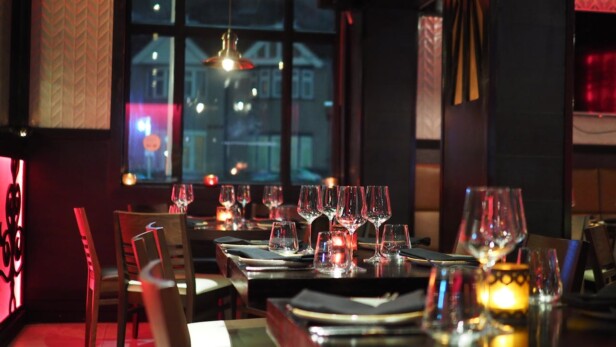
Twenty-foot windows dominate several recent builds, flooding dining spaces with natural light while creating visual connections to Houston’s streetscape. U-shaped bars with quartz tops anchor many concepts, offering durable surfaces that handle heavy service while maintaining an upscale appearance. Glass-enclosed kitchens have gained popularity as owners recognize their dual function: showcasing culinary craft while meeting transparency expectations from today’s diners.
Pendant and globe lighting creates layered illumination that adapts throughout service periods. These fixtures serve as both functional lighting design elements and decorative focal points that reinforce brand identity.
Material Selections That Build Character
Reclaimed wood floors provide warmth and authenticity that resonates with Houston’s diverse dining clientele. We coordinate installation of these materials early in construction schedules to allow proper acclimation in the local climate. Plaster-washed brick and exposed white brick surfaces offer textural contrast while maintaining the industrial character many concepts seek.
Patterned tiles appear frequently in recent projects, particularly in bar areas and transition zones where material selection can define different functional spaces within open floor plans. These tile patterns create visual interest without overwhelming the dining experience.
Style Diversity Across Local Projects
Industrial chic elements dominate many builds, featuring exposed ceilings paired with brass accents that create sophisticated contrast. We see owners gravitating toward this approach because it offers design flexibility while working within existing structural limitations of retrofit spaces.
French baroque influences appear in upscale concepts where antique elements and rich textures support higher price points. These projects require careful coordination between our team and specialty suppliers to source authentic materials and finishes.
Performance Features For Houston’s Climate
Cedar louvers and exposed trusses serve dual purposes in recent projects, providing architectural interest while managing thermal comfort challenges. Shaded exteriors have become essential elements, extending usable dining seasons despite Houston’s intense summer heat.
We integrate these performance features during early design phases to ensure proper structural support and mechanical coordination. Material selection for exterior elements requires careful attention to humidity resistance and UV stability.
Brand Storytelling Through Physical Elements
Curated vintage pieces, regional woods, and recycled materials help restaurant concepts communicate their values and origins. One recent project incorporated salvaged materials from a demolished Houston warehouse, creating authentic connections to local history while supporting sustainability goals.
Statement elements like sculptural ceilings and central bars function as anchoring features that guide guest flow and create memorable experiences. Bronze star arrays and similar custom installations require specialized fabrication and installation expertise that we coordinate through established local artisan networks.
Sustainability And Recognition Opportunities
Green restaurant certifications have gained traction among Houston owners seeking community recognition and operational cost benefits. These projects incorporate energy-efficient lighting, locally sourced materials, and waste reduction systems that align with broader environmental initiatives.
We work with owners to identify certification pathways early in design development, ensuring construction methods and material selections support their sustainability goals while maintaining budget parameters and construction schedules.
How Should Owners Evaluate And Select A Contractor In Houston?
License verification forms the foundation of any contractor selection process. We confirm valid registrations with local boards and verify that permits remain current. Houston contractors must hold appropriate state and local licenses for commercial restaurant construction, and these credentials indicate compliance with building standards.
Past client references reveal how contractors handle real-world challenges. We ask previous restaurant owners about schedule adherence, budget management, and punch-list follow-through during final inspections. Quality contractors provide contact information for recent projects and encourage direct conversations about performance.
Competitive Bidding And Scope Analysis
Three competitive bids provide the baseline for cost comparison and scope evaluation. Each proposal should include identical work specifications to enable accurate analysis. We review line items for kitchen sequencing, ventilation installation, health code compliance measures, and ADA accessibility features.
Complete scope of work documentation prevents costly change orders during construction. Contractors who understand restaurant operations include back-of-house efficiency planning and equipment coordination in their initial proposals. Clear scope definitions protect both timeline and budget integrity.
Permitting Strategy And Harris County Requirements
Harris County inspections follow specific timelines that can affect restaurant opening dates. We evaluate each contractor’s permitting strategy and their familiarity with local inspection schedules. Experienced firms coordinate multiple permit types simultaneously to avoid construction delays.
Kitchen utility demands require specialized permitting knowledge for electrical loads, gas connections, and drainage systems. Contractors should demonstrate understanding of health department requirements and fire safety protocols specific to commercial kitchens. This expertise prevents costly rework during final inspections.
Delivery Methods And Cost Control Systems
Design-build delivery offers single-point accountability but requires different contractor capabilities than traditional bid-build approaches. We assess whether in-house specialties like millwork or electrical work align with project needs and quality expectations. Some contractors excel at fast-casual buildouts while others specialize in upscale dining environments.
Transparent cost control and reporting systems provide project visibility throughout construction. Regular budget updates and change order documentation help owners track expenses against original projections. We review contractors’ financial reporting processes and their approach to managing unforeseen conditions.
Portfolio Relevance And Lifecycle Planning
Restaurant-specific portfolio experience indicates understanding of operational requirements and industry standards. QSR rollouts demand different expertise than adaptive reuse projects or airport terminal restaurants. We evaluate past projects that match concept complexity and budget parameters.
Lifecycle planning addresses the reality that restaurants typically require major refreshes every 5-7 years. Contractors who understand brand evolution and renovation cycles can design initial construction to accommodate future updates. This foresight reduces long-term maintenance costs and supports business growth strategies.
Conclusion And Next Steps
Houston’s regulatory environment and competitive real estate market create opportunities for restaurant concepts that might struggle in other markets. Success depends on selecting a contractor with demonstrated restaurant experience, local permitting expertise, and the right delivery approach for your specific concept. We’ve seen projects succeed when owners focus on portfolio review rather than just price comparison, ensuring their chosen partner understands kitchen workflow demands and health code compliance requirements.
Start by creating a shortlist of contractors with verified restaurant work in Houston. Confirm all necessary licenses and gather three detailed competitive bids that include identical scope elements. Align your delivery method selection with project timeline constraints and risk tolerance, whether that means design-build integration or traditional approaches. Plan for operational lifecycle requirements, including the typical 5-7 year refresh cycles that keep dining spaces competitive and aligned with evolving brand standards.
Contact EB3 Construction to discuss your Houston restaurant construction project with experienced professionals who understand local requirements.