Commercial construction in Hurst, TX creates opportunities for businesses to expand their footprint, modernize facilities, and increase property value. Local companies benefit from Hurst’s strategic location in the Dallas-Fort Worth metroplex, with access to major transportation corridors and a strong business environment. The local market supports diverse construction needs across sectors.
We handle comprehensive commercial construction across North Texas, serving businesses in Tarrant County, Dallas County, Collin County, Denton County, Rockwall County, and Grayson County. Our approach covers everything from ground-up builds and tenant finish-outs to major renovations, delivering full-service solutions that align with your operational goals and growth timeline.
Which Commercial Project Types Are Common In Hurst, TX?
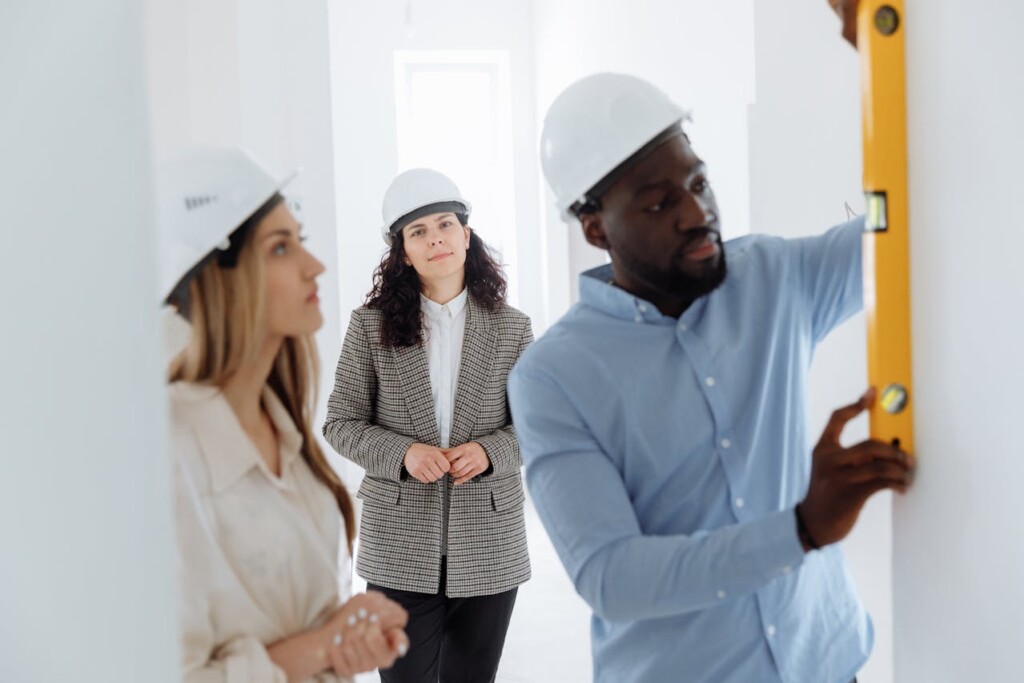
Hurst businesses actively pursue office build-outs to create productive workspaces that support company operations. Interior build-outs transform raw commercial space into functional offices with proper layouts, electrical systems, and technology infrastructure. We design these spaces around workflow patterns and team collaboration needs.
Tenant improvements represent another significant project category in Hurst commercial construction. These modifications adapt existing spaces to meet specific business requirements. Companies relocating or expanding often need them to match their operational standards and brand identity.
Retail construction projects focus heavily on customer experience and brand presentation. Storefront design plays a critical role in attracting foot traffic and creating memorable shopping environments. We coordinate lighting, flooring, display areas, and checkout systems to maximize functionality and visual appeal.
Warehouse and industrial facilities emphasize operational efficiency and long-term durability. Distribution centers require specialized loading dock configurations, climate control systems, and security measures. These projects demand careful attention to traffic flow and equipment placement to support logistics operations.
Healthcare facilities present unique construction challenges due to strict compliance requirements and patient safety standards. Medical offices need specialized HVAC systems, medical gas installations, and accessibility features that exceed standard building codes. We coordinate closely with healthcare planners to ensure all regulatory requirements are met.
Educational and training facilities support learning environments through thoughtful space design. Training centers require flexible room configurations, advanced technology integration, and acoustic considerations. These projects often include specialized equipment installations and safety systems tailored to educational activities.
Hospitality and recreational projects target guest satisfaction through amenity-focused design. Fitness centers need specialized flooring, ventilation systems, and equipment mounting capabilities. We coordinate mechanical systems and interior finishes to create inviting environments that encourage return visits.
Multifamily residential construction has grown significantly across the North Texas region. Recent construction outlook data shows multifamily residential projects leading development activity in many Texas markets. Apartment buildings require complex coordination of residential units, common areas, and building systems.
Mixed-use developments combine residential, retail, and office components in single projects. These developments create integrated communities where people can live, work, and shop within the same property. We coordinate different building systems and code requirements across multiple occupancy types to deliver cohesive mixed-use facilities.
How Does Design And Permitting Work For Hurst Commercial Projects?
We use a design-build approach that streamlines the entire process, from initial concept to final construction documents. This integrated method allows our in-house design team to coordinate directly with construction planning, keeping budgets predictable and ensuring every design decision supports your business objectives. Our designers work closely with engineers and trade specialists from the start, which helps eliminate the disconnects that often occur when design and construction are handled separately.
The design-build process begins with a clear understanding of your functional requirements and operational goals. We develop conceptual designs that address workflow patterns, customer experience, and future growth needs. Our team then refines these concepts into detailed construction documents that meet local building codes and zoning requirements. This collaborative approach reduces revision cycles and helps maintain project timelines while keeping all stakeholders aligned throughout the planning phase.
Working With Local Zoning Authorities
Understanding and complying with Hurst’s zoning requirements calls for knowledge of both city-specific regulations and broader Tarrant County guidelines. We coordinate with local planning departments early in the design process to confirm that proposed uses align with current zoning classifications. Our team reviews setback requirements, parking ratios, and height restrictions to ensure compliance before finalizing design concepts. This proactive approach helps prevent costly redesigns that can occur when zoning issues surface late in the process.
When projects require zoning variances or special use permits, we prepare the necessary documentation and coordinate with city planning staff to facilitate approvals. Our experience with Hurst’s planning processes helps identify potential concerns before they become roadblocks. We work directly with city officials to address questions about traffic impact, drainage requirements, or architectural compatibility with surrounding developments.
Managing Permitting Requirements
The permitting process involves multiple city departments, each with specific review criteria and timelines. We prepare comprehensive permit packages that include architectural drawings, structural calculations, MEP systems, and site plans. Our documentation addresses building codes, accessibility standards, fire safety requirements, and energy efficiency mandates. Complete submittal packages help reduce review times and minimize the need for multiple revision cycles.
We track permit applications through each review stage and maintain communication with plan reviewers to address questions promptly. Our team coordinates with specialty consultants when projects require environmental assessments, traffic studies, or geotechnical reports. This systematic approach ensures that all permit conditions are satisfied before construction begins, preventing work stoppages or compliance issues during the build phase.
Texas accessibility standards and local building codes require careful attention to detail in both design and documentation. We ensure that all plans meet current code requirements and include the necessary engineering calculations and specifications. Our construction documents provide clear direction for builders while satisfying the technical requirements that permit reviewers require to approve projects.
Integration With Existing Spaces
Many Hurst commercial projects involve renovating or expanding existing buildings, requiring careful coordination between new and existing building systems. We conduct thorough assessments of structural capacity, electrical systems, and mechanical infrastructure to determine how new work will integrate with current conditions. Our design approach considers both immediate project needs and long-term building performance to ensure that modifications enhance rather than compromise overall functionality.
Code compliance becomes particularly important when connecting new construction to existing spaces. We verify that renovated areas meet current accessibility standards and that updated systems comply with modern building codes. Our construction documents clearly delineate the interface between new and existing work, providing contractors with precise instructions for maintaining structural integrity and system compatibility throughout the construction process.
How Are Schedules, Communication, And Changes Managed During Construction?
Commercial construction timelines in Hurst reflect project complexity and scope. Simple tenant improvements typically require three to six months, while comprehensive office build-outs span six to twelve months. Ground-up construction projects can extend beyond a year, depending on size and regulatory requirements.
We coordinate scheduling through comprehensive project management platforms that track every phase, from sitework to final inspections. Our scheduling approach accounts for permit approval timelines, material delivery windows, and subcontractor coordination across multiple trades.
Real-Time Project Management Systems
Project management software is central to our construction coordination process. These platforms generate automated progress logs that capture daily activities, material deliveries, and milestone completion. Weekly photo documentation provides visual verification of work progression, helping identify potential issues before they impact schedules.
The centralized dashboard provides property owners and project stakeholders immediate access to updated schedules and progress metrics. This transparency reduces the need for frequent status meetings while ensuring everyone stays informed about critical project developments.
Digital scheduling charts display task dependencies and critical path elements that directly affect project completion dates. When weather delays concrete pours or permit approvals take longer than expected, the system automatically adjusts downstream activities to maintain the overall schedule.
Consistent Communication Protocols
We establish regular communication touchpoints from project kickoff through final walkthrough. Weekly progress calls address immediate concerns, review upcoming milestones, and coordinate subcontractor schedules. This consistent rhythm prevents small issues from escalating into costly delays.
Field teams report conditions and progress through mobile applications that sync directly with project management systems. Superintendents can flag potential conflicts, request clarifications, or notify the office team about unforeseen site conditions within minutes of discovery.
Documentation flows through standardized channels that maintain project records and support decision-making. Meeting minutes, change requests, and approval communications create an audit trail that protects all parties while facilitating quick issue resolution.
Managing Changes and Unforeseen Conditions
Construction projects inevitably encounter changes, from design modifications to unexpected site conditions. We manage change through structured processes that evaluate the impact on the schedule, budget, and quality standards before implementation.
When subsurface utilities differ from original plans or building codes require design adjustments, our team immediately assesses the scope of required modifications. The evaluation process considers material lead times, labor availability, and potential effects on other project phases.
Change orders follow documented approval workflows that include detailed cost analysis and revised timeline projections. This systematic approach prevents scope creep while ensuring all stakeholders understand the implications of requested modifications. Quality control measures remain consistent throughout the implementation of changes, maintaining construction standards regardless of project adjustments.
What Are Practical Next Steps For A Hurst Commercial Construction Project?
The first step is scheduling a consultation to define your vision, budget, and timeline. During this initial meeting, we examine your functional requirements and business objectives to establish a clear project roadmap. This consultation helps determine whether a ground-up build, renovation, or tenant finish-out best fits your operations.
Early alignment on project scope is critical. We work with you to align the construction approach to your functional goals, whether that means optimizing workflow efficiency in an office build-out or creating customer-focused layouts for retail spaces. Clear scope definition prevents scope creep and ensures the project delivers the specific outcomes your business requires.
Confirming Regulatory Requirements Early
Zoning verification and permitting requirements must be confirmed before design work progresses. We coordinate with local authorities to understand specific code requirements, permit timelines, and any special conditions that apply to your property. This early confirmation prevents delays later when construction documents are submitted for approval.
The permitting process varies by jurisdiction across North Texas. Cities often require different documentation and review processes (see this Texas commercial contractors guide), so understanding local requirements upfront saves time and reduces revision cycles. We handle coordination with building departments to ensure all documentation meets local standards.
Establishing Communication and Project Management
Communication touchpoints are planned from project kickoff to ensure consistent updates throughout construction. We establish regular review schedules that include progress reports, weekly photo updates, and access to project documentation. This systematic approach keeps all stakeholders informed and allows for quick decision-making when needed.
Photo updates and progress logs provide real-time visibility into the build. These updates help track milestones, identify potential issues early, and maintain transparency throughout the process. Documentation access ensures you can review plans, change orders, and project communications whenever needed.
EB3 Construction supports commercial projects across Hurst and neighboring North Texas communities, including Plano, Frisco, McKinney, Grapevine, The Colony, and Addison. Our regional presence allows us to understand local building requirements and maintain consistent project delivery standards throughout these markets.
Conclusion and Next Steps
Commercial construction in Hurst, TX, serves diverse business needs across multiple sectors. Office build-outs, retail construction, industrial facilities, healthcare spaces, educational projects, and hospitality developments all require specialized approaches. Mixed-use projects that blend residential and commercial elements continue to grow in the North Texas market.
The design-build process streamlines project delivery by coordinating planning, permitting, and construction under unified management. Clear scope definition, realistic budgeting, and thoughtful timeline planning form the foundation for successful scheduling. Early permit coordination with local authorities helps prevent delays and ensures compliance with zoning requirements and building codes.
Ready to start your commercial construction project in Hurst? Contact EB3 Construction to discuss your vision and next steps.