
A commercial general contractor in Pearland, TX coordinates every phase of construction projects from initial planning through final completion. We oversee project planning and budgeting, manage construction schedules, and ensure quality control across all building phases. Our role centers on delivering comprehensive construction solutions while maintaining cost control and timeline adherence.
We handle diverse project types including new construction, remodels, renovations, tenant improvements, and facility expansions across multiple market sectors. Our construction capabilities span office buildings, retail spaces, warehousing facilities, industrial complexes, multifamily housing, and senior living communities. We utilize various building methods including tilt wall construction, precast concrete systems, wood framing, pre-engineered metal buildings, and fabric-covered structures to meet specific project requirements and clear-span needs.
Which Delivery Methods And Core Services Are Available In Pearland?
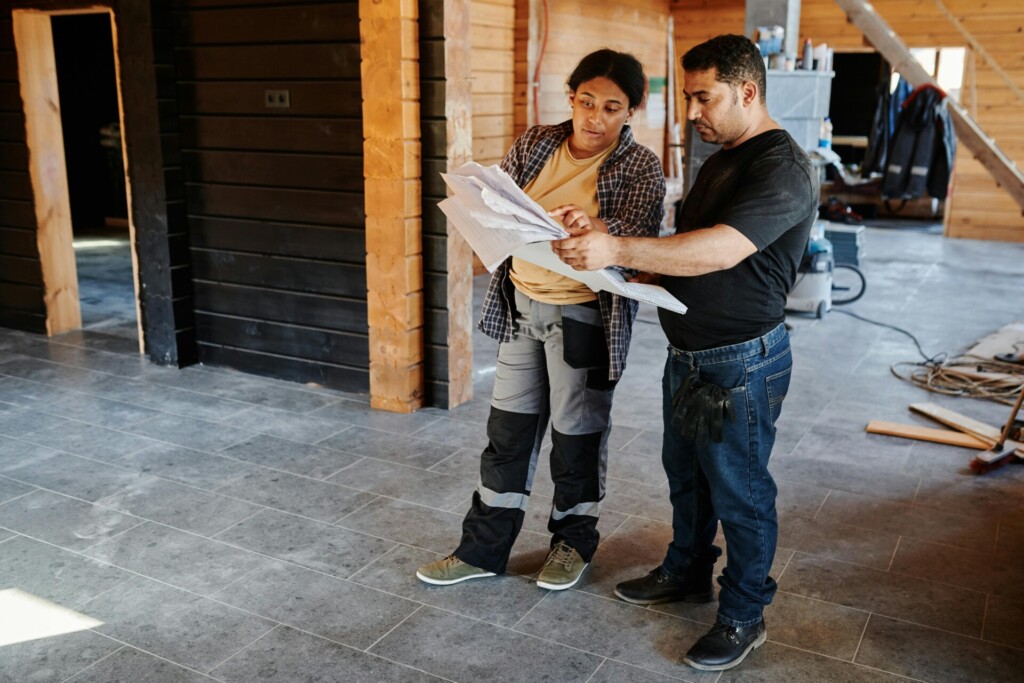
We approach Pearland projects through three primary delivery methods: general construction, design-build, and construction management. Each delivery method offers distinct advantages for project scheduling and cost control.
General construction provides traditional project delivery where we build from completed plans. Design-build combines design and construction teams under one contract, streamlining communication and reducing project timelines. Construction management positions us as your construction partner early in the process, helping control costs through guaranteed maximum pricing and detailed pre-construction planning.
Pre-Construction Services
Pre-construction services establish the foundation for successful project delivery. We begin with comprehensive project planning and budgeting to align construction costs with your financial goals. Our team develops critical path scheduling that identifies key milestones and coordinates trade sequencing to minimize delays.
Value engineering analysis helps identify cost-saving opportunities without compromising quality or functionality. We review material selections, construction methods, and design elements to optimize both initial costs and long-term maintenance requirements. This process often reveals ways to enhance project value while staying within budget constraints.
Construction Phase Management
During construction, we maintain rigorous quality assurance protocols and safety standards. Schedule control ensures that project milestones align with your occupancy requirements. Our field supervision coordinates trade activities and monitors compliance with building codes and project specifications.
Cost planning continues throughout construction with regular budget tracking and change order management. We provide transparent reporting on project costs and schedule progress to keep stakeholders informed throughout the build process.
Post-Construction Services
Post-construction support extends beyond project completion to ensure long-term building performance. We provide comprehensive project closeout documentation, including warranties, operations manuals, and maintenance schedules. Our team coordinates final inspections and occupancy permits to facilitate smooth project turnover.
Ongoing facility solutions and maintenance programs help protect your investment. These services include preventative maintenance scheduling, emergency repairs, and building system monitoring. Regular facility assessments identify potential issues before they become costly problems.
Project Type Capabilities
We handle diverse project types across Pearland’s commercial market. New construction projects range from ground-up office buildings to industrial facilities. Remodels and renovations update existing spaces to meet current business needs while maintaining operational continuity.
Tenant improvements and build-outs transform raw commercial space into functional work environments. Expansion projects add capacity to existing facilities through strategic additions or space reconfiguration. Each project type requires specific expertise in permitting, code compliance, and construction sequencing.
Which Markets And Building Types Are Common In Pearland?
Pearland’s commercial landscape spans four primary market sectors that define the city’s construction activity. Each sector requires distinct building approaches to meet operational demands and regulatory requirements.
Office Construction Markets
Office construction Pearland encompasses corporate headquarters, multi-tenant facilities, and specialized professional spaces. Corporate clients often seek Class A builds with modern amenities and flexible floor plans. Multi-tenant developments accommodate various business sizes within shared structures.
Financial institutions require secure environments with specialized technology infrastructure. Healthcare and dental facilities need code-compliant layouts for patient flow and medical equipment. These projects typically integrate advanced HVAC systems and specialized electrical configurations.
Warehousing And Industrial Facilities
Industrial construction Pearland covers distribution centers, manufacturing facilities, and specialized processing operations. Distribution centers demand high ceilings, extensive loading docks, and efficient traffic flow patterns. Manufacturing facilities require heavy-duty foundations and industrial-grade utilities.
Waste and recycling operations need specialized containment systems and environmental controls. Food processing facilities must meet stringent health codes with washable surfaces and temperature controls. Energy sector projects often involve complex safety systems and specialized equipment housing.
Service And Retail Development
Retail construction Pearland includes diverse commercial formats from standalone buildings to strip malls. Car wash facilities require specialized drainage and chemical-resistant materials. Convenience stores need efficient customer flow and security considerations.
Hotels demand complex MEP systems for guest comfort and operational efficiency. Self storage facilities require climate control and security infrastructure. Child care facilities must meet strict safety codes with specialized layouts for different age groups. Restaurants need commercial kitchen infrastructure with grease management systems.
Automotive and aviation facilities require specialized floor loading and equipment access. Strip malls coordinate multiple tenant spaces with shared utilities and parking solutions.
Multifamily And Senior Housing
Multifamily construction addresses market-rate, affordable, and mixed-use developments. Market-rate projects focus on amenities and efficient unit layouts. Affordable housing projects balance cost control with quality standards and regulatory compliance.
Mixed-use developments combine residential units with commercial spaces in integrated designs. Senior housing encompasses independent active living, assisted living, and memory care facilities. Each category requires specific accessibility features and support infrastructure.
Common Building Approaches
Tilt wall construction provides cost-effective solutions for warehouses and retail spaces. Precast concrete offers durability and speed for industrial and office projects. Wood framing remains popular for multifamily developments and smaller commercial buildings.
Pre-engineered metal buildings serve manufacturing and distribution needs with clear-span capabilities. These structures accommodate large equipment and provide flexible interior spaces. Tensioned membrane fabric buildings offer lightweight solutions for aviation hangars and recreational facilities.
| Market Sector | Building Types | Construction Methods |
|---|---|---|
| Office Construction | Corporate Headquarters, Multi-tenant Facilities, Financial Institutions, Healthcare Facilities | Advanced HVAC Systems, Specialized Electrical Configurations |
| Industrial Facilities | Distribution Centers, Manufacturing Facilities, Waste Operations | Tilt Wall Construction, Precast Concrete Systems |
| Service and Retail Development | Strip Malls, Hotels, Self Storage, Restaurants | Commercial Kitchen Infra, MEP Systems, Security Infrastructure |
| Multifamily and Senior Housing | Market-rate Developments, Affordable Housing, Senior Housing | Wood Framing, Mixed-use Designs, Accessibility Features |
Construction feasibility varies by market sector and site conditions. We evaluate soil conditions, utility access, and zoning requirements to determine optimal building approaches. Each project receives customized structural and systems design to meet operational requirements.
How Do Tenant Improvements And Renovations Typically Proceed?
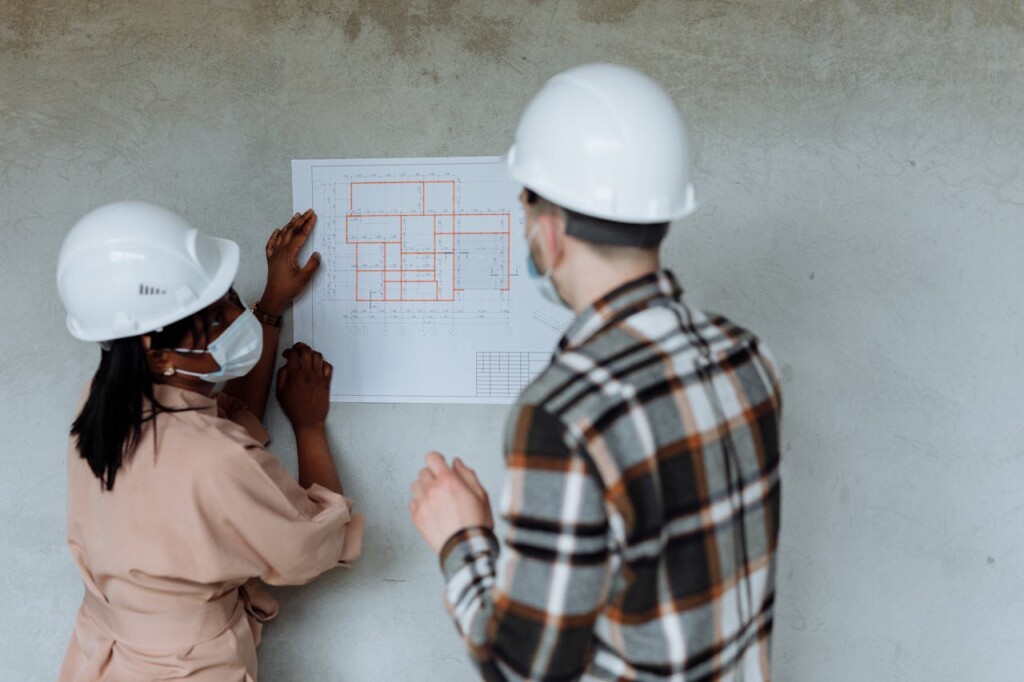
We approach tenant improvements in Pearland through organized phases that control costs and timeline while managing code compliance throughout construction. The process begins with comprehensive planning and budgeting to establish project scope and financial parameters before moving into coordinated pre-construction activities.
Planning And Pre-Construction Coordination
Our initial phase focuses on detailed site assessment and tenant requirement analysis to establish realistic project parameters. We coordinate with building engineers to understand existing systems and structural limitations that affect the improvement scope. Pre-construction meetings align all stakeholders on design intent, schedule milestones, and budget allocations before construction mobilization.
During pre-construction, we develop comprehensive design documents that address local code requirements and permit submissions. Our team coordinates with architects and engineers to ensure designs meet both tenant operational needs and building compliance standards. This coordination prevents costly revisions during construction and maintains project momentum.
Interior Build-Out Scopes
Interior tenant build-outs typically encompass space planning modifications, finish installations, and system upgrades to meet specific operational requirements. We coordinate flooring installations including commercial-grade carpet, luxury vinyl tile, polished concrete, and specialized surfaces based on use requirements. Paint applications range from standard commercial finishes to specialized coatings for industrial or healthcare environments.
Office and shared area upgrades often involve partition installation, ceiling modifications, and lighting system updates to create functional workspace layouts. We manage electrical panel upgrades, data infrastructure installation, and HVAC zone modifications to support modern office operations. Conference rooms and break areas require coordinated mechanical, electrical, and architectural work to integrate properly with existing building systems.
Exterior Renovation Components
Exterior renovation scopes address building envelope maintenance and aesthetic improvements that protect long-term asset value. Siding replacement projects involve material selection, weather barrier installation, and coordination with existing structural elements. We coordinate carpentry work for trim replacement, door and window modifications, and structural repairs that maintain building integrity.
Full exterior repaints require surface preparation, primer application, and protective coating systems that withstand local climate conditions. Roofing work ranges from minor repairs to complete membrane replacement, coordinated with interior construction to prevent weather-related delays. Parking surface repairs include asphalt patching, sealcoating, and striping to maintain safe vehicle access throughout the construction period.
Trade Coordination And Timeline Management
We coordinate multiple specialty trades through critical path scheduling that prevents conflicts and maintains project flow. Drywall installation follows mechanical rough-in work and requires coordination with electrical and plumbing trades for proper system integration. Painting contractors work in sequence after drywall completion and coordinate with flooring installers to achieve proper finish quality.
Concrete work includes both structural repairs and decorative applications that require specific curing periods and environmental controls. Roofing trades coordinate closely with interior work to prevent weather exposure and maintain construction quality. Our timeline management ensures each trade has adequate access and completion windows while meeting overall project deadlines.
Code compliance verification occurs throughout construction phases rather than only at project completion. We coordinate regular inspections with local authorities to address requirements as work progresses. Quality checks include material verification, installation standards review, and system testing to ensure all work meets specification requirements and operational standards.
Post-Construction Support And Maintenance
After project turnover, we coordinate ongoing facility services and preventative maintenance programs that protect the construction investment. Our post-construction support includes warranty coordination, system maintenance scheduling, and rapid response for any operational issues. Preventative maintenance programs address HVAC system servicing, roof inspections, and exterior maintenance that extends asset life and prevents costly emergency repairs.
What Does A Pearland Project Snapshot Look Like?
The Kimley-Horn Pearland project demonstrates how we manage focused corporate interior renovations. This Class A office renovation covered 5,556 square feet and required a 10-week schedule to complete the scope.
Project Scale And Timeline
The project involved interior demolition followed by comprehensive renovation work. We coordinated the removal of existing finishes before installing new materials throughout the space. The 10-week timeline allowed us to sequence trades efficiently while maintaining quality standards.
Square footage around 5,500 represents a common scale for corporate interior projects in Pearland. This size provides enough scope for meaningful transformation while keeping the project manageable from a scheduling perspective.
Scope Focus Areas
Work centered on creating a refreshed reception area that establishes the company’s professional image. We managed the demolition phase to protect structural elements while removing outdated finishes. New interior finishes were selected to enhance both functionality and visual appeal.
The office area renovation included updated flooring, paint, and fixtures throughout the workspace. We coordinated electrical and mechanical updates to support modern office requirements. Quality control checkpoints ensured all installations met Class A standards.
Schedule Management And Milestones
The 10-week timeline followed defined milestones that tracked progress through each phase. We started with demolition activities that required careful coordination to avoid disrupting adjacent tenant spaces. Pre-construction planning identified potential conflicts and established clear work sequences.
Critical path scheduling kept the project on track despite the compressed timeline. We managed material deliveries to align with installation schedules and minimize storage requirements on site. Regular milestone reviews allowed us to address any adjustments quickly.
Conclusion and Next Steps

Pearland commercial general contractors coordinate diverse delivery methods including design-build and construction management across multiple market segments. We manage new construction projects, remodels, tenant build-outs, and ongoing facility maintenance for office buildings, retail spaces, industrial facilities, multifamily developments, and senior housing. Our construction approaches include tilt wall, precast concrete, pre-engineered metal buildings, and fabric structures to meet specific project requirements and clear-span needs.
Your next steps involve defining project scope and selecting the right approach for your development goals. Start by identifying your project type and market segment, then choose between design-build, construction management, or traditional delivery methods. Establish a realistic budget that accounts for both construction costs and ongoing facility maintenance. Create a preliminary schedule that considers pre-construction coordination, critical path milestones, and post-construction support. Finally, outline specific scopes for interior build-outs and exterior work to ensure comprehensive project planning.
Contact EB3 Construction to coordinate your Pearland project from initial planning through completion.