
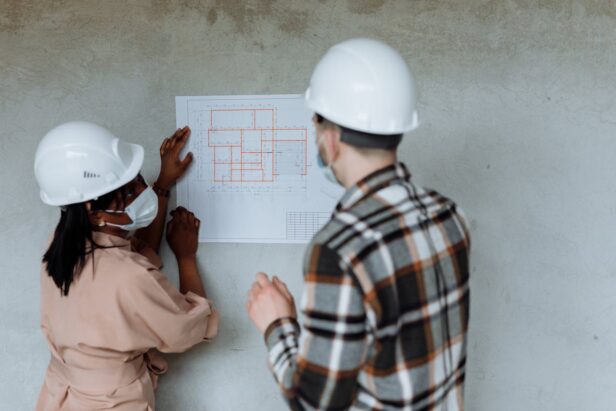
Commercial real estate moves fast. Building out an unfinished space from scratch can add months to your opening timeline and significant costs to your budget.
A vanilla shell contractor Houston prepares commercial shell space that bridges the gap between raw construction and move-in ready operations. These near-finished interior spaces feature essential building systems and basic finishes that accelerate tenant improvement timelines across Houston build-outs.”
What Is A Vanilla Shell (Vs. White Box And Warm Shell)?

Commercial real estate professionals often use the terms vanilla shell, white box, and warm shell interchangeably when describing near-finished spaces. However, subtle differences exist between these classifications that can impact construction planning and tenant expectations.
In most market contexts, these terms describe the same level of completion. A vanilla shell represents a middle ground between a completely raw space and a fully built-out commercial property. The space includes basic building systems and amenities but lacks tenant-specific customizations.
Understanding The Terminology Overlap
Real estate markets sometimes distinguish between warm shell and vanilla shell conditions based on completion levels. A warm shell might include basic mechanical systems and structural elements but remain partially unfinished. In contrast, a vanilla shell typically reaches closer to move-in readiness with more completed interior elements.
The terminology can vary by region and individual property specifications. Some landlords use white box and vanilla shell to mean identical conditions, while others apply more specific definitions. We verify these details during project planning to ensure all stakeholders understand the exact scope of work.
Core Features Of A Vanilla Shell
A vanilla shell delivers specific finished elements that distinguish it from other shell types. These spaces feature completed drywall on interior and exterior walls, providing a clean canvas ready for tenant finishes. The drop-grid ceiling or drywall ceiling comes installed with basic lighting fixtures that meet code requirements.
HVAC systems include ductwork and controls, ensuring climate control throughout the space. Finished restrooms provide running water, sewer connections, and standard fixtures. Basic electrical infrastructure includes panels and standard outlets positioned for general use.
The goal remains consistent across all vanilla shell projects: creating a near-finished space that requires minimal additional work before tenant operations can begin. This approach reduces construction timelines and coordination challenges compared to starting from an unfinished shell condition.
How Does A Vanilla Shell Differ From A Gray (Cold Dark) Shell?
A gray shell or cold dark shell represents the most basic form of commercial space delivery. These spaces feature bare stud walls with no drywall installation, exposing the metal or wood framing throughout the interior. The floors remain unfinished, often consisting of raw concrete or dirt conditions that require substantial preparation before any tenant work can begin.
Gray shells lack fundamental building systems entirely. No plumbing, electrical distribution, or HVAC ductwork exists within the tenant space. While the building may include connection points for sewer and electrical service, these typically appear as capped stub-outs that require professional installation to become functional systems.
Key Differences In System Installation
The contrast between gray and vanilla shells becomes clear when examining installed systems. Gray shells require complete mechanical, electrical, and plumbing installation from connection points forward. We coordinate full electrical panel installation, outlet placement, and lighting systems as part of the tenant improvement scope.
Vanilla shells eliminate much of this foundational work. The space arrives with completed HVAC distribution, functional electrical systems, and finished restrooms. This system readiness significantly reduces the coordination requirements between different trades during construction.
Construction Timeline And Complexity Impact
Gray shell projects typically extend tenant improvement schedules by several months compared to vanilla shell work. Installing core building systems requires additional permitting phases, inspection sequences, and trade coordination that vanilla shells bypass.
The unfinished nature of gray shells demands more extensive planning and engineering work before construction begins. We evaluate structural requirements for equipment mounting, determine optimal routing for ductwork and electrical distribution, and coordinate these elements with architectural layouts. Vanilla shells allow us to focus primarily on space division, finishes, and specialized equipment installation.
Cost implications follow similar patterns. Gray shell tenant improvements often range from $30 to over $100 per square foot depending on customization requirements, while vanilla shell improvements typically fall between $5 to $20 per square foot. These differences reflect the extensive system installation work that gray shells require versus the finish-focused scope of vanilla shell projects.
What Tenant Improvements Follow A Vanilla Shell, And What Planning Helps?

Once a vanilla shell is complete, most Houston tenants need specific improvements to transform the space into their business environment. These tenant improvement projects build on the existing infrastructure while adding the specialized features each business requires.
Standard Tenant Improvements After Vanilla Shell
Interior walls top most tenant improvement lists. While a vanilla shell provides the basic structure, businesses need to create offices, conference rooms, storage areas, and customer-facing spaces. These new partitions define workflow and establish the functional zones that support daily operations.
Electrical upgrades and lighting design follow closely behind. Basic electrical service exists in vanilla shells, but most tenants require additional circuits for equipment, upgraded lighting systems for specific tasks, and specialized power for technology needs. A medical office needs different electrical requirements than a retail showroom or restaurant kitchen.
Plumbing modifications address specialty requirements beyond the standard restrooms. Restaurants require grease traps, floor drains, and specialty equipment connections. Medical facilities need specific sink locations and water temperature controls. Even office tenants often add break room sinks or coffee stations that require new plumbing runs.
HVAC reconfiguration ensures comfort and energy efficiency for the final layout. The vanilla shell HVAC system provides basic coverage, but tenant improvements often require zone adjustments, additional ductwork for new rooms, or upgraded capacity for equipment-heavy areas.
Cost-Effective Planning Strategies
Shell selection directly affects construction costs and timeline. Installing specialized features too early can waste funds if they require removal during tenant improvements. We coordinate with property owners to understand what systems can be modified without major rework.
Early HVAC planning prevents costly retrofits later. Capacity calculations, ventilation requirements, duct sealing, and insulation specifications should be evaluated before construction begins. These decisions affect long-term energy costs and tenant comfort. Proper planning also ensures compliance with building codes and industry standards.
Custom finishes and millwork require careful scheduling. These elements often have longer lead times and need coordination with other trades. Planning material selections early prevents delays and allows for value engineering opportunities that maintain quality while controlling costs.
Funding And Compliance Requirements
Tenant improvement funding typically follows one of three models defined by lease terms. Landlord turnkey arrangements place construction responsibility on the property owner, while tenant-funded projects often include a Tenant Improvement Allowance to offset costs. Split arrangements divide responsibilities between both parties based on specific scope items.
ADA compliance requirements apply to most commercial tenant improvements. Access routes, restroom modifications, door hardware, and workspace accommodations must meet current accessibility standards. These requirements affect layout planning and should be considered early in the design process.
Permitting and inspections ensure code compliance throughout construction. Licensed trades handle electrical, plumbing, and mechanical work that requires permits. Fire safety systems, emergency egress, and occupancy classifications may need updates based on the final use. Industry experts note that permitting timelines vary significantly by jurisdiction and can impact project schedules.
Technology and data cabling infrastructure supports modern business operations. Voice, data, security, and audiovisual systems require coordination with electrical work and often need specialized contractors. Planning these systems early prevents conflicts with other trades and ensures proper performance.
Conclusion And Next Steps For Houston Projects
Vanilla shells establish a solid foundation for tenant build-outs in Houston commercial spaces. These near-ready environments include essential systems like HVAC, electrical panels, finished restrooms, and basic lighting that reduce the complexity of subsequent construction. The difference between vanilla shells and unfinished gray shells determines how much coordination, time, and budget your project will require.
Early decisions drive project success. We recommend defining shell type during lease negotiations to align tenant improvement scope with available infrastructure. Plan HVAC capacity requirements upfront to avoid costly system modifications later. Address code compliance and construction scheduling early to prevent delays during permitting and inspections. This approach controls timelines, minimizes rework, and creates a smoother path to opening your Houston commercial space.
Contact EB3 Construction to coordinate your Houston vanilla shell build-out project.