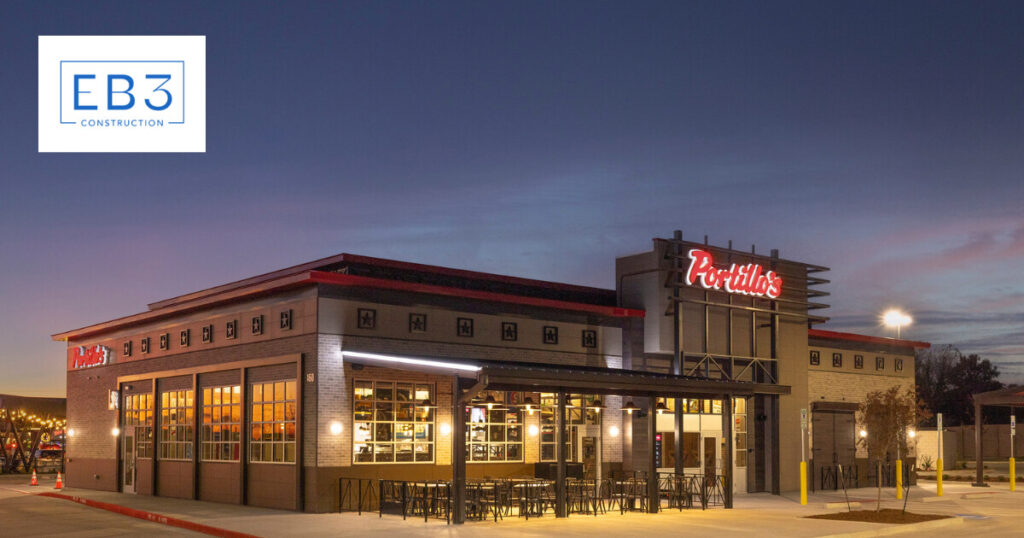

Retail centers line Sachse’s main corridors, with active shell buildings and parking lots dotting the Dallas–Fort Worth landscape. These visible projects reflect the diverse construction activity shaping this growing Texas market.
We coordinate ground-up builds, tenant improvements, and renovations across the commercial, healthcare, industrial, infrastructure, institutional, and residential sectors throughout the Dallas–Fort Worth region. Our role includes managing earthwork, concrete, masonry, structural steel, electrical, HVAC, plumbing, fire protection, communications, signage, flooring, landscaping, and paving. We sequence trades, uphold quality and safety standards, and deliver successful turnovers for both occupied sites and new developments.
Which Delivery Methods And Services Fit Sachse Projects?

Project delivery shapes how we coordinate teams, manage risk, and sequence work for Sachse developments. The choice between construction management, design-build, and general contracting directly impacts schedule control and cost outcomes for retail shells, occupied shopping centers, and multi-site rollouts.
General contracting suits straightforward retail shells and defined-scope tenant improvements where plans are complete. We coordinate trade partners, manage schedules, and turn over projects under a single contract structure. This approach works well for standard parking lot reconstruction and shopping center renovations with clear specifications.
Construction management provides enhanced oversight for complex projects where we act as the owner’s representative throughout design and construction phases. We guide preconstruction estimating, value management, and schedule analysis while contractors execute the work. This delivery method fits occupied retail centers requiring careful phasing and tenant coordination.
Design-build accelerates project timelines by combining design and construction under one contract. We manage architects, engineers, and trade partners to streamline decision-making and reduce change orders. This approach benefits multi-site program management where standardized designs can be adapted across locations.
Preconstruction services support all delivery methods with holistic estimating that accounts for local market conditions, value management to optimize design decisions, and schedule analysis that identifies critical path activities. We integrate these services early to establish realistic budgets and timelines before construction begins.
Program management coordinates multi-site rollouts common in retail expansion. We standardize specifications, manage design consultants across locations, and sequence construction teams to maintain consistent quality. This service proves essential for clients opening multiple locations simultaneously.
Tenant coordination and landlord work address the unique demands of occupied shopping centers. We manage construction compliance, coordinate move-ins, and maintain access for existing tenants while new spaces take shape. Safety protocols and quality assurance procedures protect occupied areas during active construction.
Reconstruction services handle evaluation, budgeting, demolition, remediation, and rebuilds for damaged properties. We assess structural integrity, coordinate insurance teams, and manage environmental remediation before reconstruction begins. This capability proves critical for retail properties recovering from weather events or other damage.
Technology integration includes online project management platforms for real-time communication, BIM coordination for complex MEP systems, and field collaboration tools that streamline reporting. These innovations improve project transparency and reduce coordination delays.
Safety programs establish project-specific protocols, regular training, and comprehensive documentation. We implement formal quality assurance and quality control procedures that provide consistent inspection, testing, and closeout documentation for each project phase.
Sustainability approaches align with LEED and WELL standards for energy conservation, responsible material procurement, and maximizing available incentive programs. We integrate sustainable practices organically rather than as add-on services.
What Project Types And Scopes Are Common Around Sachse?

Retail shells dominate Sachse’s construction landscape, reflecting the city’s position within DFW’s commercial corridors. These shell buildings form the foundation for shopping centers that serve the area’s growing population. We see steady demand for parking areas that accommodate retail traffic patterns and site development projects that prepare raw land for commercial use.
Earthwork starts most projects in Sachse, requiring careful attention to SWPPP compliance and a comprehensive environmental management plan. The city enforces strict stormwater pollution prevention measures, particularly during excavation and grading. We coordinate erosion-control devices, silt fencing, and inlet protection to meet local requirements while maintaining construction schedules.
Concrete flatwork is a major scope across Sachse projects. Full-depth paving creates durable surfaces for retail parking areas, while curbs and gutters manage stormwater flow according to municipal standards. ADA-compliant approaches and sidewalk connections ensure code-compliant accessibility for commercial developments.
Above-grade construction typically involves masonry work for retail facades and structural steel framing for larger commercial spaces. These materials provide the durability needed for high-traffic retail environments while meeting local building codes. Roofing systems complete the building envelope, often incorporating TPO or modified bitumen membranes suited to Texas weather.
Mechanical, electrical, and plumbing installations form the core infrastructure of Sachse commercial projects. HVAC systems must handle Texas heat loads while maintaining energy-efficiency standards. Electrical work includes power distribution, lighting systems, and life safety components. Plumbing distribution extends beyond fixture connections to include fire suppression systems that meet commercial occupancy requirements.
Fire suppression systems require careful integration with building design, particularly in retail environments with varied ceiling heights and tenant configurations. Low-voltage and communications infrastructure supports modern retail operations, including point-of-sale systems, security networks, and wireless coverage throughout shopping centers.
Interior finishes and flooring complete retail shell preparations. Polished concrete floors work well for many retail applications, while tenant improvement spaces may require specialized flooring systems. Exterior signage represents a significant scope element, with UL- and ETL-listed components ensuring compliance with electrical codes and local sign ordinances.
Landscaping projects integrate with site development to create appealing retail environments. We coordinate irrigation installation, tree placement, and hardscape elements that complement the building architecture while meeting Sachse’s landscape requirements.
Tenant improvements extend beyond retail applications to include restaurants and food-service spaces requiring specialized ventilation, healthcare facilities with specific code requirements, office buildouts with modern technology needs, and multifamily common areas. Each sector brings unique scope challenges that require experienced trade coordination and a thorough understanding of applicable building codes.
How Should Construction Teams Vet A Sachse General Contractor?
Vetting contractors requires examining specific capabilities that align with local project demands. We evaluate each contractor against measurable criteria that indicate successful delivery in Sachse’s commercial market.
Sector Experience Alignment
Match the contractor’s background to your project type. Commercial and retail projects require different expertise than healthcare facilities or industrial builds. Review their portfolio for comparable work in similar sectors, paying attention to project scale and complexity that aligns with your scope.
Ask for specific examples within your sector. A contractor experienced in retail tenant improvements understands move-in schedules and compliance requirements that industrial contractors may not prioritize.
Preconstruction Deliverables Assessment
Strong preconstruction services indicate thorough project planning. We look for contractors who provide detailed estimates that break down labor, materials, and timeline assumptions. Value management recommendations should demonstrate cost-saving opportunities without compromising quality standards.
Schedule analysis is critical for occupied sites and phased work. The contractor should present realistic timelines that account for permit approvals, material lead times, and coordination with existing operations.
Safety and Quality Control Protocols
Safety programs reflect operational maturity and risk management capabilities. Review their incident rates, training protocols, and documentation practices. Formal QA/QC procedures should include inspection checklists, testing requirements, and corrective action processes.
Documentation cadence matters for accountability and project tracking. Regular reporting keeps stakeholders informed and provides early warnings of potential issues that could affect the schedule or budget.
Technology Integration Capabilities
Modern project management requires integrated technology platforms. We evaluate contractors based on their use of online project management systems, BIM workflows, and field collaboration tools. These technologies improve communication and reduce coordination delays.
BIM workflow capabilities are important for complex projects requiring precise coordination between trades. Field collaboration tools enable real-time updates and faster decision-making during construction.
Trade Partner Network Validation
Strong trade partner networks indicate established relationships and reliable subcontractor performance. Verify their capabilities in key scopes common on Sachse projects: concrete and paving work, masonry, signage installation, utilities coordination, MEP systems, and fire protection.
Ask about their vetting process for trade partners. Quality contractors maintain standards for subcontractor selection, performance monitoring, and accountability measures that ensure consistent delivery across all trades.
Independent Verification Signals
Third-party validation provides objective performance indicators. Check Better Business Bureau accreditation status and ratings for complaint history and resolution practices. Platform reviews offer insights into client experiences and project outcomes.
Cross-reference multiple sources to build a complete picture. Consistent positive feedback across different platforms suggests reliable performance and client satisfaction.
Specialized Capabilities for Local Needs
Retail projects require tenant coordination expertise and move-in compliance workflows. The contractor should demonstrate experience managing occupied centers, coordinating with multiple tenants, and maintaining business operations during construction.
Recovery and reconstruction capabilities are important for storm-damage or renovation projects. Verify their experience in evaluation, remediation, and rebuilding processes that address both immediate repairs and long-term durability improvements.
Sustainability Goal Alignment
LEED and WELL methodologies require specific knowledge and certification tracking. When sustainability goals apply to your project, confirm the contractor’s experience with green building standards and documentation requirements.
Sustainability expertise extends beyond materials selection to include construction practices, waste management, and energy efficiency measures that support certification objectives.
Conclusion And Next Steps

Selecting the right general contractor in Sachse requires a structured approach that prioritizes preparation over urgency. We start with clearly defined scope parameters and a preferred delivery method to guide the entire selection process. This clarity helps contractors propose realistic solutions that match your project’s specific requirements rather than generic approaches.
Safety protocols, QA/QC procedures, and technology workflows distinguish experienced contractors from those still developing their systems. For retail and occupied center projects, we require detailed tenant coordination plans that address compliance workflows, move-in schedules, and communication protocols. SWPPP compliance and permitting strategies should be discussed early to prevent delays that cascade through tight construction schedules. Turnover procedures should align with your occupancy timeline and include comprehensive documentation for ongoing operations.
These systematic steps position you to select a general contractor whose capabilities align with your schedule, budget, and quality expectations while minimizing risks during construction. Contact EB3 Construction to discuss your Sachse project requirements and preconstruction planning approach.