
When planning your boutique retail space, one of the most important decisions is which project delivery method to use. You can hire a single design-build firm to handle both architectural design and construction, or work with separate professionals through the traditional design-bid-build approach.
This choice affects every aspect of your project, from takt time planning and the construction timeline to budget control, accountability, and design oversight. We’ll examine both approaches to help you make the right decision for your boutique retail space.
How Does A Single Design-Build Firm Work, And What Are The Key Advantages For A Boutique Retail Space?
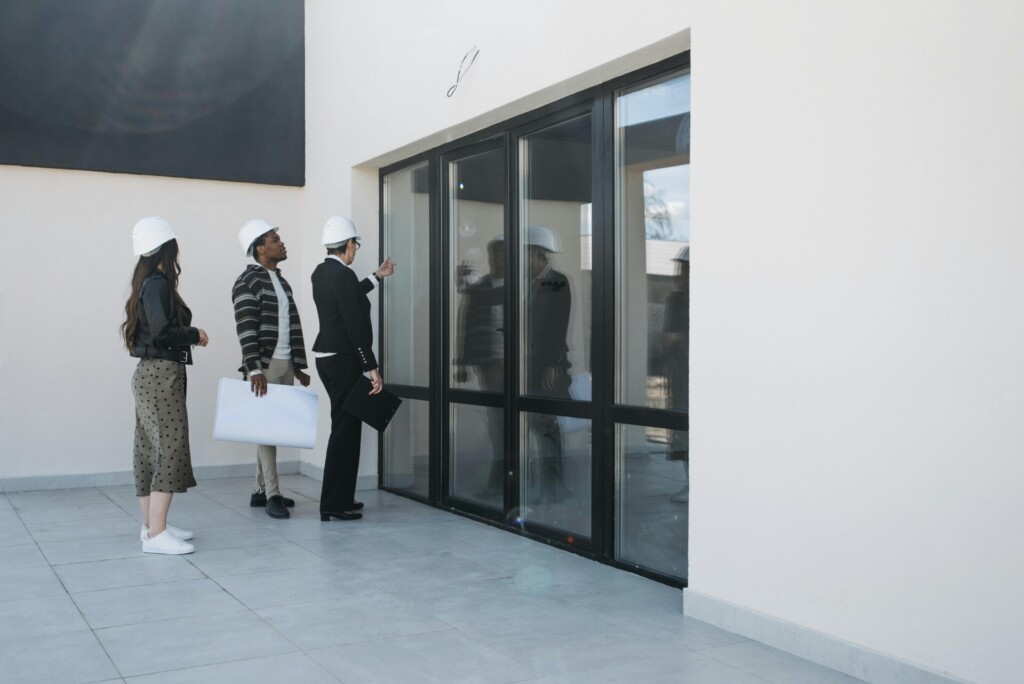
A design-build firm combines architectural design and construction services under a single contract. This unified approach gives you one point of contact throughout your boutique retail project. Instead of managing separate relationships with an architect and a general contractor, you work directly with one team that handles everything from initial concepts to final construction.
The design-build model operates through integrated collaboration from day one. Architects, engineers, and construction managers work together during the planning phase, ensuring the design of your retail space aligns with construction realities and budget constraints. This early coordination helps prevent the disconnect that often occurs when designs are handed off to separate builders.
Accelerated Project Timeline Through Overlapping Phases
Design-build delivers projects significantly faster than traditional methods. Research shows design-build construction projects can be completed up to 102% faster than design-bid-build approaches. This speed comes from overlapping design and construction phases rather than completing them sequentially.
For boutique retail spaces, this timeline advantage can be critical when lease deadlines or seasonal opening dates drive your schedule. We coordinate sitework and permitting while finalizing interior design elements. Construction can begin on foundational work while detailed finishes are still being refined. This parallel workflow keeps your project moving forward without delays.
Real-Time Budget Control and Cost Transparency
A single point of responsibility creates stronger budget accountability throughout your project. The design-build team provides real-time cost updates as design elements are developed, preventing budget surprises that often emerge in traditional project delivery. When the same team designing your space also builds it, they understand actual construction costs from the start.
This integrated approach reduces change orders significantly. Research indicates design-build projects experience 3.8% less cost growth compared to traditional methods. For boutique retail projects with tight profit margins, this cost predictability helps protect your investment and avoid mid-construction financial stress.
Value engineering happens naturally when designers and builders collaborate early. The team identifies cost-effective material alternatives and construction methods that maintain your design vision while staying within budget.
Streamlined Communication and Reduced Administrative Burden
Managing one contract instead of multiple agreements simplifies project administration substantially. You coordinate with a single project manager rather than juggling separate relationships with architects, engineers, and contractors. This streamlined communication reduces miscommunication and eliminates finger-pointing that can occur between separate design and construction teams.
For boutique retail spaces, clear communication is essential when addressing specific brand requirements, customer flow considerations, and technical systems integration. The unified team approach ensures everyone understands your operational needs from concept through completion.
| Phase | Traditional Build Timeline | Design-Build Timeline |
| Initial Consultation | Weeks 1-4: Architect Selection | Weeks 1-2: Site Analysis |
| Design Development | Weeks 5-20: Design and Revisions | Weeks 3-6: Discovery Phase |
| Construction Documents | Weeks 21-24: Final Documents | Weeks 7-16: Design Development and Pricing |
| Bidding Process | Weeks 25-30: Bidding Process | Weeks 17-19: Final Design Selection |
| Contract and Permits | Weeks 31-48: Negotiation and Permits | Weeks 20-23: Permitting and Preconstruction |
| Construction | Weeks 49-94: Construction | Weeks 24-67: Construction |
| Closeout | Weeks 95-98: Closeout and Final Inspections | Weeks 68-70: Closeout and Final Inspections |
| Total Timeline | 98 weeks (23 months) | 70 weeks (16 months) |
Enhanced Accountability Through Single-Source Responsibility
Design-build firms assume complete responsibility for both design quality and construction execution. This accountability structure eliminates gaps that can emerge when separate firms handle different project phases. If issues arise during construction, the design-build team owns the solution rather than debating responsibility between multiple parties.
This unified responsibility particularly benefits boutique retail projects where specific functional requirements must align closely with aesthetic goals. The team coordinates mechanical systems, lighting design, and spatial layout as integrated elements rather than separate components that might conflict during construction.
Quality control remains consistent throughout the project because the same standards apply to both design development and construction execution. The team maintains accountability for delivering your boutique retail space according to the agreed-upon specifications and schedule commitments.
What Risks Or Drawbacks Come With Hiring One Firm For Both Design And Construction?
Design-build presents several challenges that property owners should evaluate carefully. These risks stem from consolidating design and construction under one entity, which can limit oversight and flexibility.
Reduced Specialist Team Selection
Design-build firms typically work with their established network of subcontractors and consultants. This approach limits your ability to handpick specialists for unique project requirements. For a boutique retail space requiring specialized lighting design or custom millwork, you may not gain access to the specific experts who could best execute your vision.
The firm’s existing relationships often take precedence over finding the optimal team for your particular project. We see this constraint most often on projects that demand highly specialized skills or innovative approaches.
Personality and Communication Compatibility
With design-build, you must work effectively with both the design and construction teams within the same organization. Unlike separate contracts where you can choose an architect who understands your aesthetic goals and a contractor who excels at execution, design-build requires compatibility with the entire firm’s approach.
Communication styles and project management methods vary significantly between firms. If the chemistry doesn’t work with key personnel, you have limited options to make changes without starting over completely.
Conflicts of Interest in Design Decisions
When the same entity controls both design and construction costs, potential conflicts of interest can arise where cost savings may be prioritized over design quality. The builder’s inclination to minimize construction complexity might influence design decisions in ways that compromise your project goals.
Without an independent architect advocating for design integrity, changes that reduce construction costs may not always serve your best interests. This dynamic is especially concerning when distinctive features that differentiate your retail space risk being simplified or removed.
Limited Bid Transparency
Design-build projects typically aren’t competitively bid by multiple contractors, reducing price transparency. You receive one integrated proposal rather than separate competitive bids for construction work. This structure makes it difficult to evaluate whether the construction portion of the proposal represents fair market pricing.
The lack of competitive bidding can lead to higher overall costs, as the design-build firm faces no direct price competition on the construction component. Without independent verification, you may not realize potential savings available through competitive procurement.
Reduced Independent Oversight
Traditional projects benefit from checks and balances where the architect oversees construction quality and ensures design intent is realized. In design-build, this independent oversight disappears because the same entity handles both responsibilities.
Quality control becomes an internal process rather than an independent verification system. Mistakes or shortcuts may go undetected if you don’t maintain vigilant oversight. The architect’s traditional role as the owner’s advocate during construction is fundamentally altered when both services come from the same firm.
Standardization Over Customization
Many design-build firms emphasize standardized solutions and efficient construction methods over highly customized designs. For boutique retail spaces where unique character drives customer experience, this standardization can work against your goals.
The firm’s preference for proven, repeatable solutions may limit design exploration and creative problem-solving. Custom details and unique features that define your brand may be discouraged if they complicate the construction process.
Licensing and Professional Verification
Not all design-build contractors employ licensed architects. Many use draftspeople or designers without professional licensure, which creates several risks. Unlicensed individuals cannot legally call themselves architects and aren’t held to professional standards of care.
Verify that any firm claiming to provide architectural services employs properly licensed professionals in your jurisdiction. Ask for license numbers and confirm their status with your state licensing board. Licensed architect verification protects you from substandard design services and potential legal issues.
Drawing Ownership and Contract Flexibility
Design drawings are often owned by the design-build firm rather than the property owner. This ownership structure makes it difficult to switch builders midstream if problems arise or if you want to seek competitive bids for future phases.
Without drawing ownership, you lose flexibility and may face significant costs to engage different professionals later. Contract terms should clearly address who owns design documents and under what conditions you can use them with other contractors.
How Does Hiring A Separate Architect And GC Work, And What Are The Main Advantages?

When you hire separate professionals, you interview and select an architect first, and then bring on a general contractor through competitive bidding or direct negotiation. The architect develops your design independently, creates comprehensive construction documents, and helps evaluate contractor proposals. We see this traditional design-bid-build approach creating a clear separation between design leadership and construction execution, with each professional focusing on their core expertise.
The architect maintains a direct relationship with you throughout the project. During construction, they provide contract administration services, reviewing shop drawings and monitoring work quality against the design intent. This independent oversight creates a system where the architect acts as your advocate, ensuring construction meets the specifications and design goals established during the planning phase.
Specialized team assembly for project-specific needs
Separate hiring allows you to match professionals to your specific project requirements. If your boutique retail space involves complex structural modifications or specialized lighting design, you can select an architect with proven experience in retail environments and a contractor known for precision millwork or technical installations. This targeted selection often produces better outcomes than accepting the expertise that happens to exist within a single design-build firm.
The competitive bidding process gives you access to multiple contractor perspectives on cost, schedule, and construction approach. We find this particularly valuable for retail projects, where details such as custom fixtures, specialized finishes, or complex storefront work require specific trade expertise. You can evaluate which contractor demonstrates the deepest understanding of your project’s unique challenges.
Independent design advocacy and quality control
Your architect serves as your design advocate throughout construction, protecting the project vision from cost-cutting pressures that might compromise the final result. They conduct regular site visits to verify work quality and adherence to specifications. This independent oversight provides a professional buffer between your interests and the contractor’s natural focus on efficiency and profit margins.
The architect reviews and approves contractor payment applications, ensuring work progress justifies payment requests. They coordinate resolution of field conditions that don’t match the original design assumptions. This quality control system helps maintain design integrity while addressing inevitable construction challenges that arise during the build process.
Checks and balances through professional separation
The traditional model creates natural checks and balances between design and construction professionals. Your architect can review the contractor’s pricing and suggest alternatives if costs seem excessive for specific line items. They provide technical expertise during contractor selection, helping you evaluate proposals for completeness and feasibility rather than just the lowest price.
During construction, the architect and contractor maintain professional accountability to each other and to you. Contractors know their work will be reviewed by an independent professional, which tends to improve quality and adherence to specifications. The architect gains construction feedback that can refine design details and specifications for future projects.
Design refinement without construction pressure
Separate professionals allow extensive design development without construction schedule pressures forcing decisions. Your architect can explore multiple layout options, test different material combinations, and refine details until the design meets your operational and aesthetic goals. This thorough design development often prevents costly changes during construction.
Complex retail projects benefit from this unhurried design process. Elements such as customer flow patterns, merchandise display systems, and brand expression through the built environment require careful consideration. The architect can collaborate with your operations team to optimize the design before construction begins, rather than making compromises to meet a contractor’s preferred schedule.
What Challenges Should You Expect With Separate Architect And GC?
Managing an architect and general contractor (GC) through separate contracts introduces several operational complexities that can affect both budget and timelines. We encounter these challenges regularly when working with property owners who chose the traditional design-bid-build approach before engaging our services.
The dual-contract structure requires you to coordinate two independent entities that may have different priorities, communication styles, and project management approaches. This fragmented structure places a significant administrative burden on the property owner and creates potential friction points throughout construction.
Contract Management and Administrative Complexity
Overseeing separate architect and GC contracts means twice the paperwork, insurance coordination, and payment schedules. Each contract operates under different terms, warranty periods, and dispute resolution procedures.
We frequently see property owners struggling to track which party handles specific responsibilities when issues arise. The architect may defer construction questions to the GC, while the contractor points back to the design specifications when problems surface.
Payment coordination becomes particularly challenging when design changes trigger both architectural revisions and construction adjustments. Processing these changes through separate billing systems often creates cash flow complications and delayed approvals.
Communication Gaps and Coordination Issues
Research consistently identifies communication breakdowns as a primary risk in design-bid-build projects. Without integrated project management, information often gets filtered through multiple channels before reaching the right decision-maker.
Critical details can fall through the cracks when the architect isn’t present during daily construction activities. Field conditions that differ from design assumptions may not be communicated back to the design team promptly, leading to delayed problem resolution.
We’ve observed projects where the GC discovers constructability issues weeks into construction because the architect wasn’t involved in pre-construction planning. These late discoveries force expensive redesigns and extended timelines.
Cost Overruns and Budget Uncertainty
Architects working independently of construction teams often lack current market pricing data when developing designs. This disconnect between design ambitions and construction reality frequently results in budget surprises during the bidding phase.
The linear design-bid-build process means final construction costs remain unknown until after significant design investment. Property owners may spend thousands on architectural plans only to discover their boutique retail space exceeds their budget by 20-30 percent.
Change orders become more frequent when design and construction teams haven’t collaborated early in the process. Each modification requires approval from both architect and contractor, often with a markup from each party.
Extended Timeline Due to Sequential Handoffs
The design-bid-build approach requires each phase to be completed before the next begins. This linear progression eliminates the time-saving benefits of overlapping design and construction activities.
Redesign cycles add months to project schedules when initial bids come in over budget. The architect must revise the plans, contractors must rebid, and the entire approval process repeats.
We regularly encounter retail projects where the sequential handoffs between design completion, bidding, and the construction start have stretched timelines from 12 to 18 months or more.
Dispute Resolution and Risk Allocation
When problems arise, determining responsibility between architect and GC can trigger lengthy disputes. Each party may claim the other is at fault, leaving the property owner to mediate and potentially absorb costs while the dispute is resolved.
The finger-pointing dynamic becomes particularly problematic when design errors surface during construction. The GC may claim they’re building to specifications while the architect argues the contractor misinterpreted the drawings.
For smaller boutique retail projects, this multi-party complexity often creates more overhead than value. The administrative burden of managing separate contracts may exceed the benefits of competitive bidding on straightforward build-outs.
Conclusion And Decision Guide For Boutique Retail Spaces
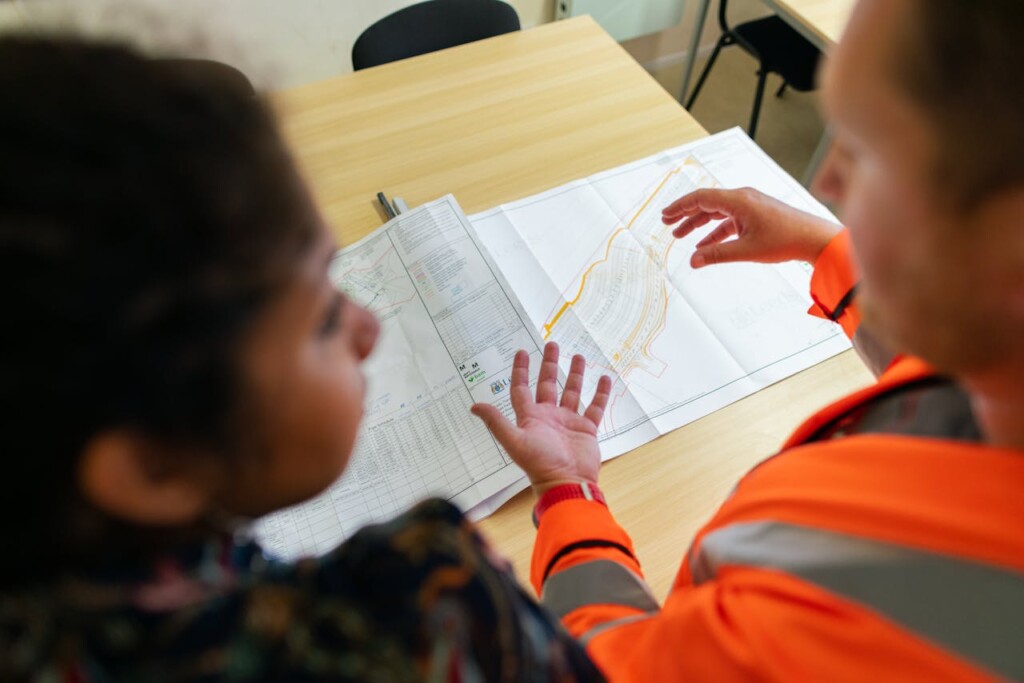
Select a design-build firm if you prioritize single-point accountability, faster delivery through overlapping phases, and continuous budget visibility during design development. Choose separate architect and general contractor relationships if you value assembling specialized teams, maintaining independent design advocacy, and preserving flexibility for complex design refinement.
Before committing to either approach, we recommend asking each potential team key questions that reveal their operational structure and accountability. Verify whether they provide licensed architectural services, confirm how budget updates flow during the design process, and clarify who retains ownership of construction drawings. Determine their dispute-resolution protocols, confirm whether architectural contract administration continues through construction, and establish how they ensure pricing transparency through competitive review or detailed cost breakdowns. These conversations help property owners make informed decisions that align the delivery method with their development goals and risk tolerance.
Ready to move forward with your boutique retail construction project? Contact EB3 Construction to discuss how our integrated approach can streamline your development timeline and budget management.