Bar and lounge construction failures often stem from gaps in code compliance or rushed permit reviews. A contractor for a full build-out of a new bar and lounge manages the complete transformation from empty space to an operational establishment, handling everything from the initial site evaluation through the certificate of occupancy.
This comprehensive scope includes design coordination, structural modifications, installation of mechanical systems, and the specialized requirements that distinguish assembly occupancies from standard commercial builds. The contractor coordinates occupant load calculations per NFPA 101, designs the means of egress, and integrates life safety systems that meet fire marshal and health department standards for your specific concept and capacity.
How Is Occupancy Load Planned For A Bar And Lounge?
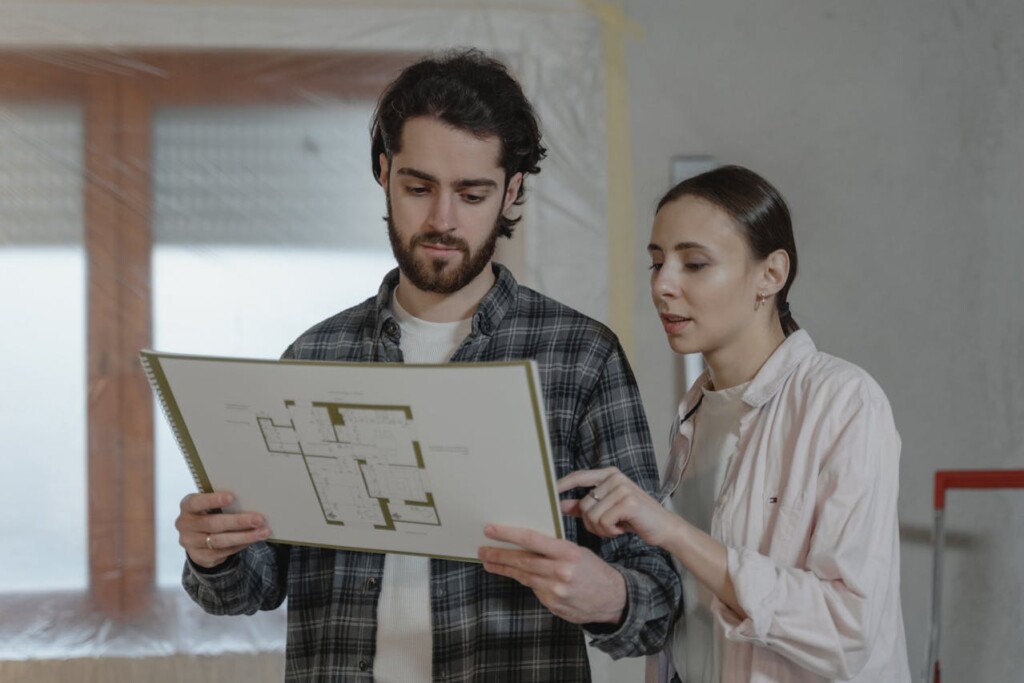
NFPA 101 defines occupant load as the total number of people who might occupy a building or space at any one time. We calculate this number to determine critical fire safety requirements, such as exit counts and sprinkler requirements.
Bars and lounges holding 50 or more people fall under assembly occupancy classification. This threshold matters because assembly occupancies face stricter fire safety requirements than mercantile occupancies, including enhanced egress provisions and potential fire protection system requirements.
Step-by-Step Occupant Load Calculation
We break down occupant load planning into a straightforward process. First, we identify each functional area within the space: dining areas, bar seating, kitchen, storage, and any other distinct zones.
Next, we measure the square footage of each area. For areas using net factors from Table 7.3.1.2, we subtract space occupied by permanent fixtures—such as built-in bars, columns, or storage cabinets—that are not occupiable.
We then apply the appropriate occupant load factor from NFPA 101 Table 7.3.1.2. Kitchen areas use 100 square feet per person, while less concentrated assembly areas like dining rooms with tables use 15 square feet per person. More concentrated assembly areas, such as standing bar areas or dance floors, require 7 square feet per person.
| Area | Occupant Load Factor (sq ft per person) |
|---|---|
| Kitchen | 100 |
| Dining room with tables | 15 |
| Standing bar or dance floor | 7 |
The calculation is simple: square footage divided by the occupant load factor equals the occupants for that area. A 500-square-foot kitchen divided by 100 square feet per person yields 5 occupants. A 2,000-square-foot dining area divided by 15 square feet per person permits approximately 133 occupants (rounding per code as required).
We add the occupant counts from each area to determine the total preliminary occupant load. This total drives egress capacity requirements and fire protection system thresholds.
Assembly Occupancy Size Limitations
NFPA 101 imposes additional constraints on larger assembly areas. Spaces not exceeding 10,000 square feet cannot exceed one person per 5 square feet of total area. Areas larger than 10,000 square feet face a stricter limit of one person per 7 square feet.
These limitations prevent overcrowding that could impair safe egress. We verify that our calculated occupant load complies with these density requirements before finalizing the total.
Connecting Occupant Load to Fire Safety Systems
The final occupant load determines several critical building systems. Fire sprinklers become mandatory when the occupant load exceeds 300 people, or for any nightclub, dance hall, or discotheque regardless of size.
Fire alarm systems are required at 300 occupants or more. The number and width of exits must accommodate the calculated occupant load using specific capacity factors: 0.2 inches per person for level components such as doors, and 0.3 inches per person for stairs.
We also verify that the main entrance can handle at least 50 percent of the total occupant load, as most people typically exit through the same door they entered. For dance halls, nightclubs, and discotheques, the main entrance must accommodate 66 percent of the occupant load.
Which Life Safety Features Are Required For Bars And Lounges?
Bar and lounge projects rely on multiple NFPA standards working together to create a safe environment. Each system addresses specific fire risks and life safety needs based on occupancy type and cooking operations. We coordinate these requirements from the planning stage to ensure compliance at final inspection.
Kitchen Hoods and Fire-Extinguishing Systems
Commercial cooking equipment that produces grease-laden vapors requires protection under NFPA 96. The hood and duct system must include a built-in fire-extinguishing system designed to suppress grease fires quickly. The wet chemical system activates automatically through fusible links in the exhaust airflow and includes manual activation stations for staff use.
The exhaust system removes flammable vapors from cooking surfaces and requires proper sizing based on equipment heat output. Fire-extinguishing nozzles must be positioned above each piece of cooking equipment and within the hood plenum. We ensure the system interlocks with gas shutoffs so fuel stops automatically upon activation.
Fire Sprinkler Requirements
Codes require automatic sprinkler systems when the total occupant load exceeds 300 people; design and installation follow NFPA 13. Bars and lounges classified as nightclubs, dance halls, or discotheques require sprinklers regardless of occupant load. The sprinkler system must cover all areas of the establishment, including dining spaces, bar areas, kitchens, and storage rooms.
Sprinkler design depends on occupancy classification and building construction. Assembly occupancies typically use ordinary hazard systems with appropriate water supply calculations. We coordinate sprinkler layouts with ceiling design and ensure adequate coverage without interference from decorative elements or equipment.
Fire Alarm Systems
Fire alarm systems are required when the occupant load is 300 or greater under NFPA 101. The system must comply with NFPA 70, National Electrical Code, for power-supply requirements and with NFPA 72, National Fire Alarm and Signaling Code, for detection and notification. Voice evacuation is required rather than tone-only alarms.
The fire alarm must monitor sprinkler waterflow, kitchen suppression systems, and smoke detection where appropriate. Notification devices include both audible and visible signals throughout the space. The system must be connected to a supervising station or other constantly attended monitoring service for emergency response.
Hazardous Area Protection
NFPA 101 defines certain areas as hazardous and requiring additional protection. Storage rooms for combustible supplies need 1-hour fire-resistance-rated separation or automatic extinguishing systems. Boiler rooms, non-domestic refrigeration equipment, and electrical transformer rooms fall under these requirements.
Storage of flammable or combustible liquids requires either fire-resistance-rated construction separation or sprinkler protection. Areas housing service equipment subject to explosion need similar measures. We identify these hazardous areas during design and specify the appropriate separation or suppression systems.
Means of Egress Compliance
Exit capacity must match occupant load calculations and occupancy type. Assembly occupancies require wider egress paths and more exits than mercantile spaces. The main entrance must accommodate at least half the total occupant load, with secondary exits handling the remainder.
Exit routes must remain unobstructed and clearly marked with illuminated signs. Emergency lighting systems provide backup illumination during power failures. We verify that furniture arrangements maintain required aisle widths and that exit doors open in the direction of egress travel without special knowledge or effort.
What Does The Build-Out Process And Permitting Path Look Like?
We approach each bar and lounge build-out through two parallel tracks that must stay coordinated from day one. The design process begins with a space assessment, where we evaluate layout possibilities, map dining flow patterns, and identify kitchen equipment needs alongside code requirements that shape every subsequent decision.
The construction sequence follows a logical progression once permits are secured. We start with selective demolition to prepare the space, followed by structural modifications as needed for new openings or load-bearing changes.
Utility installation is the backbone of any successful build-out. We coordinate MEP work with precision: mechanical systems must support hood ventilation requirements, electrical service must handle commercial kitchen loads, and plumbing infrastructure must accommodate three-compartment sinks and grease trap connections. Framing defines the space while maintaining compliance with egress requirements and accessibility standards.
Electrical and plumbing rough-ins occur before walls are closed, with inspections scheduled at each phase to maintain momentum. We sequence finish work, including flooring, millwork, and equipment installation, to minimize conflicts between trades while keeping the project moving toward final inspections.
Permitting Coordination from Start to Finish
Zoning verification kicks off our permitting process because we need confirmation that the intended use aligns with local ordinances. Building permit applications follow, with complete construction drawings that show structural, architectural, and life safety systems in detail.
MEP permits require separate applications for mechanical, electrical, and plumbing work, each with specific review timelines that can affect the construction schedule. Health department approvals often take the longest because they involve detailed kitchen layout reviews, equipment specifications, and ventilation calculations.
Pre-submittal meetings with plan reviewers help identify potential issues before formal submittals. We prepare complete plan packages with all required documents to avoid back-and-forth revisions that slow the approval process.
Plan review cycles typically run 2 to 3 weeks per submittal, but incomplete packages or code conflicts can extend this timeframe significantly. We track submittal deadlines and reviewer comments closely to maintain momentum.
Final Inspections and Certificate of Occupancy
Final inspections verify that construction matches approved plans and meets all code requirements. We coordinate building inspections for structural and life safety systems, mechanical inspections for hood and HVAC performance, and electrical inspections for equipment connections and emergency systems.
Health department final inspections focus on food safety compliance, including proper ventilation performance, sanitation systems, and equipment installation. Fire safety checks verify that suppression systems, alarm functionality, and emergency egress paths meet NFPA standards.
Documentation required for the certificate of occupancy includes test reports for fire suppression systems, ventilation performance data, and compliance certifications from all installed equipment. We maintain detailed records throughout construction to streamline this final approval process.
Timelines vary based on project scope and complexity. Standard restaurant build-outs typically require 8 to 12 weeks from permit issuance to the certificate of occupancy, while simpler tenant improvements in existing restaurant spaces can be completed in 2 to 6 weeks when major systems are already in place.
What Should EB3 Construction Manage To Keep The Bar And Lounge Build-Out On Track?
Health department coordination is one of our most critical responsibilities during a bar and lounge build-out. We manage the installation and code compliance for grease traps, ventilation systems, and strategically placed handwashing stations that meet local health codes. Our team coordinates early with health officials to understand specific requirements for food prep areas, including proper drainage for three-compartment sinks and adequate spacing to maintain equipment accessibility.
Permitting coordination requires constant communication with multiple agencies throughout the project. We handle initial plan submittals, track reviewer comments, and manage revision cycles to keep approvals moving forward. Our project schedule accounts for typical review periods, which often run 10 to 20 working days for standard submissions. We coordinate building department approvals in parallel with MEP and health department permits to avoid scheduling conflicts that could delay the build-out.
Equipment installation demands precise alignment with electrical, gas, and plumbing specifications established during design. We coordinate delivery timing for commercial kitchen equipment, refrigeration units, and bar fixtures to align with construction milestones. Our team verifies that electrical circuits can handle equipment loads, gas connections meet manufacturers’ requirements, and plumbing rough-ins align with equipment placement. This coordination prevents costly rework when equipment arrives and ensures smooth integration with building systems.
Our design-build approach consolidates design and construction responsibilities under a single contract, creating efficiencies that traditional delivery methods cannot match. This integration enables real-time cost feedback during design development and reduces delays caused by coordination gaps between separate design and construction teams. When changes become necessary during construction, we can adjust both design elements and construction methods quickly, without extended approvals between multiple parties.
Documentation and compliance checks form the backbone of our closeout process. We maintain detailed records of all inspections, equipment certifications, and code compliance measures throughout construction. Our compliance checks verify that ventilation systems meet NFPA standards, fire-safety equipment functions properly, and health code requirements are satisfied. We conduct a comprehensive final walkthrough with project stakeholders to confirm readiness for official inspections and to prepare the documentation needed for the certificate of occupancy.
Conclusion And Next Steps
Planning a successful bar and lounge build-out comes down to managing occupant load calculations, designing robust life safety systems, and coordinating permits from day one. We calculate occupant load using NFPA 101 (Life Safety Code) standards to determine assembly occupancy requirements. Kitchen ventilation systems require properly designed hoods and ducts with fire-extinguishing capabilities for grease-laden vapors. Fire sprinklers and alarms are required at 300 occupants or more, while means of egress must accommodate the total occupant load with properly sized exits.
The permitting path runs through zoning verification, building permits, MEP approvals, and health department reviews, culminating in final inspections that verify code compliance. We coordinate pre-submission meetings to streamline plan review and avoid delays that extend schedules. Standard bar and lounge build-outs typically take 8–12 weeks; simpler tenant improvements may be completed in 2–6 weeks, depending on scope and complexity.
Contact EB3 Construction for design-build coordination that keeps your bar and lounge project on schedule and code-compliant.