Every day, a restaurant sits closed is revenue that does not come back. When we take on a restaurant conversion, the goal from day one is a fast, compliant reopening built on coordinated design-build planning, permit management, and precise construction sequencing.
The approach focuses on defining operations first, securing approvals early, and using phased construction to protect revenue throughout the process. This article outlines how that coordination works across planning, build strategy, upgrades, and end-to-end sequencing.
How Should Planning Align Scope, Schedule, And Permits To Cut Downtime?
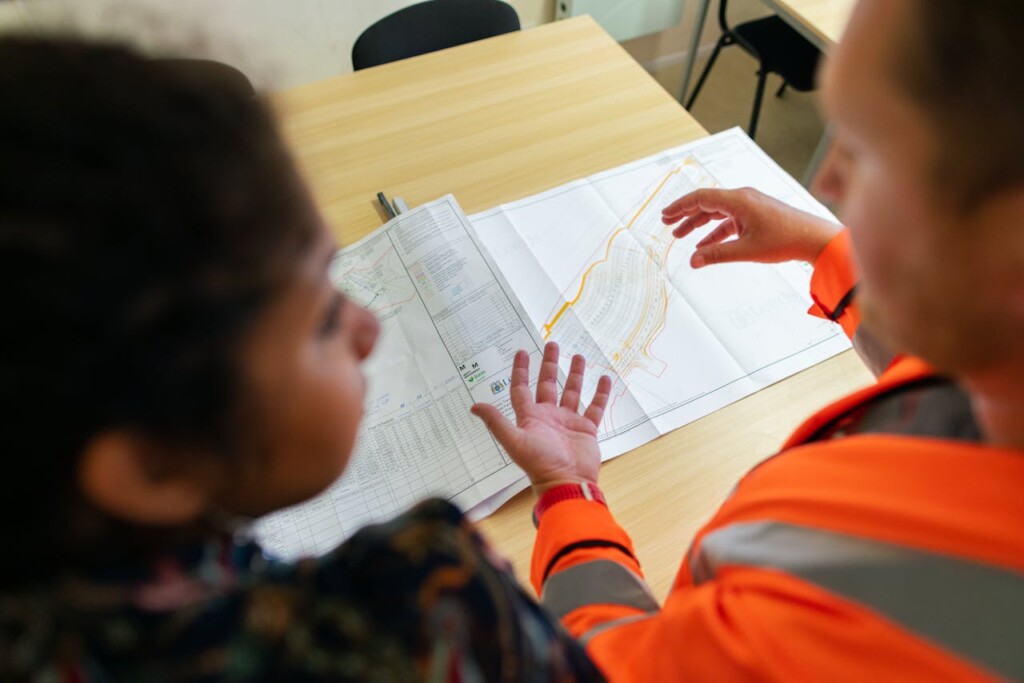
Concept Development and Operational Planning
Every decision we make during pre-construction traces back to one source: how the space will actually operate. Before a single permit application is drafted, we map kitchen workflow, seating capacity, service station placement, prep zones, and storage requirements with precise measurements and traffic flow analysis.
That operational layout then drives MEP, lighting, and HVAC planning. Coordinating these systems during pre-construction prevents conflicts that generate costly change orders and rework once construction is underway. Storage allocation, prep space sizing, and service flow patterns all feed into the drawings we use to support permit submissions and construction sequencing.
Permit Strategy and Approval Coordination
A complete permit strategy maps every required approval before the first application is submitted. For a restaurant concept conversion, that typically means building permits for structural and MEP work, fire department reviews covering egress and suppression systems, ADA compliance reviews for entrances and restrooms, and zoning checks to confirm the new concept aligns with local use restrictions.
Health department approvals carry their own timeline and require early engagement. Reviews covering food prep zones, ventilation systems, and sanitation equipment often take longer than standard building permits, and late coordination is one of the most common causes of delayed reopenings. For typical requirements and steps, see this health permit guide. We engage local health officials during design development so their requirements are incorporated into the plans before submission, not after.
Certificate of occupancy requirements vary by jurisdiction and project scope. We research local processing timelines early and factor them into the overall schedule, including buffer periods for potential revision cycles. Zoning checks run in parallel to confirm parking requirements and use classifications align with the incoming concept.
Schedule Development with Contingency Planning
A realistic schedule accounts for permit review windows, material lead times, inspection coordination, and trade sequencing. Plan review periods range from two to eight weeks, depending on project complexity and local workload. Submitting complete, well-documented applications is the most effective way to avoid revision cycles that compress construction time.
Contingency planning addresses the delays that predictably surface on conversion projects: permit revisions, material shortages, and inspection scheduling gaps. We build buffer time into critical-path activities and maintain relationships with backup suppliers for key materials. These aren’t afterthoughts; they’re part of the schedule from day one.
Design-build delivery gives us a practical advantage during the approval process. When reviewers request plan adjustments, we can respond and keep progress moving on other project elements rather than stopping construction to wait for design resolution. That parallel workflow protects the schedule where it’s most vulnerable.
Which Build Strategies Minimize Closure While Keeping Safety First?
Phased Construction and Zone Isolation
We divide the space into defined work zones so construction on one section never forces a full shutdown. Active dining areas stay separated from demolition and rough-in work through rigid containment barriers, sealed dust partitions, and dedicated crew access routes. Physical separation between active food prep and construction activity is a health compliance requirement, not merely an operational preference.
Dust control uses multiple layers during occupied work. Water suppression reduces particulates during concrete cutting or demolition, and HEPA filtration units run continuously inside the construction zone. We position units to direct airflow away from any foodservice areas that remain open, keeping the space clean and compliant with health department standards throughout active construction.
Off-Hours Scheduling for Noise and Disruption Control
Demolition, heavy drilling, and any work that generates significant vibration are scheduled for evenings, nights, or weekends. Aligning the loudest tasks with closed or low-traffic periods protects partial operations and reduces the risk of service complaints during active hours. Research into occupied renovations and commercial renovations consistently shows that structured off-hours scheduling reduces operational disruptions compared to unmanaged daytime construction.
Extended-hours work carries a labor cost premium, typically 15 to 20 percent above standard rates. We factor that into the project budget during pre-construction so it does not surface mid-build as an unplanned expense. The trade-off is direct: the cost of overnight work is almost always lower than the revenue lost from disrupting an active service period.
Realistic Closure Timelines by Scope
Closure duration depends on what the conversion actually requires. Cosmetic dining updates and front-of-house refreshes can often proceed while the kitchen stays operational, keeping partial revenue flowing throughout the build. Major kitchen work involving utility relocations, new equipment rough-ins, or structural changes typically needs 2 to 8 weeks of full closure in that zone.
Well-coordinated build-outs for concept conversions generally run 8 to 12 weeks when scope is tightly defined and permits are in hand at the start. Larger conversions with significant layout changes, multi-trade coordination, or complex permitting extend to 12 to 20 weeks. According to the National Restaurant Association, 73 percent of foodservice operators underestimate their renovation duration by at least three weeks, largely because permit processing, equipment procurement, and inspection scheduling sit outside direct contractor control once construction begins. Including a schedule float of 2 to 3 weeks in the project plan accounts for those variables.
Health, Safety, and Inspection Coordination
We prioritize critical infrastructure before any finish work begins. Electrical rough-ins, plumbing, mechanical, and gas lines are completed and inspected first because every downstream trade depends on those systems being approved before equipment is permanently set. Installing equipment ahead of utility inspections is a common source of costly rework and re-inspection delays on restaurant projects.
Building, fire, health department, and ADA inspections are coordinated as concurrent milestone events rather than separate sequential reviews. Staggering those agencies stretches the closeout phase without any practical benefit. Pulling inspectors together during the same window compresses the final timeline and keeps the certificate of occupancy on track. A clean punch list, addressed before inspectors arrive, signals that the project is genuinely complete and reduces callback visits that add days to the schedule.
What Upgrades And Layout Changes Drive A Successful Concept Conversion?
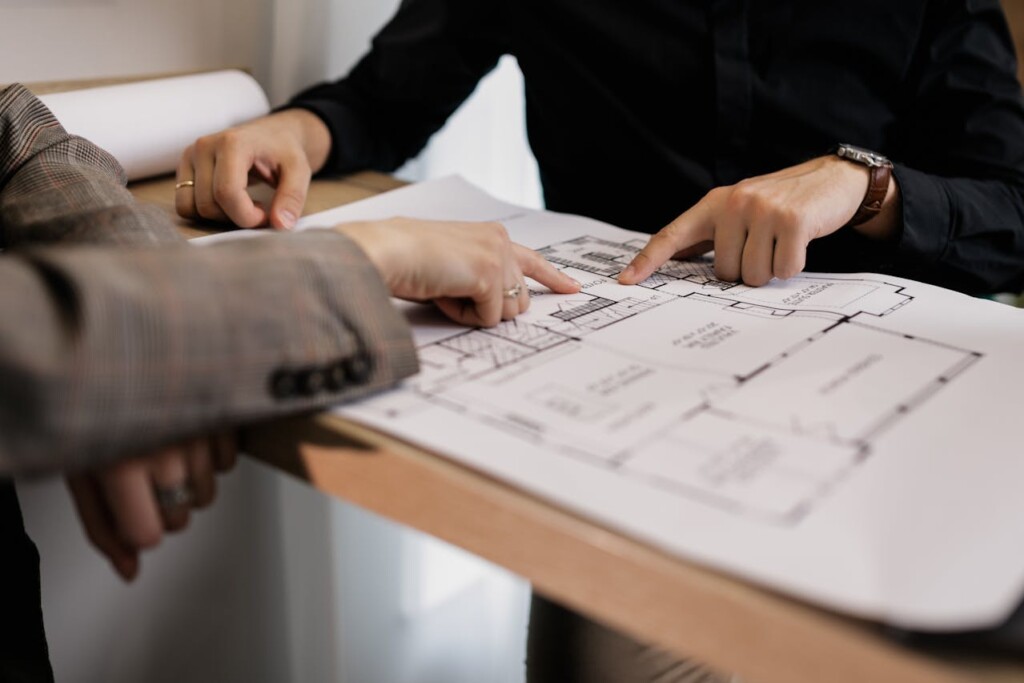
Kitchen Line And Seating Reconfiguration
The kitchen line drives every other decision in a concept conversion. We redesign it to match the new menu’s cooking sequence, volume requirements, and prep flow, relocating equipment so that stations connect logically from prep through cooking to plating. Walk-in coolers, dishwashing stations, and storage are positioned to support peak-hour demand without creating traffic jams among back-of-house staff.
Seating reconfiguration follows the same logic. We adjust dining layouts to maximize capacity within the footprint while maintaining clear guest circulation paths. Service stations are repositioned to reduce staff movement between the kitchen, bar, and dining floor. This directly supports faster order fulfillment during peak service periods.
MEP Infrastructure Upgrades
Electrical upgrades address the real load demands of modern restaurant equipment. We install dedicated circuits for high-draw appliances, including convection ovens, induction cooktops, and commercial refrigeration, while adding outlets for POS systems and beverage stations. Proper load planning prevents circuit failures that shut down service mid-service.
Plumbing modifications align with both health code requirements and the new equipment layout. We coordinate grease trap installations with local regulations and equipment placement, right-size water supply lines for dishwashers and ice machines, and relocate handwash stations to meet ADA accessibility standards and kitchen workflow needs. These changes are sequenced to avoid tearing open finished areas twice.
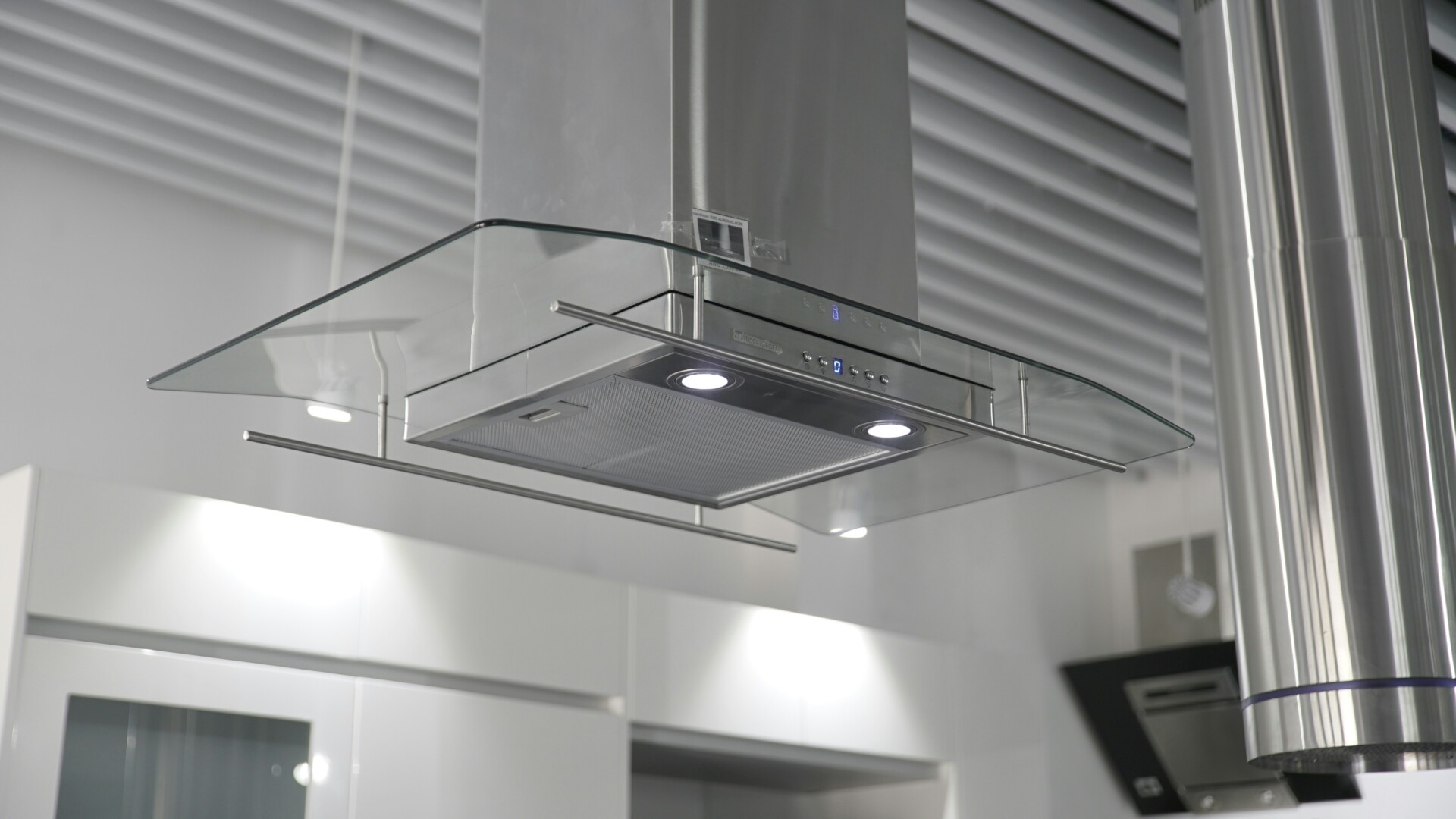
HVAC and ventilation upgrades serve two functions: maintaining comfortable dining temperatures and meeting fire safety requirements for kitchen exhaust. We size systems based on seating capacity, kitchen heat loads, and local climate conditions. Exhaust and make-up air are balanced so cooking odors do not reach the dining area, and hood suppression systems are integrated with equipment layouts before finishes go in.
Equipment Coordination And Installation
Equipment selection reflects the operational model of the new concept. Quick-service formats require high-speed cooking equipment and efficient warming systems; full-service concepts need flexible cooking stations that handle varied preparations throughout the day. We work directly with equipment suppliers to align delivery schedules with utility rough-ins so that oven installations, refrigeration units, and POS infrastructure arrive when the space is ready to receive them.
Coordination between equipment specs and utility connections prevents rework. Refrigeration units require adequate clearance and proper drainage. Commercial dishwashers need correctly sized water supply and waste lines. We confirm all specifications against the kitchen layout before rough-ins are closed, keeping the construction sequence clean and reducing the risk of late-stage changes.
Design Elements And Compliance Alignment
Finish selections affect both durability and operating costs. We specify sustainable finishes that resist the wear and cleaning cycles of active restaurant environments, pair energy-efficient lighting with the dining ambiance the new concept requires, and incorporate water-saving fixtures that meet conservation standards without compromising function. These upgrades can also qualify for utility rebates, which can offset a portion of the tenant improvement costs.
Open kitchen designs and flexible multiuse spaces are increasingly common in concept conversions. We design sight lines that showcase food preparation while maintaining workflow efficiency in the back-of-house. Flexible dining zones that shift between standard service, private events, and off-peak configurations allow operators to maximize revenue across different dayparts without requiring additional construction later.
Every layout change and system upgrade must satisfy ADA accessibility requirements, fire safety regulations, building codes, and health department standards. We align inspections with construction milestones throughout the upgrade sequence so compliance issues surface before finishes are complete, not after.
What End-To-End Process Keeps The Conversion On Time And Compliant?
A restaurant concept conversion succeeds or fails based on how well each phase connects to the next. Without a structured sequence, permit delays stack up against equipment lead times, inspections catch issues that should have been resolved during rough-in, and downtime stretches beyond what the project budget can absorb. We follow a defined five-step process, built around construction sequencing and compliance milestones, that keeps second-generation fit-outs, retail-to-restaurant conversions, and franchise or multi-tenant projects on track from day one.
Step 1: Site Evaluation And Feasibility
Before any construction sequencing begins, we assess the existing structure, utilities, and infrastructure against the demands of the new concept. This means confirming electrical service capacity for high-draw kitchen equipment, verifying that gas lines and plumbing can support the planned layout, and identifying any structural constraints that could affect hood routing, grease interceptor placement, or floor penetrations.
Feasibility work at this stage prevents costly discoveries during construction. Hidden slab conditions, undersized electrical panels, and unpermitted prior work are common in adaptive reuse and tenant improvement projects. Surfacing these issues before the design is locked in gives us the ability to adjust scope, budget, and schedule without triggering change orders mid-build.
Step 2: Permitting And Compliance
We build an approvals map that covers every submission required for the project: building permit, fire department review, ADA compliance, health department plan check, zoning confirmation, and certificate of occupancy. Each approval type carries its own review cycle and conditions, and they do not always run in parallel. Understanding the dependencies between them is what separates a controlled schedule from one that stalls at the permit counter.
We assign clear ownership to each submission and track resubmittals, reviewer comments, and inspection requirements in a live log. Long-lead reviews, particularly health department plan checks covering kitchen layout, sink counts, and sanitation finishes, are submitted as early as possible. Waiting for permits after construction begins is one of the most avoidable schedule risks in a concept conversion.
Step 3: Kitchen And Utility Coordination
Once permits are in motion, we align the kitchen equipment schedule with the electrical, plumbing, and ventilation rough-in sequence. Equipment cut sheets and utility requirements go to our MEP trades before rough-in begins so that gas drops, floor drains, dedicated circuits, and make-up air locations are confirmed in the field rather than adjusted after the fact.
Commercial kitchen equipment often carries lead times of 12 to 16 weeks, which means purchase orders need to go out early in the project. Walk-in coolers, hood systems, and grease interceptors require the most coordination because their installation touches structural, mechanical, and plumbing work simultaneously. We track delivery windows against construction milestones so that equipment arrives when the space is ready to receive it—neither before nor after.
Step 4: Construction And Quality Control
During active construction, we manage phased work zones, trade sequencing, and quality checkpoints to keep the build moving without creating rework. Critical infrastructure goes in first: MEP rough-in, structural modifications, and underground work. Finishes follow once systems are inspected and closed-in. This sequence protects schedule integrity because changes to concealed systems after close-in are expensive in both time and cost.
Quality control checkpoints are tied to inspection milestones rather than calendar dates. In-wall inspections, hood and fire suppression reviews, and intermediate health department walkthroughs happen at defined progress points so that corrections are made before they affect the next phase. Off-hours work for noisy or disruptive tasks, as discussed in earlier sections, continues to protect any partial operations during this phase.
Step 5: Final Inspections And Turnover
The final phase consolidates all sign-offs required to open: building department final, fire marshal approval, health department inspection, and certificate of occupancy. We schedule these inspections in a sequence that accounts for their dependencies. Fire marshal approval, for example, often requires active gas service, while health department sign-off requires fully operational ventilation, correct water temperatures, and functional hand-wash stations. Running these out of order creates failed inspections and delays that push the opening date.
Turnover includes system verification, punch list completion, and operational walkthroughs with the owner’s team. As-built documentation, equipment warranties, and maintenance access points are confirmed and handed over so the space is ready to operate from day one. For franchise and multi-tenant conversions, this documentation is often required by brand standards or lease agreements, making a clean turnover package a non-negotiable part of project close-out.
Conclusion And Next Steps
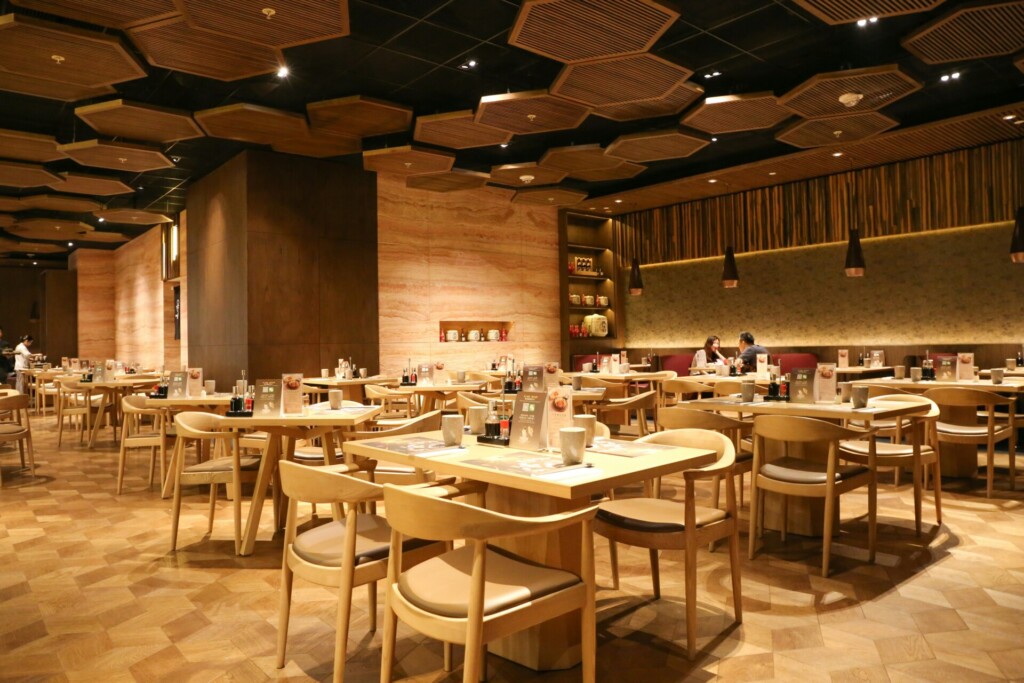
Achieving a restaurant concept conversion with minimal downtime depends on decisions made before demolition begins. Operations-first planning anchors every downstream decision—from permit submissions to MEP sequencing—so the construction schedule reflects how the space actually needs to function. Contingency planning is not optional; it is the buffer that keeps the project on track when permit reviews take longer than expected or material deliveries shift.
The certificate of occupancy marks the finish line, but the path runs through milestone-based inspections, coordinated off-hours work, and MEP rough-ins completed before finishes are installed. Every agency sign-off, from fire and health to ADA and building, must align with construction progress rather than lag behind it. When inspection milestones are built into the schedule from the start, compliance issues surface early enough to correct without extending the closure.
At EB3 Construction, we coordinate your restaurant conversion from pre-construction planning through final turnover, keeping your reopening timeline tight and your space fully code-compliant from day one.