Restaurant construction in Katy’s Cinco Ranch area centers on mixed-use developments where dining establishments thrive alongside retail and residential growth. Commercial remodeling projects in this market focus on venues featuring modern brick exteriors, expansive windows, inviting dining spaces, and outdoor patios that take advantage of the Texas climate.
As a restaurant builder in Katy’s Cinco Ranch, we manage specialized construction to meet the unique demands of this fast-expanding market. We handle new builds, complete remodels, and targeted build-outs across Katy, Cinco Ranch, Fulshear, Houston, Cypress, Richmond, and Bellaire, ensuring each project aligns with local building codes, health regulations, fire safety requirements, and ADA compliance standards.
Which Restaurant Construction And Remodeling Services Are Available Locally?
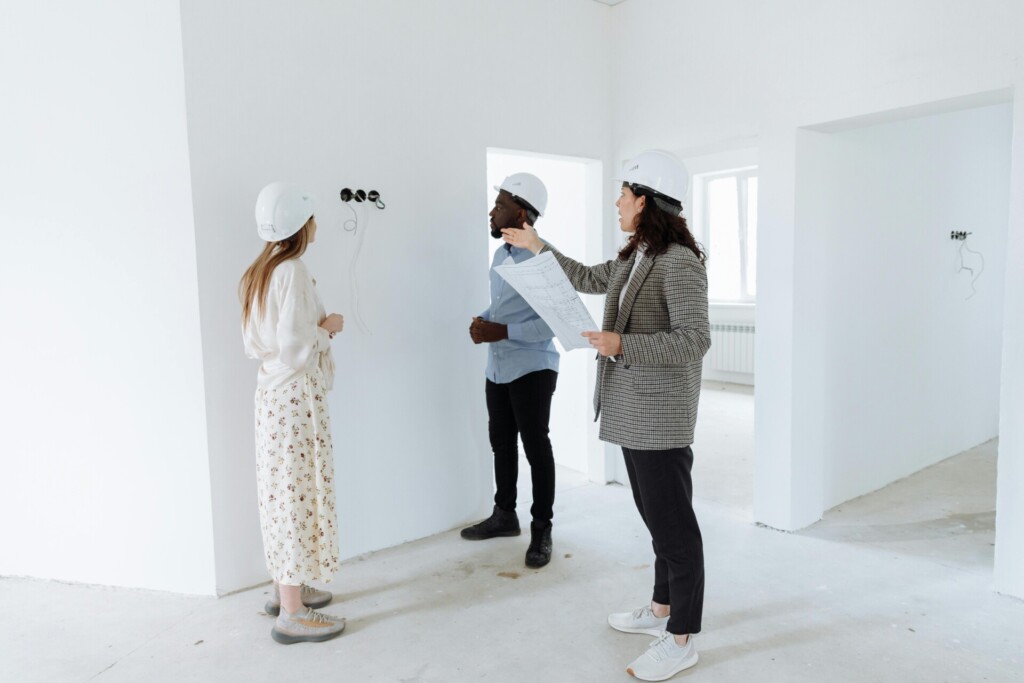
We handle the complete spectrum of restaurant construction projects, from ground-up builds to targeted renovations and strategic expansions. Our construction teams coordinate every phase of development to deliver functional spaces that meet operational demands and local market expectations.
New Construction And Build-Out Services
Our field crews execute new restaurant builds with precision scheduling and quality control standards. We manage wall build-outs that create defined spaces for dining, service, and kitchen operations. Each build-out includes structural framing, utility rough-ins, and finish work that prepares the space for equipment and furniture installation.
Restaurant renovations require careful coordination and timeline planning to minimize operational disruption. We schedule work phases around your business needs, handling everything from minor repairs to complete interior overhauls. Our renovation services include ceiling upgrades, flooring replacement, and wall modifications that refresh the customer experience while maintaining structural integrity.
Interior Design And Layout Planning
We support comprehensive layout planning that optimizes customer flow and staff efficiency. Our team works with your concept to develop floor plans that maximize seating capacity while ensuring comfortable movement patterns. Interior design services include material selection, color coordination, and finish specifications that align with your brand identity.
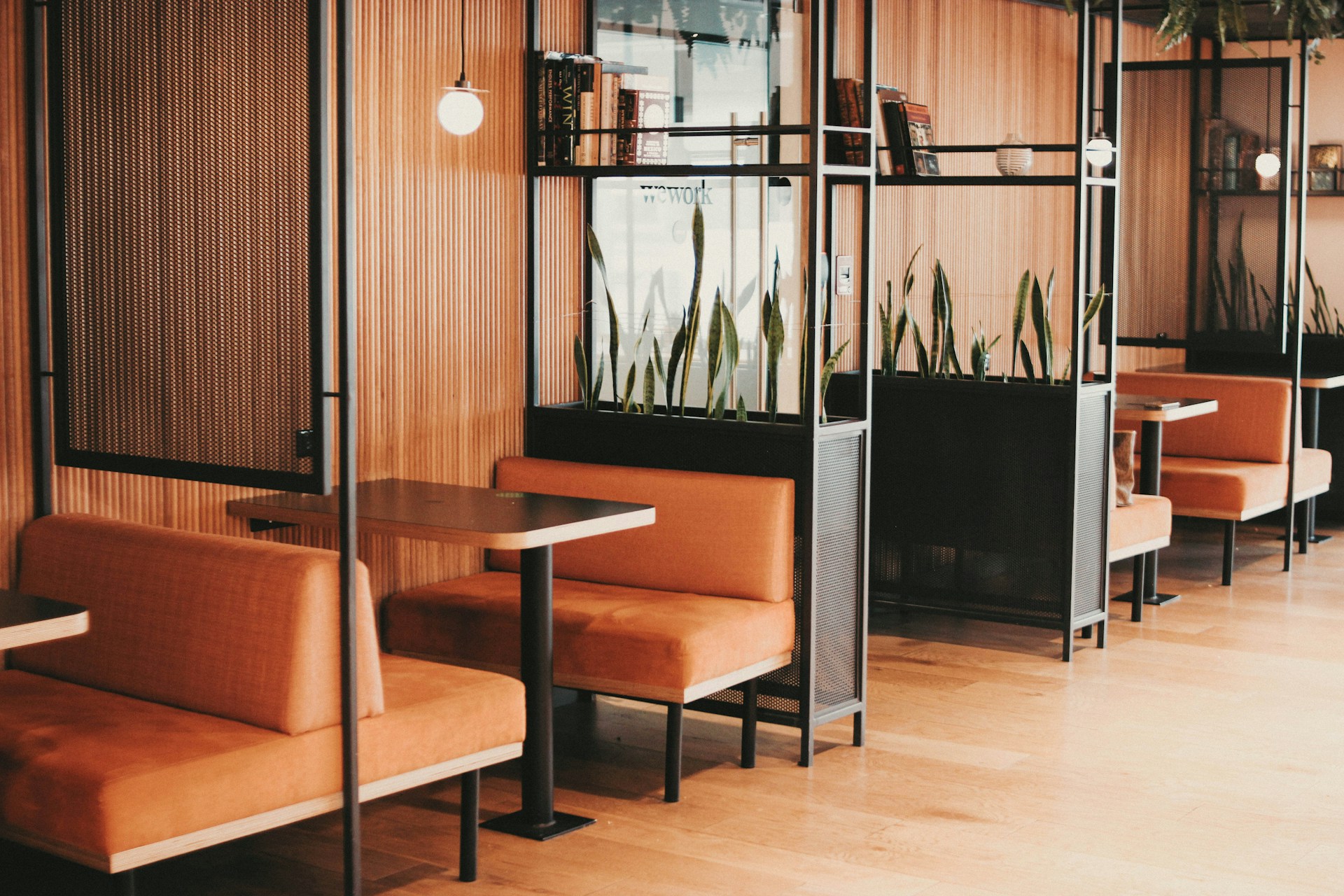
Furniture selection and placement require an understanding of both aesthetics and durability. We coordinate custom furniture fabrication and procurement of standard pieces to create cohesive dining environments. Our approach balances comfort, maintenance considerations, and traffic patterns to support long-term operational success.
Specialized Construction Services
Our skilled carpentry teams handle custom millwork, built-in seating, and decorative elements that distinguish your restaurant from competitors. Bar counters and soffits receive particular attention, as these features serve both functional and visual purposes in the dining experience. We fabricate these elements to withstand commercial use while maintaining design appeal.
Exterior construction services include facade work, signage installation, and site improvements that enhance curb appeal, along with site-efficiency practices. We coordinate concrete work for patios, walkways, and parking areas that support customer access. Our metal fabrication capabilities cover structural elements, decorative features, and custom equipment supports that integrate seamlessly with the overall design.
Technical And Compliance Coordination
Equipment installation requires precise coordination with kitchen layouts, utility connections, ventilation systems, and make-up air requirements. We work directly with equipment suppliers to ensure proper placement, connection, and testing before final inspections. Our commercial painters apply finishes that meet health department requirements while providing the aesthetic impact your concept demands.
All construction work adheres to local building codes, fire safety regulations, and health department standards. We stay current with ADA compliance requirements to ensure your restaurant serves all customers effectively. Our permit coordination and inspection scheduling keep projects moving toward successful completion and certificate of occupancy approval.
How Does The Katy–Cinco Ranch Restaurant Build Process Work?
Restaurant build processes follow structured phases that coordinate multiple stakeholders and technical disciplines. We organize our approach around three primary phases: pre-construction planning, active construction coordination, and post-construction completion activities.
This structure manages project complexity while keeping communication clear among all parties. Timeline expectations depend on project scope, site conditions, and how efficiently teams coordinate.
Pre-Construction Planning
Pre-construction establishes the project framework through detailed planning activities. We begin with concept development sessions that define operational requirements, spatial needs, and design objectives specific to restaurant functions.
Layout planning follows, with detailed space programming for dining areas, kitchen zones, storage requirements, and customer circulation patterns. This phase determines how efficiently the restaurant will operate once completed.
Technical drawings for electrical, plumbing, and HVAC systems require precise coordination to support restaurant equipment loads, ventilation needs, and code compliance. These drawings form the foundation for permit submissions and contractor coordination during construction.
Active Construction Coordination
During construction, we schedule work sequences to optimize efficiency and prevent conflicts between different trades. Project scheduling coordinates delivery timelines, installation sequences, and inspection requirements to maintain steady progress.
We coordinate architects, the general contractor, the owner, and specialized trades through regular communication protocols and progress meetings. This coordination helps prevent delays and ensures quality standards are met throughout construction.
Specialized trades include HVAC contractors for kitchen ventilation systems, electrical contractors for equipment connections, and plumbing contractors for dishwashing and preparation areas. Each trade requires specific timing and sequencing to avoid rework or schedule conflicts.
Post-Construction Closeout
Post-construction activities focus on project closeout and operational readiness. Final walkthroughs verify that construction matches approved plans and that all systems function properly before opening.
We help coordinate required inspections from local authorities, including health department reviews, fire safety inspections, and building code compliance verifications. These inspections must be approved before restaurants can begin food service operations.
Final walkthrough activities include testing kitchen equipment, verifying utility connections, and confirming that all finishes meet quality standards. This collaborative process ensures a smooth transition from construction completion to restaurant operations.
Timelines vary by project size and complexity and can range from a few months to over a year. Simple renovation projects may complete within three to six months, while new construction with complex kitchen systems often requires eight to eighteen months for full completion.
What Kitchen Systems And Interior Details Need Early Planning?

Back-of-House System Requirements
Kitchen equipment layout forms the foundation of every successful restaurant operation. We coordinate mechanical drawings that show precise placement for commercial ranges, fryers, grills, and prep stations to support a seamless workflow. Equipment schedules are included in the architectural drawings we submit to local building departments, ensuring proper clearances and utility connections.
Plumbing and mechanical drawings require detailed coordination for commercial sinks, dishwashers, and specialty equipment. Three-compartment sinks, underbar sinks, and handwashing stations need specific drain locations and water supply lines. We map these connections early to avoid costly modifications during construction.
Duct and exhaust systems demand careful engineering and fabrication. Type I commercial vent hoods handle cooking equipment that produces grease and smoke, while Type II hoods manage heat and moisture from dishwashers and steamers. The exhaust system includes stainless steel hoods, ventilation fans, grease filters, and ductwork, with upblast fans installed on the roof.
Essential Kitchen Infrastructure
Walk-in refrigeration units require precise electrical connections and structural support. We plan locations for walk-in coolers and freezers based on delivery access, kitchen flow, and health department requirements. Reach-in refrigeration, undercounter units, and worktop freezers need coordinated electrical and drainage connections.
Custom hood fabrication involves stainless steel work tailored to specific cooking equipment. Open-flame cooking—griddles, fryers, and chargrills—requires fire suppression systems integrated within the hood structure. We coordinate with metal fabricators to ensure proper sizing and installation clearances.
Service line fabrication includes gas lines for cooking equipment, water lines for steamers and dishwashers, and electrical connections for all appliances. Underbar fabrication covers specialized refrigeration units, glass washers, and beverage equipment that require custom plumbing and electrical work.
Front-of-House Finishes and Functionality
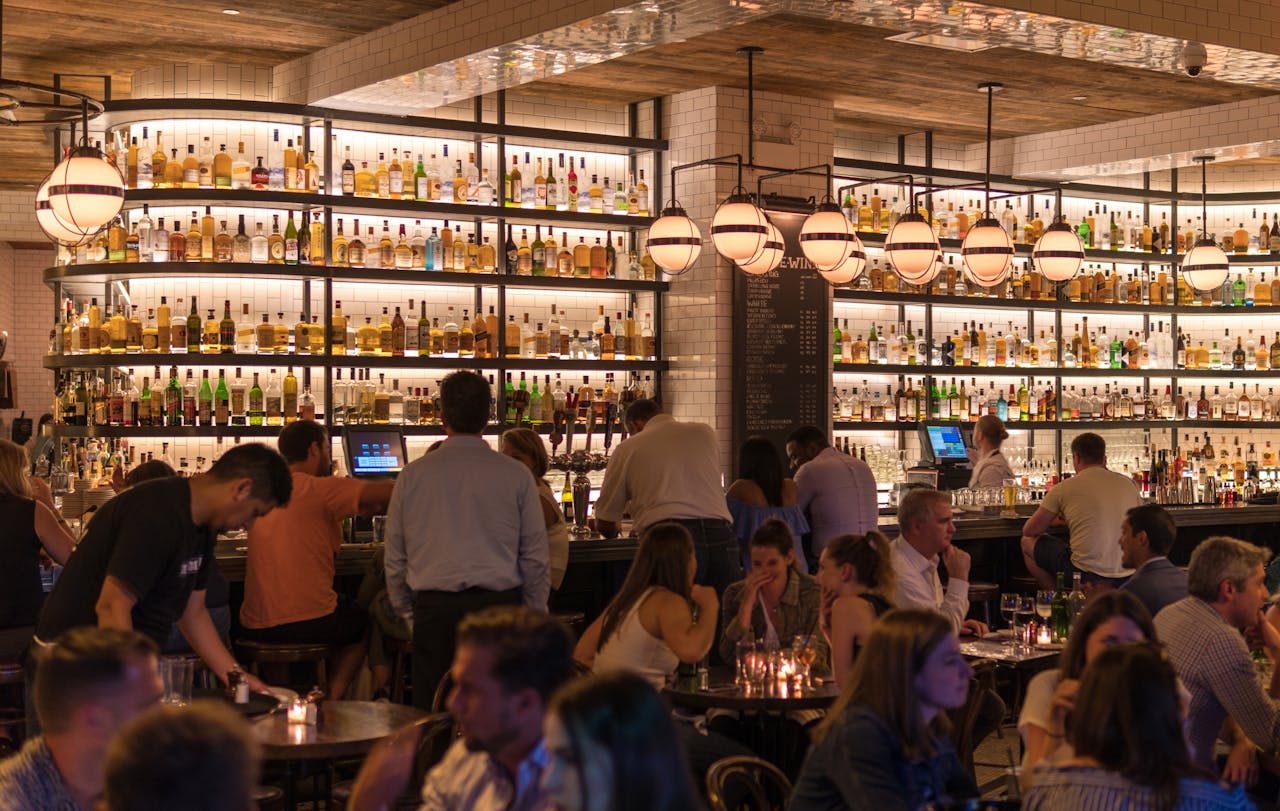
Bar counters and soffits create focal points that define the dining experience. We fabricate custom bar tops with integrated equipment spaces, proper drainage, and electrical access for blenders, glass washers, and beverage dispensers. Soffit work conceals utilities while providing mounting surfaces for lighting and decorative elements.
Durable floors, walls, and ceilings withstand heavy use while maintaining their appearance. Commercial-grade flooring handles foot traffic and cleaning requirements, while wall finishes resist moisture and grease. Ceiling systems accommodate HVAC distribution, lighting, and fire suppression components.
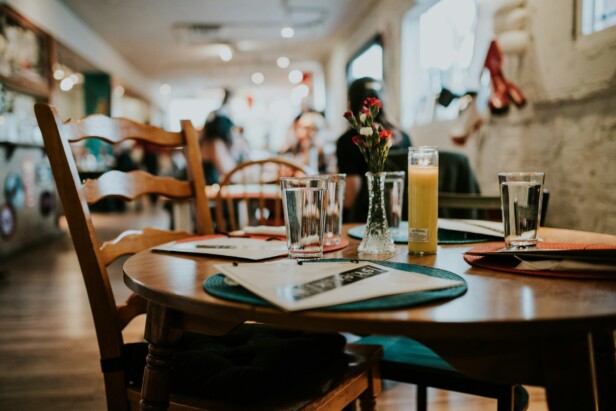
First impressions shape customer perceptions and drive repeat business. Updated dining spaces with thoughtful finishes, proper lighting, and comfortable seating arrangements attract new guests and encourage longer visits. We balance aesthetic appeal with practical maintenance needs to create spaces that perform well over time.
How Do Local Locations and Design Cues in Cinco Ranch Shape Your Project?
LaCenterra at Cinco Ranch is a 34-acre mixed-use development that draws 5 million visits annually. The center features upscale retailers like Trader Joe’s and Lululemon alongside dining options, including Grimaldi’s Coal Brick-Oven Pizza and CAVA. This vibrant retail environment creates specific design expectations that influence restaurant construction throughout the area.
Cinco Ranch is the largest residential community in Katy, with continued expansion driving consistent foot traffic. The neighborhood’s growth pattern supports restaurants that integrate seamlessly with nearby retail and residential convenience. We align construction decisions with these established traffic flows and consumer expectations.
Architectural Elements That Set the Local Standard
Successful restaurants in this area share common visual elements that we incorporate into our construction approach. Modern brick exteriors provide durability while maintaining the upscale aesthetic that matches the neighborhood context. Large windows create a visual connection between interior dining spaces and outdoor pedestrian areas, encouraging walk-in traffic from shoppers.
Outdoor patios with shaded seating areas are now essential. The LaCenterra development itself demonstrates this priority with its Central Green Park, which features outdoor stages and ample seating. We design restaurant patios that complement this outdoor-focused community culture while providing comfortable dining environments year-round.
Neighborhood Context Shapes Design Decisions
Areas like Firethorne further demonstrate how mixed-use development shapes restaurant design expectations. The blend of residential, retail, and dining creates a walkable environment where restaurants must appeal to planned visits as well as spontaneous stops. We position entrances and design facades to accommodate both types of customer engagement.
Interior layouts reflect the warm, welcoming atmosphere that works well in family-oriented communities. We focus on creating dining rooms that are comfortable for quick family meals and extended social gatherings alike. This approach aligns with the demographic expectations of an affluent, growing residential base.
We deliver restaurant construction projects across Katy, Cinco Ranch, Fulshear, Houston, Cypress, Richmond, and Bellaire, adapting our approach to match each area’s specific characteristics while maintaining the quality standards that work in premier developments like LaCenterra.
Conclusion And Next Steps
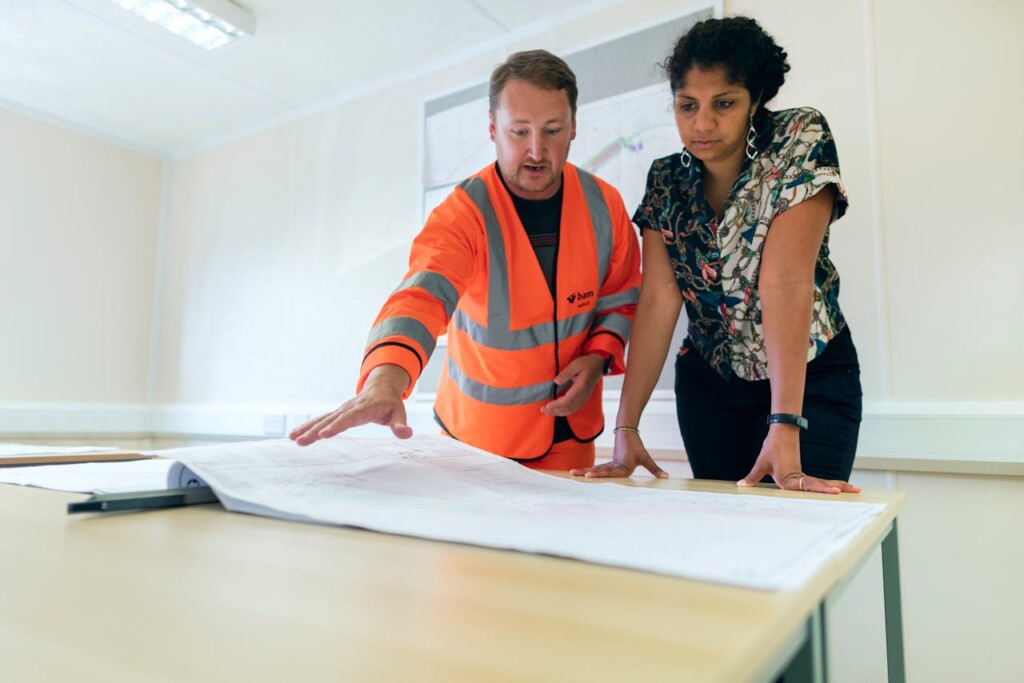
Restaurant construction in Katy–Cinco Ranch demands careful coordination of technical precision with local market insight. Scope planning sets the foundation. Budget management keeps your project on track. MEP drawings and kitchen systems need early attention to avoid delays and costly revisions during construction.
Code compliance shapes every aspect of your restaurant build in Katy–Cinco Ranch. Health department regulations dictate kitchen layouts and equipment placement. Fire codes influence ventilation systems and exit routes. ADA standards affect dining room design and restroom facilities. These requirements integrate seamlessly when addressed during initial planning rather than treated as afterthoughts.
Ready to turn your restaurant concept into a fully operational space? Contact EB3 Construction to discuss a phased construction approach, from concept development through final inspections.