
Property owners face a critical decision when selecting contractors for office interior build-outs. With construction costs for mid-size commercial spaces averaging $200 to $400 per square foot, a single misstep in contractor selection can result in significant financial exposure, according to industry data from commercial construction firms.
We understand that developers and property owners need comprehensive proposals that eliminate guesswork and enable accurate project comparison. A detailed construction proposal serves as the foundation for successful office interior build-outs by establishing clear expectations for scope, cost, schedule, and risk management from project initiation through completion.
What Project Basics, Scope, And Documents Should The Proposal Include?
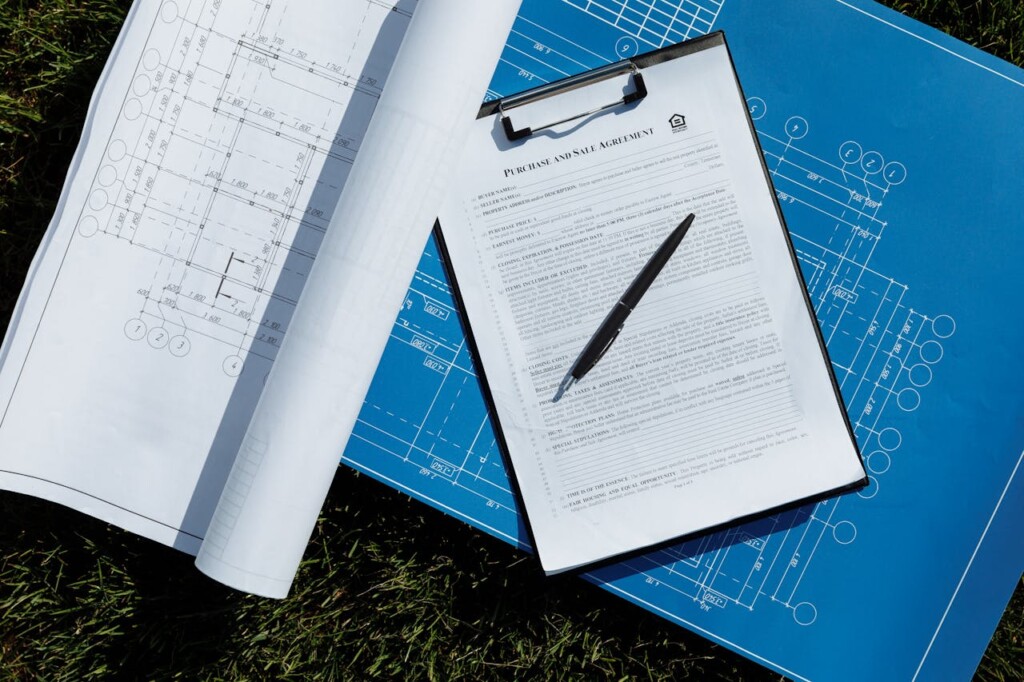
The proposal must establish a clear contractual framework with complete owner and contractor information. We include signature lines that make the proposal a binding agreement upon acceptance. This foundation protects both parties and eliminates ambiguity about project terms.
Our comprehensive project understanding shows we’ve analyzed the space, reviewed existing conditions, and identified key challenges. We document assumptions about current building systems, access constraints, and operational requirements that affect our approach. Stating these assumptions clearly helps prevent costly disputes during construction.
Detailed Scope Definition
The scope of work forms the proposal’s core, listing every task, space, and deliverable in our execution plan. We specify which areas receive new finishes, where we will install systems, and what improvements each space requires. This granular approach prevents scope gaps that lead to change orders.
Inclusions and exclusions receive equal attention in our documentation. We explicitly state what our work covers and what falls outside our responsibility. Exclusions might include existing furniture relocation, IT equipment installation, or tenant-specific signage not shown on drawings.
Construction Documents Reference
We reference the construction documents that govern our pricing and execution methodology. Architectural floor and ceiling plans provide the spatial framework for our work. Interior elevations show finish applications and millwork details. Finish schedules specify materials, colors, and installation methods for every surface.
Structural drawings become relevant when tenant improvements require modifications to load-bearing elements or significant ceiling penetrations. We coordinate with structural engineers to ensure compliance with building capacity and safety requirements.
MEP and fire protection drawings guide our coordination efforts with building systems. Mechanical drawings show HVAC modifications needed for new layouts. Electrical plans indicate power, lighting, and data requirements. Plumbing drawings address any restroom or kitchen facility changes. Fire protection plans ensure sprinkler system modifications meet code requirements.
Code Compliance and Standards
We state explicitly that all work meets applicable building codes and accessibility standards. This includes current building codes, Americans with Disabilities Act requirements, and local jurisdiction standards. Our compliance commitment covers both construction methods and final installations.
Accessibility standards receive particular attention in office environments. We ensure doorway widths, restroom facilities, and workspace configurations meet current ADA guidelines. This proactive approach prevents costly corrections during inspections.
The proposal layout itself supports clarity and prevents misunderstandings. We organize information logically, use consistent terminology, and reference specific drawing sheets for complex items. This systematic approach helps owners compare proposals accurately and reduces the risk of scope disputes during construction.
How Should Pricing, Allowances, And Contingencies Be Structured?
We organize our cost estimate into three distinct categories that provide property owners and developers with complete transparency. This structured approach clarifies where every investment dollar goes and offers clear line items for comparison with other general contractors.
Hard Costs: Physical Construction Elements
Hard costs represent the tangible construction work that creates your office space. We provide detailed quantity takeoffs for all materials and labor, breaking down each trade and component. Our hard cost categories include framing and drywall systems; electrical infrastructure and lighting; plumbing and mechanical systems; flooring materials and installation; paint and interior finishes; and doors, frames, and hardware packages.
Each hard cost line item includes material quantities, labor hours, and equipment usage. We base our estimates on current market pricing and include detailed specifications that align with the construction drawings. This level of detail ensures accurate bidding and helps prevent scope gaps during construction execution.
Soft Costs: Design and Administrative Expenses
Soft costs cover the professional services and regulatory requirements that enable construction. These expenses typically account for 8 to 12 percent of the total project budget but vary based on project complexity. Our soft cost breakdown includes architectural and engineering fees, MEP design services, permit expediting when required, specialty consultants for acoustics or technology, and plan review and inspection costs.
We clearly identify which soft costs we manage directly versus those handled by the owner or their representatives. Permit expediting, for example, can significantly reduce timeline risk in jurisdictions with lengthy review processes. These services represent valuable investments in project efficiency and code compliance.
Vendor Costs: Specialized Systems and Equipment
Vendor costs encompass specialized installations that require coordination with third-party providers. These typically include furniture, fixtures, and equipment (FF&E); telecommunications and data cabling systems; security and access control installations; signage and wayfinding elements; audiovisual systems and conference room technology; and professional moving services for occupied buildings.
We coordinate vendor selection and scheduling to ensure seamless integration with our construction activities. Each vendor cost category includes allowances based on typical specifications, with alternates provided for upgraded systems or finishes. Clear vendor coordination prevents delays and ensures all systems integrate properly with the base building infrastructure.
Allowances and Alternate Options
We structure allowances for finish selections and equipment where specific choices remain undetermined. Standard allowances cover flooring materials, paint colors and finishes, lighting fixture selections, plumbing fixture upgrades, and technology infrastructure requirements. Each allowance includes a defined scope, quality level, and dollar amount per square foot or per unit.
Alternates provide owners with upgrade options and cost flexibility. Common alternates include enhanced finish packages, upgraded mechanical systems, additional electrical capacity, specialty lighting or architectural features, and after-hours construction to minimize business disruption. These options support informed decision-making based on budget priorities and tenant requirements.
Contingency Planning for Risk Management
We recommend owner contingencies based on project type and complexity. Shell condition projects typically require a 5 to 10 percent contingency to address unforeseen conditions during construction. Remodel projects often need 10 percent or higher contingencies due to hidden conditions in existing buildings, such as structural modifications, hazardous material abatement, or outdated building systems that require upgrading.
The contingency addresses genuine unknowns rather than estimating errors. We document the basis for our contingency recommendation—whether related to existing building conditions, permit approval risks, or market volatility for key materials. This transparency helps owners understand the reasoning behind our risk assessment and budget accordingly.
| Labor | 20–40% | 25–35% |
| Materials | 35–50% | 35–50% |
| Equipment | 5–15% | 10–15% |
| Indirect / Overhead | 15% | |
| Contingency | 5% |
Tenant Improvement Allowance Application
When applicable, we detail how tenant improvement allowances from the lease work letter apply to our pricing structure. We identify which costs qualify under the allowance terms and which expenses fall outside the landlord’s contribution. Our proposal clearly shows the net cost to the tenant after applying available allowances.
We coordinate with property management and leasing teams to ensure allowance applications align with lease requirements. This includes submitting proper documentation, meeting landlord approval processes, and timing draw requests to support project cash flow. Clear allowance management prevents delays and ensures maximum utilization of available tenant improvement funds.
What Schedule, Permitting, And Bidding Details Belong In The Proposal?

The project schedule sets realistic expectations for construction progress and regulatory compliance. We define start and finish dates based on permit approvals and material availability rather than arbitrary calendar targets. Major milestones align with actual construction sequences, including rough-in completions, inspections, and substantial completion dates.
Work hours need clear definition for occupied office buildings. Standard construction hours typically run 8:00 AM to 5:00 PM on weekdays, with limited weekend access subject to building management approval. We specify noise restrictions for peak business hours and outline coordination procedures with existing tenants.
Timeline Dependencies And Critical Path Activities
Material lead times significantly affect project schedules given current supply-chain conditions. Long-lead items like custom millwork, specialty lighting fixtures, and MEP equipment require early ordering to maintain construction momentum. We identify these critical procurement items up front and factor their delivery dates into the construction timeline.
Access dependencies are especially important in occupied Class A buildings. Elevator reservations, loading dock scheduling, and coordination with building security create sequencing constraints that affect daily productivity. We document these operational requirements and build realistic durations around building-specific limitations.
Weather-related delays require consideration even for interior projects. Exterior work such as façade modifications or rooftop mechanical installations can slow interior progress when weather windows close. We account for seasonal factors and include backup sequences to maintain schedule continuity.
Permitting Strategy And Plan Review Process
The permitting approach begins with complete construction drawings submitted for plan review. We specify that all architectural, MEP, and fire protection drawings will be code-compliant and ready for municipal review upon submission. Incomplete or noncompliant drawings extend approval timelines and delay project start dates.
Code compliance verification occurs before construction begins. We coordinate with building officials to confirm that proposed modifications meet current building codes, accessibility standards, and fire safety requirements. Any variances or special approvals are identified early in the permitting process.
A permit expeditor may be engaged for complex projects or tight schedules. These specialists navigate municipal approval processes and maintain direct communication with plan reviewers to resolve issues quickly. We specify whether expediting services are included in our base proposal or available as an add-on service.
Work authorization requires all necessary permits in place before construction activities begin. We never proceed with demolition, MEP rough-in, or other permit-required work until approvals are secured. This approach protects both the owner and our construction team from code violations and stop-work orders.
Project Phase Duration Context
Design and architectural phases vary significantly between shell space and second-generation improvements. Shell space projects require complete MEP design and often require structural analysis for new demising walls or floor penetrations. Second-generation spaces typically need only finish modifications and minor MEP adjustments, reducing design time.
Bidding and permitting phases follow predictable patterns based on project complexity. Simple tenant improvements in existing buildings typically require 3-4 weeks for plan review and permit approval. Complex projects involving structural modifications or substantial MEP work may need 6-8 weeks for full approval.
Construction duration depends on finish complexity and coordination requirements. Basic office improvements with standard finishes progress faster than high-end buildouts requiring custom millwork and specialty systems. We provide realistic construction schedules based on similar project experience and current trade availability.
| Phase | Duration |
| Design and Planning | 2-4 weeks |
| Construction Documents | 4-6 weeks |
| Permitting and Bidding | 2-14 weeks |
| Preliminary Works | 1-2 weeks |
| Construction | 4-16 weeks |
Vendor Coordination And Subcontractor Selection
The RFP process for major subcontractors follows structured evaluation criteria beyond lowest price. We assess technical qualifications, relevant project experience, current workload, and financial stability. Schedule compatibility and quality standards carry equal weight alongside pricing in our selection process.
Selection criteria include licensing verification, insurance coverage, and safety performance records. We require current certificates and verify coverage limits meet project requirements. Recent safety incidents or workers’ compensation claims factor into our subcontractor evaluation process.
Phasing strategies minimize disruption to occupied buildings through careful sequencing and coordination. We schedule noisy work such as demolition and core drilling during off-hours or weekends when possible. Dust-generating activities are contained and scheduled to avoid critical business operations in adjacent spaces.
After-hours work options provide flexibility for occupied Class A buildings when daytime construction would disrupt tenant operations. We outline premium labor costs for evening and weekend work, along with building-specific requirements for security escorts and elevator access. These options allow owners to balance project timelines against operational disruption.
Which Commercial Terms, Risk Clauses, And Credentials Should Be Specified?
We structure our commercial terms to protect both parties while maintaining clear expectations throughout the build-out process. The payment schedule forms the foundation of these arrangements, establishing when funds flow and how progress is measured.
Payment Schedule And Financial Terms
We establish a payment schedule that aligns with construction milestones rather than calendar dates. A typical structure includes a 10% deposit upon contract execution, progress payments at 25%, 50%, and 75% completion, and final payment upon substantial completion and owner acceptance. Each payment milestone corresponds to measurable work completed, making it straightforward for owners to verify progress before releasing funds.
Retainage policies vary by project size and owner preference, typically ranging from 5% to 10% of each progress payment. We specify retainage release conditions, usually tied to final inspection, warranty commencement, and submission of required closeout documents. Payment methods include wire transfers, ACH, and checks, with processing timelines clearly defined for each method.
Change Order Procedures
Change order procedures require written documentation before any scope modifications begin. We outline a three-step process: a written change request from the owner; our written analysis of cost and schedule impacts within five business days; and owner approval before implementation. Each change order includes detailed cost breakdowns, schedule implications, and material lead time considerations.
Price escalation clauses have become increasingly important given recent market volatility. We include provisions allowing contract price adjustments for material cost increases exceeding 10% over baseline pricing, supported by manufacturer documentation. This approach protects against unforeseen market fluctuations while providing owners with cost transparency.
Risk Management And Warranty Provisions
Hidden defects and unforeseeable conditions require careful risk allocation. We assume responsibility for conditions reasonably discoverable during our site investigation, while owners bear costs for concealed conditions like structural deficiencies, hazardous materials, or undisclosed utility conflicts. Our approach includes immediate notification requirements and cost documentation procedures when these conditions arise.
Our workmanship warranty covers all labor and installation for one year from substantial completion, excluding normal wear and tear, misuse, and owner-caused damage. Manufacturer material warranties transfer directly to the owner, with warranty documentation provided at project closeout. We maintain detailed warranty tracking and response procedures to address issues promptly.
Operational Terms And Conditions
Site access requirements specify our working hours, typically 7 AM to 6 PM on weekdays, with weekend or after-hours work requiring advance approval and potential premium rates. We outline our cleanup and disposal responsibilities, including daily site maintenance, debris removal, and final cleaning standards that meet commercial office requirements.
Dispute resolution follows a structured escalation path: direct project team discussion, senior management involvement, mediation through mutually agreed neutral parties, and finally binding arbitration. Force majeure provisions address circumstances beyond our control, including natural disasters, labor strikes, and government-imposed restrictions that affect project delivery.
Safety, Compliance, And Credentials
We document our safety program compliance with OSHA standards, including required training certifications, incident reporting procedures, and site safety protocols. Our compliance framework covers building codes, accessibility standards, environmental regulations, and local permitting requirements throughout the construction process.
Company credentials include our current contractor’s license, general liability insurance (minimum $2 million), workers’ compensation coverage, and professional liability insurance. We provide certificates of insurance naming the owner as additional insured, with 30-day cancellation notice requirements. Recent project references demonstrate our experience with similar office build-outs, including square footage, budget ranges, and completion timelines.
Proposal Acceptance And Next Steps
The proposal remains valid for 30 days from the submission date, allowing owners sufficient time for review and comparison. Acceptance requires a signed contract and deposit within this timeframe to secure our construction schedule and material pricing. We include clear instructions for proposal acceptance, including required signatures, deposit amount, and our project kickoff procedures that begin immediately upon contract execution.
Conclusion And Next Steps
Strong office interior build-out proposals combine technical precision with clear communication. We structure our proposals to address every aspect that property owners need for informed decision-making: comprehensive scope definition, transparent cost breakdowns with realistic contingencies, achievable schedules that account for permitting requirements, and straightforward commercial terms that protect all parties.
The foundation of successful proposals is complete construction documents that meet applicable codes and standards. We present itemized pricing that separates hard costs, soft costs, and vendor coordination, while building in appropriate contingency planning for unforeseen conditions. Our scheduling approach factors in real-world permitting timelines, material lead times, and coordination requirements. Clear commercial terms covering payment schedules, change order procedures, and warranty provisions ensure that proposal acceptance leads directly to smooth project execution.
Contact EB3 Construction to discuss your office interior build-out project and receive a comprehensive proposal tailored to your specific requirements.